.webp&w=384&q=75)

Loading, please wait...
Loading, please wait...
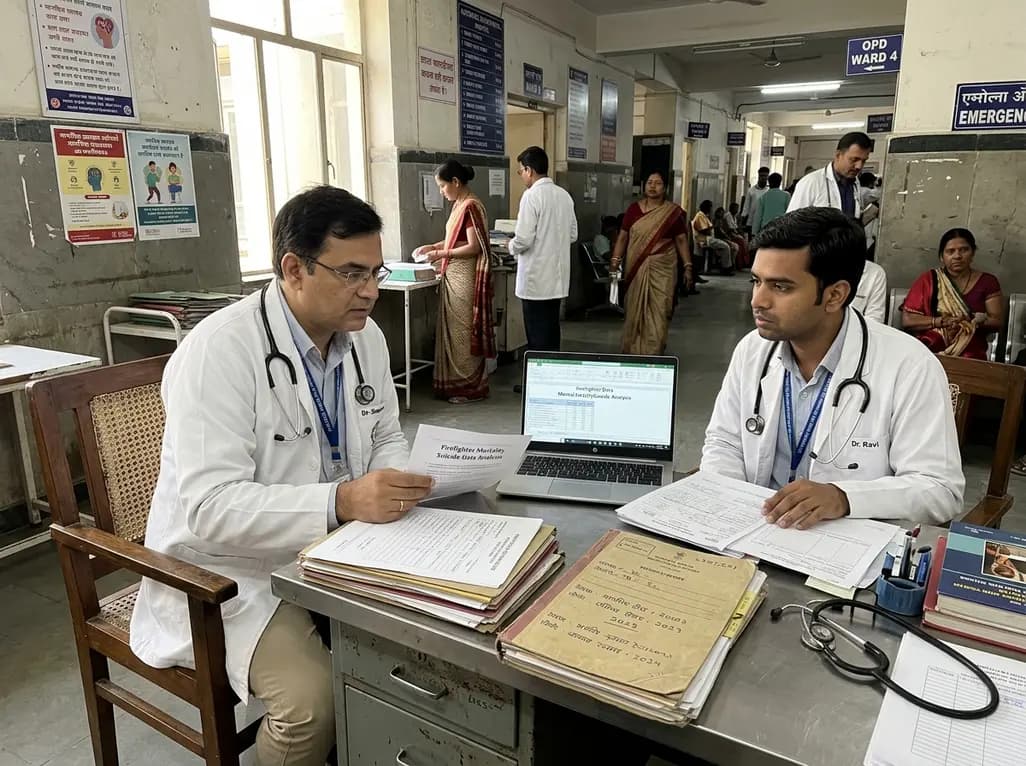
First responders confront intense operational hazards daily, ranging from dangerous structural blazes to complex mass-casualty medical crises. However, recent epidemiological data indicates that psychological strain often poses the gravest threat to their long-term survival. A landmark 24-year population-based study evaluated occupational mortality patterns in Utah between 2001 and 2024. The investigation identified crucial trends regarding firefighter suicide mortality across more than two decades of official vital statistics. While emergency service personnel regularly endure toxic smoke mixtures, combustion byproducts, and severe cardiovascular exertion, their chronic disease mortality demonstrated unexpected stability. Instead, investigators discovered a stark and statistically significant increase in the risk of intentional self-harm. Consequently, these findings challenge traditional assumptions regarding occupational hazards in emergency services. Clinicians and occupational health specialists must now recognize psychological trauma as a primary occupational threat. Therefore, prioritizing comprehensive mental health surveillance and specialized clinical interventions has become an urgent public health imperative for first responders.
The comprehensive epidemiological study evaluated death certificate data across the state of Utah from 2001 through 2024. Investigators analyzed 734 confirmed firefighter fatalities alongside 366,952 deaths among individuals working in alternative occupational sectors. Furthermore, researchers applied standardized 2018 Census industry codes and National Center for Health Statistics disease classifications to establish rigorous, controlled comparisons. They calculated adjusted proportionate mortality odds ratios (aORs) for several major clinical endpoints, including cardiovascular conditions, malignant neoplasms, diabetes mellitus, and intentional self-harm. After adjusting for essential confounding variables, including age, biological sex, race, and documented tobacco use, the analysis revealed a striking disparity. Firefighters demonstrated a 59 percent increase in adjusted odds for suicide compared to non-firefighting occupational controls (aOR 1.59; 95% CI 1.09–2.34). Conversely, the study identified no statistically significant differences in mortality rates for malignant neoplasms, ischemic heart disease, or diabetes. Thus, acute psychological vulnerability emerged as the predominant occupational health signal in this long-term cohort.
Historically, occupational medicine and fire service safety programs focused predominantly on smoke inhalation, chemical carcinogens, and acute cardiovascular collapse during emergency operations. Although structural firefighting involves intense thermal stress and exposure to hazardous particulate matter, modern protective equipment and strict cardiovascular screening protocols have substantially improved physical safety. As a result, the Utah cohort demonstrated comparable mortality rates to the general working population for malignant neoplasms, coronary artery disease, and metabolic disorders. In contrast, the pronounced elevation in firefighter suicide mortality underscores an unaddressed crisis in occupational behavioral health. First responders frequently endure repetitive secondary traumatic stress, disrupted circadian rhythms, and chronic sleep deprivation from unpredictable shift schedules. These physiological and psychological stressors trigger profound neuroendocrine dysregulation, which exacerbates underlying mood and anxiety disorders. Consequently, while personal protective equipment and physical conditioning protocols continue to mitigate somatic illness, psychological trauma remains a major cause of premature mortality among frontline emergency personnel.
Frontline emergency personnel regularly encounter severe motor vehicle collisions, pediatric resuscitations, interpersonal violence, and catastrophic disaster scenes. Over an extended career, a firefighter or emergency medical technician encounters hundreds of potentially traumatic events. Therefore, these professionals experience substantially elevated rates of post-traumatic stress disorder, major depressive disorder, and secondary traumatic stress. Moreover, the cultural environment within emergency services has historically prioritized emotional stoicism and resilience, which inadvertently fosters stigma and deters personnel from seeking timely psychiatric care. Chronic occupational stress also correlates strongly with elevated rates of hazardous alcohol consumption, marital strain, and social isolation. When progressive occupational burnout intersects with untreated depressive symptoms, the risk of suicidal ideation escalates dramatically. Healthcare professionals must recognize these distinct occupational risk factors when evaluating emergency workers in primary care and emergency departments. Clinicians can uncover critical distress markers by asking detailed questions about cumulative occupational trauma, shift work tolerance, and sleep continuity.
To address this alarming mortality disparity, healthcare systems and occupational health providers must implement proactive mental health screening protocols. Annual health assessments for emergency workers should routinely incorporate validated psychometric instruments, such as the Patient Health Questionnaire-9 (PHQ-9) and the PTSD Checklist for DSM-5 (PCL-5). Furthermore, primary care physicians and emergency clinicians must maintain a high index of suspicion for atypical depressive symptoms and comorbid substance use disorders. Establishing culturally competent behavioral health networks is equally vital for effective intervention. First responders consistently report greater willingness to engage in therapeutic dialogue with clinicians who understand emergency response operational dynamics. Additionally, institutional peer support teams and critical incident stress management programs offer immediate psychological stabilization following high-acuity incidents. Occupational health leaders must actively eliminate institutional barriers by guaranteeing confidential psychological consultations, standardizing routine mental wellness checkups, and promoting evidence-based psychological first aid across all fire service departments.
Mitigating high suicide mortality rates requires structural and organizational reforms across emergency service agencies and municipal governments. Public safety leadership must mandate comprehensive behavioral healthcare coverage within standard health benefit plans, ensuring accessible outpatient psychotherapy and psychiatric care. Furthermore, fire departments should normalize regular mental wellness evaluations, treating psychological fitness with the same importance as annual cardiovascular stress testing. Implementing evidence-based trauma modalities, including Cognitive Processing Therapy (CPT) and Eye Movement Desensitization and Reprocessing (EMDR), through employee assistance programs provides vital restorative care. Additionally, administrative leaders should optimize station shift scheduling to mitigate severe circadian disruption and chronic sleep debt. Encouraging peer-to-peer mental health advocacy also helps dismantle deeply ingrained cultural stigmas among both veteran and novice emergency responders. By integrating mental resilience into every facet of occupational safety, healthcare systems and civic leaders can safeguard the long-term well-being of frontline emergency personnel.
The 24-year Utah study revealed that firefighters faced a 59 percent higher odds of dying by suicide compared to workers in other occupations after adjusting for demographics and tobacco use. Notably, researchers found no significant differences in mortality rates for cancer, cardiovascular disease, or diabetes. These findings demonstrate that psychological trauma and suicide represent the most critical occupational mortality hazards for modern firefighters.
Firefighters encounter repetitive exposure to critical incidents, horrific injuries, and human tragedy throughout their professional careers. Furthermore, irregular shift work, chronic sleep deprivation, and high-stress operational environments exacerbate psychological distress. When combined with workplace cultures that foster emotional stoicism and fear of professional stigma, these cumulative stressors significantly increase the risk of post-traumatic stress disorder, clinical depression, and suicidal behavior.
Clinicians should routinely administer validated mental health screening tools, including the PHQ-9 and PCL-5, during annual physical exams and occupational evaluations. Additionally, healthcare providers must inquire specifically about cumulative traumatic exposure, sleep disturbances, and alcohol consumption patterns. Delivering culturally competent care, ensuring strict confidentiality, and facilitating prompt referrals to trauma-informed psychological therapies provide essential support for at-risk first responders.
Disclaimer: This content is for informational and educational purposes only and does not constitute medical advice, diagnosis, or treatment. Healthcare professionals should exercise their independent clinical judgment. Refer to the latest local and national guidelines for clinical practice.
References

Read summarized clinical updates, watch expert medical content, and earn CME certifications right from your smartphone.
Open your smartphone camera to scan and install.





A 24-year proportionate mortality study of Utah death certificates reveals that firefighters face a 59% elevated odds of suicide compared to other occupations, while showing no significant increase in cancer, heart disease, or diabetes mortality, highlighting the critical need for targeted mental health interventions.
last month

Chronic eosinophilic pneumonia can present with atypical bronchoalveolar lavage findings and an organizing pneumonia pattern, necessitating surgical lung biopsy.
Today

Discover the crucial distinctions between mesonephric and mesonephric-like proliferations of the female genital tract. Learn the key histomorphologic, immunohistochemical, and molecular differences essential for accurate diagnosis and clinical management.
Today
Kikuchi-Fujimoto disease rarely presents with refractory shock and sinus bradycardia in children. This case report highlights life-threatening hemodynamic instability requiring intensive care, preserved cardiac contractility, and the critical diagnostic role of early excisional lymph node biopsy.
Today

A narrative review investigates whether the articularis genus muscle functions as an independent anatomical entity or blends with the vastus intermedius. We evaluate its morphology, role in retracting the suprapatellar bursa, and direct clinical significance in anterior knee pain and arthroplasty.
Today

A Bayesian multilevel meta-analysis reveals that aerobic training combined with moderate carbohydrate restriction modestly lowers HbA1c in type 2 diabetes. However, sparse data and very low certainty leave incremental benefits over exercise or diet alone unproven, highlighting the need for individualized care.
Today
