.webp&w=384&q=75)

Loading, please wait...
Loading, please wait...

Drug addiction remains a severe neuropsychiatric challenge that disrupts central reward neurocircuitry and peripheral physiological homeostasis. Emerging biomedical evidence underscores the influential role of the gut microbiota in addiction pathology. Physical exercise offers an accessible lifestyle medicine approach that remodels the gut-brain axis, supporting long-term recovery.
Chronic substance abuse damages enteric homeostasis and induces profound intestinal dysbiosis. Consequently, drug exposure suppresses beneficial commensal species while accelerating the expansion of pathogenic microbes. Moreover, these disruptions impair mucosal tight junctions, significantly increasing intestinal permeability. As a result, bacterial endotoxins like lipopolysaccharide enter the systemic circulation. This process triggers peripheral immune activation and chronic neuroinflammation that impairs central neurotransmission. Subsequently, elevated circulating cytokines exacerbate compulsive drug-seeking behaviors and substance cravings. Patients facing addiction frequently experience marked gastrointestinal distress and disordered microbial metabolism. Therefore, treating substance dependence solely as an isolated brain disease neglects crucial systemic pathology. Restoring microbial diversity represents a vital step toward biological stabilization during withdrawal. Furthermore, dysbiosis reduces circulating precursors required for dopamine and serotonin synthesis, destabilizing mood control. In summary, intestinal dysbiosis directly reinforces neurobiological vulnerability in substance use disorders. Additionally, pathogenic overgrowth depletes essential short-chain fatty acids that ordinarily protect the enteric nervous system. Thus, targeted microbiome restoration offers a rational therapeutic target.
Physical activity serves as an effective non-pharmacological strategy that remodels the enteric microenvironment. Regular aerobic training enriches microbial diversity across diverse patient populations. Specifically, sustained exercise increases the relative abundance of beneficial bacteria, such as Bifidobacterium, Lactobacillus, and Akkermansia muciniphila. Simultaneously, physical conditioning suppresses opportunistic pathogens that proliferate during chronic substance dependence. Exercise optimizes mesenteric blood flow during recovery periods and normalizes intestinal transit time. Furthermore, working skeletal muscles release beneficial myokines that support mucosal barrier integrity. These physiological changes strengthen epithelial junctions and prevent microbial translocation into the systemic circulation. In addition, physical conditioning stimulates secretory immunoglobulin A production, reinforcing intestinal mucosal defense. Consequently, circulating endotoxemia diminishes, which alleviates downstream inflammatory cascades. Clinicians observe that patients engaging in structured exercise achieve superior digestive health and physical resilience. Therefore, exercise provides direct ecological benefits to the gastrointestinal tract. Ultimately, physical activity restores a healthy intestinal ecosystem that counteracts drug-induced damage. Moreover, consistent training maintains an optimal luminal pH, inhibiting pathogenic colonization.
Bidirectional communication along the gut-brain axis depends heavily on immune signaling pathways. Chronic drug intake sparks persistent neuroinflammation by elevating pro-inflammatory cytokines, including interleukin-1 beta and tumor necrosis factor-alpha. In contrast, regular physical exercise exerts potent anti-inflammatory effects throughout the central and peripheral nervous systems. Exercise-induced shifts in gut microbial balance fortify the intestinal barrier, preventing endotoxins from escaping into systemic circulation. Consequently, microglial activation within the central nervous system decreases substantially. Microglia adopt a neuroprotective phenotype, reducing inflammatory stress in mesolimbic reward pathways. Furthermore, beneficial bacteria generate anti-inflammatory metabolites that actively suppress peripheral immune overactivation. This immune recalibration stabilizes synaptic plasticity and protects dopaminergic neurons from oxidative damage. Additionally, reduced neuroinflammation alleviates depressive symptoms and anxiety that accompany early withdrawal. Patients thereby develop greater psychological resilience when facing stress triggers that typically prompt relapse. Thus, gut-mediated dampening of neuroinflammation represents a vital biological mechanism promoting long-term recovery. Importantly, preserving the blood-brain barrier shields vulnerable neural circuits from damaging circulating toxins.
Enteric bacteria synthesize and regulate essential chemical messengers that influence brain function. In particular, beneficial microbes ferment dietary fiber into short-chain fatty acids, including acetate, propionate, and butyrate. Exercise significantly enhances the production of these short-chain fatty acids in the colon. Consequently, butyrate acts as an epigenetic regulator by inhibiting histone deacetylases, which promotes neuroplasticity and memory consolidation. Furthermore, short-chain fatty acids modulate central neurotransmission by stimulating vagus nerve afferents. Microbial enzymes also facilitate the synthesis of critical neurotransmitter precursors, directly influencing cerebral levels of gamma-aminobutyric acid, serotonin, and dopamine. Chronic drug exposure drastically depletes these neurotransmitters, driving compulsive substance seeking and emotional volatility. However, regular physical exercise restores microbial communities that support healthy neurotransmitter biosynthesis. Additionally, physical conditioning normalizes tryptophan metabolism, prioritizing serotonin synthesis over neurotoxic kynurenine metabolites. As a result, recovering individuals regain balanced reward processing and mood stability. Therefore, exercise-driven metabolite synthesis directly links gut microbial activity to restored brain neurochemistry. Moreover, improved dopamine signaling alleviates withdrawal anhedonia, restoring natural pleasure responses.
Successful addiction recovery requires intact executive function, emotional regulation, and impulse control. Unfortunately, chronic substance abuse impairs prefrontal cortical circuits responsible for decision-making. Emerging research indicates that exercise-induced improvements in gut microbiota composition directly enhance cognitive function. Specifically, beneficial microbial metabolites stimulate brain-derived neurotrophic factor expression in the hippocampus and prefrontal cortex. This neurotrophic surge enhances synaptic adaptability, cognitive flexibility, and stress coping mechanisms. Furthermore, vagal afferent pathways transmit gut-derived regulatory signals directly to brain centers that govern emotional processing. Consequently, patients participating in structured physical exercise display lower anxiety levels and superior impulse control during cravings. In addition, restored circadian rhythms and deeper sleep cycles foster emotional stability, reducing the urge to relapse. Clinicians recognize that combining exercise interventions with standard addiction therapy yields superior clinical outcomes. However, current findings require further validation through rigorous large-scale clinical trials. Ultimately, exercise provides a cost-effective, scalable intervention that strengthens cognitive resilience via gut-brain restoration. Therefore, clinicians should incorporate structured exercise prescriptions into standard addiction treatment protocols.
Aerobic and resistance exercise significantly reshapes the intestinal microenvironment by enhancing overall microbial richness and diversity. Specifically, physical training increases beneficial commensal bacteria such as Bifidobacterium, Lactobacillus, and Akkermansia muciniphila while suppressing pro-inflammatory pathogens. Furthermore, physical exertion stimulates mesenteric circulation, optimizes gut transit time, and improves mucosal immunity. Consequently, these structural microbial shifts fortify the intestinal epithelial barrier and decrease endotoxin leakage into systemic circulation.
Short-chain fatty acids, notably butyrate, acetate, and propionate, serve as critical metabolic mediators linking gut bacteria to brain health. These bacterial metabolites readily cross biological membranes to inhibit histone deacetylases, enhancing neuroplasticity and memory consolidation. Furthermore, short-chain fatty acids stimulate vagus nerve signaling, modulate central dopamine and serotonin synthesis, and dampen microglial neuroinflammation. As a result, patients experience improved mood regulation, reduced anxiety, and decreased compulsive craving during substance withdrawal.
Exercise therapy serves as an effective, evidence-based adjunct rather than a standalone replacement for medical addiction management. Although physical activity reliably restores gut microbial balance, lowers neuroinflammation, and improves cognitive control, severe substance use disorders require comprehensive medical supervision. Therefore, structured exercise should complement pharmacotherapy, supervised detoxification, and cognitive-behavioral counseling. This multidisciplinary integrative strategy addresses both central neurochemical adaptations and peripheral metabolic disturbances, maximizing long-term abstinence and patient recovery.
Disclaimer: This content is for informational and educational purposes only and should not be considered medical advice. Always consult a qualified healthcare provider for diagnosis and treatment. Refer to the latest local and national guidelines for clinical practice.
References

Read summarized clinical updates, watch expert medical content, and earn CME certifications right from your smartphone.
Open your smartphone camera to scan and install.





Discover the therapeutic potential of exercise in treating drug addiction through gut microbiota remodeling, dampening neuroinflammation, and balancing neurotransmitters along the gut-brain axis.
last month

A retrospective comparative cohort study evaluated genitourinary safety in HFpEF between dapagliflozin and empagliflozin over six months. Rates of symptomatic UTI and asymptomatic bacteriuria showed no statistically significant differences, supporting comparable safety profiles across both SGLT2 inhibitors.
Today
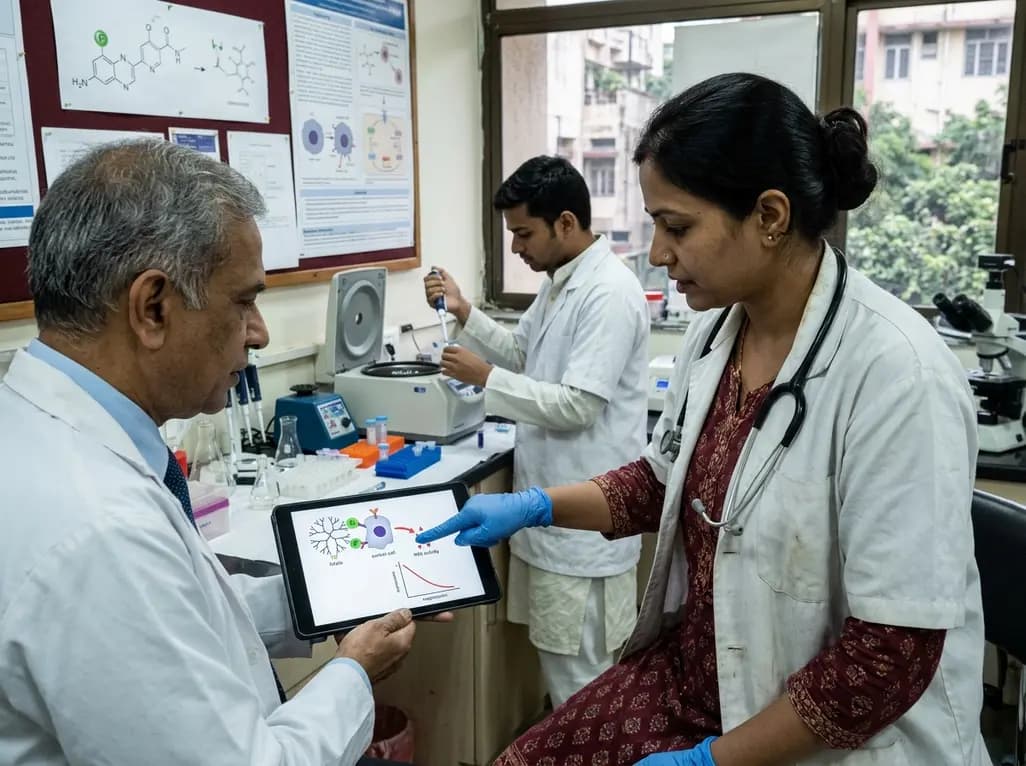
A novel folate-conjugated tecto-dendrimer nanoplatform successfully delivers siRNA to achieve targeted HK2 silencing, disrupting ovarian cancer glycolysis and suppressing lactate output.
Today
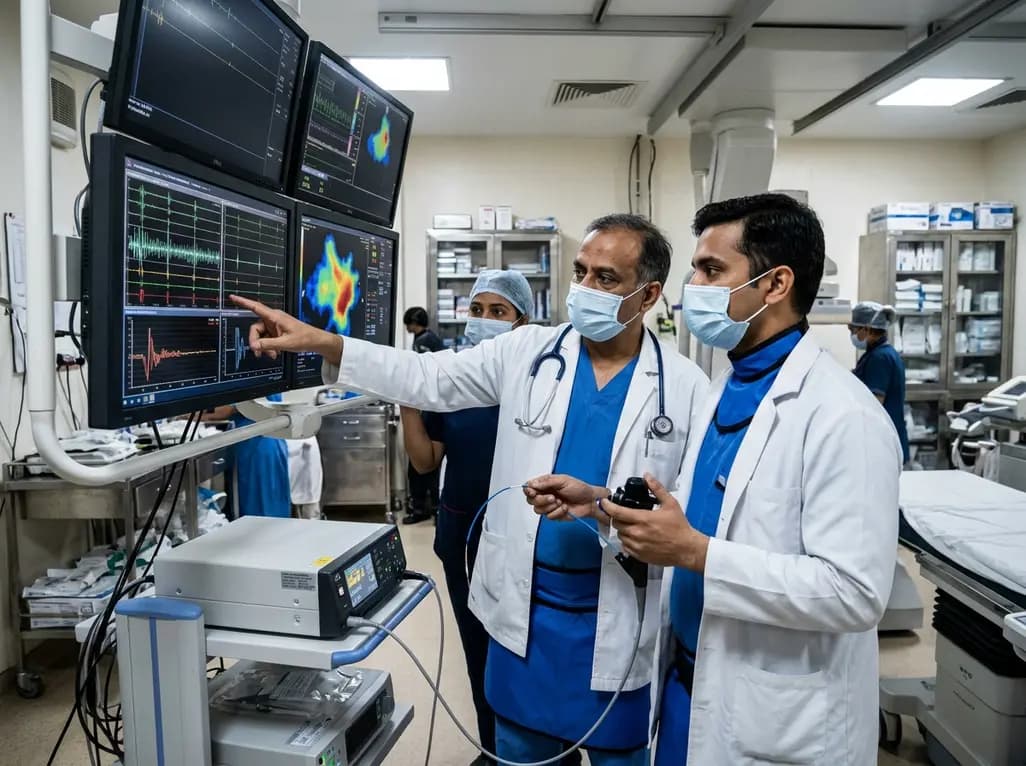
A comparative non-contact study reveals that high-power radiofrequency delivery with the QDOT MICRO catheter induces an artifactual contact force rise. Electrophysiologists must understand this power-dependent thermal and electrical phenomenon to avoid inadvertent catheter withdrawal and ineffective ablation.
Today
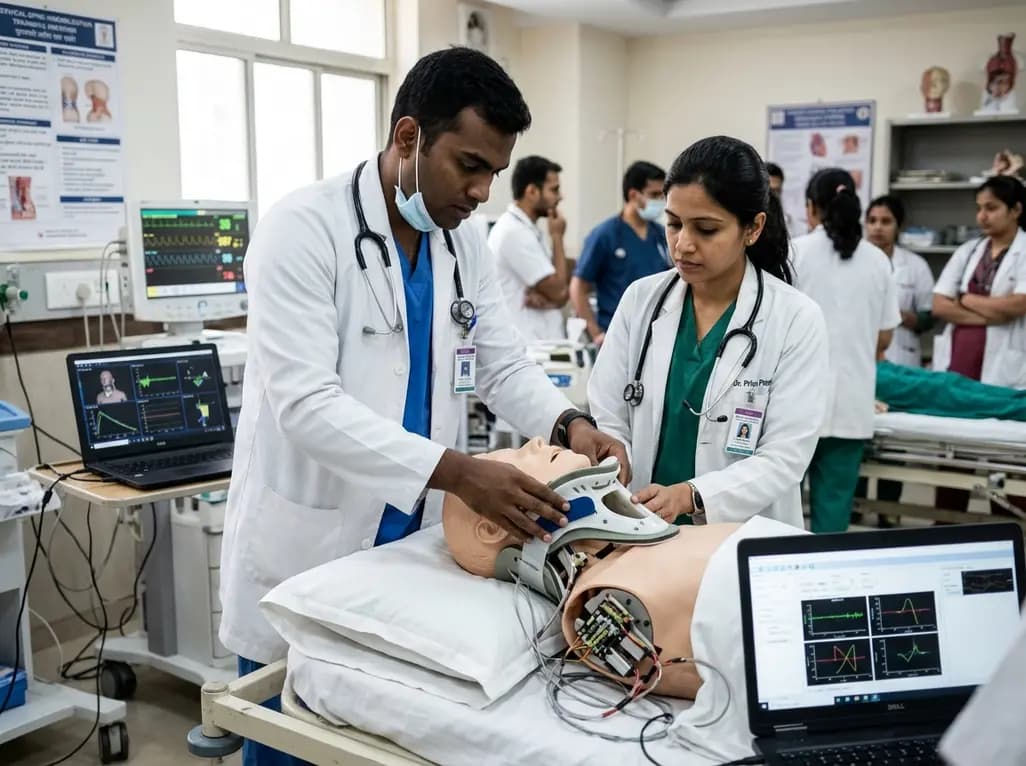
A novel proof-of-concept study presents a six-degree-of-freedom articulated manikin neck equipped with linear potentiometers. The system provides real-time kinematic motion feedback during cervical immobilisation, delivering sub-degree tracking accuracy to improve pre-hospital trauma training and patient safety.
Today
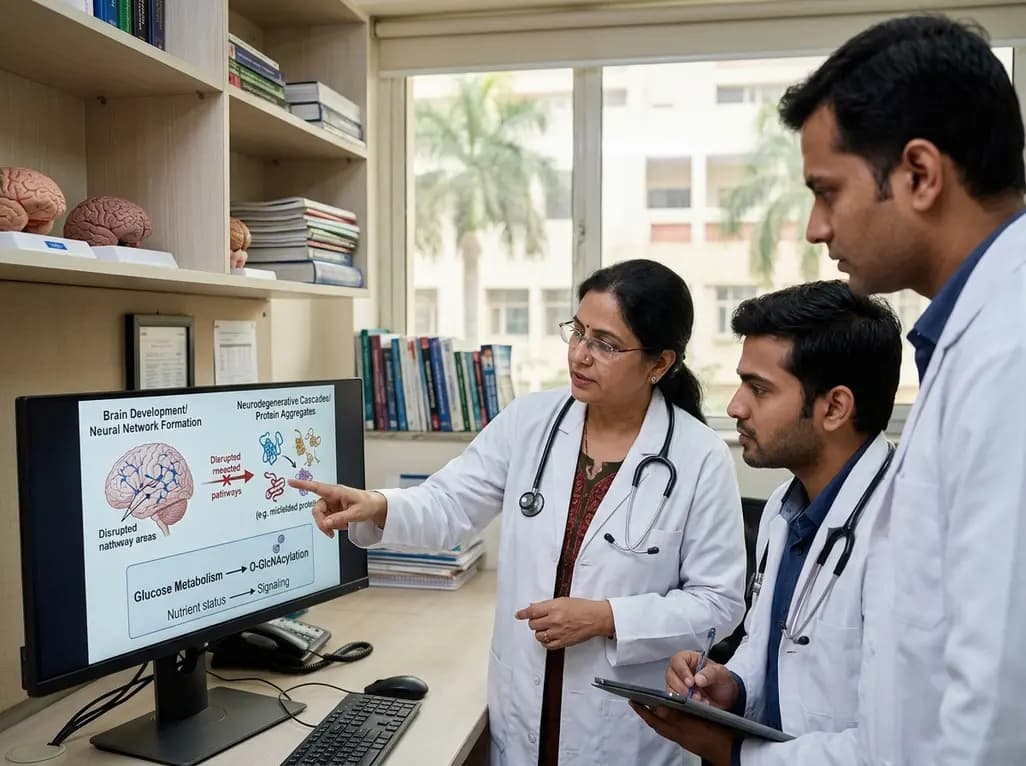
Protein O-GlcNAcylation couples cellular nutrient status to vital neuronal functions. This review explores how disrupted O-GlcNAc cycling drives both neurodevelopmental delays and neurodegenerative cascades, positioning metabolic post-translational modifications as therapeutic targets in clinical neurology.
Today
