.webp&w=384&q=75)

Loading, please wait...
Loading, please wait...

Exhaled breath analysis (EBA) represents a non-invasive frontier for real-time drug monitoring in clinical settings. Recently, researchers developed a versatile ex-vivo platform to systematically investigate how drugs move from the blood into exhaled breath. Specifically, this innovative study utilizes isolated perfused porcine lungs to validate the detection of volatile compounds. Consequently, the team focused on establishing reliable exhaled drug monitoring protocols using propofol as a validation compound.
Initially, the researchers created a functional model using lungs from commercially slaughtered pigs. Because they ventilated and perfused these organs under physiological conditions, they maintained viability for up to 13 hours. This setup allowed for precise control over blood flow, ventilation rates, and drug infusion speeds. To validate the platform, the team administered propofol and monitored its levels using a multi-capillary column-ion mobility spectrometer (MCC-IMS). Furthermore, they collected blood samples every 20 minutes to correlate plasma levels with breath concentrations.
The study results clearly demonstrated that the porcine model effectively mimics human pulmonary respiration and metabolism. Throughout the experiment, the team maintained stable hemoglobin and hematocrit levels. Additionally, metabolic activity remained consistent, as evidenced by a controlled increase in lactate levels. These findings suggest that the platform provides a reliable environment for exhaled drug monitoring research without systemic interference. Notably, this model offers a humane alternative to live animal studies for pharmacological testing.
This ex-vivo model serves as a crucial tool for identifying candidate drugs for therapeutic monitoring. Likewise, it helps clinicians understand the complex pharmacokinetics of pulmonary drug elimination. As a result, this platform could accelerate the development of breath-based diagnostic tools in intensive care and anesthesia. Moreover, the ability to maintain physiological conditions for extended periods enhances the reliability of the data collected.
It involves detecting trace amounts of drugs or their metabolites in the breath using sensitive technologies like ion mobility spectrometry. This process relies on the transfer of volatile compounds from the blood across the alveolar-capillary membrane into the airways.
Porcine lungs are anatomically and physiologically similar to human lungs. Using an ex-vivo model allows researchers to strictly control variables like blood flow and ventilation, which are difficult to manage in live human subjects.
Disclaimer: This content is for informational and educational purposes only. It does not constitute medical advice or a professional recommendation. Always consult a qualified healthcare provider for diagnosis and treatment. Refer to the latest local and national guidelines for clinical practice.
References

Read summarized clinical updates, watch expert medical content, and earn CME certifications right from your smartphone.
Open your smartphone camera to scan and install.





Researchers developed an ex-vivo porcine lung model to validate exhaled drug monitoring using propofol, offering a non-invasive method for drug analysis....
7 months ago

Explore why official drug package inserts fail to reflect modern evidence for clozapine prescribing. Learn how legal standards of care, case law, slow titration, and vital adverse event monitoring empower clinicians to prioritize evidence-based medical practice over outdated manufacturer labeling.
Today
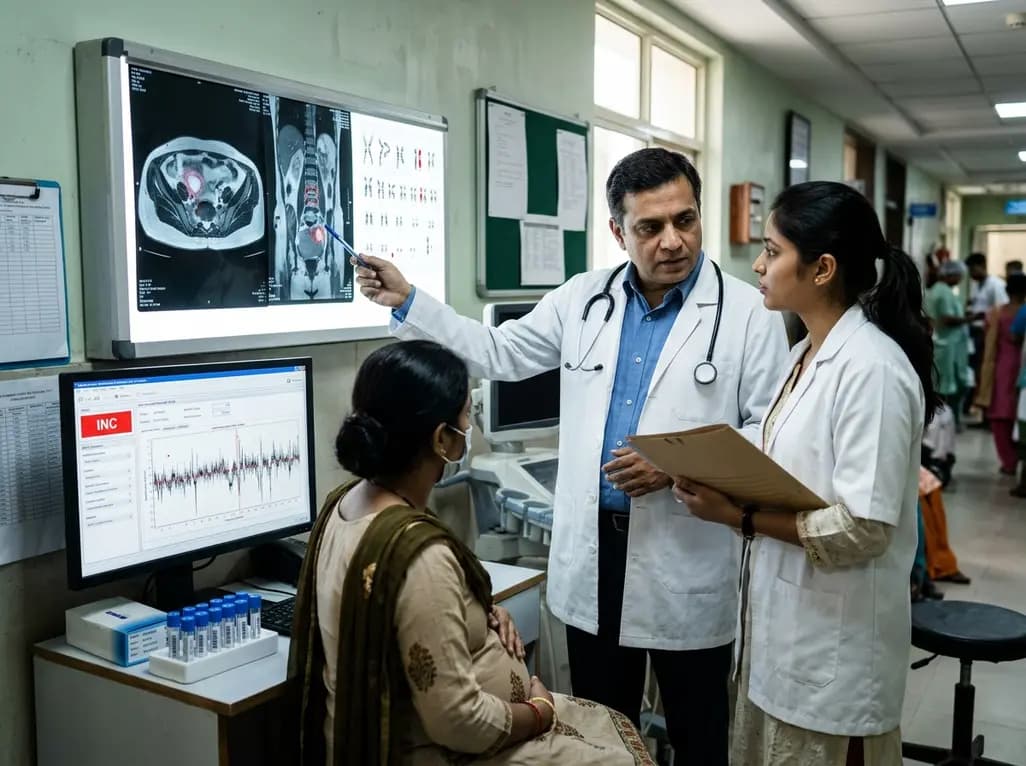
Occult maternal malignancy accounts for 3.82% of persistent unreportable NIPT results with genomic noise. Multiple chromosomal aberrations, notably on chromosome 18, warrant thorough oncological evaluation and whole-body MRI to ensure timely maternal diagnosis while preserving fetal care.
Today

This article reviews the forensic and clinical complexities of acute myocarditis arising on left ventricular hypertrophy in children, highlighting early diagnostic red flags and multidisciplinary postmortem autopsy protocols.
Today
A randomized controlled trial demonstrates that an eight-week dual-task training intervention significantly improves static and dynamic postural control over standard balance exercises in individuals with chronic ankle instability, addressing critical neurocognitive deficits during athletic and daily activities.
Today

A retrospective cohort study of 7,716 ICU patients from the MIMIC-IV database demonstrates that Gradient Boosting Decision Trees significantly outperform traditional SOFA scores in predicting in-hospital mortality among patients with sepsis and diabetes, with SHAP analysis providing clinical interpretability.
Today
