

Loading, please wait...
Loading, please wait...

India faces a complex, dual nutritional crisis characterized by persistent micronutrient deficiencies alongside escalating rates of non-communicable metabolic diseases. In response to commercial quick fixes, healthcare authorities increasingly champion evidence-based nutrition as the foundation of modern preventative and therapeutic medicine. At the ETHealthworld Nutriwell Conclave 2026, leading clinicians and public health experts emphasized that processed supplements cannot substitute for comprehensive dietary science. Consequently, medical practitioners must guide patients away from unsubstantiated nutritional fads and toward sustainable, whole-food dietary patterns. By rooting clinical recommendations in verifiable human physiology, physicians can successfully curb lifestyle-driven metabolic morbidity.
Historically, public health initiatives focused heavily on isolated nutrient deficiencies. However, clinical researchers now recognize that single-nutrient interventions often fail to resolve systemic health issues. For example, recent data from the Indian Council of Medical Research and National Institute of Nutrition indicate that iron deficiency accounts for only a modest proportion of India's anemia burden. Instead, overall dietary diversity, environmental sanitation, and varied micronutrient bioavailability determine long-term hematological health. Furthermore, relying entirely on synthetic iron salts ignores underlying systemic inflammation, chronic gut infections, and hemoglobinopathies. Therefore, medical practitioners must pivot toward holistic, food-based approaches that address multiple physiological pathways simultaneously. Whole foods deliver essential minerals, complex carbohydrates, phytonutrients, and fibers that operate synergistically within human physiology. In contrast, isolated nutraceutical formulations often lack necessary metabolic cofactors and provoke gastrointestinal intolerance. Moreover, indiscriminate supplementation fails to address chronic energy deficits and lifestyle disparities. Accordingly, modern clinical guidelines recommend diverse food plates containing seasonal vegetables, legumes, and healthy fats. Clinicians must lead this critical transition away from reductionist shortcuts to establish lasting, sustainable population wellness. Consequently, primary care teams should evaluate systemic food access and meal composition before prescribing proprietary supplements. This broader clinical perspective enables healthcare providers to treat the underlying drivers of malnutrition effectively.
Metabolic disorders, including type 2 diabetes, dyslipidemia, and cardiovascular pathology, have surged across urban and rural India alike. Notably, experts point to three interrelated catalysts: poor dietary choices, sedentary routines, and chronic psychophysiological stress. In many clinical encounters, hurried patients seek effortless solutions through over-the-counter fat burners, detox blends, or synthetic appetite suppressants. However, substantial evidence shows that such shortcuts offer zero sustainable protection against progressive metabolic deterioration. Furthermore, unregulated supplements may induce toxic hepatotoxicity and worsen renal clearance in vulnerable patients. Instead, primary care physicians must advocate for sustainable lifestyle modifications grounded in solid metabolic biology. Specifically, patients require structured guidance regarding balanced macronutrient distribution, consistent physical activity, and restorative sleep hygiene. Restorative sleep directly regulates circadian hormones, leptin, ghrelin, and morning insulin sensitivity. In addition, routine aerobic and resistance exercises stimulate peripheral glucose uptake via insulin-independent pathways. Therefore, counseling patients on daily habits yields profound long-term cardiovascular improvements that no commercial pill can replicate. Clinicians should systematically address these foundational lifestyle pillars during every routine outpatient consultation. Ultimately, physicians who prioritize lifestyle medicine empower their patients to regain metabolic control safely and permanently.
Traditional Indian culinary traditions have championed regional biodiversity and seasonal eating for thousands of years. Indeed, culinary historians remind us that historical dietary practices naturally integrated gut-friendly fermented foods, digestive herbs, and unrefined grains. Unfortunately, rapid urban modernization has replaced these time-tested traditions with convenient, highly processed, energy-dense convenience foods. Ultra-processed products frequently contain hazardous industrial emulsifiers, hidden sugars, excessive sodium, and dangerous trans fats. Consequently, the incidence of metabolic syndrome and chronic gut dysbiosis has climbed dramatically in younger demographics. Physicians and nutritionists must therefore collaborate to revitalize traditional food wisdom through rigorous contemporary nutritional science. For instance, incorporating traditional spices like turmeric, ginger, and fenugreek supplies proven anti-inflammatory and glycemic benefits without pharmaceutical adverse effects. Similarly, emphasizing traditional millets such as ragi, jowar, and bajra delivers superior glycemic control and essential dietary fiber. Furthermore, traditional food culture emphasizes the mindful enjoyment of wholesome meals, which promotes healthy digestion and psychological satiety. Clinicians should encourage patients to rediscover local seasonal produce rather than purchasing expensive imported functional health foods. Reconnecting clinical practice with cultural culinary heritage makes therapeutic dietary plans both accessible and sustainable.
Clinical nutrition remains an underutilized tool across many modern healthcare facilities in India. As hospital accreditations evolve, organizations like the National Accreditation Board for Hospitals and Healthcare Providers (NABH) emphasize institutional change. In particular, clinical standards increasingly mandate routine nutritional screening and early dietary intervention for all hospitalized patients. Disease-related malnutrition frequently goes undetected during hospital admissions, directly contributing to delayed wound healing, infectious complications, and prolonged lengths of stay. Therefore, medical institutions must establish collaborative multidisciplinary care teams uniting attending doctors, clinical dietitians, and dedicated nursing staff. Dietitians possess the specialized expertise to quantify precise caloric requirements, manage enteral feeding, and adjust micronutrient balances. Meanwhile, bedside nurses can quickly identify reduced oral intake and alert the medical team before acute catabolism develops. Furthermore, this collaborative approach must extend beyond inpatient discharge into ongoing outpatient chronic disease management. When primary care physicians seamlessly integrate nutritional counseling into outpatient clinics, patient adherence to medical therapies improves markedly. Hospital administrators should accordingly invest in structured nutritional protocols that standardize screening, monitoring, and proactive dietary support. Consequently, systematic nutritional integration elevates patient safety benchmarks and significantly reduces healthcare costs. Medical institutions must treat clinical nutrition not as an optional service, but as an indispensable pillar of patient recovery.
The exponential expansion of India's commercial nutraceutical and dietary supplement sector requires rigorous regulatory oversight. Unscrupulous manufacturers frequently exploit digital platforms to circulate exaggerated health claims, misleading anxious consumers into inappropriate self-medication. To combat this public health menace, the Food Safety and Standards Authority of India (FSSAI) has initiated aggressive enforcement measures. Most notably, regulatory authorities are introducing mandatory front-of-pack nutrition labeling to inform buyers immediately at the point of purchase. Front-of-pack labels utilize clear warning graphics to highlight excessive total sugars, saturated fats, and sodium content. In addition, regulators strictly demand that all advertised wellness claims possess robust, peer-reviewed clinical validation. Food business operators can no longer mislead the public with ambiguous promises of immunity boosting or instant detoxification. Medical practitioners play a vital frontline role in reinforcing these regulatory safeguards during daily clinical interactions. Specifically, doctors must instruct patients on deciphering nutrition facts panels and identifying deceptive marketing terminology. Moreover, clinicians should report suspicious product claims or adverse supplement reactions directly to regulatory authorities. Enforcing transparency protects vulnerable patients and restores ethical accountability to the national wellness marketplace.
Digital misinformation represents one of the greatest obstacles to modern public health management in India. Patients frequently consume algorithmic social media content that promotes restrictive diets, unproven detox regimes, and high-dose vitamin megadoses. Consequently, individuals often discontinue evidence-based pharmacotherapy in favor of unregulated, commercially hyped remedies. Clinicians must actively counteract this digital noise by cultivating strong health and nutrition literacy within their clinical communities. For example, physicians should dedicate time during routine consultations to dispel popular misconceptions regarding dietary supplements and rapid weight loss. Furthermore, medical practitioners can harness digital communication channels to disseminate scientifically validated nutrition guidance to wider audiences. When explaining dietary concepts, doctors should prioritize simple, culturally resonant language rather than complex clinical terminology. In addition, patient education materials should clearly highlight that no synthetic supplement can overcome a fundamentally disordered lifestyle. By promoting critical thinking, healthcare providers empower patients to evaluate commercial nutritional assertions skeptically and responsibly. Ultimately, transparent clinical communication bridges the gap between scientific consensus and everyday consumer behaviors. Therefore, physician-led education serves as the strongest defense against widespread health fraud and exploitation. Through proactive guidance, healthcare professionals safeguard community health from misleading digital marketing tactics.
Q1: Why is iron supplementation alone insufficient to eliminate anemia in India?
ICMR-NIN research indicates that iron deficiency accounts for only a modest fraction of India's anemia burden. In many individuals, systemic chronic inflammation, subclinical gut infections, and hemoglobinopathies directly suppress hemoglobin production. Furthermore, deficiencies in folate, vitamin B12, and dietary protein impair erythropoiesis. Clinicians must therefore champion overall dietary diversity, improve sanitation, and resolve chronic inflammatory conditions rather than prescribing iron pills alone.
Q2: What hazards do excessive protein powders and unverified supplements pose?
Excessive protein powders and unregulated dietary supplements frequently burden renal clearance mechanisms and trigger metabolic dehydration. Furthermore, poor manufacturing oversight often exposes patients to undisclosed stimulants, synthetic steroids, and toxic heavy metals. Because these formulations evade rigorous pharmaceutical scrutiny, they may induce acute hepatotoxicity and persistent gastrointestinal distress. Physicians should therefore advise patients to obtain essential amino acids through balanced meals like lentils, nuts, and dairy.
Q3: How does front-of-pack nutrition labeling support primary preventative medicine?
Front-of-pack nutrition labeling translates complex back-of-pack nutrient lists into immediate, prominent visual warnings for high sugar, salt, and saturated fat levels. Consequently, consumers can make informed, heart-healthy decisions without requiring specialized clinical literacy. For primary care doctors, these standardized regulatory warnings offer an objective tool for nutritional counseling. By teaching patients to interpret warning graphics, clinicians foster healthier grocery choices that prevent chronic metabolic diseases.
Disclaimer: This content is for informational and educational purposes only. It does not constitute medical advice or replace professional judgment. Refer to the latest local and national guidelines for clinical practice.
References

Read summarized clinical updates, watch expert medical content, and earn CME certifications right from your smartphone.
Open your smartphone camera to scan and install.





Indian healthcare leaders urge a critical shift from unregulated dietary supplements to food-first clinical strategies. Learn how evidence-based dietary diversity, early inpatient screening, and robust regulatory labelling tackle the dual burden of malnutrition and chronic metabolic disorders.
Today

A qualitative study highlights the unaddressed emotional hurdles and role uncertainty faced by men during the transition to fatherhood, calling for father-inclusive perinatal care and tailored digital health support.
Today

In a landmark public health ruling, the Supreme Court ordered the FSSAI to finalize strict front-of-pack warning rules within four months. Food companies must adopt separate red hexagonal symbols for high sugar, saturated fat, and salt within one year, advancing preventive medicine and patient dietary awareness.
Today

A real-world cross-sectional study in Thailand reveals that a web-based bone health self-assessment tool effectively captured clinical risk profiles, prompting DXA recommendations in 37% of users—over half of whom were below standard screening ages due to non-age clinical vulnerabilities.
Today
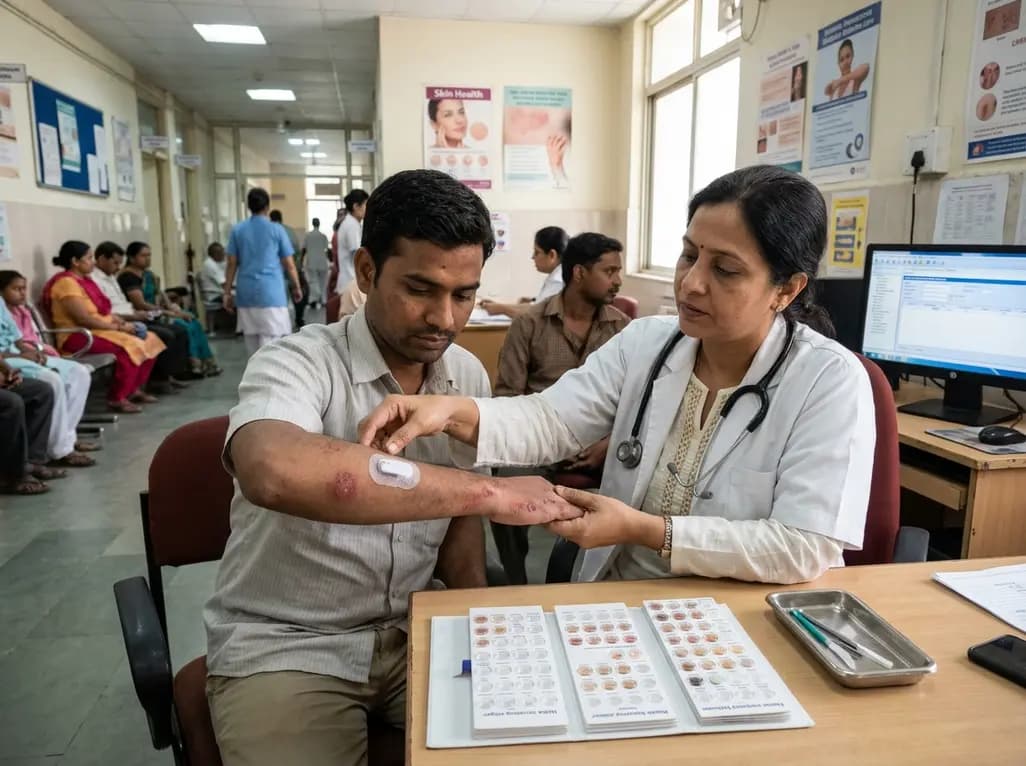
A study of 955 patients reveals that HEMA screening misses 39% of (meth)acrylate allergies, including 88% of cases linked to diabetes devices. Dermatologists must implement exposure-tailored patch test panels to accurately diagnose cosmetic and medical adhesive contact dermatitis.
Today
