.webp&w=384&q=75)

Loading, please wait...
Loading, please wait...

Glioblastoma remains one of the most aggressive and challenging primary brain cancers encountered in neuro-oncology. A major clinical factor influencing disease progression is tumor anatomical location, particularly its proximity to neurogenic stem cell niches. Recent clinical research evaluating ependymal glioblastoma survival demonstrates that tumors contacting the ependymal lining of the lateral ventricles carry a significantly worse prognosis compared to non-contacting lesions. The subventricular zone contains neural stem cells that foster enhanced tumor migration, self-renewal, and therapeutic resistance. Understanding these anatomical and biological relationships provides crucial insights for patient risk stratification and surgical planning.
In a retrospective study of 170 patients with newly diagnosed glioblastoma, investigators systematically evaluated how tumor engagement with the ventricular ependyma impacts overall clinical survival. The patient cohort presented with a mean age of 61 years, with temporal, frontal, and parietal lobes representing the most frequent primary sites. Patients whose tumors contacted the ependyma experienced a markedly reduced mean overall survival of 11.9 months, compared to 17.4 months in non-contacting cases. On multivariable analysis, ependymal involvement remained an independent predictor of decreased overall survival, emphasizing its prognostic significance in routine clinical management.
Achieving maximal safe surgical resection is a cornerstone of glioblastoma treatment, yet anatomical location heavily dictates surgical feasibility. Tumors invading or contacting the ependymal lining pose substantial surgical challenges due to their intimate proximity to deep ventricular structures. Surgical teams must balance cytoreduction against the risk of inducing severe neurological deficits or opening ventricular cavities, which can increase the risk of leptomeningeal seeding.
Data from the cohort study revealed striking disparities in surgical outcomes based on ependymal engagement. Gross total resection was achieved in 40% of non-contacting tumors, whereas only 20% of ependyma-contacting tumors underwent complete gross removal. Overall, subtotal resection was performed in 48% of cases, while biopsy alone accounted for 19%. Because extensive surgical cytoreduction strongly correlates with prolonged patient survival, the technical challenges inherent in operating near the lateral ventricles directly contribute to poorer clinical outcomes. Consequently, neurosurgeons must carefully weigh surgical risks while utilizing advanced intraoperative navigation and imaging to maximize safe resection boundaries.
Molecular profiling has transformed neuro-oncological practice by providing vital diagnostic and predictive information. Among key molecular alterations, O6-methylguanine-DNA methyltransferase promoter methylation represents a pivotal biomarker predicting responsiveness to temozolomide chemotherapy. Researchers sought to determine whether specific molecular patterns correlate directly with ependymal invasion or tumor proximity to subventricular stem cell zones.
Analysis of the patient cohort indicated that the MGMT promoter was unmethylated in 64% of cases. Statistical evaluations revealed no significant association between MGMT methylation status and ependymal contact or tumor epicenter distance. This finding indicates that the adverse prognostic impact of ependymal invasion operates independently of traditional MGMT-mediated chemoresistance mechanisms. Therefore, while molecular biomarkers remain essential for guiding chemotherapy regimens, anatomical interaction with neurogenic niches serves as an independent prognostic parameter that clinicians must integrate into comprehensive risk assessment models.
The subventricular zone lining the lateral ventricles is the primary neurogenic niche in the adult human brain, hosting neural stem cells capable of self-renewal and multipotent differentiation. When glioblastoma cells infiltrate this specialized microenvironment, complex reciprocal signaling occurs between tumor cells and local stromal elements. Chemokine signaling cascades, including CXCL12/CXCR4 pathways, facilitate active migration toward the subventricular zone, creating a supportive sanctuary for aggressive tumor subpopulations.
Furthermore, glioma stem-like cells residing within the neurogenic niche display heightened resistance to ionizing radiation and cytotoxic chemotherapy. Interaction with extracellular matrix components and growth factors localized near the ependyma promotes tumor cell survival and accelerates local recurrence. The persistent biological crosstalk between neoplastic cells and endogenous neural stem cells drives rapid disease progression. Understanding these physiological dynamics explains why ependymal contact leads to shorter overall survival times and highlights the need for targeted therapies disrupting the subventricular microenvironment.
The clear association between ependymal engagement and reduced overall survival highlights the necessity of early multidisciplinary management. Neuro-oncology tumor boards must incorporate high-resolution magnetic resonance imaging features, specifically tracking ventricular contact and subventricular zone involvement, into routine pretreatment planning. Recognizing high-risk anatomical features allows clinical teams to tailor postoperative surveillance schedules and consider aggressive adjuvant treatment strategies early in disease management.
Managing patients with ependymal-contacting glioblastoma requires close coordination among neurosurgeons, radiation oncologists, and medical oncologists. Radiation therapy planning may necessitate precise dose sculpting around neurogenic niches, balancing tumor control against potential neurocognitive toxicity. Concurrently, clinicians must monitor patients closely for subependymal dissemination or obstructive hydrocephalus, which occur more frequently when tumors abut the ventricular system. Implementing comprehensive supportive care and individualized surveillance protocols enables multidisciplinary teams to address the complex clinical challenges presented by periventricular glioblastoma invasion.
Incorporating anatomical criteria alongside classical histological and molecular parameters marks a crucial advancement in glioblastoma prognostic modeling. Historically, clinical trial stratification relied heavily on patient age, functional performance status, and MGMT methylation status. Emerging evidence strongly supports integrating ependymal contact as a key clinical variable for risk stratification in upcoming therapeutic trials and routine neuro-oncological evaluations.
Future therapeutic strategies must focus on developing novel molecular interventions targeting specific signaling axes active within the subventricular niche. Additionally, innovative surgical approaches, including fluorescence-guided resection and localized drug delivery systems, may help improve cytoreduction rates near sensitive ventricular boundaries. By bridging advanced neuroimaging, molecular profiling, and targeted microenvironmental therapies, the neuro-oncology community can work toward improving survival outcomes for patients facing this aggressive anatomical variant of glioblastoma.
Ependymal contact significantly worsens glioblastoma prognosis by reducing mean overall survival from 17.4 months in non-contacting tumors to 11.9 months. Tumors involving the ependyma interact with neurogenic stem cell niches, promoting aggressive cell migration, increased treatment resistance, lower complete surgical resection rates, and higher risk of disease recurrence.
Current clinical research indicates no significant association between MGMT promoter methylation status and ependymal contact or tumor distance from the ventricle. Ependymal invasion acts as an independent prognostic factor, meaning its negative impact on overall survival occurs regardless of whether the MGMT promoter is methylated or unmethylated.
Gross total resection is lower in ependymal-contacting tumors due to their proximity to critical ventricular structures and deep brain tissue. Operating near the lateral ventricles increases the surgical risk of causing severe neurological deficits or intraventricular tumor dissemination, leading surgeons to perform subtotal resections or biopsies more frequently.
Disclaimer: This content is for informational and educational purposes only and does not constitute medical advice, diagnosis, or treatment. Always consult a qualified healthcare provider regarding medical conditions or clinical decisions. Refer to the latest local and national guidelines for clinical practice.
References
Chaudhary A et al. Glioblastoma invasion of neural stem cell regions; molecular patterns and survival rates. Neurosurg Rev. 2026 Jun 16. doi: 10.1007/s10143-026-04365-z. PMID: 42298219.
Lim DA et al. Relationship of glioblastoma multiforme to neural stem cell regions and its impact on patient survival. Neuro Oncol. 2007;9(4):424-429.
Adeberg S et al. Impact of subventricular zone involvement on survival and recurrence patterns in glioblastoma. J Neurooncol. 2014;117(2):331-337.

Read summarized clinical updates, watch expert medical content, and earn CME certifications right from your smartphone.
Open your smartphone camera to scan and install.





A study of 170 patients reveals that glioblastoma contact with the ependyma significantly reduces overall survival compared to non-contacting tumors.
2 months ago

Failing to account for competing events like mortality in longitudinal geriatric studies produces biased risk estimates and misleading inferences. This review highlights key methodological principles, insights from the Precipitating Events Project, and practical approaches for clinical research appraisal.
Today

A study in JAMIA Open shows lightweight open-source reasoning LLMs achieve up to 95% sensitivity and accelerate evidence synthesis screening by nearly twentyfold, presenting a cost-effective, scalable AI solution for biomedical research and systematic reviews.
Today
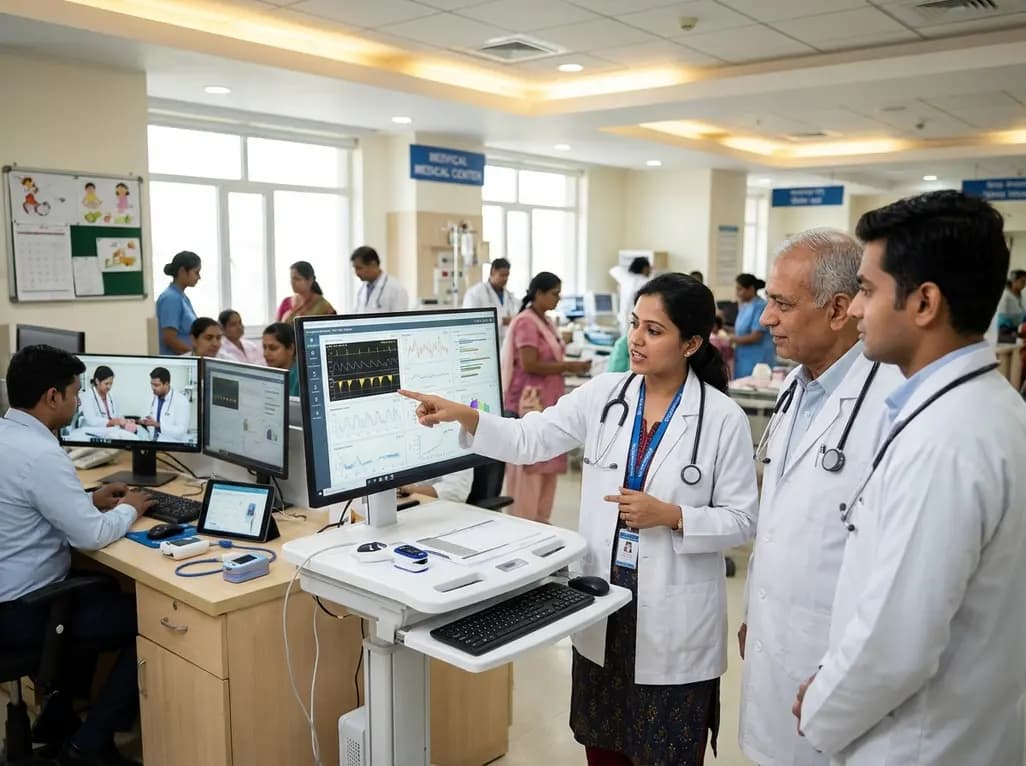
A landmark study details how an enterprise pediatric remote patient management model expanded from a single cardiology pilot to 16 diverse specialty programs by combining centralized digital operations with specialty clinical leadership.
Today
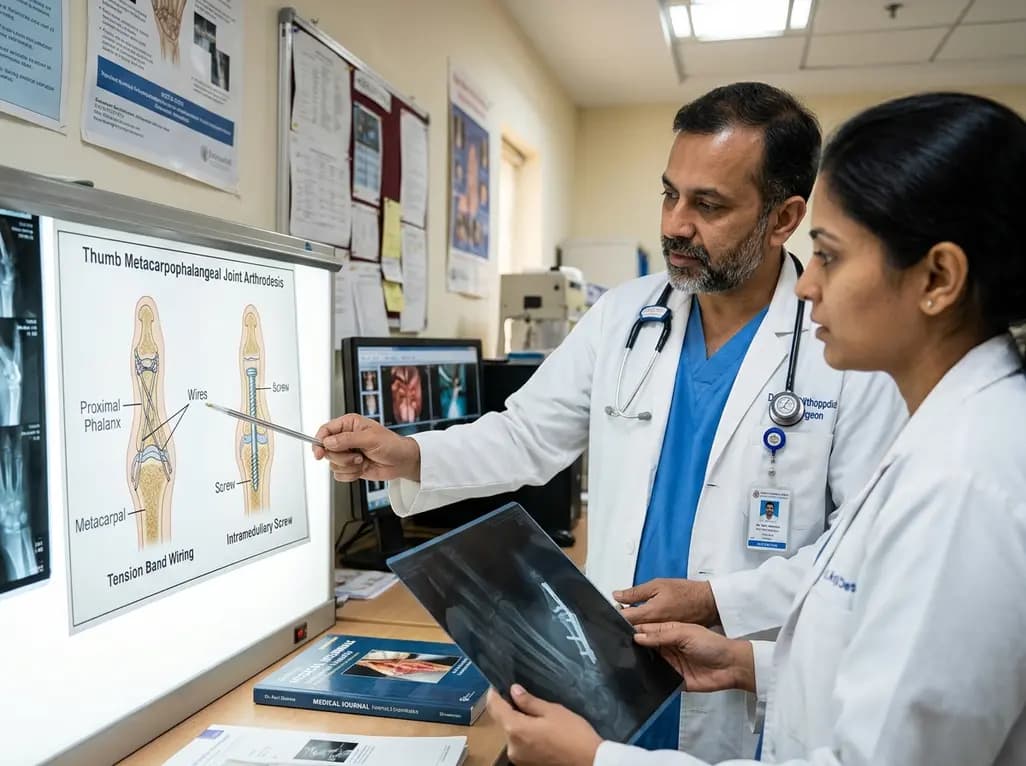
A comparative review of tension band wiring and intramedullary screw fixation in thumb metacarpophalangeal arthrodesis, evaluating union rates, hardware complications, and clinical outcomes.
Yesterday

A breakthrough ultrathin multimodal sensor decouples physical hemodynamic monitoring from disposable electrochemical calibration, achieving long-term wearable glucose prediction with 81.36% accuracy and a 9.12% MARD. This offers a robust, drift-free solution for outpatient metabolic surveillance.
Today
