

Loading, please wait...
Loading, please wait...

Sjögren's disease is a chronic systemic autoimmune disorder that primarily impairs exocrine glandular function, causing xerostomia and keratoconjunctivitis sicca. Beyond ocular and oral dryness, affected individuals frequently endure debilitating fatigue, musculoskeletal pain, and systemic extraglandular involvement. Consequently, patients experience substantial functional impairment and degraded quality of life. Despite these profound clinical consequences, researchers have historically underappreciated the true economic burden of Sjögren's disease. Recent findings from a comprehensive global systematic literature review demonstrate that this condition generates enormous financial strain across healthcare systems and household budgets.
The systematic literature review synthesized evidence across 49 unique studies to evaluate healthcare resource utilization and medical expenditures. Consequently, investigators established that direct healthcare costs for individuals with Sjögren's disease are 1.6 to 3.1 times higher than costs for individuals without the disorder. Frequent hospital admissions, repeated emergency department visits, and regular specialist consultations drive these elevated expenditures. In addition, patients require routine visits to rheumatologists, ophthalmologists, and primary care physicians to manage complex systemic features. Inpatient length of stay also increases substantially among patients who experience acute disease flares. Moreover, complex diagnostic pathways and ongoing surveillance contribute significantly to cumulative medical bills. These findings confirm that managing chronic autoimmune inflammation demands significant ongoing financial investment from clinical systems.
Direct costs escalate further when systemic complications emerge during the disease trajectory. Specifically, extraglandular manifestations such as interstitial lung disease, renal tubular acidosis, and vasculitis dramatically amplify resource utilization. Patients suffering from lung or kidney involvement incur medical expenses up to three times greater than those with isolated glandular sicca symptoms. Furthermore, active systemic disease requires advanced diagnostic imaging, repeated pulmonary function testing, and aggressive immunomodulatory therapies. Systemic flares frequently precipitate unscheduled emergency care and prolonged hospitalizations. Therefore, early detection of visceral organ involvement remains vital for cost containment. Multidisciplinary collaboration among rheumatologists, pulmonologists, and internists can prevent catastrophic clinical decompensation while mitigating excessive healthcare resource consumption.
Exocrine glandular hypofunction severely reduces salivary flow, which eliminates essential antimicrobial and buffering defenses in the oral cavity. As a result, patients experience accelerated dental caries, recurrent oral candidiasis, and premature tooth loss. The systematic review identified dental care as a distinct, disproportionately high direct cost driver in this population. Unlike routine preventive checkups, patients with Sjögren's disease require repeated restorative procedures, endodontic treatments, and expensive prosthodontic reconstructions. Furthermore, general medical insurance often fails to cover comprehensive oral rehabilitations adequately. Patients therefore shoulder heavy out-of-pocket expenses for specialized topical fluorides, remineralizing rinses, and saliva substitutes. Clinicians must recognize oral health maintenance as an essential medical intervention rather than a cosmetic luxury.
In addition to direct medical fees, indirect societal costs represent a critical component of the overall economic equation. The review revealed that indirect costs are approximately two times higher for individuals with Sjögren's disease than for matched healthy controls. Persistent chronic fatigue and cognitive dysfunction impair professional performance substantially. Specifically, studies reported activity impairment rates between 27% and 61%, while overall work impairment ranged from 26% to 38%. Furthermore, presenteeism accounts for the largest share of lost workplace productivity, ranging from 21% to 35%. Absenteeism also contributes significantly, with affected workers missing notable workdays each month. Ultimately, many individuals face career disruptions, reduced working hours, or early disability retirement, which heavily diminishes long-term household earning capacity.
Qualitative findings from patient focus groups highlighted substantial hidden expenses that standard administrative databases regularly fail to capture. Focus group participants reported significant expenditures on over-the-counter artificial tears, nighttime ophthalmic ointments, oral lubricants, and specialized nutritional diets. Moreover, severe daily exhaustion frequently obligates families to hire external domestic help or rely on informal caregiving networks. Many individuals experience intense financial distress, which forces them to draw upon personal savings or community assistance. These qualitative insights emphasize that formal medical claims data capture only a fraction of the actual personal burden. Accordingly, comprehensive health policies must address out-of-pocket subsidies, disability accommodation, and holistic supportive services to ease this cumulative strain.
Direct healthcare costs are substantially elevated because patients require frequent specialist consultations, repetitive diagnostic investigations, and specialized prescription therapies. Additionally, patients experience increased emergency department visits and inpatient hospitalizations due to acute systemic complications. Advanced dental interventions to manage aggressive tooth decay and manage accelerated caries further multiply cumulative medical expenses across outpatient settings.
Sjögren's disease diminishes occupational productivity primarily through persistent fatigue, chronic joint pain, and cognitive symptoms. Studies indicate that presenteeism, where employees work while functionally impaired, reduces output by up to 35%. Furthermore, absenteeism and early retirement remain common, leading to substantial societal losses and personal wage reductions over the patient's career.
Dental expenses are particularly burdensome because severe salivary gland hypofunction depletes protective saliva, triggering rampant dental decay and oral infections. Patients frequently require continuous restorative fillings, root canals, and prosthetic crowns. Because standard health insurance policies often exclude comprehensive dental coverage, patients must absorb high out-of-pocket costs for specialized oral care products and procedures.
Disclaimer: This content is for informational and educational purposes only... Refer to the latest local and national guidelines for clinical practice.
References
Sandorfi N et al. A Systematic Literature Review on the Economic Burden of Sjögren's Disease. Pharmacoeconomics. 2026 Nov 02. doi: 10.1007/s40273-026-01661-w. PMID: 42970028.
Bowman SJ, et al. Spotlight on Sjögren's: a patient perspective on burden of illness and unmet needs – results from a real-world survey. RMD Open. 2026;12(1):e003591.
Cornec D, et al. Estimated prevalence, incidence and healthcare costs of Sjögren's syndrome: a national claims-based study. RMD Open. 2024;10(1):e003591.

Read summarized clinical updates, watch expert medical content, and earn CME certifications right from your smartphone.
Open your smartphone camera to scan and install.





A comprehensive systematic literature review reveals that Sjögren's disease imposes a substantial economic burden. Direct medical expenditures are up to 3.1 times higher and indirect productivity costs double compared to non-affected individuals, driven by hospitalizations, dental needs, and severe fatigue.
Today
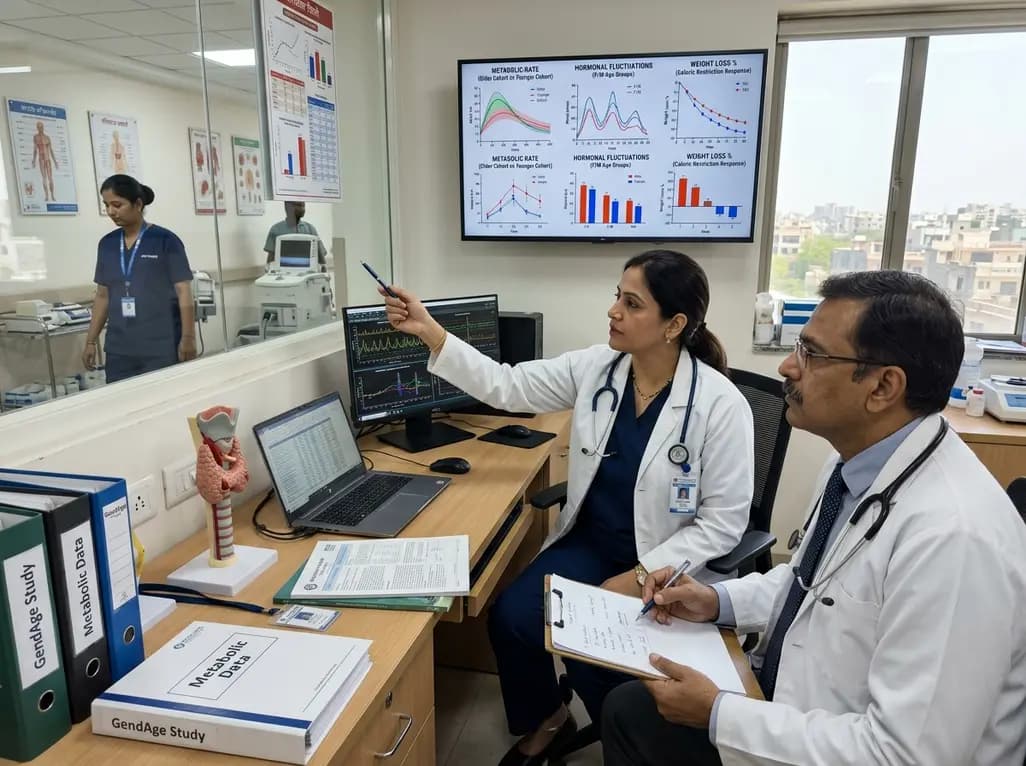
The GendAge weight loss study investigates how sex hormones, age, and menopausal status modulate caloric restriction response. By comparing metabolic adaptations across younger and older cohorts, this controlled feeding trial aims to refine precision dietary guidance for effective obesity management.
Today
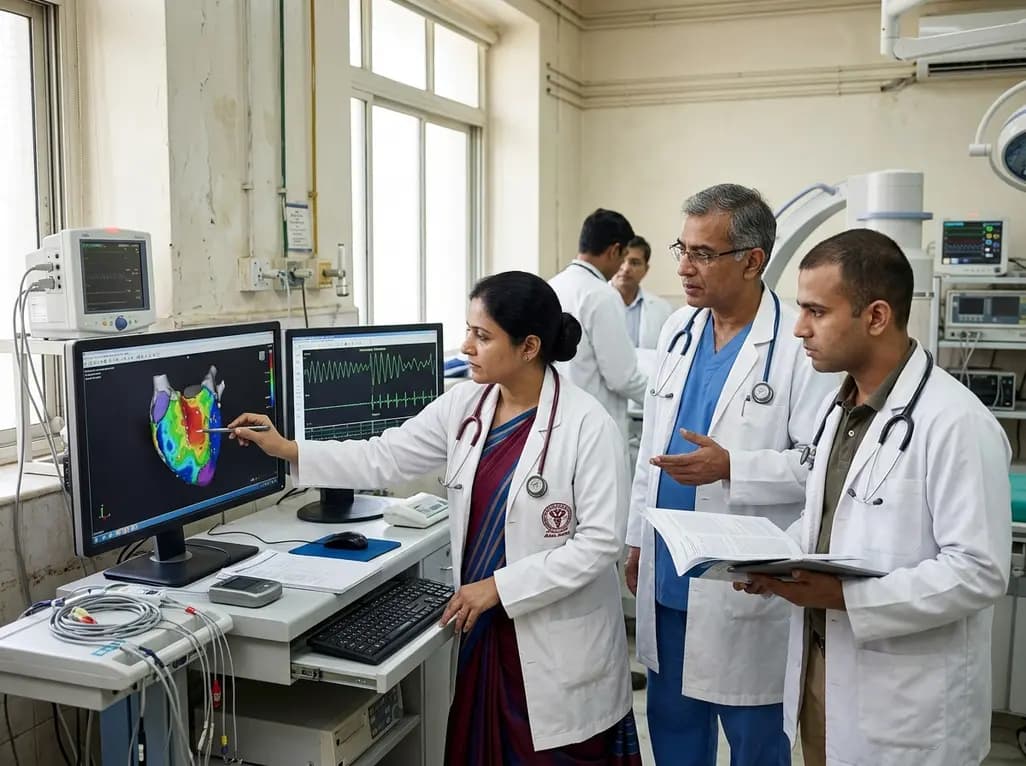
New translational research reveals how pacing site locations and short-term cardiac memory shape ventricular electrophysiology, offering fresh insights into the mechanisms sustaining lethal ventricular fibrillation and sudden cardiac death.
Today
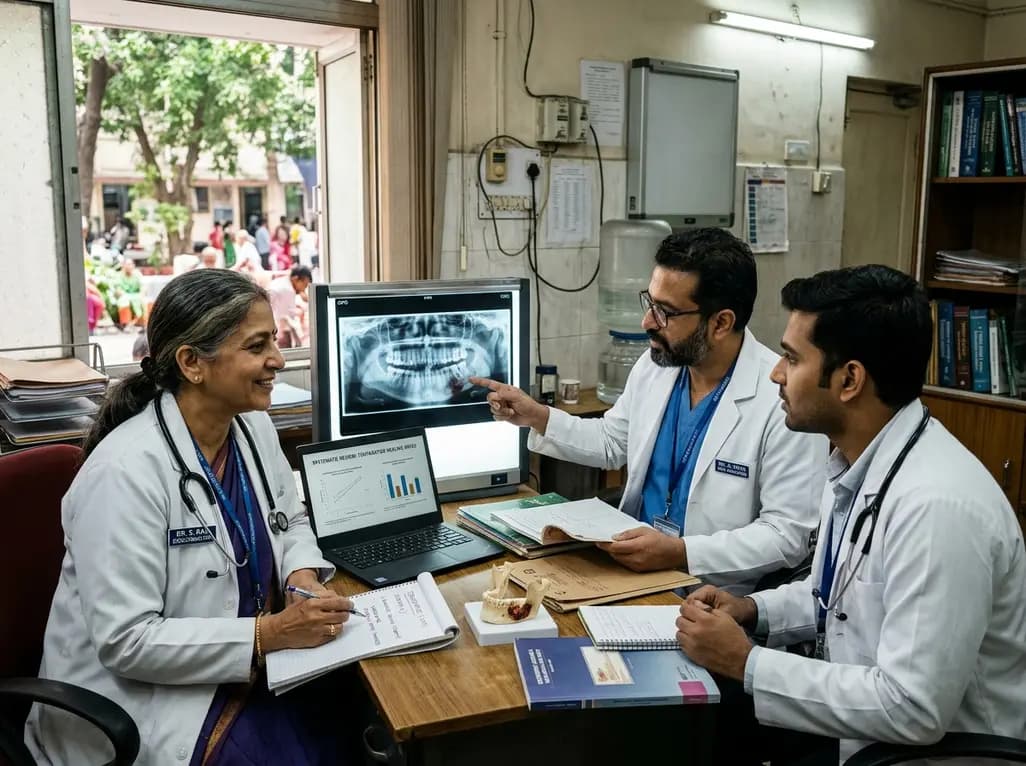
A systematic review demonstrates that teriparatide significantly improves healing in medication-related osteonecrosis of the jaw (MRONJ), especially when combined with surgical and non-surgical therapies. This review explores clinical evidence, biological mechanisms, and treatment protocols for clinicians.
Today
A Japanese cross-sectional survey compared caregiver experiences with daily and weekly growth hormone injections for pediatric GHD. Caregivers on daily regimens had a fivefold higher likelihood of wanting to change injection frequency, highlighting the clinical value of discussing long-acting options.
Today
