.webp&w=384&q=75)

Loading, please wait...
Loading, please wait...
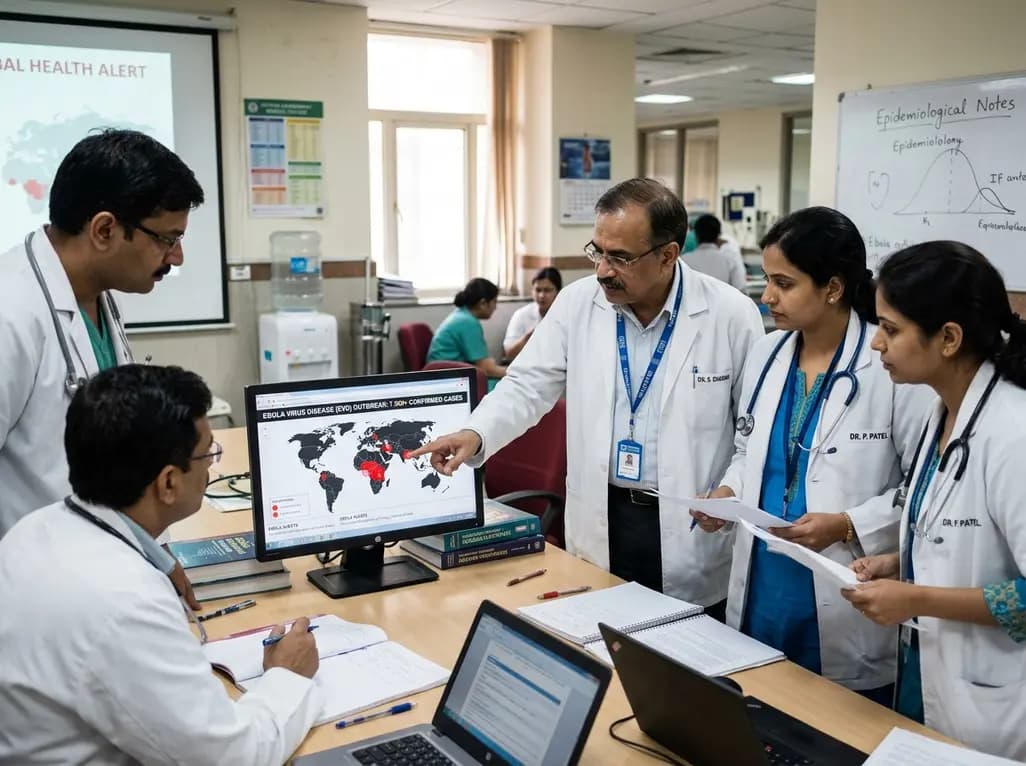
The evolving Ebola outbreak in Congo has reached a grave epidemiological milestone as cumulative cases surpass 7,000. Recently, public health authorities reported transmission extending into South Ubangi province, far from the original epicenter. This rapid geographic expansion highlights significant systemic vulnerabilities in global biosecurity. Therefore, medical professionals worldwide must understand the transmission dynamics, diagnostic challenges, and clinical protocols associated with this resurgence. Moreover, clinicians must maintain heightened awareness regarding international travel patterns to identify potential imported infections promptly.
The ongoing crisis marks the deadliest filovirus event in the nation's history, eclipsing previous regional epidemics. Official surveillance data confirm over 7,022 infections and 3,398 deaths across seven provinces. Notably, genomic sequencing identifies the Bundibugyo species of ebolavirus as the causative pathogen. This specific virus previously caused smaller, isolated outbreaks in East Africa. However, sustained human-to-human transmission has now driven unprecedented case counts in Central Africa. The recent detection of an index fatality in South Ubangi underscores severe containment barriers. Specifically, the deceased patient traveled from South Kivu across international borders before succumbing to the illness. Consequently, public health teams face massive logistical hurdles in contact tracing across vast forested terrains. In addition, critical resource shortages exacerbate the bottleneck in local response capabilities. Frontline clinics lack sufficient trained epidemiologists, rapid testing kits, and operational funding. Furthermore, regional insecurity and population displacement severely hinder traditional containment strategies. International agencies warn that uncontrolled viral spread threatens neighboring nations, including the Republic of Congo and the Central African Republic. Therefore, hospital networks must maintain strict vigilance regarding travelers arriving from endemic territories.
Bundibugyo ebolavirus belongs to the family Filoviridae and represents a single-stranded RNA virus. Historically, this species demonstrated case fatality rates between thirty and fifty percent. This lethality remains slightly lower than Zaire ebolavirus yet causes catastrophic systemic disease. The pathogen gains cellular entry through pinocytosis after binding host surface glycoproteins. Subsequently, the virus replicates aggressively within macrophages, monocytes, and dendritic cells. This tropism initiates massive systemic inflammation by releasing pro-inflammatory cytokines. Consequently, patients develop severe endothelial dysfunction, leading to systemic capillary leakage and microvascular compromise. Furthermore, impaired dendritic cell function cripples the host adaptive immune response early during infection. As vascular permeability escalates, severe intravascular volume depletion precipitates multi-organ failure. Notably, hepatic necrosis reduces coagulation factor synthesis, accelerating systemic coagulopathy. Disseminated intravascular coagulation often ensues, manifesting as petechiae, ecchymoses, and mucosal hemorrhages. Moreover, profound gastrointestinal losses cause life-threatening electrolyte disturbances and metabolic acidosis. Renal hypoperfusion rapidly progresses to acute tubular necrosis without prompt fluid intervention. In addition, early cardiac involvement produces refractory hypotension that complicates standard fluid resuscitation protocols. Therefore, clinicians must grasp these underlying mechanisms to deliver aggressive, targeted supportive resuscitation during early presentation. Consequently, intensive hemodynamic monitoring remains critical to prevent irreversible ischemic shock and cardiovascular collapse.
The incubation period for Bundibugyo ebolavirus ranges between two and twenty-one days, averaging eight to ten days. Initially, infected individuals present with non-specific, flu-like symptoms that complicate early differential diagnosis. Patients commonly report sudden high fever, profound fatigue, myalgias, arthralgias, and severe headache. In tropical and endemic regions, physicians frequently mistake these initial signs for malaria, typhoid, or dengue fever. However, gastrointestinal symptoms typically emerge on day three or four of illness. Patients experience persistent watery diarrhea, severe nausea, intractable vomiting, and cramping abdominal pain. Consequently, rapid dehydration and severe hypokalemia develop within forty-eight hours. As the disease advances, clinicians may observe maculopapular rash, conjunctival injection, and spontaneous bleeding. Specifically, epistaxis, hematemesis, melena, and oozing from venipuncture sites indicate late-stage hemorrhagic diathesis. Therefore, healthcare triage teams must maintain high clinical suspicion for any febrile traveler. Real-time reverse transcription polymerase chain reaction serves as the diagnostic gold standard. However, viral loads may fall below detection limits during the first seventy-two hours of fever. Accordingly, clinicians must repeat molecular testing if clinical suspicion persists despite an initial negative result. In addition, automated hematology analyzers typically demonstrate marked leukopenia, severe thrombocytopenia, and elevated transaminases. Furthermore, clinicians should perform point-of-care malaria rapid diagnostic tests simultaneously to exclude common co-infections safely.
Currently, regulatory authorities have approved no monoclonal antibodies or targeted antiviral therapies specifically for Bundibugyo ebolavirus. Monoclonal treatments like ansuvimab and REGN-EB3 demonstrate efficacy only against Zaire ebolavirus. Similarly, licensed vaccines such as Ervebo do not confer proven cross-protection against the Bundibugyo species. Consequently, person-centered, high-quality supportive care remains the sole therapeutic cornerstone. Clinicians must prioritize rapid, volume-matched fluid resuscitation to counteract massive gastrointestinal losses. Early aggressive oral rehydration therapy benefits alert patients who can tolerate enteral fluids. However, severe vomiting or shock mandates prompt, monitored intravenous crystalloid administration. Furthermore, healthcare teams must perform frequent electrolyte testing to correct hypokalemia, hypomagnesemia, and metabolic acidosis. In refractory distributive shock, physicians should administer early vasoactive infusions, preferably norepinephrine, through secure access. Additionally, empiric broad-spectrum antibiotics protect patients against enteric bacterial translocation caused by damaged bowel mucosa. Clinicians should also administer antiemetics and analgesics to enhance patient comfort and dignity. Notably, recent World Health Organization guidelines emphasize systematic bedside laboratory monitoring to adjust organ-supportive therapies in real time. Consequently, health authorities prioritize rapid community containment measures alongside dedicated clinical triage to minimize preventable deaths. Ultimately, prompt supportive resuscitation drastically reduces mortality, even during expansive viral outbreaks. In addition, clinical trials evaluating candidate vaccines remain urgent priorities across endemic zones.
Healthcare transmission represents a major driver of viral amplification during filovirus emergencies. Because the virus spreads through direct contact with infectious body fluids, hospitals must establish strict isolation units. Standard precautions alone prove insufficient against hemorrhagic fevers. Therefore, facilities must implement enhanced contact and droplet precautions immediately upon suspecting a case. Frontline healthcare workers must wear full personal protective equipment before entering patient isolation zones. This protective ensemble includes fluid-resistant coveralls, double gloving, waterproof aprons, N95 respirators, and full eye shields. Furthermore, dedicated monitors must oversee the donning and doffing process to eliminate self-contamination risks. Environmental surfaces demand frequent disinfection using hospital-grade sodium hypochlorite solutions. In addition, safe waste disposal protocols prevent indirect transmission to municipal sanitarians. Beyond hospital walls, global travel patterns increase importation risks for healthcare systems internationally. Therefore, emergency departments globally, including in India, should integrate travel screenings into routine triage. Clinicians must promptly isolate any febrile patient reporting travel to Central Africa within the prior three weeks. Moreover, early notification of national public health authorities guarantees rapid diagnostic coordination and protects healthcare facilities. In addition, routine simulation drills enhance staff confidence and reinforce critical infection control competencies across clinical teams. Ultimately, uncompromising infection prevention safeguards healthcare personnel while containing dangerous viral transmission.
Q1: Why has the current Ebola outbreak in Congo reached unprecedented case numbers?
The current outbreak in the Democratic Republic of Congo has surpassed 7,000 cases primarily due to geographic spread into previously unaffected provinces like South Ubangi. Severe shortages of trained healthcare workers, insufficient diagnostic supplies, and limited operational financing have created severe containment bottlenecks. In addition, intense population mobility across porous regional borders facilitates viral transmission beyond initial hotspots, outstripping local surveillance infrastructure and community engagement capabilities.
Q2: Are approved Ebola vaccines and therapeutics effective against the Bundibugyo species?
Current approved medical countermeasures do not protect against the Bundibugyo species responsible for this epidemic. Established vaccines, including Ervebo, and licensed monoclonal antibody therapies, such as ansuvimab, specifically target the Zaire ebolavirus without providing cross-protective immunity. Consequently, clinical management relies entirely on aggressive supportive interventions, including intravenous fluid rehydration, electrolyte replacement, and organ support, while clinical researchers accelerate randomized trials for novel candidate therapeutics.
Q3: How should healthcare facilities outside Africa screen and triage suspected cases?
Healthcare facilities must systematically obtain recent travel histories from all febrile patients presenting to triage areas. If a patient visited an active Ebola outbreak zone within the past twenty-one days, staff should immediately isolate them in a dedicated negative-pressure room. Personnel must don full personal protective equipment before conducting evaluations and notify public health authorities immediately. Furthermore, teams must initiate supportive stabilization while rapidly arranging confirmatory reverse transcription polymerase chain reaction testing.
Disclaimer: This content is for informational and educational purposes only. It does not constitute medical advice or replace professional judgment. Refer to the latest local and national guidelines for clinical practice.
References

Read summarized clinical updates, watch expert medical content, and earn CME certifications right from your smartphone.
Open your smartphone camera to scan and install.





As confirmed Ebola cases surpass 7,000 across multiple provinces in the Democratic Republic of Congo, healthcare professionals worldwide face renewed surveillance challenges. This clinical overview examines the transmission dynamics of the Bundibugyo species, early triage, barrier nursing, and travel screening.
Today
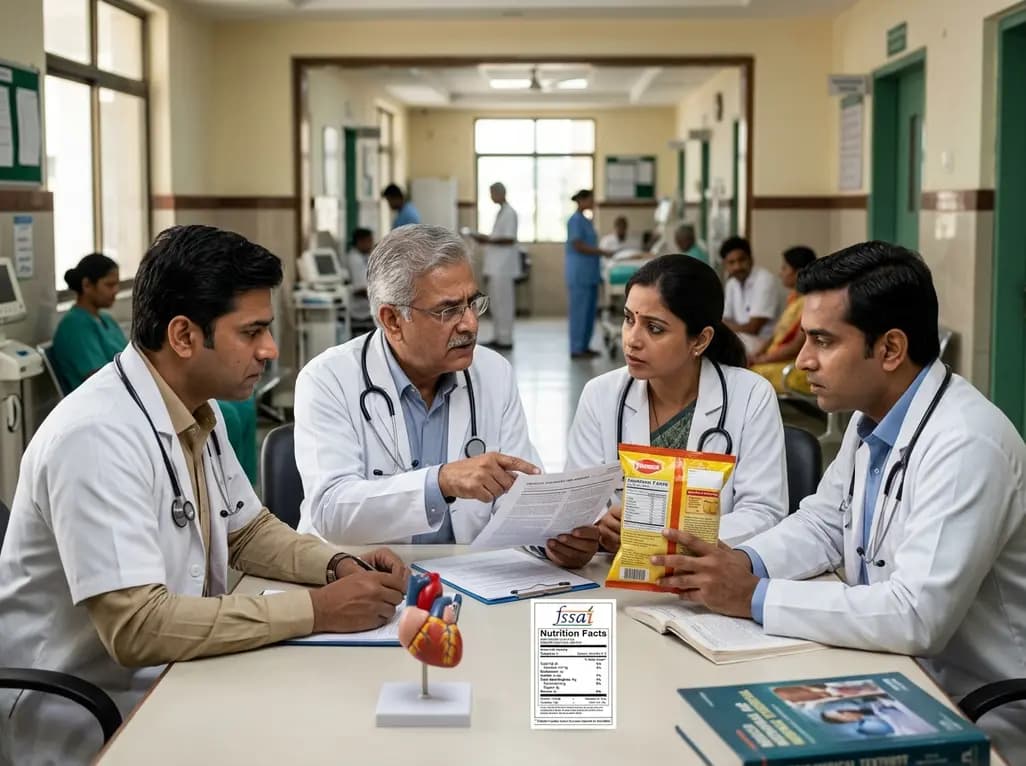
Over 60 international public health researchers have advised FSSAI to mandate front-of-pack warning labels for any packaged product high in even one critical nutrient: sugar, saturated fat, or sodium. This reform counters phased rollouts to accelerate consumer protection and address India's chronic disease burden.
Today
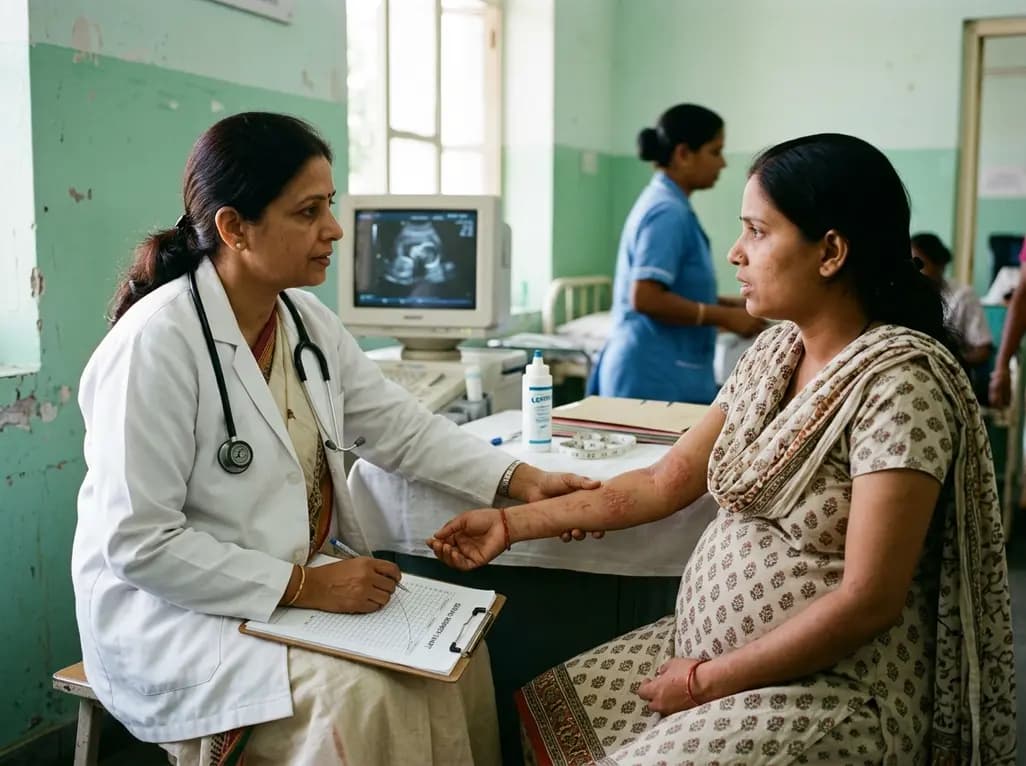
A comprehensive meta-analysis of over 278,000 women demonstrates that maternal atopic dermatitis significantly increases risks of premature rupture of membranes and low birth weight. Discover essential clinical insights on disease mechanisms, serial antenatal growth monitoring, and safe therapeutic interventions.
Today
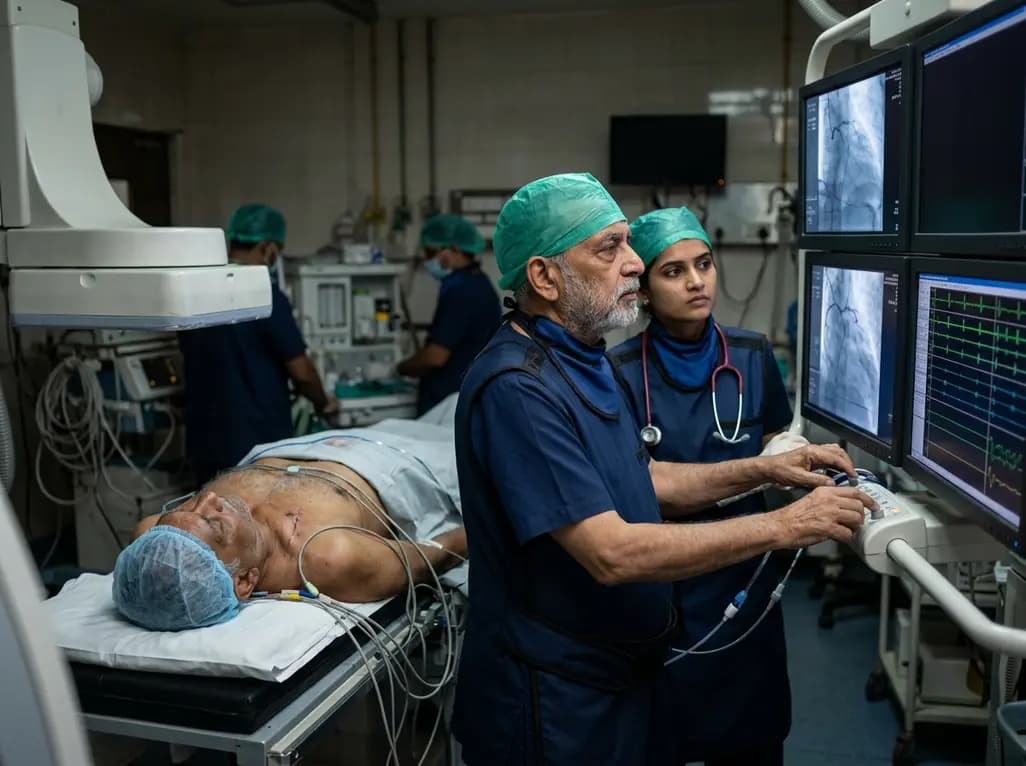
A comprehensive single-center analysis reveals that slow pathway ablation for AVNRT in octogenarians maintains high acute procedural success (98.1%) but carries significantly higher complication rates compared to younger cohorts, underscoring the need for careful risk-benefit evaluation.
Today

Apollo Global Management is in talks to acquire Johnson & Johnson's DePuy Synthes orthopedics unit in a potential $20 billion transaction. This comprehensive analysis reviews the MedTech restructuring, product lines in joint reconstruction, ongoing legal issues, and key implications for global orthopedic surgery.
Today
A cross-sectional study reveals that elevated METS-IR is independently associated with higher myopia odds in adolescents, showing biological synergy with obesity and highlighting the need for metabolic screening in pediatric eye care.
Today
