.webp&w=384&q=75)

Loading, please wait...
Loading, please wait...
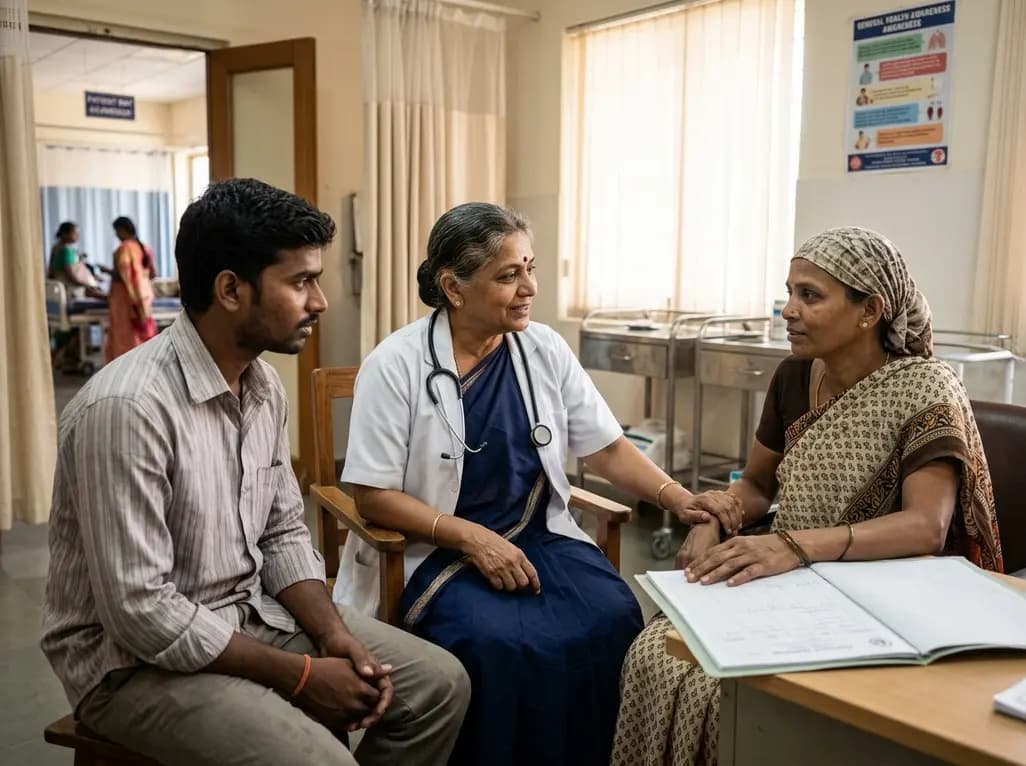
Women confronting gynaecological malignancies encounter severe physical, emotional, and social challenges throughout their treatment journey. When transitioning from the inpatient setting to home, both patients and their families frequently experience heightened psychological distress and existential despair. In response to these vulnerabilities, implementing a structured dyadic nursing intervention provides meaningful clinical support by simultaneously addressing the psychological needs of both patients and informal caregivers. Traditional oncology models often prioritize only the biological aspects of cancer recovery, thereby neglecting the complex relational dynamics within the family unit.
Consequently, primary caregivers often face significant emotional strain, social role disruption, and physical exhaustion. This pervasive stress frequently leads to severe demoralization, which manifests as feelings of helplessness, pointlessness, and loss of purpose. Furthermore, patient distress directly amplifies caregiver distress, creating a negative feedback loop that impairs recovery and reduces treatment adherence. Therefore, clinical oncology teams must adopt integrative care paradigms that recognize the patient and caregiver as an inseparable functional dyad. By actively engaging both individuals before discharge, clinicians can mitigate psychological vulnerabilities and establish resilient coping strategies for home-based care.
To systematically address transitional distress, researchers developed the Dyadic Guidance and Empowerment Program (D-GEP). This innovative protocol relies on interpersonal illness management theory to build collaborative problem-solving skills across the hospital-to-home continuum. Specifically, the D-GEP model delivers a multimodal curriculum structured across three consecutive operational phases to ensure sustained clinical reinforcement.
Initially, dyads participate in two comprehensive, pre-discharge face-to-face sessions led by trained oncology nurses. These interactive sessions focus on symptom monitoring, relational communication, and proactive crisis management. Following discharge, participants access a four-week digital education program delivered via mobile platforms, comprising twenty targeted micro-learning videos. These visual modules clearly illustrate practical home-nursing techniques, nutritional guidance, emotional regulation exercises, and mutual support strategies. Finally, nurses conduct a structured dyadic telephone follow-up three weeks post-discharge to evaluate progress and resolve emerging concerns. Moreover, this combined approach seamlessly merges personalized bedside instruction with flexible digital tools, thereby creating an accessible, scalable model for modern clinical oncology departments.
A recent assessor-blinded randomized controlled trial rigorously evaluated the efficacy of the D-GEP protocol among eighty-four patient-caregiver dyads. Researchers randomly allocated participants to either the structured D-GEP group or a control group receiving conventional discharge planning and standard follow-up. Investigators conducted longitudinal assessments at baseline, immediately post-intervention, and at three months post-discharge using intention-to-treat statistical principles.
The trial demonstrated remarkable clinical efficacy and excellent participant engagement, maintaining completion rates above ninety percent. At the three-month follow-up, dyads participating in D-GEP exhibited statistically significant reductions in demoralization scores compared to the control cohort, demonstrating large intervention effect sizes. Additionally, women in the intervention arm reported substantially lower physical symptom burden, while family caregivers experienced notable decreases in overall caregiving strain. Interestingly, the intervention did not produce a statistically significant change in women's self-perceived burden. Nevertheless, these objective findings confirm that structured dyadic empowerment substantially alleviates existential suffering and mitigates the severe psychological fatigue commonly encountered after discharge.
Applying an evidence-based dyadic nursing intervention during the vulnerable hospital-to-home transition addresses critical gaps in conventional discharge workflows. In typical clinical practice, discharge instructions often deliver complex medical information in an overwhelming, fragmented manner. Consequently, families frequently return home without the practical confidence needed to handle acute treatment toxicities or emotional turmoil.
In contrast, structured dyadic frameworks actively transform passive family members into skilled care partners. By actively involving caregivers in bedside education, nurses establish shared cognitive appraisals of the illness trajectory. This shared understanding empowers dyads to navigate post-operative recovery, chemotherapy regimens, and pelvic rehabilitation cooperatively rather than in isolation. Furthermore, longitudinal digital support bridges the intimidating temporal gap between inpatient discharge and routine outpatient follow-up visits. As a result, patients experience fewer unmanaged physical symptoms, which directly alleviates caregiver anxiety and prevents unnecessary emergency room visits. Ultimately, systematic transitional support establishes a reliable safety net that fosters clinical stability and long-term psychological equilibrium.
Beyond reducing distress, the D-GEP model significantly enhances relational strengths, specifically dyadic mutuality and family hardiness. Dyadic mutuality represents the quality of the interpersonal relationship, characterized by mutual affection, shared values, and reciprocal emotional support. When facing life-threatening gynaecological cancers, open communication frequently deteriorates due to protective buffering, where partners hide their distress to shield each other.
The D-GEP framework dismantles these communicative barriers through guided relational exercises, encouraging authentic dialogue regarding fears, physical limitations, and emotional goals. Consequently, women reported enhanced perceptions of family hardiness, reflecting a greater sense of internal control, commitment, and ability to perceive health challenges as opportunities for collective growth. Furthermore, improved mutuality fosters an adaptive home environment where caregivers and patients co-regulate stress effectively. Although self-perceived burden remained unchanged, the strengthening of reciprocal relationship dynamics provided essential psychological scaffolding. Therefore, fostering family hardiness serves as a potent protective factor against long-term burnout and relationship deterioration throughout the extended survivorship period.
The successful implementation of dyadic models offers vital insights for oncology centers worldwide, particularly in healthcare settings where family engagement forms the cornerstone of patient care. Integrating brief bedside sessions with asynchronous mobile learning creates a highly cost-effective and clinically feasible discharge strategy. Oncology nurses can seamlessly incorporate standardized dyadic counseling protocols into routine pre-discharge workflows without overburdening hospital resources.
To maximize clinical impact, hospital leadership should provide specialized communication training for nursing personnel, emphasizing relational assessment and dyadic goal setting. Additionally, adopting digital health platforms facilitates remote monitoring, enabling early detection of escalating demoralization or unmanaged physical symptoms. Multidisciplinary oncology teams, including gynaecologic oncologists, clinical nurse specialists, and psycho-oncologists, must collaborate closely to ensure seamless transitional continuity. By systematically validating family caregivers as co-recipients of care, health systems can substantially improve patient outcomes, enhance family well-being, and elevate the overall standard of comprehensive oncology care.
Standard discharge care predominantly focuses on individual patient instructions, offering basic medication lists and wound care guidelines without actively involving the family caregiver. Conversely, a dyadic nursing intervention treats the patient and caregiver as a collaborative unit. By addressing mutual psychosocial stressors, communication barriers, and joint symptom management, dyadic programs enhance relational coping, decrease psychological demoralization, and improve post-discharge health outcomes far more effectively than standard individual discharge protocols.
The Dyadic Guidance and Empowerment Program integrates three distinct clinical components to ensure continuous support. First, it provides pre-discharge face-to-face sessions focused on collaborative coping and practical symptom management. Second, it delivers twenty digital micro-learning videos over four weeks to reinforce practical skills at home. Finally, a structured nursing telephone consultation three weeks after discharge addresses emerging concerns, thereby bridging critical communication gaps during the hospital-to-home transition.
Demoralization represents a distinct psychiatric syndrome characterized by existential distress, hopelessness, loss of meaning, and perceived helplessness. Unlike classic clinical depression, demoralization primarily stems from an inability to cope with life-altering illness burdens. In gynaecological oncology, high demoralization severely compromises quality of life, impairs treatment adherence, and exacerbates caregiver fatigue. Measuring and reducing demoralization ensures that clinical interventions successfully restore psychological agency and existential well-being.
Disclaimer: This content is for informational and educational purposes only and is not intended as a substitute for professional medical advice, diagnosis, or treatment. Always seek the advice of your physician or other qualified health provider with any questions you may have regarding a medical condition. Refer to the latest local and national guidelines for clinical practice.
References

Read summarized clinical updates, watch expert medical content, and earn CME certifications right from your smartphone.
Open your smartphone camera to scan and install.





A randomized controlled trial demonstrates that the Dyadic Guidance and Empowerment Program (D-GEP) significantly reduces demoralization, symptom burden, and caregiver strain among women with gynaecological cancer and their family caregivers during the hospital-to-home transition.
last month

A nationwide English cohort study shows that interstitial lung diseases are no longer rare, with incidence jumping 30% and 200,000 active cases. This analysis highlights clinical implications for diagnosis, multi-disciplinary management, and global health priorities across respiratory and internal medicine.
Today
A nationwide South Korean study shows underreporting of smoking among women dropped from 57.4% to 36.4% between 2008 and 2021. However, over one-third of female smokers still conceal their habit, highlighting the critical role of cotinine verification in clinical risk assessment.
Today

PepsiCo and Monster Beverage have challenged the FSSAI ban on the energy drink label in Indian courts. While companies highlight supply disruptions, regulatory actions spotlight severe cardiovascular and metabolic risks associated with excessive caffeine, sugar, and taurine consumption, especially in adolescents.
Today
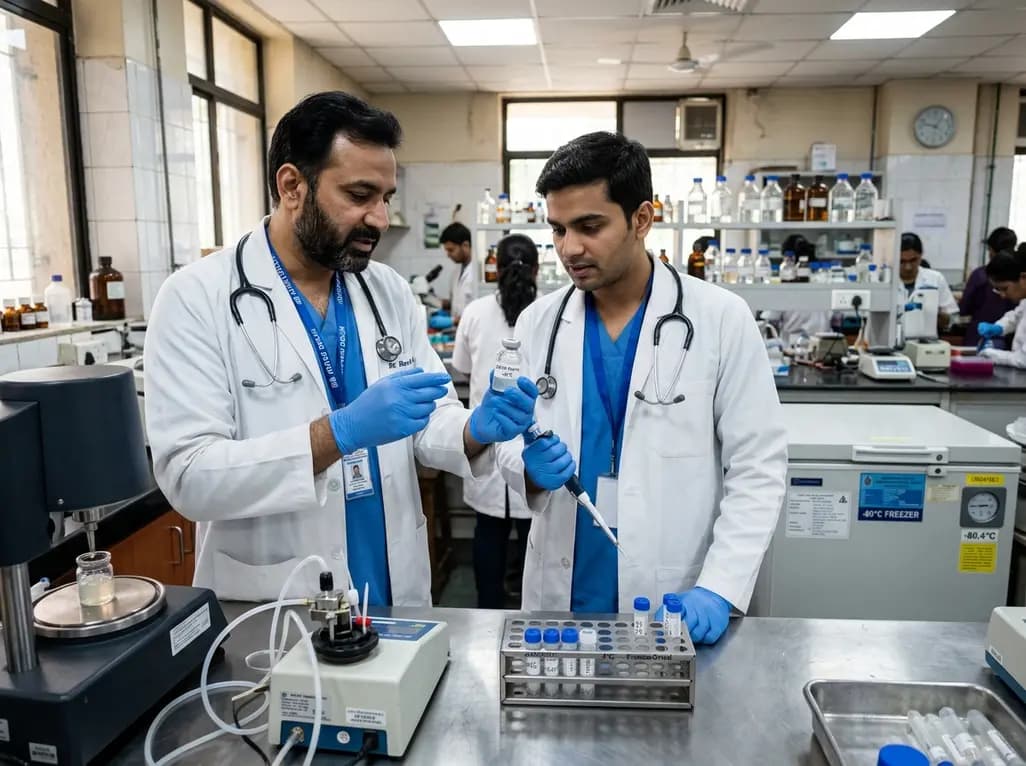
A new study evaluates the rheological stability of decellularized peripheral nerve matrix hydrogels under varied storage conditions. Findings show -80°C storage and freeze-drying preserve gelation kinetics and mechanical stiffness, offering key insights for shipping and translational clinical applications.
Today
A Bayesian multilevel meta-analysis reveals that aerobic training combined with moderate carbohydrate restriction modestly lowers HbA1c in type 2 diabetes. However, sparse data and very low certainty leave incremental benefits over exercise or diet alone unproven, highlighting the need for individualized care.
Yesterday
