.webp&w=384&q=75)

Loading, please wait...
Loading, please wait...

The workplace is an ideal setting for implementing digital smoking cessation programs. These tools often combine nicotine replacement therapy with peer support apps to drive behavior change. However, success depends on multiple factors. A recent retrospective cohort study among workers analyzed how nicotine dependence and quit self-confidence affect outcomes. This research is particularly relevant for Indian clinicians. Currently, India manages one of the world's largest mCessation initiatives. Therefore, understanding these success predictors can help tailor local interventions for maximum impact.
The study found that self-confidence is a universal predictor of success across various groups. Participants with high self-confidence achieved a 63.4% cessation rate. In contrast, those with low confidence reached only 47.6%. This trend remained consistent across all tobacco types. These types include cigarette-only smokers, heated tobacco product (HTP) users, and dual users. Furthermore, high self-confidence often mitigated the negative effects of high nicotine dependence. Consequently, clinicians should prioritize psychological readiness alongside pharmacological treatment. In India, mCessation programs have already shown that mobile support can achieve significant quit rates by motivating users. Moreover, digital platforms facilitate anonymous peer support, which strengthens individual resolve.
Interestingly, nicotine dependence played a different role depending on the product used. Low nicotine dependence significantly boosted success for cigarette-only smokers. However, this association was less pronounced for HTP-only or dual users. This suggests that HTP use might involve different behavioral and physiological patterns. Because of this, a one-size-fits-all approach may not work for every patient. Clinicians must assess the specific tobacco products their patients use to provide better guidance. Additionally, workplace promotion remains a powerful tool for increasing enrollment in these programs. When combined with consumption-adjusted nicotine aids, digital tools offer a scalable solution for public health challenges.
High self-confidence is one of the strongest predictors of success. It allows individuals to navigate cravings and stay committed to the program, regardless of the tobacco product they previously used.
Yes, research shows that digital apps with peer support are effective for HTP and dual users. However, the specific role of nicotine dependence may vary between HTP users and traditional cigarette smokers.
Disclaimer: This content is for informational and educational purposes only... Refer to the latest local and national guidelines for clinical practice.
References
Yoshihara S et al. Nicotine Dependence and Quit Self-Confidence in a Smoking Cessation Program Using a Group-Based Digital Peer-Supported App and Cigarette Consumption-Adjusted Nicotine Aids Among Japanese Workers: Retrospective Cohort Study. J Med Internet Res. 2026 May 19. doi: 10.2196/84792. PMID: 42155125.
Ministry of Health and Family Welfare, Government of India. mCessation Programme: A Mobile-Based Initiative for Tobacco Cessation. WHO Digital India Report. 2019.
Boardman T, Catley D, Mayo M, Ahluwalia J. Self-efficacy and motivation to quit during participation in a smoking cessation program. Psychol Addict Behav. 2009;23(1):56-66.

Read summarized clinical updates, watch expert medical content, and earn CME certifications right from your smartphone.
Open your smartphone camera to scan and install.





A retrospective cohort study examines how self-confidence and nicotine dependence influence the success of digital app-based smoking cessation programs....
5 months ago

Explore vital recurrent stroke predictors in lacunar stroke patients managed with intensive blood pressure lowering. This analysis examines trial findings from SPS3 to uncover residual vascular risks, metabolic factors, and targeted secondary prevention strategies for high-risk neurological patients.
Today
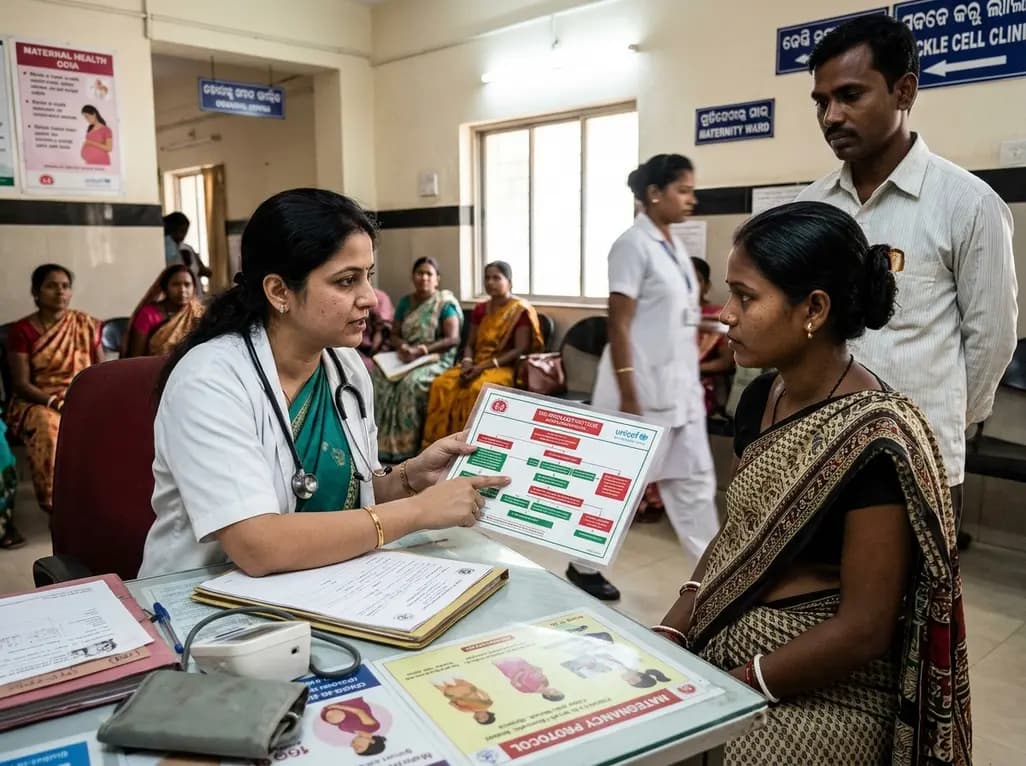
Odisha has established India's first state-level clinical protocol specifically tailored for pregnant women with sickle cell disease. Developed with NHM and UNICEF, the framework provides structured antenatal screening, crisis mitigation, standardized referral pathways, and specialized interdisciplinary care.
Today

The Directorate General of Health Services directs Indian states to halt the hazardous reuse and reprocessing of single-use medical devices. Discover regulatory implications under the Drugs and Cosmetics Act, critical infection risks, legal liabilities, and operational changes required across clinical specialties.
Today
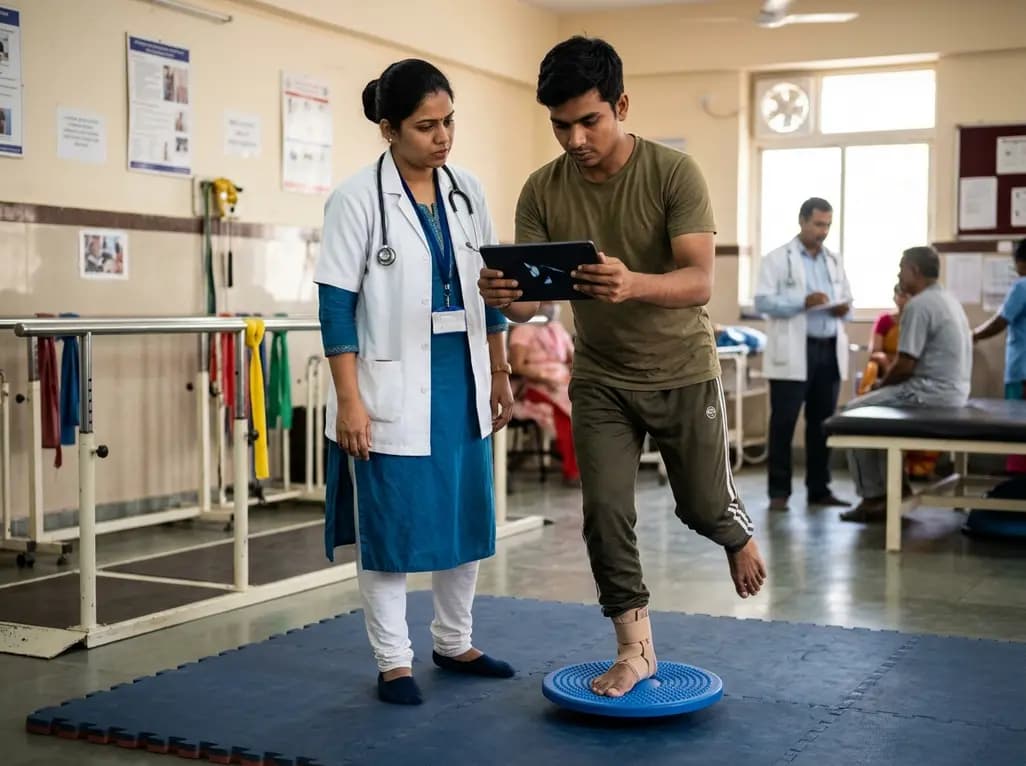
A randomized controlled trial demonstrates that an eight-week dual-task training intervention significantly improves static and dynamic postural control over standard balance exercises in individuals with chronic ankle instability, addressing critical neurocognitive deficits during athletic and daily activities.
Today

India is advancing preventive healthcare by integrating genomics, artificial intelligence, and quantum technologies. With the SANGAM programme sequencing one million Indian genomes, clinicians can unlock personalized therapies, detect cardiometabolic risks early, and curb the burden of diabetes and heart disease.
Today
