.webp&w=384&q=75)

Loading, please wait...
Loading, please wait...

Chronic heart failure represents a challenging cardiovascular disorder that significantly impairs exercise capacity and quality of life. Fortunately, recent randomized clinical trials indicate that structured digital cardiac rehabilitation offers an innovative and accessible method to improve cardiopulmonary fitness, functional stamina, and symptom control in outpatient populations.
Chronic heart failure remains a leading cause of cardiovascular morbidity, frequent hospitalization, and progressive disability across the globe. Although guideline-directed medical therapy successfully prolongs survival, persistent exercise intolerance markedly restricts patients during basic daily activities. Traditional center-based cardiac rehabilitation serves as a cornerstone of secondary prevention because it enhances peripheral muscular adaptation, optimizes cardiovascular efficiency, and decreases rehospitalization rates. Nevertheless, participation and adherence rates remain remarkably low in clinical settings. Long travel distances, geographic isolation, transportation expenses, rigid scheduling, and inadequate infrastructure often prevent vulnerable individuals from attending structured hospital sessions. Furthermore, advanced age, systemic fatigue, dyspnea, and joint stiffness frequently discourage patients from traveling regularly to tertiary care centers. In response to these persistent obstacles, cardiology teams are actively exploring decentralized healthcare delivery platforms. Delivering structured exercise guidance, vital sign monitoring, and lifestyle education directly into patient households effectively overcomes traditional logistical hurdles. Consequently, digital health technologies are emerging as essential therapeutic tools that bridge critical gaps in contemporary heart failure management.
Recent meta-analytic evidence from randomized controlled trials demonstrates that digital interventions significantly enhance functional capacity in adults with chronic heart failure. Specifically, systematic pooled analyses reveal a statistically significant improvement in the six-minute walk distance, with treated patients gaining an average of 18.74 meters compared with standard care controls. Furthermore, objective measures of cardiorespiratory fitness demonstrate clear physiological gains, showing an average increase in peak oxygen uptake of 0.84 mL/kg/min. These meaningful improvements indicate that remote digital training successfully stimulates peripheral oxygen utilization, improves skeletal muscle perfusion, and enhances submaximal exercise tolerance. In addition, subgroup evaluations reveal that digitally guided regimens produce functional improvements comparable to conventional center-based exercise programs. However, clinical benefits depend greatly on patient adherence, baseline functional class, and overall intervention duration. Clinicians must recognize that remote programs provide structured progression while maintaining safety profiles similar to standard outpatient care. Consequently, integrating digital tracking tools provides a dependable, evidence-based strategy for restoring physical endurance and functional autonomy in stable heart failure populations.
The structural design of an intervention determines the therapeutic success of digital cardiac rehabilitation initiatives. Comprehensive hybrid models that combine interactive remote monitoring with periodic multidisciplinary consultations deliver the most pronounced physiological improvements. While simple standalone mobile applications often fail to sustain patient motivation over extended periods, multifaceted digital platforms achieve superior engagement. These integrated systems routinely offer synchronized biofeedback, structured exercise demonstration videos, interactive educational modules, and regular communication channels with healthcare providers. Moreover, continuous telemetry tracking allows clinicians to monitor heart rate response, arterial blood pressure, and symptom development during prescribed physical exertion. As a result, cardiologists and physical therapists can safely adjust training intensity while preventing acute cardiovascular decompensation. Furthermore, automated digital reminders support medication compliance, sodium restriction, and daily weight tracking, reinforcing essential self-care behaviors. In addition, real-time data transmission enables early detection of worsening fluid retention or arrhythmias. Thus, comprehensive digital rehabilitation frameworks provide a secure, personalized, and continuous care environment that empowers patients throughout their long-term recovery journey.
Although digital interventions consistently enhance formal exercise tolerance, their effect on spontaneous daily physical behavior presents a more complex scenario. Systematic data indicate modest increases in daily step counts and active physical duration, yet substantial variability exists across individual trials. Many patients diligently complete their prescribed home workouts but continue to maintain sedentary habits during the remainder of their daily routine. Nevertheless, patient-reported health-related quality of life metrics demonstrate profound and uniform enhancements following digital intervention programs. Validated evaluation instruments, including the Minnesota Living with Heart Failure Questionnaire and the Kansas City Cardiomyopathy Questionnaire, reveal significant score improvements that reflect meaningful symptom relief. Participants regularly report decreased dyspnea, improved psychological vitality, and diminished emotional distress regarding their cardiac condition. Furthermore, having regular digital connectivity with healthcare professionals alleviates anxiety, promotes illness understanding, and fosters long-term self-efficacy. Therefore, digital health technologies generate substantial biopsychosocial advantages and functional relief, even when overall increases in ambient daily step counts remain moderate.
Successfully integrating digital health tools into everyday cardiovascular management requires structured protocols, workflow optimization, and thoughtful patient selection. Clinicians must first assess individual digital literacy, baseline cognitive function, and familial support systems before enrolling patients into remote rehabilitation pathways. In addition, healthcare organizations should choose user-friendly hardware and simplified software interfaces to ensure high adherence among elderly patients who may struggle with technology. Clinical teams must also establish dedicated telemetry workflows so that incoming physiologic data streams do not overburden cardiology staff. In this setting, specialized nurse navigators and physiotherapists serve vital functions by reviewing daily metrics and triaging abnormal alerts. Furthermore, physicians must verify that exercise intensity prescriptions align with current guideline-directed medical therapy, target beta-blocker dosing, and device parameters. By combining automated digital surveillance with personalized clinical supervision, healthcare systems can expand access to cardiac rehabilitation, minimize rural healthcare disparities, and enhance overall prognostic outcomes in chronic heart failure populations.
Digital health technologies improve functional exercise capacity by providing structured, home-based exercise routines and continuous physiological feedback. These platforms guide patients through personalized aerobic and resistance exercises while monitoring vital signs in real time. Consequently, patients safely enhance peripheral oxygen utilization, build muscular endurance, and achieve measurable gains in both six-minute walk distance and peak oxygen consumption.
Clinically stable adults with chronic heart failure, including those with reduced or preserved ejection fraction, derive substantial benefits from digital cardiac rehabilitation. Patients facing geographical, financial, or mobility barriers particularly gain from remote interventions. However, individuals must possess basic digital literacy, cognitive ability, and clinical stability without frequent unmanaged arrhythmias or acute decompensation to participate safely and effectively in home-based programs.
Remote patient monitoring enhances exercise safety by capturing continuous biometric data, including heart rate, rhythm variability, blood pressure, and oxygen saturation. These telemetry systems transmit data directly to clinical teams, flagging abnormal physiological responses or excessive exertion immediately. As a result, healthcare providers can swiftly adjust exercise intensity, optimize medical regimens, and prevent adverse cardiac events during unmonitored home rehabilitation activities.
Disclaimer: This content is for informational and educational purposes only and should not be considered medical advice. Healthcare professionals should make clinical decisions based on their independent professional judgment and patient-specific factors. Refer to the latest local and national guidelines for clinical practice.
References

Read summarized clinical updates, watch expert medical content, and earn CME certifications right from your smartphone.
Open your smartphone camera to scan and install.





A comprehensive meta-analysis shows digital health technologies significantly improve 6-minute walk distance and peak oxygen uptake in chronic heart failure patients, highlighting the clinical promise of structured remote cardiac rehabilitation.
last month

A review examines how vagal neuroimmune circuits link the brain and immune system, sensing cytokine surges and dampening peripheral inflammation. Bioelectronic medicine harnesses these pathways to provide targeted, non-pharmacological therapies for chronic inflammatory and autoimmune diseases.
Today

Explore the crucial link between dietary protein and immunocompetence. This review examines how low-protein nutrition shifts metabolic resources away from pathogen defense toward early reproduction, compromising host survival and immunity against severe bacterial infections.
Today

A post hoc analysis of the PARM-T2D study shows pemafibrate exerts baseline-dependent effects on LDL-C and particle size in type 2 diabetes and hypertriglyceridemia. It lowers triglycerides and remnants while favorably remodeling atherogenic LDL particles based on initial lipid control status.
Today
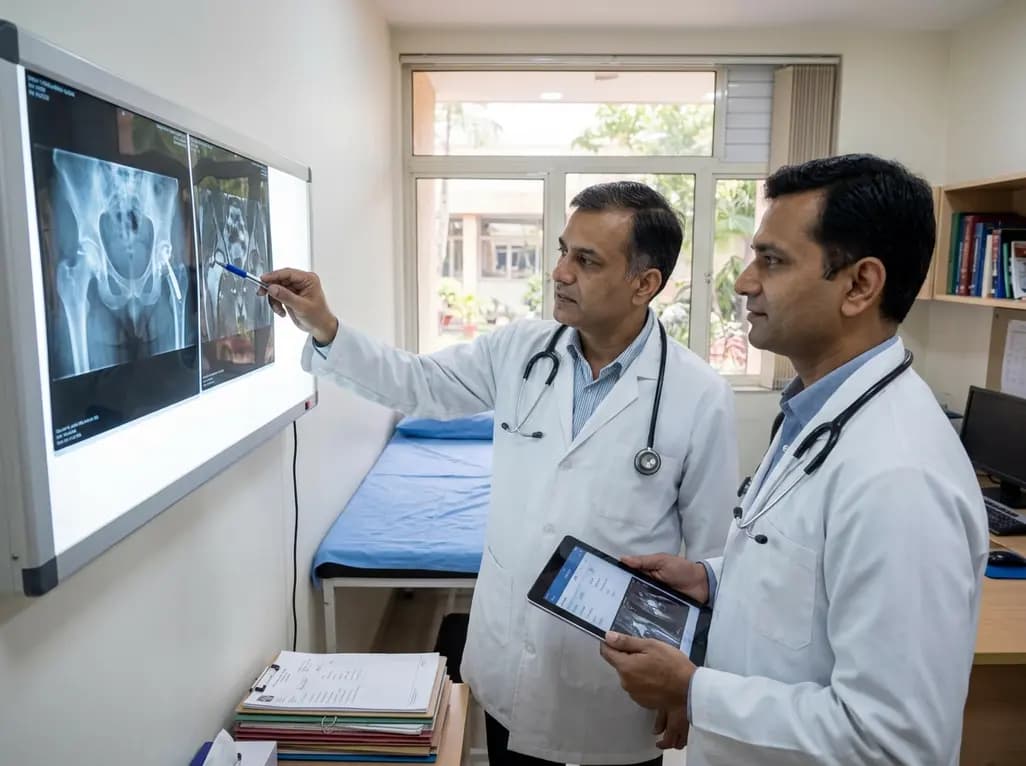
A longitudinal study reveals that patients undergoing staged bilateral hip arthroscopy experience progressive contralateral labral deterioration during surgical intervals. However, structural degradation does not compromise 2-year postoperative clinical outcomes or patient-reported satisfaction scores.
Today

New immunological research reveals how PTPN22 forms a delayed inhibitory signaling complex to restrain T cell activation, explaining how the autoimmune-linked R620W variant disrupts feedback control and promotes persistent inflammation in conditions like rheumatoid arthritis and type 1 diabetes.
Today
