.webp&w=384&q=75)

Loading, please wait...
Loading, please wait...

Neuromodulation provides substantial symptomatic relief for patients living with disabling movement disorders. However, timely deep brain stimulation referral remains an underutilized pathway across varied clinical landscapes. When individuals present late in their disease trajectory, they often miss the optimal therapeutic window for neuromodulation. Consequently, recognizing referral delays and geographical disparities is essential for modern neurological care. Clinicians must actively identify clinical milestones and navigate systemic obstacles to ensure candidates receive specialized surgical intervention before severe motor disability develops.
Deep brain stimulation has revolutionized the long-term management of movement disorders over recent decades. While pharmacotherapy represents the primary frontline defense, medical therapies frequently lose efficacy as neurodegeneration progresses. Patients with Parkinson's disease often develop intractable motor fluctuations and dyskinesias. Similarly, individuals with severe essential tremor frequently experience refractory action tremors that disrupt self-care and professional activities. When standard medications fail to deliver reliable symptomatic control, advanced surgical neuromodulation provides an established, evidence-based alternative.
Despite robust clinical trial data confirming its safety and therapeutic benefits, practical healthcare pathways often delay surgical evaluation. The journey from initial symptom manifestation to electrode implantation involves multiple distinct phases. First, patients report early motor signs to primary care practitioners or general physicians. Next, they receive referrals to community neurologists for diagnostic confirmation. Eventually, selected individuals undergo movement disorder subspecialty evaluations before meeting with functional neurosurgeons.
Unfortunately, each intermediary transition introduces substantial delays. Patients frequently navigate years of fragmented care without knowing that neuromodulation represents an approved therapeutic option. Therefore, understanding the mechanics of this referral chain is critical. Medical professionals must recognise the pivotal transition points to prevent unnecessary clinical attrition and patient disillusionment.
Recent clinical findings demonstrate dramatic temporal disparities across different diagnostic groups undergoing surgical evaluation. In a comprehensive study examining operative cohorts, investigators observed marked timeline differences between essential tremor and Parkinson's disease. Specifically, the duration from initial symptom onset to definitive surgical implantation spanned over twenty-eight years for essential tremor patients. In contrast, patients diagnosed with Parkinson's disease experienced an average latency of approximately eleven years.
This dramatic timeline difference highlights fundamental variations in how clinicians perceive disease progression. Because essential tremor progresses gradually over decades, clinicians often misjudge its disabling nature as benign. Consequently, patients adapt to progressive motor deficits while accumulating functional disability. They frequently endure severe postural tremors before receiving specialized functional neurosurgical evaluations.
Conversely, Parkinson's disease presents a more aggressive symptomatic trajectory marked by dopamine deficiency. Clinicians tend to monitor motor complications closely, facilitating earlier referrals when medications cause disabling fluctuations. Even so, waiting eleven years represents a substantial delay during which patients experience cumulative disability and diminished employment prospects. Thus, both diagnostic groups face unnecessary hurdles that compromise clinical outcomes. Standardizing screening intervals ensures earlier interventions across all progressive tremor disorders.
Geographical location profoundly influences whether candidates access advanced neurosurgical interventions in a timely manner. Centralized healthcare architectures cluster advanced functional neurosurgery centers within major metropolitan hospitals. Consequently, rural and semi-urban populations face daunting geographical hurdles when seeking advanced therapies. Long travel distances, transport costs, and limited local transportation infrastructure discourage patients from attending repetitive evaluation appointments.
Furthermore, socioeconomic indices strongly correlate with procedural access. Clinical registries show that patients residing in higher socioeconomic zip codes access subspecialist consultations much faster than those living in underprivileged districts. Disadvantaged populations frequently experience delays at every administrative crossroad, including insurance approvals, diagnostic neuroimaging appointments, and comprehensive neuropsychological assessments.
These structural inequities widen existing health divides. Rural individuals often remain dependent on escalating doses of oral medications that yield diminishing returns and worsening adverse effects. Meanwhile, urban counterparts access multidisciplinary functional neurosurgery clinics early in their disease course. To close this persistent equity gap, regional healthcare networks must deploy decentralized care protocols. Outreach clinics, structured satellite centers, and coordinated regional navigation programs can bridge geographic divisions effectively.
The movement disorder neurologist serves as the central bridge connecting general clinical practice with functional neurosurgery. General neurologists deliver excellent general medical care, yet their busy schedules can delay advanced device assessments. In contrast, movement disorder specialists possess nuanced expertise in assessing motor fluctuations, levodopa responsiveness, and precise surgical candidacy criteria.
When patients secure timely consultations with movement disorder specialists, their trajectory toward surgical intervention accelerates considerably. These experts quickly distinguish genuine refractory symptoms from suboptimal pharmacotherapy regimens. Furthermore, they oversee necessary pre-surgical assessments, including formal on-off levodopa challenge testing, cognitive screening, and psychiatric clearance. By coordinating these interdependent evaluations, specialists prevent redundant diagnostic steps and streamline neurosurgical booking.
However, access to subspecialty movement disorder clinics remains severely restricted worldwide. Subspecialist shortages create extended clinic waitlists, often spanning months or even years. Therefore, primary care practitioners and general neurologists must establish proactive referral networks. When front-line clinicians identify early warning indicators of medical refractoriness, immediate liaison with subspecialty centers safeguards patients from protracted therapeutic delays.
Overcoming systemic barriers requires proactive, evidence-based strategies embedded into primary and secondary care workflows. Clinicians should adopt validated screening instruments during routine outpatient evaluations. Standardized criteria, such as the presence of two hours of daily off-time or troublesome levodopa-induced dyskinesia, signal appropriate timing for surgical appraisal. Utilizing objective clinical criteria removes individual physician bias and subjective guesswork regarding surgical timing.
Additionally, healthcare systems must aggressively expand digital health platforms. Telemedicine consultations allow movement disorder specialists to evaluate distant patients without imposing grueling travel burdens. Virtual appointments facilitate preliminary motor assessments, historical reviews, and patient educational discussions. Through targeted electronic consultations, academic medical centers can guide local physicians regarding medication adjustments or fast-track surgical evaluations.
Moreover, medical societies must prioritize continuing medical education regarding neuromodulation indications. Many practitioners still view deep brain stimulation as an extreme salvage intervention reserved exclusively for terminal stages. Disseminating current clinical guidelines dispels these outdated myths. Educating multidisciplinary teams fosters an institutional culture where functional neurosurgery is viewed as an established mid-stage restorative intervention rather than a desperate last resort.
Modern neuromodulation technology continues to evolve rapidly, offering smarter devices and refined therapeutic precision. Directional leads, sensing-enabled closed-loop neurostimulators, and remote programming platforms represent transformational technological steps forward. These advanced tools improve symptom control while minimizing stimulation-induced side effects. Remote programming capabilities particularly benefit geographically isolated individuals by reducing the frequency of in-person clinic visits.
Nevertheless, technological innovation cannot overcome flawed clinical delivery models on its own. Healthcare organizations must pair engineering breakthroughs with robust public health outreach. Dedicated nurse navigators and movement disorder coordinators can guide candidates through complex multidisciplinary workups. Navigators actively track required consultations, address socioeconomic obstacles, and assist patients with logistical arrangements.
Ultimately, achieving equitable outcomes requires seamless collaboration between referring physicians and functional neurosurgery teams. Establishing formalized shared-care models ensures patients transition smoothly between local clinics and specialized tertiary surgical suites. By dismantling referral bottlenecks and geographic divides, healthcare systems can ensure every eligible candidate accesses transformative neuromodulation within their ideal therapeutic window.
Delays primarily stem from limited awareness of surgical indications among primary providers, scarce movement disorder specialists, and geographical distance from academic centers. Furthermore, misconceptions that deep brain stimulation is purely a desperate salvage therapy cause clinicians to exhaust oral medications long past their therapeutic efficacy window.
Essential tremor progresses slowly over several decades, leading clinicians and patients to normalize gradual disability. Because the condition lacks the overt motor complications seen in dopamine deficiency, patients frequently adapt to functional impairment for years before receiving specialized evaluations for advanced functional neurosurgical interventions.
Telemedicine connects remote patients with tertiary movement disorder specialists without requiring strenuous travel. Virtual visits facilitate motor symptom assessments, candidacy evaluations, and pre-surgical education. Additionally, emerging remote neurostimulator programming platforms allow post-operative adjustments to occur safely from home, minimizing geographic and financial barriers.
Disclaimer: This content is for informational and educational purposes only and does not constitute medical advice, diagnosis, or treatment. Healthcare professionals should exercise their independent clinical judgment when evaluating patient care strategies. Refer to the latest local and national guidelines for clinical practice.
References

Read summarized clinical updates, watch expert medical content, and earn CME certifications right from your smartphone.
Open your smartphone camera to scan and install.





A retrospective cohort study highlights persistent delays and disparities in deep brain stimulation referral pathways for Parkinson's disease and essential tremor. Understanding referral intervals and geographical barriers allows clinicians to optimize the therapeutic window for neuromodulation.
Today
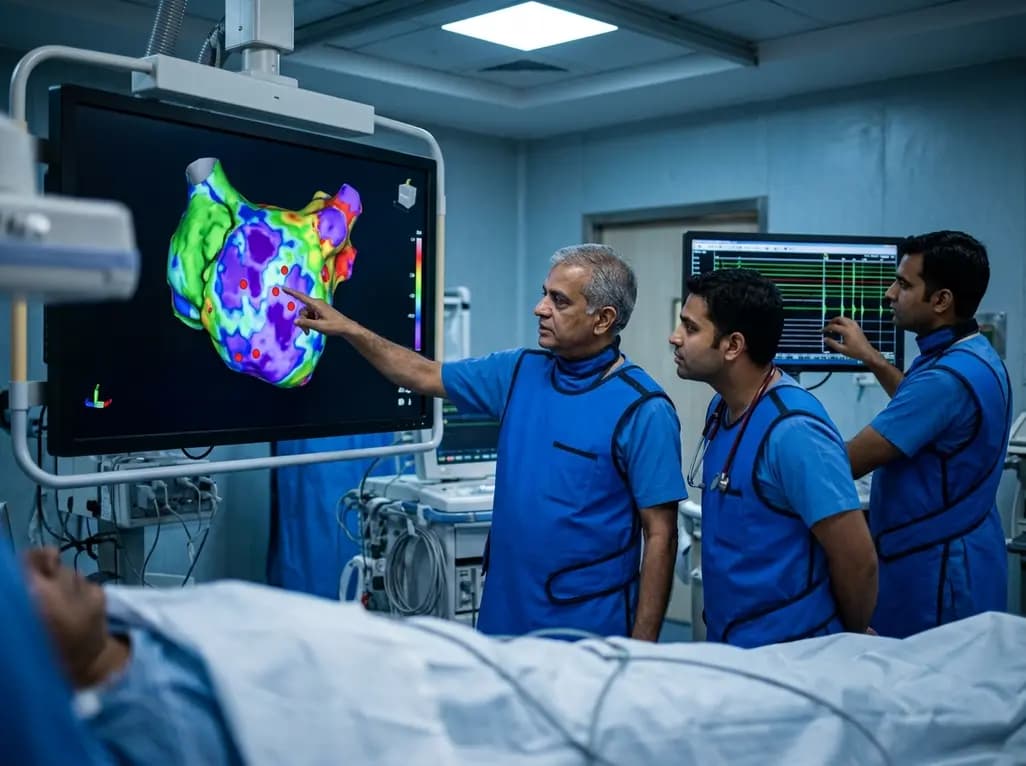
A study of 1,428 AF ablation patients reveals that over 60% of left atrial non-PV triggers arise within low-voltage areas, with anterior and roof triggers colocalizing entirely within fibrotic substrate. Identifying and ablating these sites is critical for long-term arrhythmia freedom.
Today

A comprehensive meta-analysis of over 278,000 women demonstrates that maternal atopic dermatitis significantly increases risks of premature rupture of membranes and low birth weight. Discover essential clinical insights on disease mechanisms, serial antenatal growth monitoring, and safe therapeutic interventions.
Today
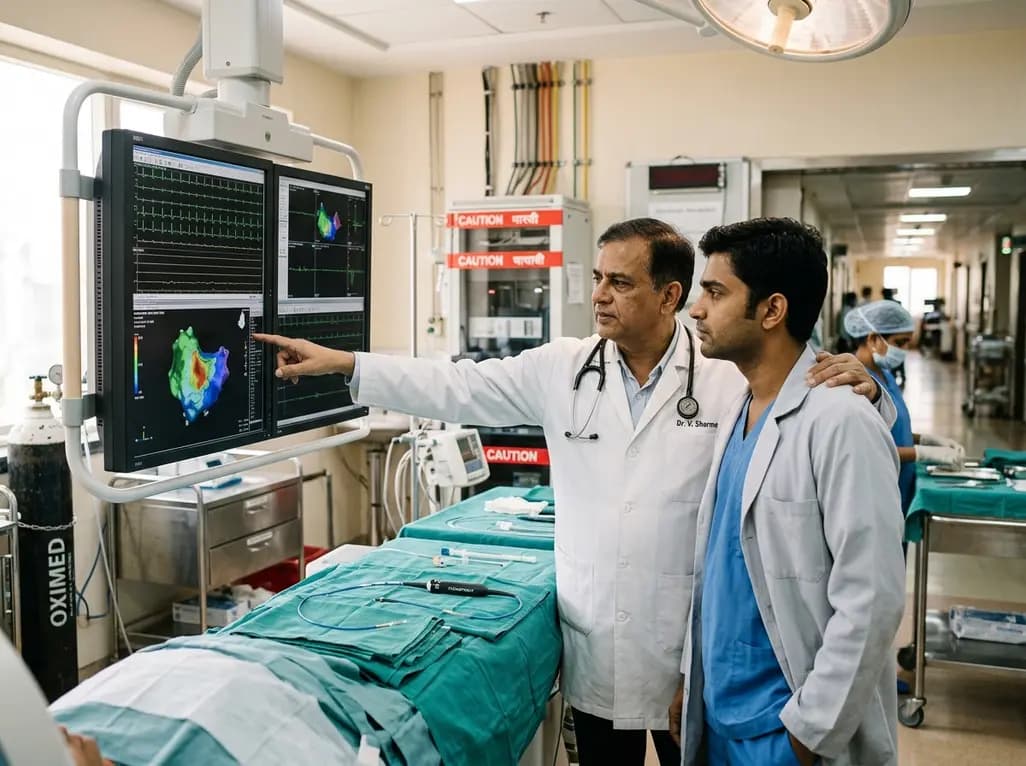
A pioneering study highlights the first United States experience using the FARAPOINT focal pulsed-field ablation catheter for refractory ventricular tachycardia. The catheter achieved complete acute non-inducibility across tested patients without procedural complications, marking a milestone in ventricular ablation.
Today
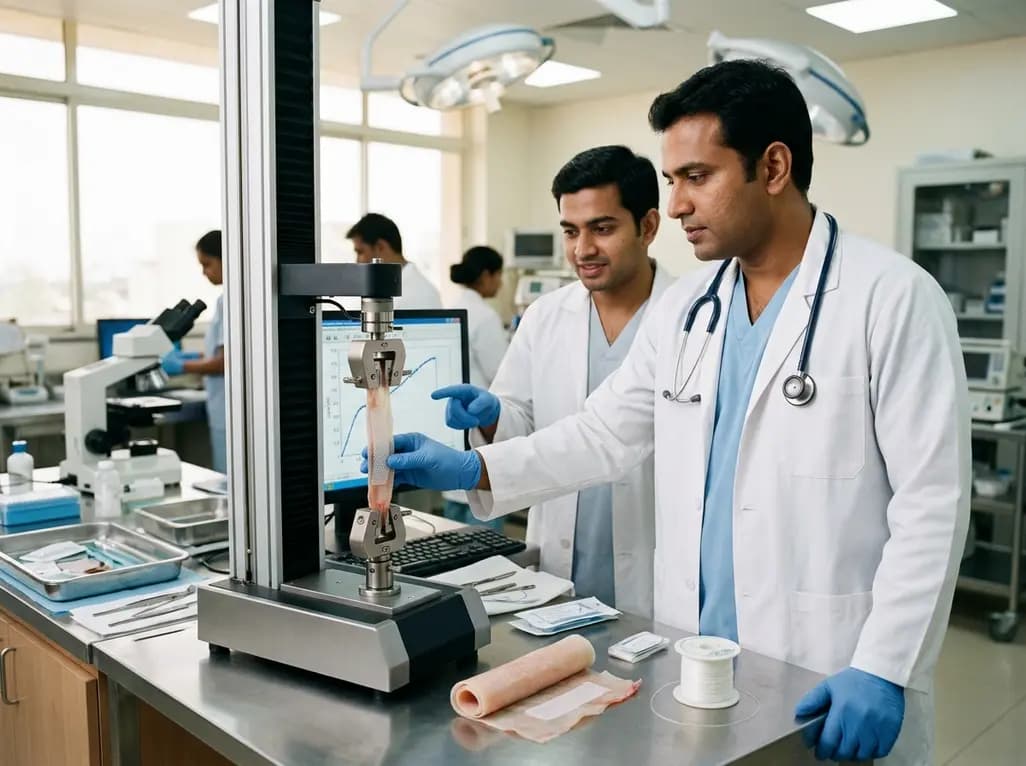
A biomechanical study shows that augmenting thin fascia lata grafts with a reinforced polyester patch doubles ultimate tensile strength and stiffness, matching the performance of thick grafts for superior capsule reconstruction while reducing donor-site morbidity.
Today

A cross-sectional study reveals that elevated METS-IR is independently associated with higher myopia odds in adolescents, showing biological synergy with obesity and highlighting the need for metabolic screening in pediatric eye care.
Today
