.webp&w=384&q=75)

Loading, please wait...
Loading, please wait...

The landscape of advanced wearable health technology in India is shifting rapidly. Tata Group’s electronics retailer, Croma, recently announced a significant push into this category. By partnering with global leaders like Oura, the retailer intends to offer sophisticated monitoring tools to Indian consumers. This expansion signifies a shift from basic tracking to continuous, proactive health management.
Consumer devices are evolving from basic step counters into clinical-grade health companions. Croma is betting on emerging formats like smart rings to provide continuous data on sleep, recovery, and heart rate variability. Furthermore, these devices offer a discreet way for users to manage their wellness proactively. Consequently, the retailer is positioning these products in the premium and mass-premium segments to attract health-conscious buyers. Additionally, this move reflects a broader trend where electronic retailers prioritize health-tech to meet rising demand.
Medical professionals often encounter patients who track their biometrics through these advanced devices. Smart rings utilize photoplethysmography sensors to measure blood flow and physiological changes. Moreover, some studies show that these devices can detect early signs of illness or hormonal shifts. Because users wear rings continuously, the data collected provides a more stable baseline than intermittent clinic visits. Therefore, clinicians might find this longitudinal data useful during consultations. Nevertheless, users must remember that these are not substitutes for professional medical diagnosis.
Q1: How do smart rings differ from traditional fitness trackers?
Smart rings focus on continuous, discreet monitoring of vital signs like heart rate variability and sleep quality, often with higher battery life and 24/7 wearability compared to bulky smartwatches.
Q2: What is the primary goal of the Croma and Oura partnership?
The partnership aims to bring globally recognized health-tech innovations to the Indian market, specifically targeting preventive health management through advanced insights.
Disclaimer: This content is for informational and educational purposes only. It does not constitute medical advice or replace professional judgment. Refer to the latest local and national guidelines for clinical practice.
References

Read summarized clinical updates, watch expert medical content, and earn CME certifications right from your smartphone.
Open your smartphone camera to scan and install.





Croma enters a partnership with Oura to bring advanced smart rings and health monitoring technology to India, shifting from fitness to clinical-grade insigh...
5 months ago

Explore why official drug package inserts fail to reflect modern evidence for clozapine prescribing. Learn how legal standards of care, case law, slow titration, and vital adverse event monitoring empower clinicians to prioritize evidence-based medical practice over outdated manufacturer labeling.
Today
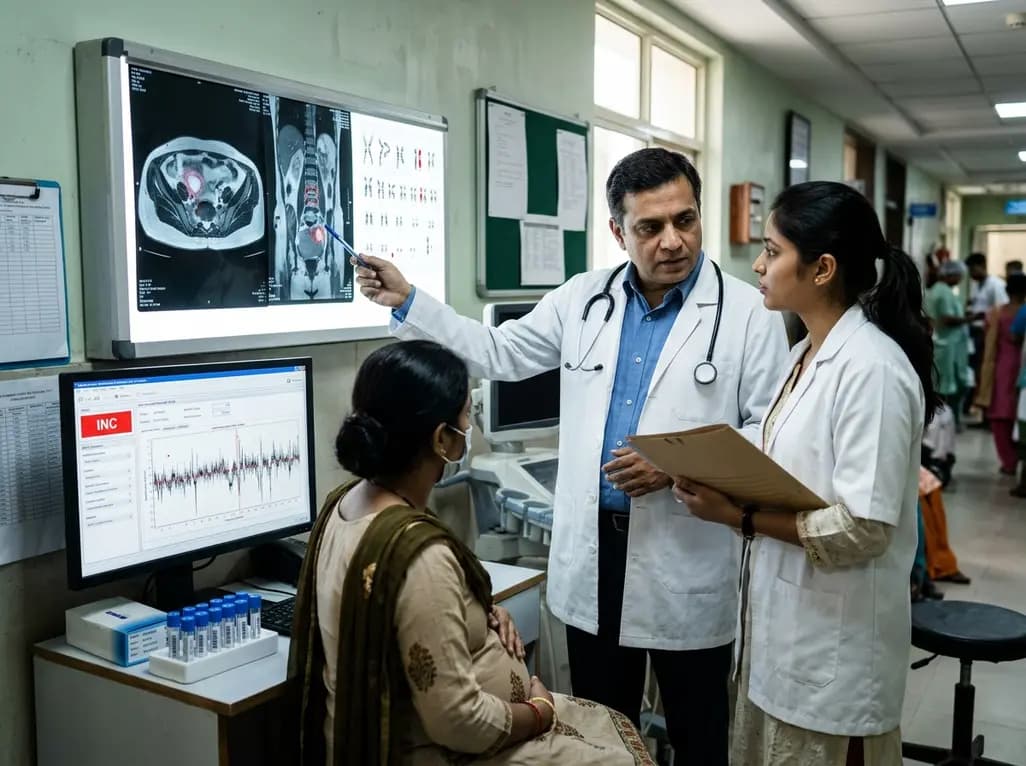
Occult maternal malignancy accounts for 3.82% of persistent unreportable NIPT results with genomic noise. Multiple chromosomal aberrations, notably on chromosome 18, warrant thorough oncological evaluation and whole-body MRI to ensure timely maternal diagnosis while preserving fetal care.
Today
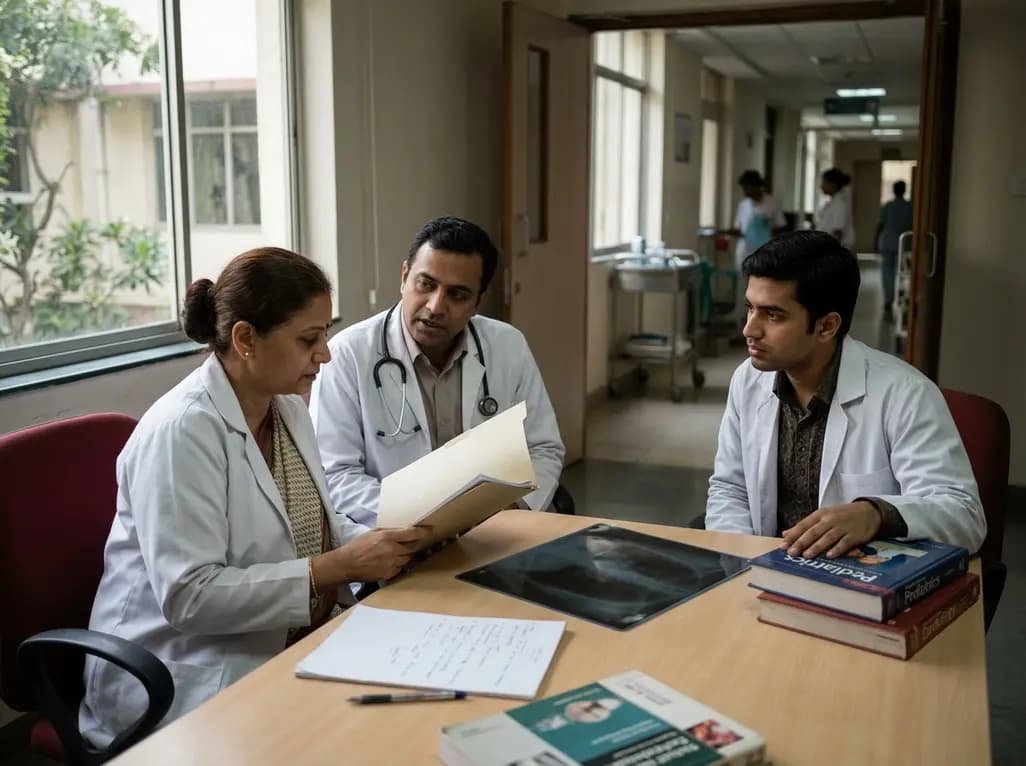
This article reviews the forensic and clinical complexities of acute myocarditis arising on left ventricular hypertrophy in children, highlighting early diagnostic red flags and multidisciplinary postmortem autopsy protocols.
Today
A randomized controlled trial demonstrates that an eight-week dual-task training intervention significantly improves static and dynamic postural control over standard balance exercises in individuals with chronic ankle instability, addressing critical neurocognitive deficits during athletic and daily activities.
Today

A retrospective cohort study of 7,716 ICU patients from the MIMIC-IV database demonstrates that Gradient Boosting Decision Trees significantly outperform traditional SOFA scores in predicting in-hospital mortality among patients with sepsis and diabetes, with SHAP analysis providing clinical interpretability.
Today
