

Loading, please wait...
Loading, please wait...

Modern neuro-oncology treatment paradigms increasingly demand a nuanced balance between overall survival and functional preservation. Consequently, clinicians must reliably utilize validated patient-reported outcome measures to capture how brain tumors and neurotoxic therapies impact day-to-day life. Standard survival metrics and radiological evaluations describe tumor volume changes accurately, yet they often fail to capture subtle cognitive deterioration, emotional exhaustion, or functional disability. Therefore, healthcare systems worldwide rely on patient-reported endpoints to determine the net clinical benefit of novel surgical, radiation, and pharmacological interventions.
In neuro-oncological care, preserving cognitive reserves and maintaining autonomy remain paramount therapeutic goals for patients and their families. When clinical trials fail to measure outcomes that matter directly to patients, oncologists risk adopting interventions that extend survival at the cost of severe functional decline. Because health authorities and reimbursement bodies require robust clinical evidence, selecting appropriate assessment tools has emerged as an urgent priority. Consequently, the RANO-PRO working group initiated a rigorous international effort to appraise existing measurement instruments systematically.
To determine instrument relevance, the RANO-PRO investigators applied the World Health Organization International Classification of Functioning, Disability, and Health framework. Specifically, this global model conceptualizes human health across body functions, activities, participation, and environmental contexts. The investigators systematically identified 215 distinct outcome tools previously published across adult brain tumor literature. Furthermore, they constructed an extensive survey containing 148 discrete items reflecting every relevant dimension within this comprehensive classification system.
Next, the researchers administered this survey across international neuro-oncology centers, recruiting 114 brain tumor patients, 71 family proxies, and 65 expert healthcare professionals. The study defined an issue as clinically relevant if at least 25% of patients or proxies, or at least 50% of healthcare professionals, endorsed its everyday impact. Subsequently, investigators linked every questionnaire item from the 215 identified instruments directly against these verified items. Content coverage was then computed to establish whether existing instruments adequately represent prioritized patient issues. Through this rigorous linkage exercise, the team established an objective benchmark for measuring clinical relevance.
The investigation revealed substantial deficits across existing assessment batteries. Out of the 148 survey items evaluated, stakeholders identified only 56 items, representing 37.8%, as truly relevant clinical issues. More critically, depending on the threshold criteria employed, only 35% to 49% of the 215 evaluated instruments achieved sufficient content validity, defined as reaching at least 80% content coverage. Consequently, more than half of the outcome tools deployed in neuro-oncology fail to measure the dimensions that matter most to patients.
Furthermore, multidimensional quality-of-life batteries exhibited the most pronounced weaknesses. Many traditional instruments incorporate generalized systemic symptoms while neglecting critical functional challenges unique to intracranial pathology. As a result, clinical investigators frequently collect superfluous data that inflate questionnaire burden without illuminating true neuro-functional preservation. In contrast, narrow single-domain scales often demonstrated superior conceptual alignment because they target isolated symptoms directly. Nevertheless, comprehensive evaluations require tools that capture the complex intersection of neurological deficits, psychological adaptation, and social roles without omitting core stakeholder priorities.
A striking finding emerged regarding the specific health aspects that patients and their caregivers prioritize. Patients and proxies consistently identified cognitive and executive impairments as their most overwhelming challenges. Specifically, respondents reported severe difficulties with concentration, working memory, multitasking, and coping with psychological stress. These executive dysfunctions severely undermine independent living, career retention, and domestic responsibilities, frequently provoking emotional distress and relational tension.
However, healthcare professionals often prioritize physical symptoms, focal motor deficits, or seizure frequency during routine consultations. While controlling seizures and stabilizing motor deficits remain vital clinical objectives, ignoring executive functioning distorts the assessment of overall disease burden. Additionally, relatives acting as caregivers repeatedly emphasized the chronic emotional toll of managing behavioral shifts and executive fatigue. Therefore, neuro-oncologists must actively recalibrate clinical communication to probe cognitive clarity and executive resilience. When assessing new therapeutic regimens, trial protocols must incorporate sensitive instruments that track subtle memory retention, complex task execution, and emotional regulation over extended follow-up intervals.
For oncologists and neurologists practicing across India, these findings offer vital guidance for routine clinics and academic trials. Neuro-oncology centers in India encounter unique socioeconomic dynamics, where extended families provide extensive informal caregiving. Consequently, incorporating proxy assessments and monitoring executive strain becomes especially meaningful for patient management. Moreover, as Indian tertiary centers participate increasingly in global oncology trials, investigators must avoid selecting outdated instruments that demonstrate poor content validity under the ICF framework.
Additionally, language diversity and cultural perceptions of cognitive deficits pose significant practical hurdles in Indian healthcare. Clinicians must validate vernacular translations of recommended instruments to capture subtle difficulties in concentration, memory, and workplace multitasking. Furthermore, busy outpatient neuro-oncology clinics frequently grapple with high patient volumes, making cumbersome questionnaires impractical. Clinicians can resolve this tension by adopting streamlined, targeted outcome measures that focus squarely on the 56 stakeholder-verified domains. Ultimately, prioritizing validated measures empowers Indian physicians to quantify real-world treatment tolerability, guide palliative interventions proactively, and demonstrate tangible clinical benefit to regulatory authorities.
Content validity ensures that a questionnaire comprehensively measures the specific symptoms, daily limitations, and cognitive challenges relevant to patients. Without content validity, trials risk capturing irrelevant data while ignoring vital concerns like memory loss or stress. Consequently, regulators cannot accurately determine if a new therapy genuinely improves daily patient well-being.
Patients and proxies prioritized executive cognitive dysfunction over general physical symptoms. Specifically, they highlighted difficulties with concentration, memory retention, multitasking, and handling psychological stress as their most impactful challenges. These cognitive disruptions severely restrict personal autonomy, professional performance, and domestic functioning, making their accurate longitudinal assessment clinically indispensable.
Researchers should select instruments demonstrated to have at least 80% content coverage against stakeholder-validated frameworks, such as the WHO ICF. Furthermore, study teams should avoid lengthy, generic questionnaires that omit executive functioning. Instead, investigators should deploy targeted, modular tools that minimize survey burden while tracking meaningful cognitive and functional outcomes.
Disclaimer: This content is for informational and educational purposes only and should not be considered as medical advice. Healthcare professionals should make decisions based on their clinical judgment and the individual circumstances of each patient. Refer to the latest local and national guidelines for clinical practice.
References

Read summarized clinical updates, watch expert medical content, and earn CME certifications right from your smartphone.
Open your smartphone camera to scan and install.





A RANO-PRO initiative study revealed that more than half of patient-reported outcome measures in neuro-oncology lack sufficient content validity. Patients prioritized cognitive challenges like memory and concentration, urging clinical trials to adopt more relevant, validated assessment tools.
Today

A large UK cohort study of over 3.9 million patients found no substantive difference in the risk of peripheral neuropathy between systemic fluoroquinolones and cephalosporins, providing clinical reassurance while affirming known risks such as tendon rupture.
Today

A novel high-permeation vesicle-in-gel platform enhances transdermal fulvestrant delivery, achieving sustained release, robust intradermal retention, and superior antitumor efficacy in breast cancer models while circumventing the drawbacks of painful intramuscular depot injections.
Today
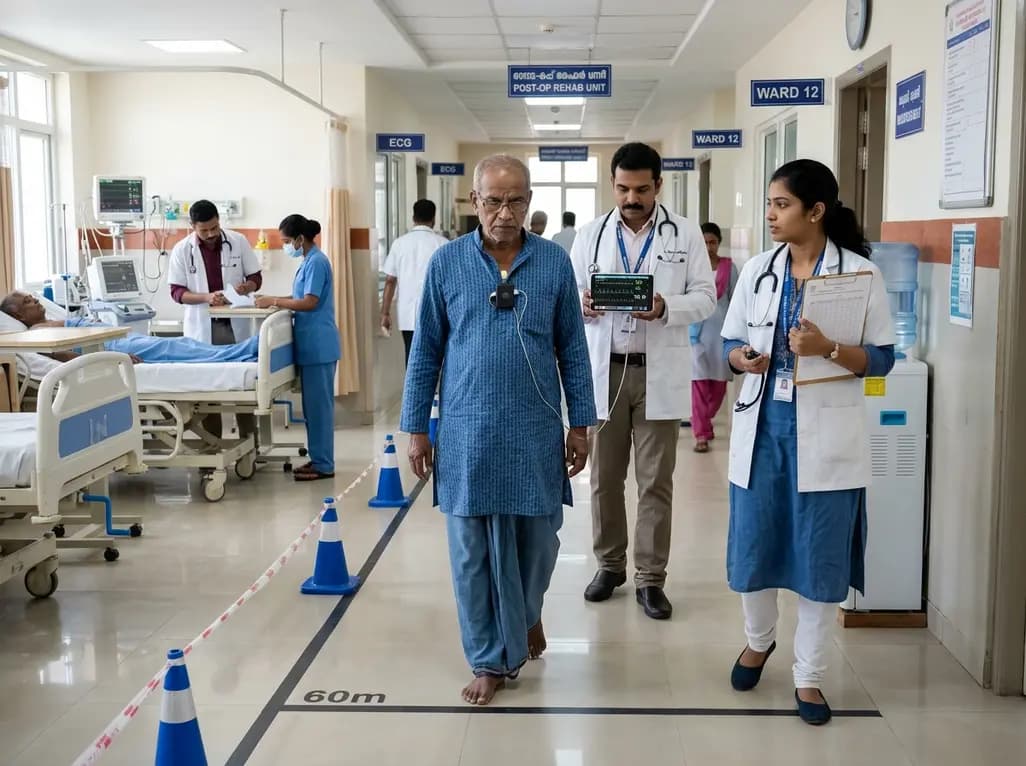
A recent study highlights the utility of measuring cardiac effort after surgery. In older, frail individuals undergoing cardiac surgery, combining continuous ECG with the six-minute walk test provides vital physiologic insights, demonstrating that heart rate responses mirror cycle ergometry.
Today

A systematic review and meta-analysis of 8 RCTs evaluated bipolar versus monopolar electrocautery in primary total hip and knee arthroplasty. Pooled data revealed no significant differences in haemoglobin drop, blood loss, or length of stay, concluding that routine bipolar electrocautery is not supported.
Yesterday
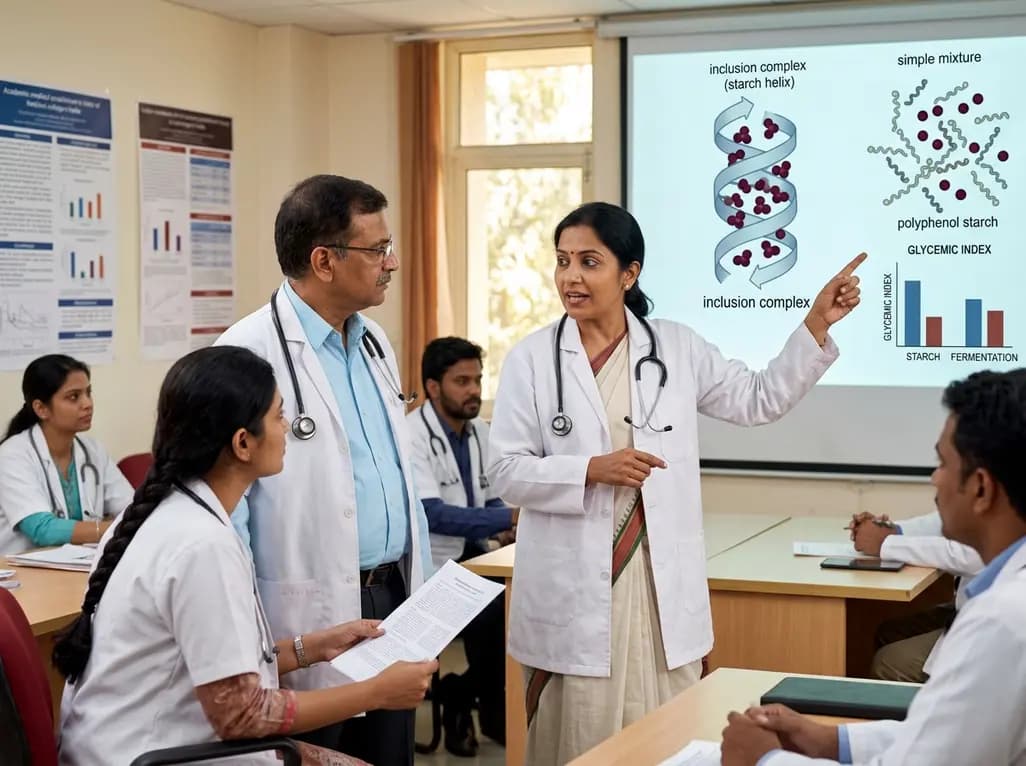
A critical review evaluates whether starch-polyphenol complexes meet structural and metabolic criteria to qualify as type 5 resistant starch. The proposed tiered evidence framework distinguishes true inclusion complexes from simple mixtures, clarifying mechanisms for glycemic modulation and gut fermentation.
Today
