.webp&w=384&q=75)

Loading, please wait...
Loading, please wait...
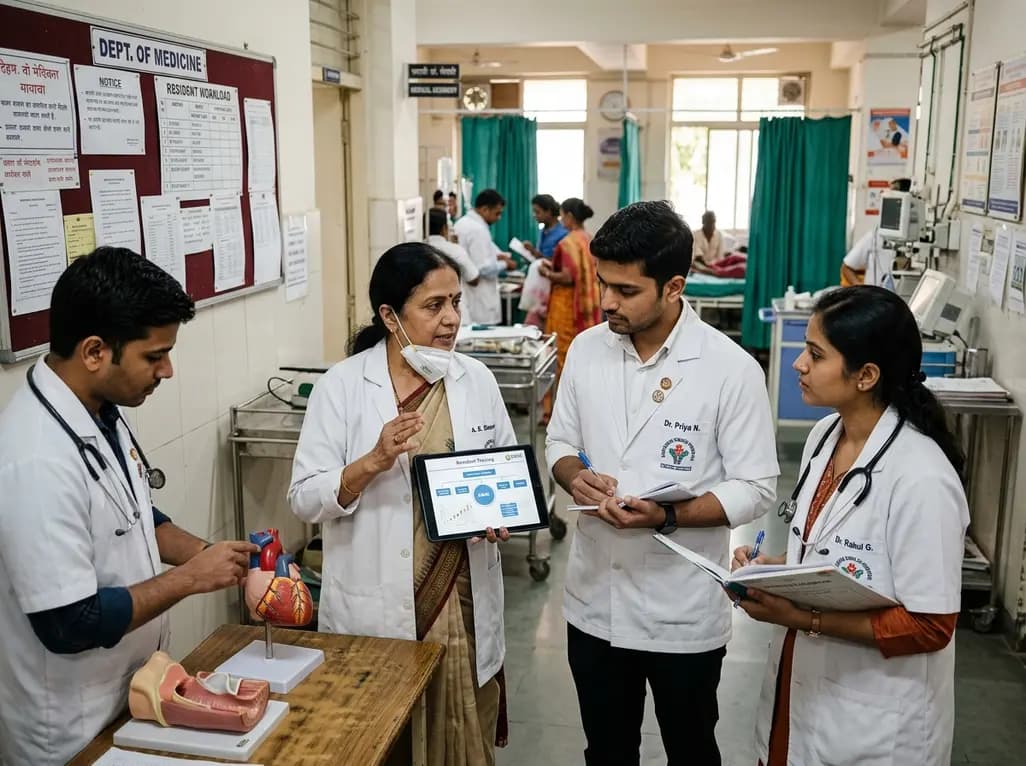
Modern postgraduate medical training faces a pivotal transition from traditional time-based apprenticeship models toward structured outcome-oriented frameworks. Recent research emphasizes that competency-based resident education offers a robust blueprint to ensure trainees acquire clinical excellence, scholarly capabilities, and professional competencies. Historically, residency relied heavily on opportunistic clinical exposure, which often left gaps in non-clinical domains such as research methodology, systems-based practice, and physician well-being. Consequently, academic institutions worldwide are evaluating resident perspectives to identify critical gaps in contemporary curricula. A recent cross-sectional study highlighted significant differences between current training realities and the comprehensive competencies that trainees genuinely desire. By examining these perceived needs, medical educators can redesign postgraduate programs to cultivate well-rounded clinicians who excel across complex healthcare environments.
Traditional residency training predominantly utilizes experiential apprenticeship. While this traditional model provides rich exposure to acute patient care, it frequently neglects structured instruction in broader professional domains. A recent hospital-wide survey of 117 residents revealed that current training programs remain robust in core clinical instruction. However, residents overwhelmingly expressed a desire for a balanced educational framework that equally integrates clinical practice, formal research methodology, and essential general competencies.
Furthermore, this gap highlights a universal dilemma across postgraduate medical education. Modern healthcare systems demand that doctors function not only as direct caregivers but also as clinical researchers, multidisciplinary team leaders, and health advocates. Therefore, continuing with an unstructured apprenticeship model risks producing physicians who may struggle with administrative navigation, quality improvement initiatives, and evidence appraisal. Consequently, academic medical centres must systematically align residency milestones with structured competency frameworks. By adopting competency-based resident education, teaching hospitals can bridge the divide between immediate clinical service requirements and long-term professional development goals.
A critical finding from resident needs assessments is that educational priorities transform dramatically as trainees advance through their residency. Junior residents naturally prioritize foundational clinical skills, emergency procedures, and coping strategies for occupational stress. During these formative years, high clinical volumes and intense workloads create immediate demands for basic clinical survival tools and resilience training.
In contrast, senior residents demonstrate a marked shift toward advanced intellectual and leadership pursuits. As their clinical autonomy solidifies, senior trainees express a strong demand for academic writing, clinical trial design, biostatistics, and healthcare systems literacy. Therefore, applying a uniform, one-size-fits-all curriculum across all residency years fails to address these distinct developmental phases. Medical educators must instead construct stage-specific milestones that address trainees' immediate challenges during their early tenure while scaffolding advanced professional topics for senior years. Consequently, designing tiered educational modules ensures that learning remains relevant, engaging, and directly applicable at each stage of postgraduate training.
Although residents show enthusiasm for expanding their competencies, substantial systemic obstacles often impede active participation. Heavy clinical workload, long duty hours, and acute administrative burdens represent the most pervasive barriers to postgraduate academic engagement. When clinical responsibilities consume excessive hours, trainees experience cognitive fatigue and lack the time needed to pursue formal coursework or research projects.
To successfully implement competency-based programs, healthcare leadership must introduce supportive structural measures. Specifically, institutions should consider strategic clinical workload reduction, dedicated protected time for academic activities, and streamlined administrative workflows. Moreover, institutional backing signals to trainees that professional development is valued alongside routine service delivery. Without deliberate institutional adjustments, even the best-designed curriculum will face poor compliance and trainee disengagement. Therefore, building an effective educational ecosystem requires hospital administrators and clinical faculty to collaborate closely, ensuring that service demands do not extinguish educational opportunities.
To overcome time constraints and logistical challenges, residency programs are increasingly adopting modern instructional designs. Survey data indicate that trainees strongly favor digital modules, asynchronous learning, and blended educational formats. Online modules provide the flexibility that shift-working clinicians require, allowing them to engage with foundational theory at their own pace.
Meanwhile, in-person training can focus on interactive case discussions, high-fidelity simulations, and bedside procedural mentoring. This hybrid approach optimizes valuable faculty time while enhancing practical skill acquisition. Furthermore, microlearning modules and on-demand digital repositories can deliver targeted knowledge precisely when residents encounter specific clinical challenges. Additionally, incorporating regular formative evaluations through Entrustable Professional Activities enables educators to monitor real-world competency progression objectively. Consequently, modernizing delivery platforms ensures that competency-based curricula remain accessible, efficient, and sustainable within demanding hospital environments.
The findings from resident surveys offer vital insights for residency training reforms across the globe, including countries implementing competency-based frameworks like India. As regulatory bodies update postgraduate curricula, understanding resident-reported needs helps prevent curricular mismatch. Medical graduates require well-rounded training that prepares them for multifaceted roles in academia, private practice, and public health systems.
Moreover, medical institutions must establish robust faculty development programs. Clinical supervisors must transition from passive observers to active mentors who provide constructive, real-time feedback. Establishing regular feedback loops between residents and program directors ensures continuous curricular refinement. In addition, recognizing mental health support and stress management as formal core competencies enhances trainee retention and reduces burnout. Ultimately, establishing an agile, learner-centered educational environment produces confident specialists capable of meeting dynamic global healthcare challenges.
The primary objective of competency-based resident education is to shift medical training from a time-based apprenticeship model to an outcome-focused framework. Consequently, this model ensures that postgraduate trainees master defined clinical skills, research methodologies, communication abilities, and professional competencies before transitioning to autonomous practice. Ultimately, this approach guarantees standardized clinical quality, enhances patient safety, and prepares physicians for multifaceted healthcare leadership roles throughout their careers.
Educational needs evolve because trainees face distinct developmental milestones throughout their postgraduate progression. Specifically, junior residents require immediate instruction in fundamental clinical skills, patient stabilization, and stress management to navigate heavy workloads. In contrast, senior residents possess baseline clinical confidence and consequently demand advanced training in academic writing, clinical research, leadership, and health systems management to prepare for independent clinical practice and academic leadership.
Institutions can overcome educational barriers by providing protected academic time, reducing routine administrative burdens, and adopting flexible blended learning models. Furthermore, offering asynchronous digital modules allows busy residents to learn theoretical concepts at their own pace without compromising patient care duties. Additionally, providing mental health resources and cultivating supportive faculty mentorship significantly improves resident engagement, well-being, and curriculum compliance across all training stages.
Disclaimer: This content is for informational and educational purposes only and does not constitute medical, legal, or professional advice. Readers should verify clinical details independently and refer to local regulatory bodies or academic institutions for training standards and accreditation. Refer to the latest local and national guidelines for clinical practice.
References

Read summarized clinical updates, watch expert medical content, and earn CME certifications right from your smartphone.
Open your smartphone camera to scan and install.





A recent survey reveals key training needs and barriers among medical residents, highlighting the necessity of stage-specific curricula, blended learning, and workload support for effective competency-based resident education.
4 weeks back

Chronic eosinophilic pneumonia can present with atypical bronchoalveolar lavage findings and an organizing pneumonia pattern, necessitating surgical lung biopsy.
Today

Discover the crucial distinctions between mesonephric and mesonephric-like proliferations of the female genital tract. Learn the key histomorphologic, immunohistochemical, and molecular differences essential for accurate diagnosis and clinical management.
Today
Kikuchi-Fujimoto disease rarely presents with refractory shock and sinus bradycardia in children. This case report highlights life-threatening hemodynamic instability requiring intensive care, preserved cardiac contractility, and the critical diagnostic role of early excisional lymph node biopsy.
Today
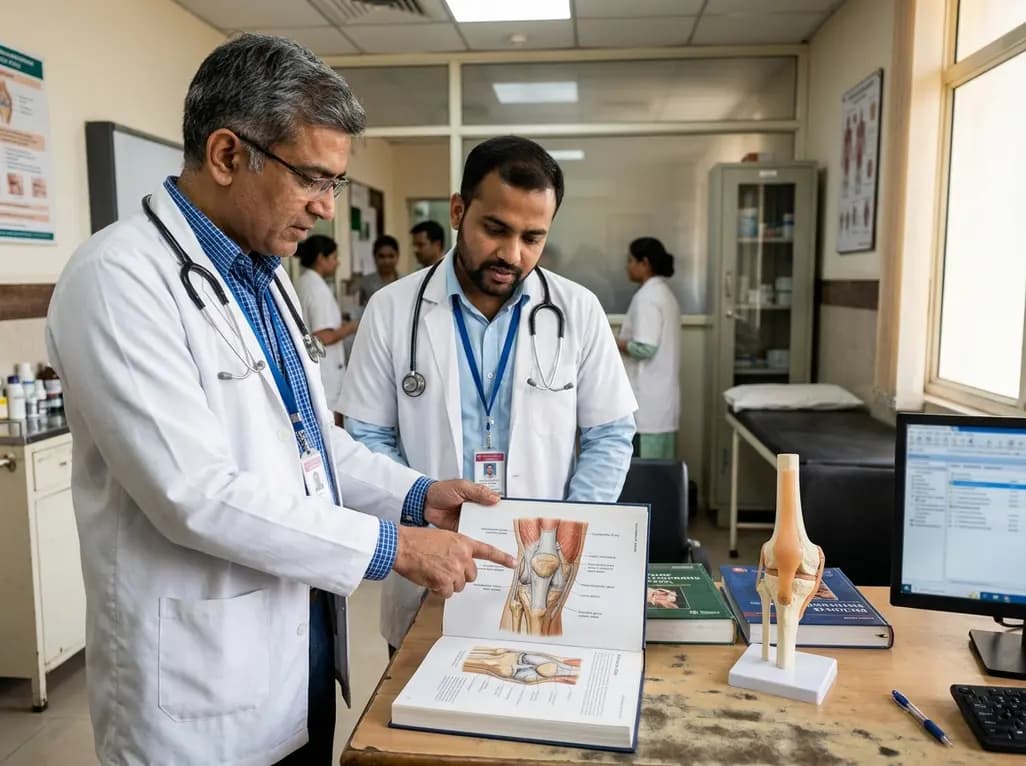
A narrative review investigates whether the articularis genus muscle functions as an independent anatomical entity or blends with the vastus intermedius. We evaluate its morphology, role in retracting the suprapatellar bursa, and direct clinical significance in anterior knee pain and arthroplasty.
Today

A Bayesian multilevel meta-analysis reveals that aerobic training combined with moderate carbohydrate restriction modestly lowers HbA1c in type 2 diabetes. However, sparse data and very low certainty leave incremental benefits over exercise or diet alone unproven, highlighting the need for individualized care.
Today
