

Loading, please wait...
Loading, please wait...
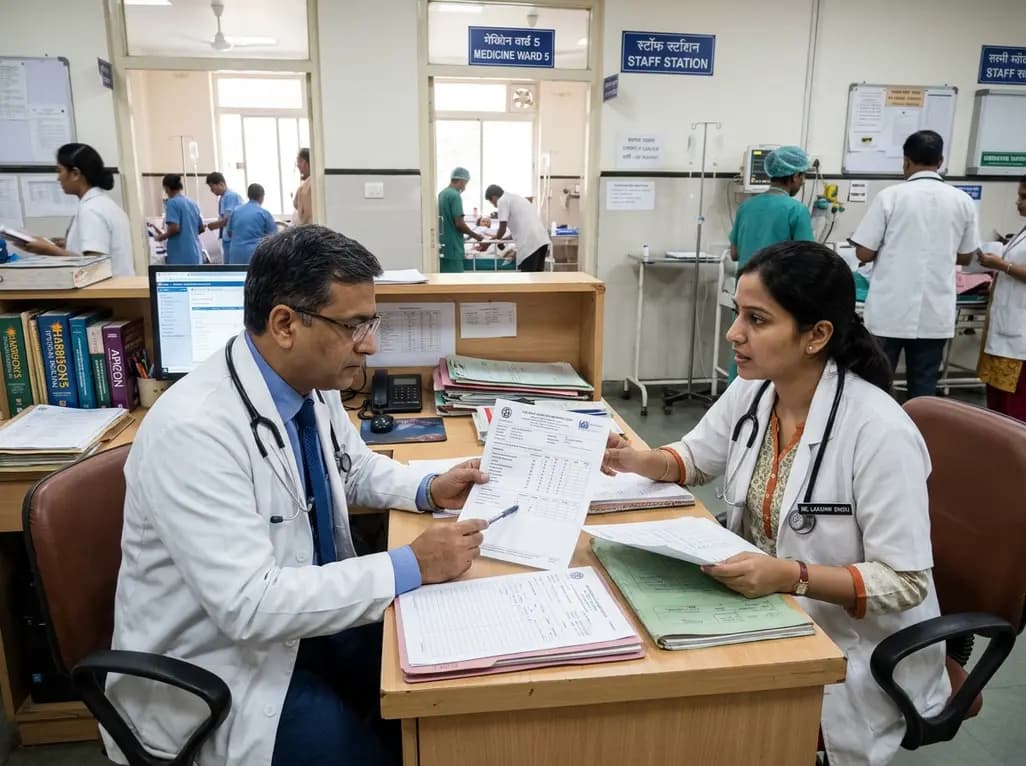
Bacterial pathogens increasingly evade standard therapeutic agents across diverse healthcare settings. Therefore, antimicrobial resistance poses a critical challenge to clinical practice worldwide. When primary antimicrobials lose clinical efficacy, routine surgical procedures and immunosuppressive regimens face grave hazards. Consequently, clinicians encounter restricted options for managing common infections. Preserving these essential life-saving therapies requires coordinated, decisive action from all healthcare practitioners.
Epidemiological models highlight a catastrophic trajectory for patient outcomes over the coming decades. Specifically, recent analyses in The Lancet estimate that 1.91 million deaths will directly stem from resistant pathogens by 2050. In addition, resistant bacterial strains will contribute indirectly to over 8.2 million deaths annually. Currently, international data indicate that one in six laboratory-confirmed bacterial infections worldwide exhibits resistance to primary therapeutic agents. Moreover, this clinical burden disproportionately impacts vulnerable patient populations, including oncology patients and solid-organ transplant recipients. In these complex cases, standard empirical regimens frequently fail to control secondary bacteremia. Consequently, patients suffer protracted hospital admissions, escalating healthcare expenses, and elevated mortality risks. Furthermore, surveillance reports from national public health bodies illustrate substantial drug resistance across intensive care units. For example, clinicians frequently encounter multidrug-resistant gram-negative organisms that defy routine carbapenem therapy. As a result, medical practitioners must resort to older, more toxic salvage drugs with variable efficacy profiles. Thus, unchecked microbial adaptation threatens to undo decades of advancement in critical care and chemotherapy. In response, international health authorities urge hospital networks to enforce stringent clinical stewardship protocols. Healthcare systems must therefore confront this crisis before therapeutic options vanish entirely.
To address this systemic challenge, India launched the updated National Action Plan on Antimicrobial Resistance 2.0 covering 2025 through 2029. This comprehensive strategic roadmap unites human medicine, veterinary health, agriculture, and environmental sectors under a unified One Health framework. Furthermore, the initiative emphasizes that interspecies transmission pathways accelerate resistance genes across shared ecological niches. Policymakers have simultaneously prioritized active private-sector collaboration to expand resource sharing and clinical education. In addition, national health authorities continue to promote the Red Line campaign to curb irrational over-the-counter medication dispensing. This public outreach reminds consumers that prescription-only antibiotics must never be acquired without valid clinical authorization. Similarly, the Indian Council of Medical Research regularly updates national treatment guidelines to align empirical prescribing with regional resistance patterns. By following these standardized protocols, general practitioners avoid administering broad-spectrum agents for mild, self-limiting infections. Consequently, institutional adherence to evidence-based prescribing minimizes unnecessary selective pressure on commensal microbiota. Moreover, coordinated governance bridges the gap between high-level policy formulation and practical bedside clinical decision-making. Therefore, multifaceted intersectoral alignment provides the necessary framework to safeguard existing antimicrobials across community and tertiary facilities.
Clinical progress against resistant infections depends heavily on rapid, accurate microbiological diagnostics. Traditionally, empirical antibiotic administration precedes culture confirmation, which inadvertently encourages broad-spectrum drug overuse. However, expanding access to point-of-care sensitivity testing allows clinicians to choose targeted therapies much earlier. India has expanded the National AMR Surveillance Network across designated diagnostic laboratories to monitor changing susceptibility trends. Specifically, this platform tracks nine priority bacterial pathogens to generate granular, facility-specific antibiograms. Consequently, local data directly guide hospital formulary decisions and clinical pathway development. Furthermore, early diagnostic confirmation prevents prolonged exposure to toxic third-line reserve medications. In addition, hospitals must integrate diagnostic stewardship directly into routine clinical workflow pathways. Pathologists and clinical microbiologists collaborate with bedside physicians to interpret complex minimum inhibitory concentration values. As a result, treating physicians can de-escalate empirical antimicrobials promptly once susceptibility results return. Moreover, automated reporting mechanisms detect cluster outbreaks of resistant clones within intensive care settings. Therefore, robust surveillance infrastructure transforms microbiological surveillance data into timely clinical interventions that directly save patient lives.
Rational prescribing frameworks remain central to curtailing widespread selective pressure on common bacterial pathogens. In particular, the World Health Organization classifies essential antibacterial agents into Access, Watch, and Reserve categories. Notably, the United Nations established a target requiring Access-group antibiotics to constitute at least 70% of total human consumption by 2030. These narrow-spectrum first-line agents effectively treat routine community-acquired infections while carrying lower resistance induction risks. However, clinical audits frequently reveal widespread overutilization of Watch-group fluoroquinolones and cephalosporins for uncomplicated illnesses. Clinicians must resist external patient pressures demanding immediate broad-spectrum therapy for suspected viral infections. Furthermore, healthcare institutions in international jurisdictions have demonstrated measurable success through structured prescribing targets. For instance, primary care providers across England achieved 1.1 million fewer antibiotic prescriptions during recent surveillance periods. Similarly, Indian medical practitioners can adopt standardized outpatient checklists to distinguish viral upper respiratory syndromes from true bacterial infections. As a result, clinicians avoid writing unneeded prescriptions while educating patients on symptomatic relief strategies. Consequently, judicious antimicrobial selection preserves reserve therapeutic agents for genuinely refractory, life-threatening nosocomial infections. Therefore, prioritizing Access-group agents represents an indispensable clinical safeguard for community healthcare delivery.
The global battle against antimicrobial resistance demands accountability from pharmaceutical manufacturers beyond novel drug discovery. Historically, pharmaceutical initiatives focused primarily on expanding drug pipelines rather than stewarding commercial molecules. Today, pharmaceutical leadership must encompass responsible manufacturing practices, robust waste management, and sustainable supply chains. For example, discharging untreated active pharmaceutical ingredients into municipal waterways fosters intense environmental resistance reservoirs. Fortunately, independent global benchmarks recognize Indian manufacturers for pioneering responsible effluent standards and auditing external suppliers. In addition, pharmaceutical enterprises must assist health centers by expanding access to affordable point-of-care diagnostic tools. Collaborations between industry leaders and tertiary hospitals provide vital scientific training for frontline healthcare professionals. Furthermore, manufacturers must ensure reliable global distribution of narrow-spectrum antibiotics to prevent drug shortages that force clinicians toward broader alternatives. However, noticeable gaps persist in medicine accessibility and equitable distribution across underserved rural settings. Thus, commercial innovation must proceed alongside continuous stewardship, affordable access, and rigorous ecological safety. Ultimately, collective vigilance across pharmaceutical production facilities protects critical ecosystems and sustains drug utility for future generations. Consequently, responsible manufacturing creates a vital barrier against industrial antimicrobial pollution.
Q1: What is the primary clinical objective of India's National Action Plan on Antimicrobial Resistance 2.0?
India's updated National Action Plan on Antimicrobial Resistance 2.0 establishes an intersectoral One Health framework across human, animal, and environmental sectors. Furthermore, the plan strengthens national surveillance through NARS-Net to monitor nine priority pathogens. Consequently, the program guides hospital antimicrobial stewardship, restricts over-the-counter dispensing, and expands diagnostic access. These coordinated measures help clinicians make evidence-based prescribing choices that prolong the efficacy of essential antibacterial therapies.
Q2: Why does the World Health Organization emphasize utilizing Access-group antibiotics as first-line therapy?
The World Health Organization categorizes essential antimicrobials to encourage rational clinical utilization and curb emerging drug resistance. Access-group antibiotics exhibit activity against common pathogens while showing lower resistance-driving potential than broader agents. Therefore, the United Nations established a target for Access-group drugs to represent at least 70% of total human consumption by 2030. Prioritizing these agents limits selective pressure on microbiota, prevents unnecessary broad-spectrum exposure, and reserves critical Watch and Reserve medications for severe infections.
Q3: How do diagnostic testing and sensitivity profiling reduce the emergence of bacterial resistance?
Diagnostic testing and antimicrobial sensitivity profiling identify the precise causative organism alongside its phenotypic susceptibility pattern. Consequently, physicians avoid prolonged empirical therapy with excessively broad antibiotics. When sensitivity profiles become available, clinicians can confidently de-escalate therapy to targeted, narrow-spectrum agents. This timely transition prevents unnecessary drug toxicity, shortens inpatient admissions, and restricts the ecological selective pressure that encourages multidrug-resistant mutations. Ultimately, diagnostic stewardship aligns patient management with accurate microbiological evidence.
Disclaimer: This content is for informational and educational purposes only. It does not constitute medical advice or replace professional judgment. Refer to the latest local and national guidelines for clinical practice.
References

Read summarized clinical updates, watch expert medical content, and earn CME certifications right from your smartphone.
Open your smartphone camera to scan and install.





Discover how antimicrobial resistance challenges modern clinical medicine. Learn how India's NAP-AMR 2.0, diagnostic sensitivity testing, targeted Access-group antibiotics, and responsible pharmaceutical manufacturing unite under a One Health strategy to protect therapeutic efficacy.
Today
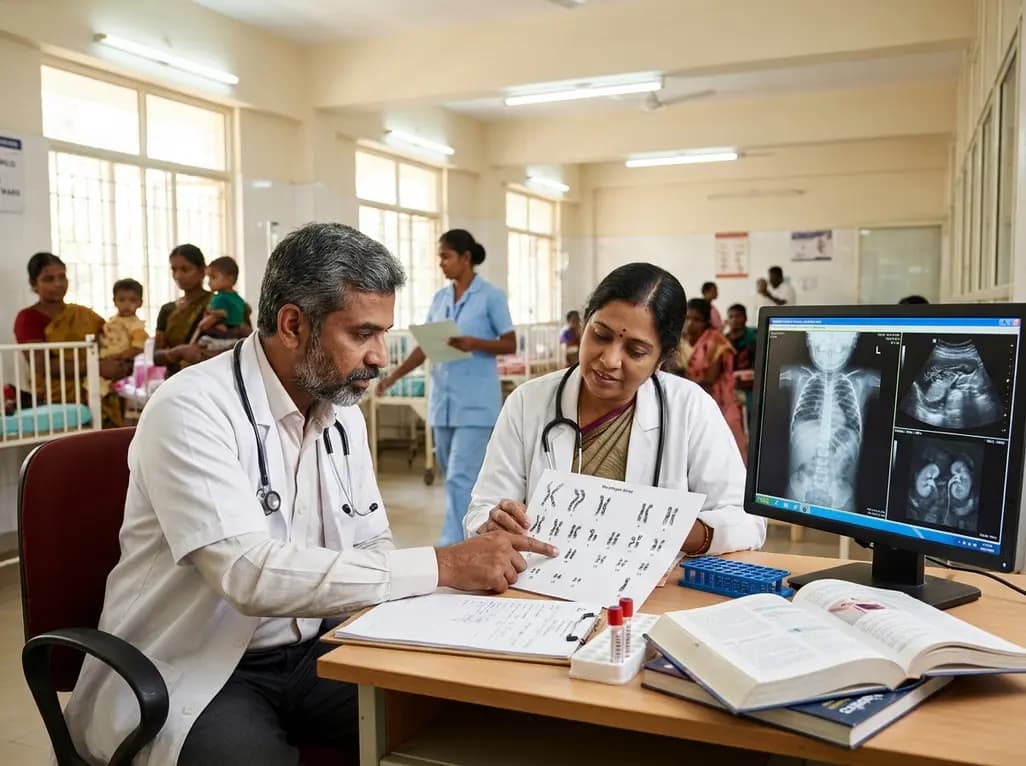
Mosaic trisomy 20 presents a unique diagnostic challenge. Although frequently viewed as a benign artifact in prenatal testing, true mosaicism causes distinct skeletal, gastrointestinal, and renal manifestations. Skin fibroblast karyotyping provides definitive confirmation and guides long-term multidisciplinary care.
Today

A nationwide Swedish register study of 46,479 VTE patients found no significant increase in major or fatal bleeding with concomitant DOAC and SSRI therapy compared to DOACs alone, though all-cause mortality was modestly elevated, offering reassuring safety data for clinicians managing both conditions.
Today
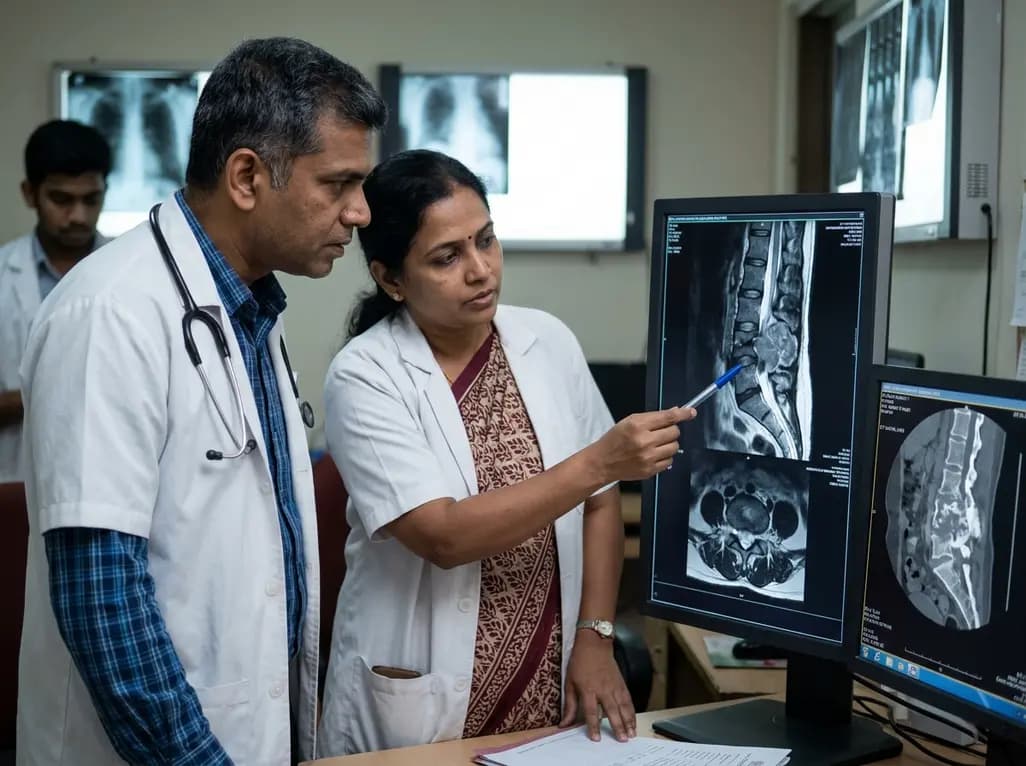
Primary spinal bone tumors can mimic benign nerve sheath tumors as foraminal dumbbell lesions. Learn to recognize crucial CT red flags and prevent delays.
Today
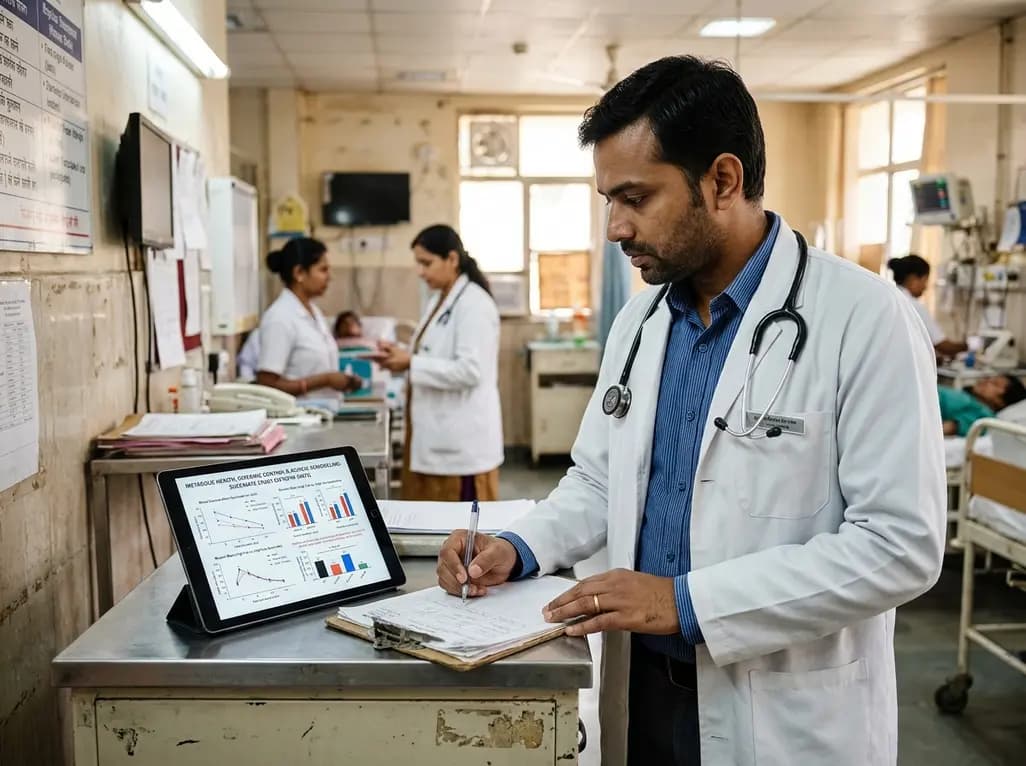
A recent investigation assesses the impact of succinate supplements on metabolic health, energy intake, and muscle remodeling in mice fed high-fat or ketogenic diets. Although succinate briefly blunts hyperphagia, it fails to improve long-term glycemic control or alter skeletal muscle hypertrophy.
Today
