.webp&w=384&q=75)

Loading, please wait...
Loading, please wait...

Locally recurrent rectal cancer represents one of the most demanding therapeutic dilemmas in modern gastrointestinal oncology. Historically, clinicians viewed local recurrence following curative surgical resection as simple anatomical persistence or microscopic residual disease. However, contemporary genomic investigations demonstrate that pelvic recurrences undergo profound evolutionary shifts. A recent pivotal study evaluated matched primary and recurrent tumors from treatment-naïve patients to elucidate these evolutionary trajectories. By analyzing high-purity specimens via targeted next-generation sequencing, researchers mapped the genetic transitions occurring between initial presentation and subsequent relapse. Their findings reveal that recurrent tumors acquire distinct, clinically actionable oncogenic mutations, fundamentally challenging conventional salvage protocols.
Surgical resection remains the cornerstone of curative therapy for localized rectal adenocarcinoma. Nevertheless, approximately 6% to 10% of patients experience pelvic recurrence even after achieving complete gross excision. To understand whether these recurrences represent passive outgrowth or active biological adaptation, researchers examined 15 treatment-naïve matched tumor pairs. Importantly, excluding patients who received neoadjuvant chemoradiation eliminated therapy-induced hypermutation as a confounding variable.
The investigative team utilized a targeted panel covering 22 critical colorectal cancer genes. Specifically, the analysis assessed variant allele frequencies and clonal dominance across hundreds of pathogenic mutations. The researchers discovered that 80% of paired tumors shared key driver mutations, confirming their common ancestral origin. Notably, TP53 mutations persisted across 73% of matched specimens. Furthermore, shared mutations displayed significantly higher variant allele frequencies in recurrent tissues compared to primary lesions. The median variant allele frequency rose from 47.6% in primary tumors to 57.1% in recurrent lesions. In addition, strictly clonal mutations exhibited a median variant allele frequency jump from 49.8% up to 86.4%. Consequently, these findings indicate that local relapse stems from intense clonal selection where dominant ancestral clones progressively consolidate their leadership.
Tumor progression follows complex branching evolutionary models rather than simple linear paths. In this cohort, investigators tracked both shared truncal mutations and private subclonal variations across temporal boundaries. Although truncal alterations in TP53 and KRAS established the malignant foundation, recurrent tumors accumulated significant de novo divergence. Unique mutations appeared with modestly higher allele frequencies in recurrences relative to baseline primary tissues.
Moreover, the total burden of clonal driver mutations remained steady at 32 events in both states. However, the internal composition and dominance of these clones shifted markedly over time. Subclones that occupied minor niches in primary neoplasms expanded aggressively to colonize the recurrent site. This clonal replacement demonstrates that pelvic recurrences do not merely reflect unmanipulated surgical remnants. Instead, they represent Darwinian selection favoring resilient cellular lineages capable of thriving within the altered postoperative microenvironment. In addition, inflammatory signaling, surgical tissue remodeling, and disrupted vascular networks may accelerate this evolutionary divergence. Understanding this genomic plasticity allows oncologists to appreciate why recurrent tumors frequently exhibit heightened biological aggressiveness.
The most striking discovery from temporal sequencing involves the acquisition of targetable genomic alterations in recurrent specimens. Primary rectal tumors often lack directly druggable kinase drivers outside standard RAS and RAF testing. However, recurrent lesions frequently acquired novel alterations in receptor tyrosine kinase pathways, specifically within MET and FGFR family genes.
Remarkably, several of these newly emerging alterations achieved clonal dominance in recurrent lesions despite total absence in primary tumors. In clinical practice, MET amplification and FGFR activating alterations represent established therapeutic vulnerabilities susceptible to targeted tyrosine kinase inhibitors. Therefore, the spontaneous emergence of these drivers provides concrete therapeutic pathways for patients facing locally recurrent rectal cancer. If clinicians rely solely on archival primary tissue, they completely miss these targetable alterations. Furthermore, targeted biological agents could provide systemic disease control or enhance radiation sensitivity during salvage attempts. Consequently, identifying these pathway alterations bridges the gap between molecular diagnostics and precision surgical oncology.
Clinical oncology has historically relied on diagnostic biopsies taken from the primary tumor to dictate systemic therapy across all disease stages. Unfortunately, this retrospective study underscores that primary tumor profiling provides an incomplete and outdated molecular portrait of recurrent disease. Relying on historical primary specimens risks mischaracterizing the current biological behavior of the recurrence.
Consequently, multidisciplinary teams must prioritize repeat tissue biopsies or comprehensive liquid biopsies whenever local recurrence occurs. Molecular testing on fresh recurrent specimens ensures that oncologists identify all newly acquired actionable targets. Furthermore, accurate genomic stratification prevents the futile administration of standard regimens against clones that have developed alternative survival pathways. Pathologists play an indispensable role in this paradigm by ensuring adequate tissue purity during recurrent tumor harvesting. In addition, incorporating high-depth next-generation sequencing into routine recurrence workups allows clinicians to adapt salvage strategies in real time. Ultimately, modern precision oncology demands that treatment plans reflect the real-time evolutionary status of the malignancy.
Locally recurrent rectal cancer poses extreme technical challenges for surgical oncologists. Achieving negative margins through pelvic exenteration or extensive resection requires profound surgical expertise and carries substantial morbidity. When surgeons combine radical re-excision with precision molecular therapies, patient outcomes improve significantly.
Moreover, identifying targetable alterations such as MET or FGFR mutations before salvage surgery opens unprecedented neoadjuvant windows. Tailored molecular inhibitors could potentially downsize complex recurrent masses, transforming marginally resectable pelvic lesions into clean surgical candidates. In addition, adjuvant targeted therapy guided by recurrence-specific profiling may effectively eradicate microscopic residuals and prevent tertiary failure. Multidisciplinary tumor boards must integrate surgical oncology, medical oncology, radiation oncology, and pathology into unified decision-making pathways. Therefore, every patient presenting with pelvic relapse should receive comprehensive genomic restaging before final treatment selection. Embracing this dynamic management paradigm will redefine clinical standards and offer renewed optimism for patients with recurrent disease.
Locally recurrent rectal cancer undergoes continuous clonal evolution driven by microenvironmental stress and natural cellular selection. While recurrent tumors maintain foundational truncal mutations such as TP53, minor primary subclones often expand into dominant lineages. Additionally, tumor cells acquire novel genetic alterations over time. As a result, the recurrent lesion exhibits a distinct molecular profile with unique therapeutic vulnerabilities that were absent or undetectable during initial primary staging.
Recent high-depth sequencing studies demonstrate that recurrent rectal lesions frequently acquire alterations in receptor tyrosine kinase pathways, most notably involving MET and FGFR family genes. These genetic aberrations often expand to clonal levels within recurrent tissues. Consequently, these newly acquired targets offer valuable opportunities for precision therapy, as clinicians can select specific tyrosine kinase inhibitors or pathway-directed therapies to control locally advanced recurrent disease effectively.
Yes, clinicians should perform repeat biopsies on recurrent rectal lesions whenever technically feasible. Because primary tumor profiling frequently misses recurrence-acquired driver mutations, analyzing fresh recurrent tissue is essential for precision oncology. Comprehensive next-generation sequencing of recurrent specimens reveals targetable alterations, informs systemic drug selection, and optimizes multimodal salvage strategies, ensuring patients receive the most appropriate and tailored oncologic therapies available.
Disclaimer: This content is for informational and educational purposes only and should not be considered medical advice. Always consult a qualified healthcare professional regarding clinical decisions. Refer to the latest local and national guidelines for clinical practice.
References

Read summarized clinical updates, watch expert medical content, and earn CME certifications right from your smartphone.
Open your smartphone camera to scan and install.





A landmark study reveals that locally recurrent rectal cancer is not merely residual disease but an evolving entity. Targeted NGS demonstrated recurrence-acquired alterations in MET and FGFR genes, underscoring the necessity of repeat genomic profiling of recurrent lesions to guide precision salvage therapy.
last month
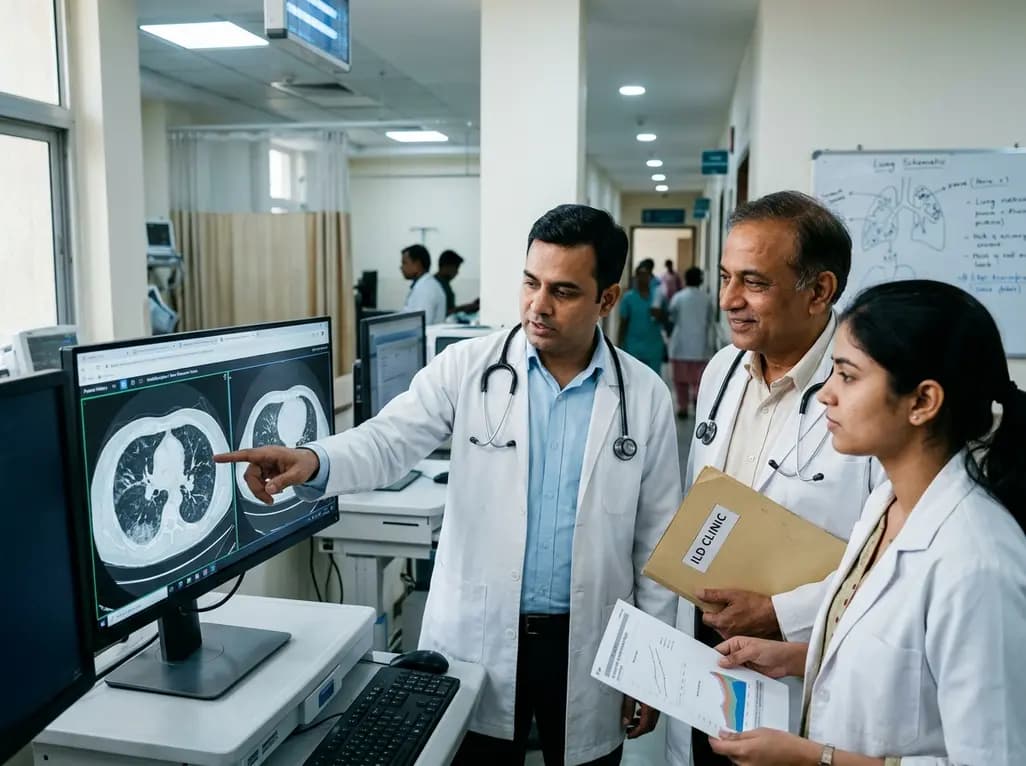
A nationwide English cohort study shows that interstitial lung diseases are no longer rare, with incidence jumping 30% and 200,000 active cases. This analysis highlights clinical implications for diagnosis, multi-disciplinary management, and global health priorities across respiratory and internal medicine.
Today

A nationwide South Korean study shows underreporting of smoking among women dropped from 57.4% to 36.4% between 2008 and 2021. However, over one-third of female smokers still conceal their habit, highlighting the critical role of cotinine verification in clinical risk assessment.
Today

PepsiCo and Monster Beverage have challenged the FSSAI ban on the energy drink label in Indian courts. While companies highlight supply disruptions, regulatory actions spotlight severe cardiovascular and metabolic risks associated with excessive caffeine, sugar, and taurine consumption, especially in adolescents.
Today
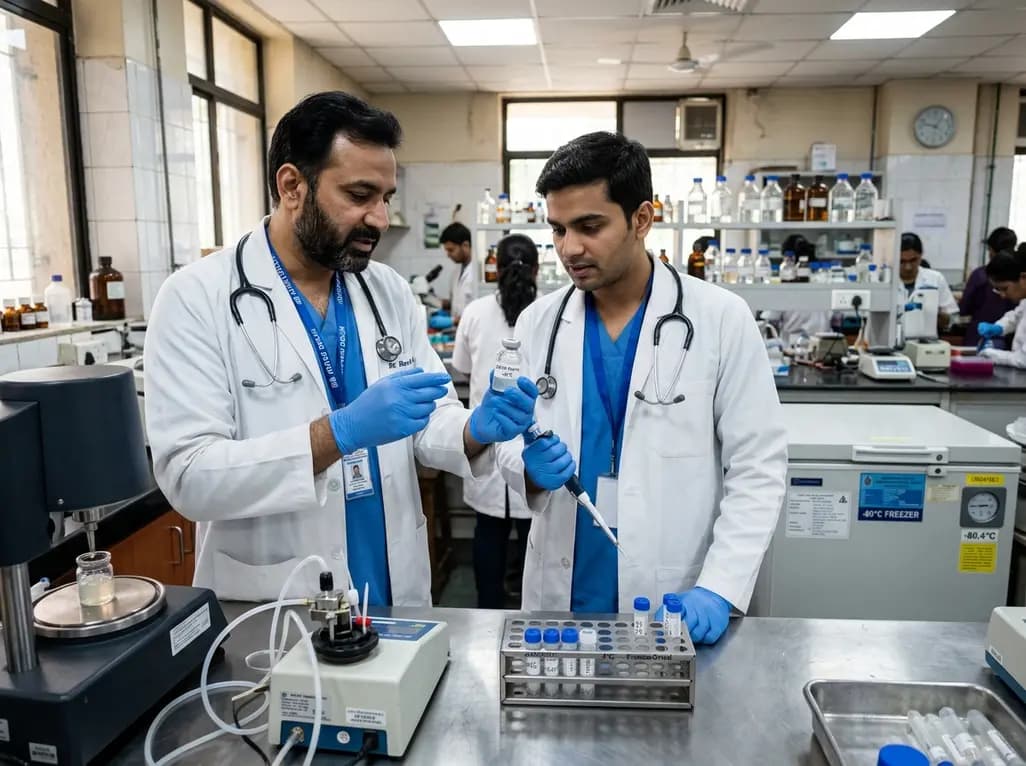
A new study evaluates the rheological stability of decellularized peripheral nerve matrix hydrogels under varied storage conditions. Findings show -80°C storage and freeze-drying preserve gelation kinetics and mechanical stiffness, offering key insights for shipping and translational clinical applications.
Today

A Bayesian multilevel meta-analysis reveals that aerobic training combined with moderate carbohydrate restriction modestly lowers HbA1c in type 2 diabetes. However, sparse data and very low certainty leave incremental benefits over exercise or diet alone unproven, highlighting the need for individualized care.
Yesterday
