

Loading, please wait...
Loading, please wait...
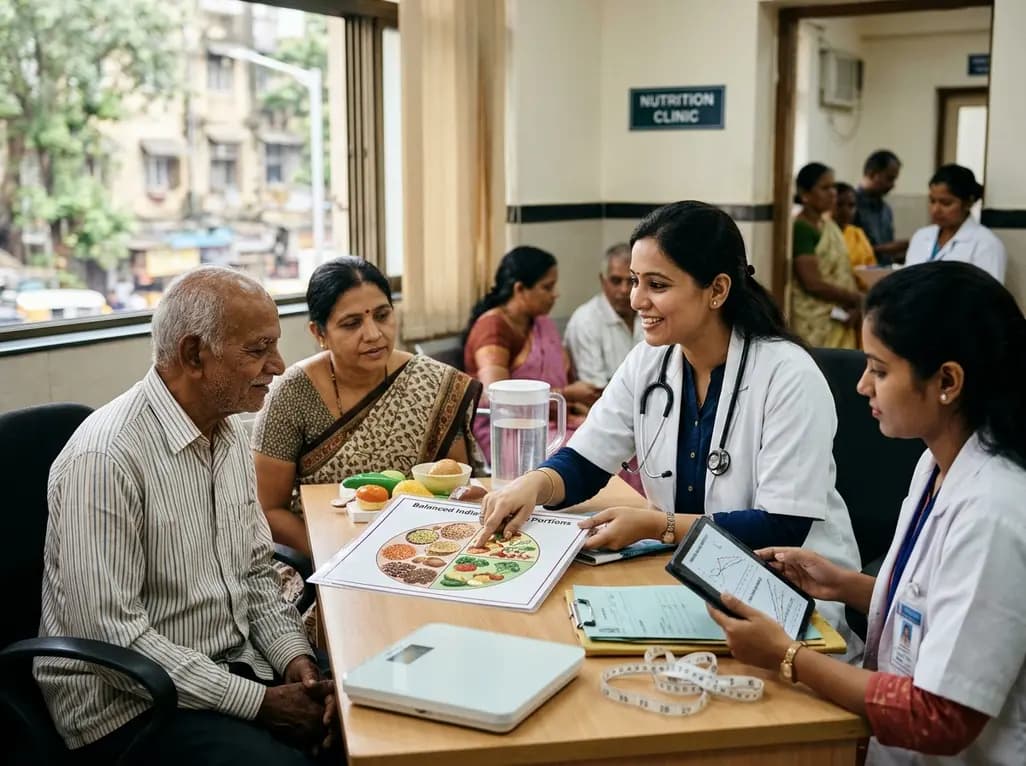
Modern healthcare delivery in India is undergoing a profound clinical transition, driven by evidence-based lifestyle interventions and therapeutic dietary strategies. As non-communicable metabolic disorders surge alongside persistent micronutrient deficiencies, integrating standardized clinical nutrition and wellness protocols has become vital for practicing physicians. Historically, healthcare systems relegated dietary guidance to an ancillary supportive measure. However, current clinical practice recognizes medical nutrition therapy as a core therapeutic pillar in managing chronic illnesses, cardiovascular morbidity, and metabolic syndrome. The recent ETHealthworld Nutrition and Wellness Awards showcased the leaders, clinicians, and researchers who are transforming this multidisciplinary field across the country.
India faces a unique epidemiological challenge characterized by the dual burden of malnutrition. While undernutrition and micronutrient deficiencies persist in vulnerable demographics, urban and rural populations alike experience rising rates of obesity, type 2 diabetes mellitus, and cardiovascular disease. Consequently, clinical nutrition and wellness paradigms must adapt swiftly to these multifaceted health threats. Clinicians must actively move beyond generic dietary counsel. Instead, they need to formulate targeted nutritional prescriptions that account for specific metabolic phenotypes, regional food preferences, and cultural diversity.
Furthermore, therapeutic nutrition plays an essential role in secondary and tertiary disease prevention. For instance, optimized macronutrient distribution directly enhances glycemic control and attenuates insulin resistance in diabetic patients. In cardiology wards, precision sodium restriction and cardioprotective lipid balancing mitigate hypertensive crises and atherosclerotic progression. Therefore, bridging clinical research with accessible, food-based interventions empowers practitioners to treat underlying physiological derangements effectively. Collaborative models between treating physicians, certified clinical dietitians, and public health advocates are establishing new standards of patient recovery across inpatient and outpatient care environments.
Evidence-based medicine demands that clinical nutrition adhere to the same scientific rigor applied to pharmacotherapy. During industry evaluations such as the ETHealthworld Nutrition and Wellness Awards, multidisciplinary expert juries scrutinize therapeutic interventions, health campaigns, and dietary formulations to guarantee clinical integrity. Distinguished panels comprising academic dietitians, public health researchers, and community medicine specialists ensure that commercial and clinical innovations remain grounded in verifiable physiological outcomes. Independent auditing by established knowledge partners further eliminates corporate bias and upholds ethical benchmarks.
Consequently, this peer-reviewed approach safeguards public health against predatory nutritional trends and unsubstantiated nutraceutical claims. When medical experts assess dietary products, they scrutinize bioactive bioavailability, clinical trial endpoints, toxicological screening, and regulatory compliance under Indian food safety frameworks. Moreover, these evaluations honor individual leaders, including recognized clinical dietitians and preventative wellness practitioners, who pioneer individualized patient counseling. Establishing high benchmarks for nutritional research encourages manufacturers and clinicians to prioritize patient safety, therapeutic efficacy, and standardized clinical documentation.
Digital health technology is revolutionizing how clinicians monitor and influence patient nutritional adherence. Artificial intelligence platforms and digital wellness ecosystems now enable granular tracking of daily caloric intake, glycemic variability, and metabolic expenditure. Therefore, clinicians can seamlessly integrate continuous glucose monitoring data with real-time dietary logging to deliver predictive, personalized nutritional advice. This technological synergy helps bridge the historical gap between hospital discharge and long-term home compliance.
Additionally, algorithmic health assessments empower community health workers and primary care doctors to identify nutritional deficiencies early. Digital stress-check campaigns and automated dietary screeners permit rapid stratification of patient risk profiles, prompting timely biochemical evaluations. Meanwhile, predictive AI models assist clinical nutritionists in formulating personalized meal strategies that optimize gut microbiome diversity and reduce systemic inflammation. As scalable telemedicine infrastructure expands throughout rural and peri-urban India, digital wellness applications ensure that high-caliber medical nutrition therapy reaches historically underserved populations efficiently.
Maternal and child health represents the foundational cornerstone of national developmental resilience. During pregnancy and early infancy, precise micronutrient delivery dictates fetal organogenesis, neurodevelopment, and epigenetic programming. Consequently, advanced clinical nutrition focuses heavily on formulating fortified food matrices that supply adequate iron, folate, choline, and essential polyunsaturated fatty acids. Modern pediatric nutrition initiatives actively discourage high-sugar formulations, favoring nutrient-dense, easily digestible options suited for growth and weaning.
Furthermore, clinical intervention during the first 1,000 days of life substantially mitigates the long-term risk of adult-onset metabolic syndrome. Pediatricians must identify early signs of childhood stunting, wasting, or rapid adiposity gain during routine immunization visits. Prescribing evidence-based therapeutic supplements and balanced complementary feeding protocols ensures healthy physical maturation without promoting early-onset childhood obesity. By prioritizing scientifically evaluated maternal formulations, clinicians shield pregnant and lactating mothers from gestational diabetes, maternal anemia, and neonatal birth complications, securing generational health benefits.
Preventative medicine extends far beyond hospital clinics into corporate offices and daily living environments. Because sedentary lifestyles and chronic occupational stress contribute significantly to cardiovascular events among young adults, institutional wellness frameworks are gaining critical importance. Progressive organizations are redesigning workplace cafeterias, establishing structured mental well-being initiatives, and incorporating ergonomic, active breaks into routine corporate schedules. These proactive workplace health measures substantially lower executive burnout, dyslipidemia, and sustained hypertension.
Moreover, sustainable food sourcing programs and farm-to-table initiatives promote wholesome, unrefined food consumption within institutional settings. When workplace wellness models collaborate with clinical specialists, employees receive routine biometric screening, targeted metabolic counseling, and structured physical training regimens. Clinicians can actively champion these corporate partnerships to arrest the development of prediabetes and subclinical atherosclerosis before irreversible vascular damage occurs. Ultimately, shifting preventative wellness into daily occupational spaces protects population health while dramatically reducing overall national healthcare expenditures.
To maximize clinical impact, practicing doctors must routinely translate national nutritional directives into practical, outpatient advice. The Indian Council of Medical Research and the National Institute of Nutrition have modernized dietary guidelines, emphasizing whole grains, increased vegetable quotas, and restricted intake of ultra-processed items. Physicians must familiarize themselves with these recommendations to counsel patients systematically during standard medical consultations, rather than offering hasty, non-specific lifestyle remarks.
Specifically, practitioners should instruct patients to limit saturated fats, eliminate industrially produced trans fats, and cap free sugar intake strictly below recommended thresholds. When counseling patients with hypertension, physicians should highlight hidden dietary sodium found in processed staples and packaged snacks. Similarly, doctors must remain vigilant regarding over-the-counter dietary supplements, ensuring that patients consume only safe, clinically indicated formulations. Through structured dietary history-taking and collaborative referrals to registered clinical dietitians, physicians can transform routine patient encounters into effective lifestyle interventions that optimize long-term clinical prognosis.
Q1: Why is individualized clinical nutrition essential for managing metabolic disorders?
Individualized clinical nutrition addresses unique metabolic rates, genetic predispositions, and concurrent chronic conditions. Standardized diets often fail to manage insulin resistance or lipid abnormalities effectively. Tailored nutrition therapy optimizes glycemic control, minimizes cardiovascular strain, and ensures sustained patient compliance, thereby significantly reducing long-term macrovascular and microvascular complications.
Q2: How should clinicians evaluate the safety of over-the-counter nutritional supplements?
Clinicians must verify that nutritional supplements carry formal approval under national regulatory authorities like FSSAI. Physicians should critically evaluate bioactive concentrations, peer-reviewed clinical trial evidence, and third-party safety testing. This rigorous scrutiny prevents heavy metal contamination, toxic ingredient overloading, and negative pharmacodynamic interactions with prescribed chronic medications.
Q3: How do digital AI tools improve long-term adherence to therapeutic diets?
Digital AI tools provide continuous metabolic tracking, automated meal image analysis, and immediate glycemic feedback. These platforms alert clinicians to non-compliance patterns and metabolic fluctuations in real time. Consequently, patients receive rapid dietary adjustments, structured behavioral reinforcement, and enhanced educational support, which substantially improves long-term dietary adherence and clinical outcomes.
Disclaimer: This content is for informational and educational purposes only. It does not constitute medical advice or replace professional judgment. Refer to the latest local and national guidelines for clinical practice.
References

Read summarized clinical updates, watch expert medical content, and earn CME certifications right from your smartphone.
Open your smartphone camera to scan and install.





Indian healthcare is witnessing a major transformation with evidence-based dietary interventions, digital health solutions, and standardized clinical nutrition. Medical practitioners must integrate tailored dietary therapy to combat the dual burden of undernutrition and non-communicable diseases across populations.
Today

A qualitative study highlights the unaddressed emotional hurdles and role uncertainty faced by men during the transition to fatherhood, calling for father-inclusive perinatal care and tailored digital health support.
Today

In a landmark public health ruling, the Supreme Court ordered the FSSAI to finalize strict front-of-pack warning rules within four months. Food companies must adopt separate red hexagonal symbols for high sugar, saturated fat, and salt within one year, advancing preventive medicine and patient dietary awareness.
Today
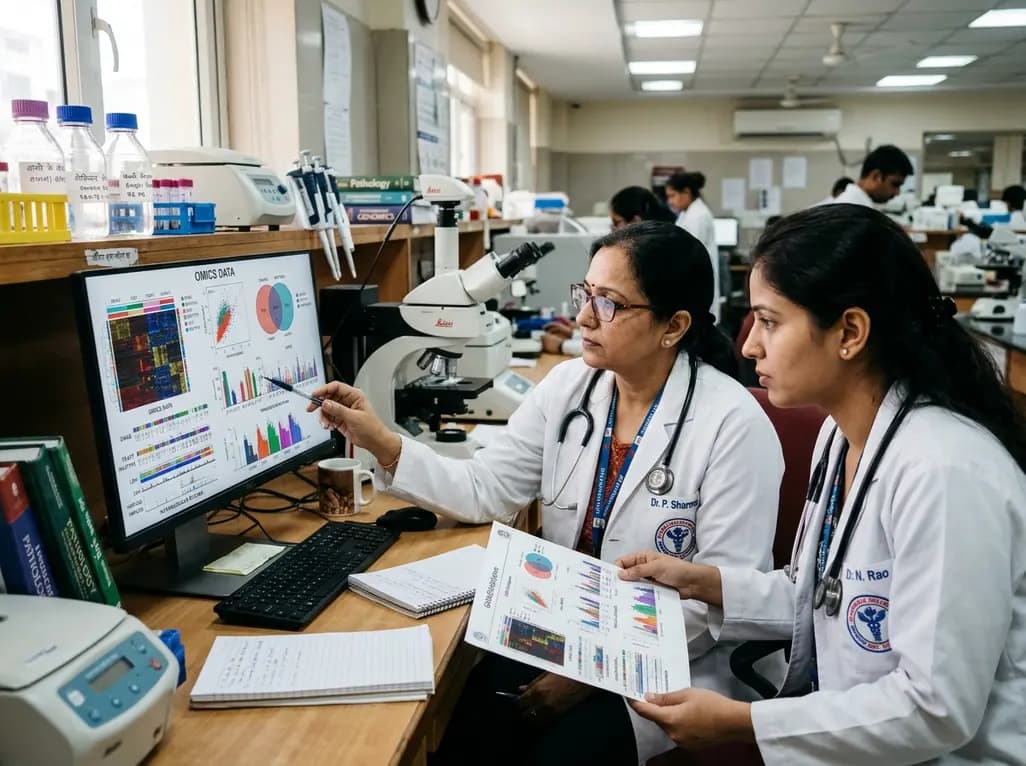
A multi-omic analysis reveals sporadic intramuscular myxoma comprises two molecularly distinct subtypes. GNAS-mutated lesions frequently carry TRAF7 mutations, whereas GNAS-wildtype tumors demonstrate striking genomic instability, loss of heterozygosity, and near-haploid features resembling DNHFN.
Today
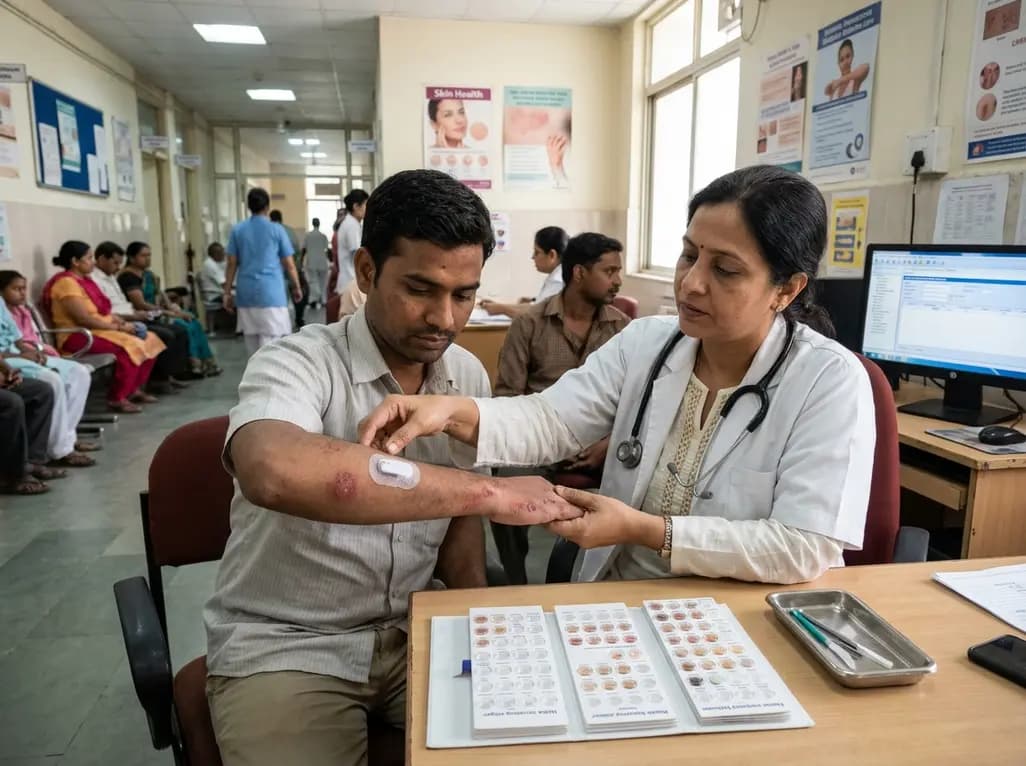
A study of 955 patients reveals that HEMA screening misses 39% of (meth)acrylate allergies, including 88% of cases linked to diabetes devices. Dermatologists must implement exposure-tailored patch test panels to accurately diagnose cosmetic and medical adhesive contact dermatitis.
Today
