.webp&w=384&q=75)

Loading, please wait...
Loading, please wait...

Chronic rhinosinusitis with nasal polyps (CRSwNP) presents a significant clinical challenge due to structural tissue changes and high recurrence rates. Identifying specific molecular targets remains essential for improving patient outcomes. A pioneering multi-omics study has recently identified Cathepsin S in CRSwNP as a novel biomarker for tissue remodeling. By integrating large-scale genetic and proteomic data, the research team found that Cathepsin S (CTSS) increases the risk of developing nasal polyps.
Mendelian randomization analyses demonstrated that high CTSS levels directly link to an increased risk of nasal polyps. This specific protease primarily localizes within monocyte and macrophage subsets in the upper airway. Furthermore, single-cell transcriptomics revealed that these CTSS-high immune cells are significantly more abundant in diseased tissues. Consequently, these findings suggest that macrophages drive local inflammation through increased protease activity.
The research team utilized immunohistochemistry to confirm high CTSS expression within the polyps themselves. They discovered that CTSS levels correlate strongly with various tissue remodeling pathways. Moreover, these molecular signatures associate with the clinical severity of CRSwNP in patients. Therefore, CTSS represents both a diagnostic indicator and a potential target for future therapeutic interventions.
Cathepsin S (CTSS) is a cysteine protease that researchers have identified as a key driver of tissue remodeling and a causal risk factor for nasal polyps.
Single-cell data shows that CTSS expression occurs primarily in monocytes and macrophages, which are more prevalent in the nasal tissues of affected patients.
Yes, because higher expression levels of this biomarker correlate significantly with increased clinical severity and tissue structural changes in CRSwNP.
Disclaimer: This content is for informational and educational purposes only and does not constitute medical advice. It is not a substitute for professional medical advice, diagnosis, or treatment. Always seek the advice of your physician or other qualified health provider with any questions you may have regarding a medical condition. Refer to the latest local and national guidelines for clinical practice.
References

Read summarized clinical updates, watch expert medical content, and earn CME certifications right from your smartphone.
Open your smartphone camera to scan and install.





A multi-omics study identifies Cathepsin S (CTSS) as a causal biomarker for tissue remodeling and disease severity in patients with nasal polyps....
5 months ago
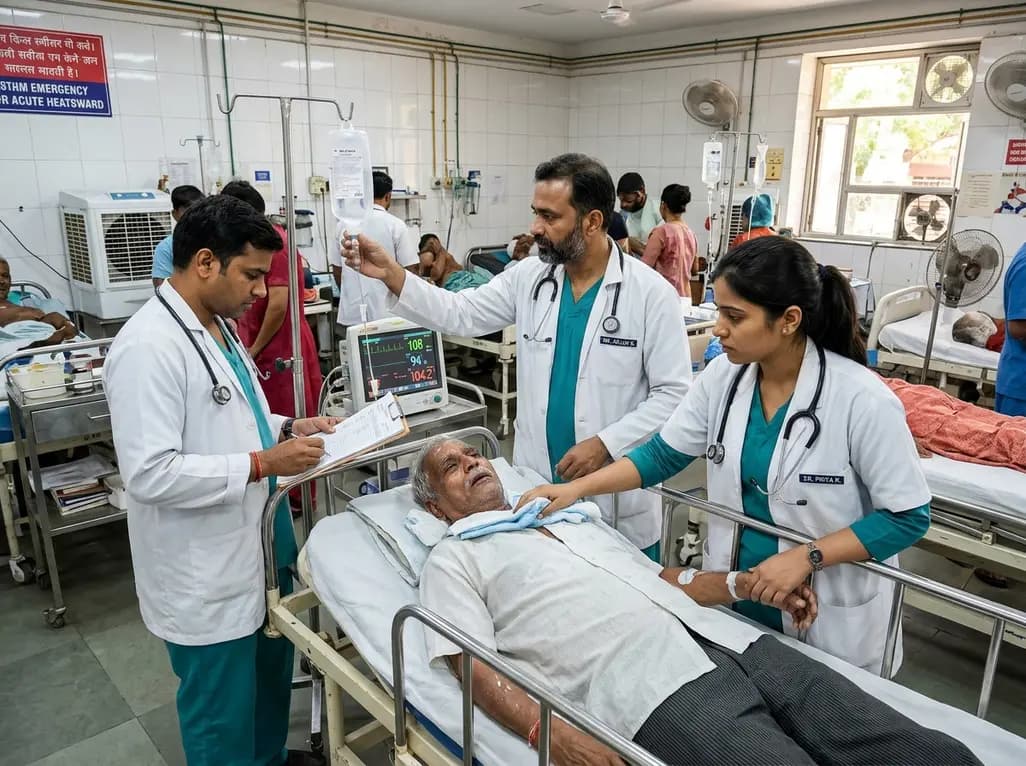
Recent epidemiological data reveals a dramatic surge in summer heat mortality driven by human-induced climate warming. This analysis explores the pathophysiological impacts on cardiac and renal systems, diagnostic dilemmas in death certification, and essential emergency cooling protocols for acute clinical care.
Today
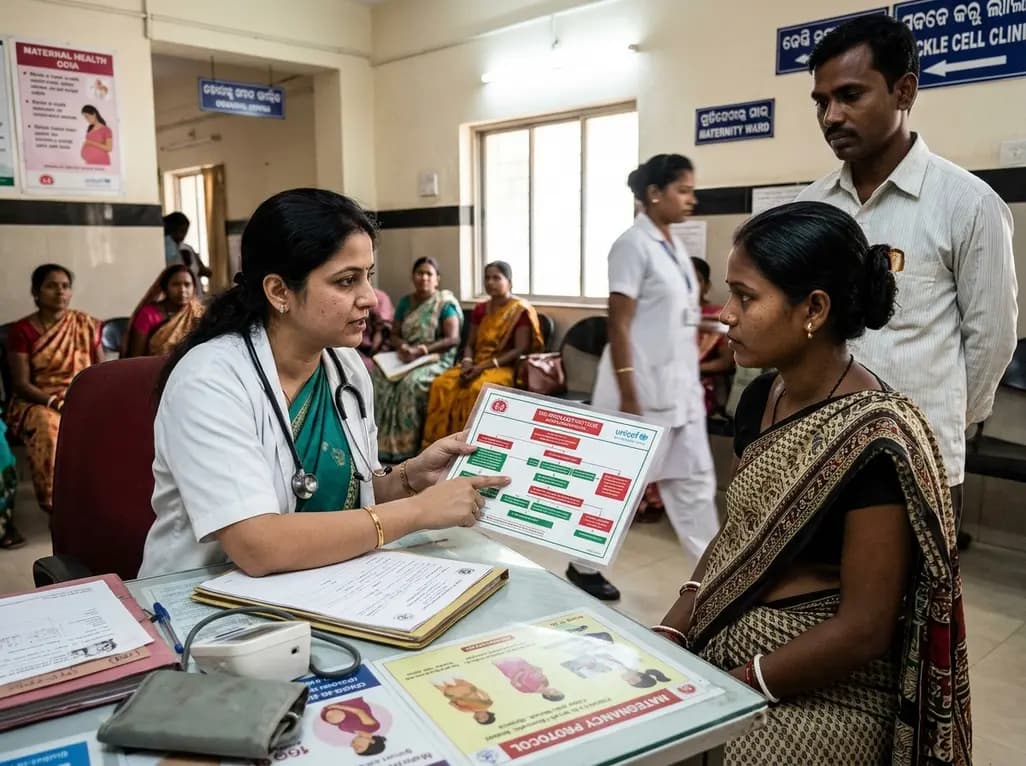
Odisha has established India's first state-level clinical protocol specifically tailored for pregnant women with sickle cell disease. Developed with NHM and UNICEF, the framework provides structured antenatal screening, crisis mitigation, standardized referral pathways, and specialized interdisciplinary care.
Today

India is advancing preventive healthcare by integrating genomics, artificial intelligence, and quantum technologies. With the SANGAM programme sequencing one million Indian genomes, clinicians can unlock personalized therapies, detect cardiometabolic risks early, and curb the burden of diabetes and heart disease.
Today
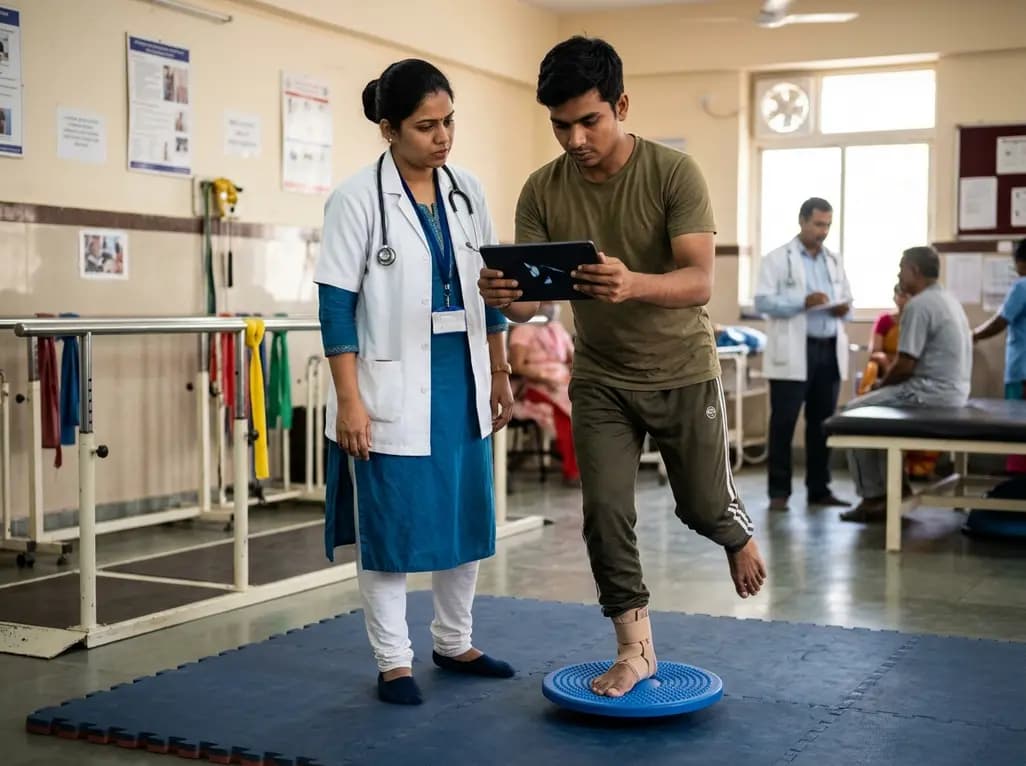
A randomized controlled trial demonstrates that an eight-week dual-task training intervention significantly improves static and dynamic postural control over standard balance exercises in individuals with chronic ankle instability, addressing critical neurocognitive deficits during athletic and daily activities.
Today

A retrospective cohort study of 7,716 ICU patients from the MIMIC-IV database demonstrates that Gradient Boosting Decision Trees significantly outperform traditional SOFA scores in predicting in-hospital mortality among patients with sepsis and diabetes, with SHAP analysis providing clinical interpretability.
Today
