.webp&w=384&q=75)

Loading, please wait...
Loading, please wait...
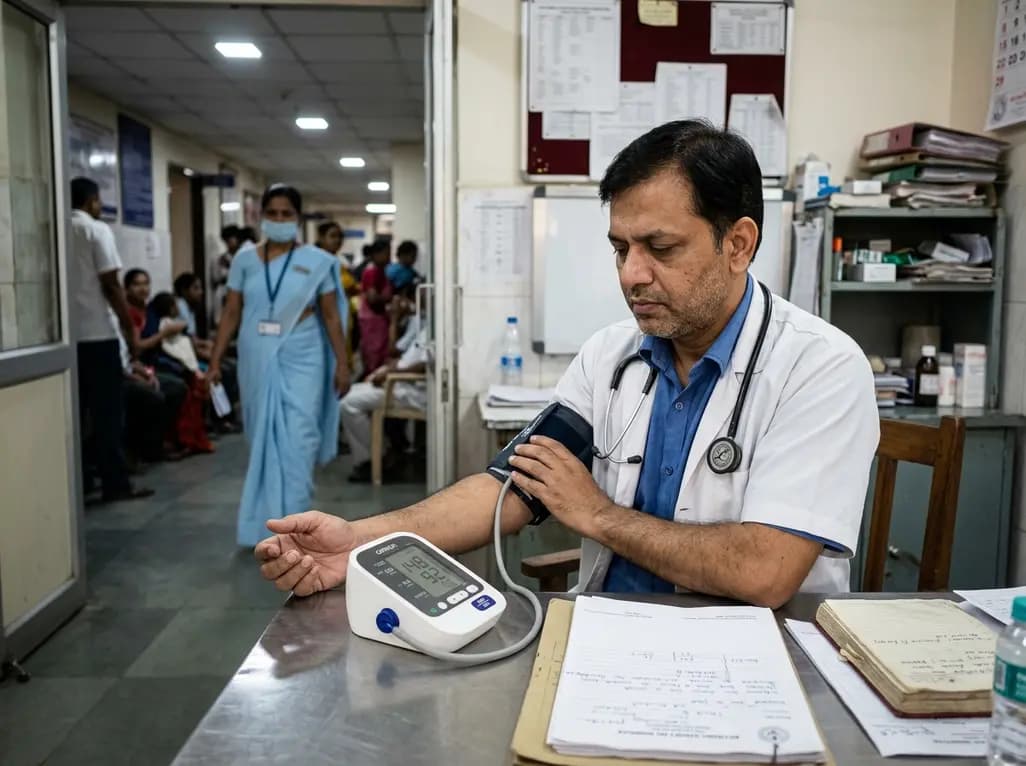
The sudden cardiac death of young clinicians has sparked an urgent debate across the healthcare sector. Premature coronary artery disease is no longer confined to older demographics, as it increasingly strikes individuals in their peak productive years. Consequently, clinical leaders and health policymakers must urgently evaluate the rising cardiovascular risk in doctors and high-stress professionals. Prolonged work hours, emotional exhaustion, and unaddressed metabolic derangements create a perilous environment for the cardiovascular system. Therefore, medical communities must move past complacency and actively embrace preventive cardiovascular principles.
Cardiovascular disease has rapidly emerged as the primary cause of premature mortality across South Asia. Alarmingly, an increasing proportion of myocardial infarctions occurs in individuals under the age of fifty. Many of these individuals maintain active daily schedules and appear outwardly healthy before suffering sudden catastrophic events. However, underlying atherosclerotic plaques frequently develop silently over decades without producing chronic angina. Genetic predisposition plays a notable role in accelerating atherogenesis among South Asian populations. Furthermore, modern occupational environments exacerbate these hereditary vulnerabilities through chronic sympathetic nervous system activation. When persistent psychological tension combines with vascular inflammation, vulnerable coronary plaques can rupture abruptly. As a result, individuals with no prior functional limitations may experience acute coronary occlusion without adequate warning. Clinicians must therefore recognize that outward vitality does not guarantee vascular integrity. Routine vigilance and proactive screening remain essential for early intervention.
Medical practitioners frequently exemplify severe lifestyle imbalances despite possessing extensive clinical knowledge. A pervasive culture of professional martyrdom often leads clinicians to celebrate relentless overwork, missed meals, and persistent sleep deprivation. Consequently, elevated cardiovascular risk in doctors stems directly from normalizing chronic personal neglect under the guise of dedication. Physicians routinely manage critical clinical emergencies while systematically ignoring their own physiological warning signs. Similarly, corporate executives, lawyers, and educators operate under continuous digital connectivity, high-stakes deadlines, and disrupted circadian rhythms. Chronic stress elevates circulating cortisol and catecholamines, which subsequently damages the vascular endothelium and accelerates arterial stiffness. Moreover, persistent fatigue promotes sedentary behavior and poor nutritional choices, further compounding metabolic dysregulation. When professionals negotiate away restorative rest, the cardiovascular system silently accumulates significant microvascular damage. Healthcare providers must dismantle the illusion that medical expertise confers immunity against biological disease processes.
A widespread clinical misconception is that normal baseline health evaluations provide absolute protection against future coronary events. Routine resting electrocardiograms and basic exercise treadmill tests frequently yield normal results in individuals with non-obstructive atherosclerotic disease. Consequently, relying solely on standard annual check-ups can create a false sense of security. Comprehensive cardiovascular risk stratification requires a thorough assessment of metabolic parameters, including lipid subfractions, high-sensitivity C-reactive protein, and glycosylated hemoglobin. In addition, clinicians must calculate global risk by incorporating detailed family histories of premature coronary artery disease. Advanced non-invasive imaging techniques offer superior diagnostic accuracy for detecting subclinical atherosclerosis. For instance, coronary artery calcium scoring effectively quantifies calcified plaque burden in asymptomatic, intermediate-risk individuals. Furthermore, computed tomography coronary angiography can visualize non-calcified, soft vulnerable plaques before severe luminal obstruction develops. Utilizing these targeted diagnostic tools enables timely pharmacological and lifestyle interventions before catastrophic occlusions occur.
Recognizing early clinical warning signs is vital for preventing irreversible myocardial necrosis and sudden cardiac death. Classical presentations featuring crushing retrosternal chest pain radiating to the left arm do not occur in every patient. Instead, myocardial ischemia frequently manifests with subtle, atypical symptoms that patients easily dismiss as benign fatigue or gastrointestinal distress. For example, individuals may experience unexplained shortness of breath during routine exertion, persistent jaw tightness, epigastric discomfort, or acute diaphoresis. Notably, women and individuals living with diabetes mellitus exhibit a significantly higher incidence of atypical presentations. These atypical presentations frequently lead to delayed hospital arrival and higher mortality rates. Clinicians and high-stress professionals often rationalize these warning signals as musculoskeletal strain or acid reflux, delaying life-saving electrocardiographic and enzymatic evaluation. Therefore, any new or unexplained exertional symptom requires immediate and objective clinical evaluation without hesitation.
Cardioprotective lifestyle modification remains the foundation of long-term cardiovascular disease prevention. Clinicians emphasize eliminating the dangerous quartet known as the four S poisons: sugar, smoking, sitting, and stress. First, excess dietary refined carbohydrates and sugars fuel systemic insulin resistance, visceral adiposity, and hepatic steatosis. Second, tobacco consumption introduces toxic xenobiotics that severely impair endothelial nitric oxide production and promote acute thrombogenesis. Third, prolonged sedentary behavior promotes vascular dysfunction, whereas regular aerobic exercise stimulates collateral circulation and improves myocardial efficiency. Finally, chronic psychological stress directly fuels systemic inflammation and blood pressure variability. In contrast, adopting a nutrient-dense diet rich in fiber, lean proteins, and unsaturated fats significantly improves the lipid profile. Furthermore, securing seven to eight hours of uninterrupted sleep restores autonomic balance and promotes vascular repair. Achieving cardiovascular longevity requires consistent, daily execution of these fundamental lifestyle interventions.
Individual lifestyle discipline cannot fully resolve systemic occupational burnout without structural organizational changes. Healthcare institutions and corporate organizations must recognize that chronic employee exhaustion severely compromises productivity and long-term health. Consequently, hospital administrations must design humane duty rosters that mandate adequate rest periods between intense clinical shifts. Furthermore, healthcare facilities should provide easily accessible cardiovascular screenings and confidential mental health support for medical personnel. Modern institutions must discard the outdated belief that enduring extreme physical strain is necessary for professional excellence. Investing in protected leave, balanced workloads, and ergonomic work environments directly enhances employee longevity and reduces clinical errors. In addition, professional societies should champion self-care as an ethical responsibility essential for delivering safe patient care. Ultimately, true professional resilience involves knowing physiological limits and establishing sustainable working environments that protect both healers and their patients.
Q1: Why are young and seemingly healthy professionals suffering sudden heart attacks?
Sudden cardiac events in young adults typically result from the rupture of unstable, non-obstructive atherosclerotic plaques. Chronic psychological stress, poor sleep, visceral adiposity, and genetic susceptibility accelerate vascular inflammation and plaque vulnerability. Consequently, a sudden surge in catecholamines or blood pressure can trigger acute coronary thrombosis, causing a heart attack even in individuals without prior symptoms.
Q2: Why is a normal resting ECG or treadmill test not always conclusive?
A normal resting electrocardiogram only captures cardiac electrical activity at a single moment, whereas treadmill tests primarily detect hemodynamic obstructions exceeding seventy percent. These conventional tests frequently miss mild or non-obstructive soft plaques that remain prone to sudden rupture. Advanced modalities, such as coronary calcium scoring or CT angiography, provide a more accurate assessment of hidden atherosclerotic plaque burden.
Q3: How do atypical heart attack symptoms differ from classical presentations?
While classical presentations involve severe crushing chest pain radiating to the left arm, atypical symptoms often present subtly. Patients may notice unexplained breathlessness during exertion, extreme fatigue, persistent indigestion, jaw or throat discomfort, or sudden cold sweats. These subtle presentations are particularly prevalent in women and diabetic patients, necessitating prompt medical evaluation whenever they arise.
Disclaimer: This content is for informational and educational purposes only. It does not constitute medical advice or replace professional judgment. Refer to the latest local and national guidelines for clinical practice.
References

Read summarized clinical updates, watch expert medical content, and earn CME certifications right from your smartphone.
Open your smartphone camera to scan and install.





Premature cardiovascular events among healthcare professionals highlight the urgent need to address occupational stress, clinical neglect, and risk factors. This guide explores early detection, lifestyle modifications, and institutional reforms necessary to safeguard physicians and modern professionals alike.
last month
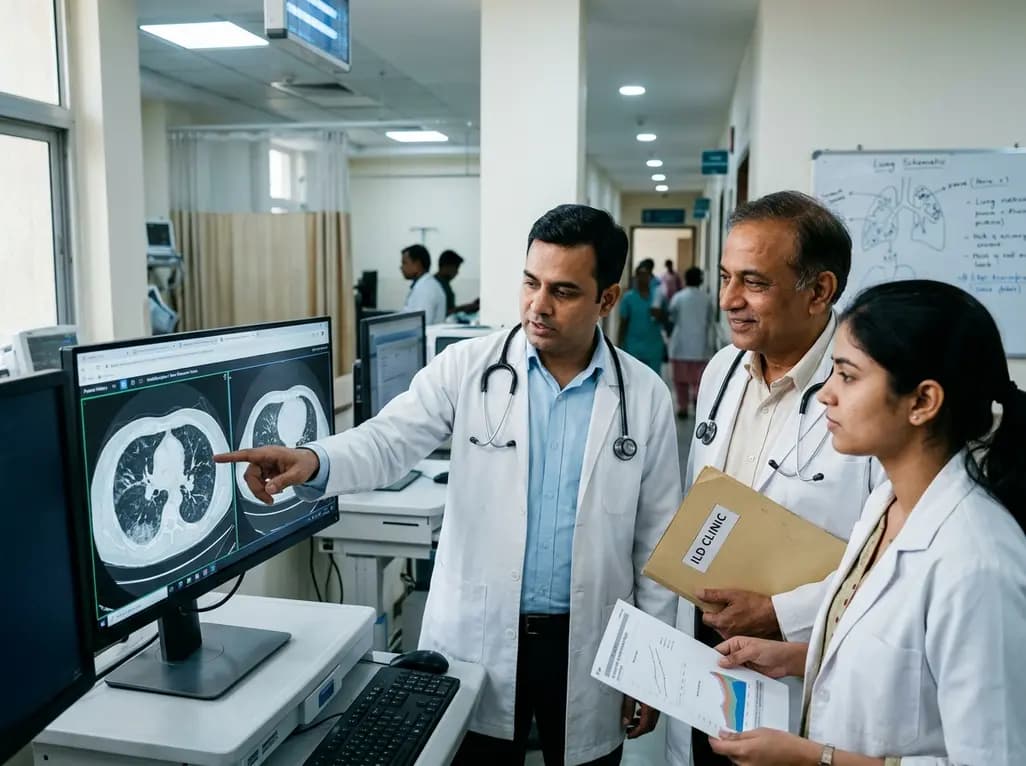
A nationwide English cohort study shows that interstitial lung diseases are no longer rare, with incidence jumping 30% and 200,000 active cases. This analysis highlights clinical implications for diagnosis, multi-disciplinary management, and global health priorities across respiratory and internal medicine.
Today

A nationwide South Korean study shows underreporting of smoking among women dropped from 57.4% to 36.4% between 2008 and 2021. However, over one-third of female smokers still conceal their habit, highlighting the critical role of cotinine verification in clinical risk assessment.
Today

PepsiCo and Monster Beverage have challenged the FSSAI ban on the energy drink label in Indian courts. While companies highlight supply disruptions, regulatory actions spotlight severe cardiovascular and metabolic risks associated with excessive caffeine, sugar, and taurine consumption, especially in adolescents.
Today

A new study evaluates the rheological stability of decellularized peripheral nerve matrix hydrogels under varied storage conditions. Findings show -80°C storage and freeze-drying preserve gelation kinetics and mechanical stiffness, offering key insights for shipping and translational clinical applications.
Today

A Bayesian multilevel meta-analysis reveals that aerobic training combined with moderate carbohydrate restriction modestly lowers HbA1c in type 2 diabetes. However, sparse data and very low certainty leave incremental benefits over exercise or diet alone unproven, highlighting the need for individualized care.
Yesterday
