

Loading, please wait...
Loading, please wait...
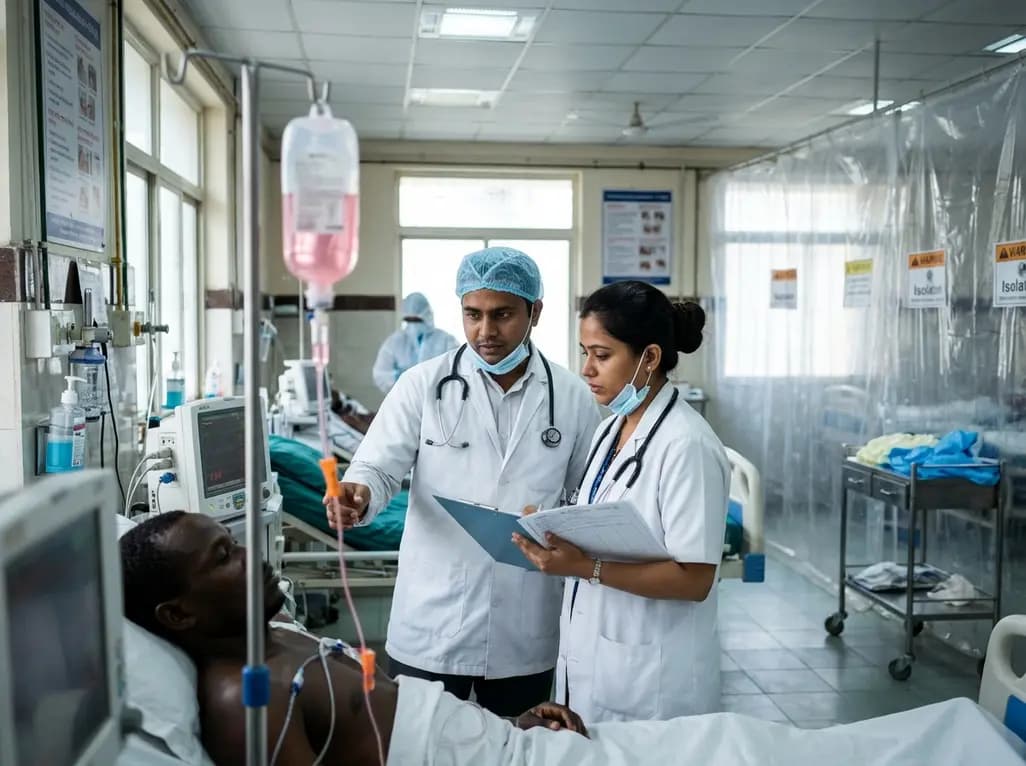
The escalating Bundibugyo Ebola outbreak in the Democratic Republic of Congo represents an unprecedented challenge for global health security. Government data confirm that cumulative infections have now surpassed 11,000 cases, leading to more than 5,300 deaths across eight provinces. Consequently, this crisis constitutes the second-deadliest filovirus epidemic in recorded human history. International clinicians and hospital epidemiologists must recognize the clinical features, transmission risks, and supportive care protocols required to counter this formidable pathogen.
The swift transmission driving the Bundibugyo Ebola outbreak highlights persistent vulnerabilities in regional healthcare delivery and disease surveillance. Historically, Bundibugyo ebolavirus caused limited, localized clusters in western Uganda and central Africa. However, the current surge involves multiple geographical zones and presents the widest territorial footprint of any documented filovirus outbreak. Active civil conflict, rural displacement, and strained clinic supplies have accelerated transmission between vulnerable communities.
Consequently, many individuals succumb to the infection outside specialized treatment centres. This reality hinders active contact tracing and perpetuates domestic transmission within households. Furthermore, cross-border commerce and mining activities move exposed contacts into crowded urban settings. Because patients shed virus through bodily fluids, healthcare facilities often face severe nosocomial risks. Therefore, frontline hospitals must enforce meticulous screening systems at all initial points of clinical entry. Strengthening epidemiological surveillance and isolation capabilities remains vital to curtailing community spread.
The Bundibugyo ebolavirus belongs to the Filoviridae family and possesses a non-segmented, negative-sense RNA genome. Pathologically, the virus targets host mononuclear phagocytes, dendritic cells, and hepatocytes early during systemic invasion. Consequently, infected immune cells release massive quantities of proinflammatory cytokines, creating a severe cytokine storm. This unchecked inflammatory cascade increases vascular permeability and triggers systemic endothelial dysfunction.
Additionally, hepatic necrosis impairs the synthesis of essential coagulation factors. As a result, microvascular thrombosis and consumptive coagulopathy develop rapidly across multiple organ beds. In contrast to Zaire ebolavirus, the Bundibugyo species exhibits unique structural differences in its surface glycoprotein spikes. Because of these distinct antigenic epitopes, licensed monoclonal antibodies like mAb114 or REGN-EB3 do not effectively neutralize this specific agent. Similarly, established vector vaccines lack demonstrated cross-protection against Bundibugyo virus. Therefore, managing this severe disease depends almost entirely on aggressive physiological stabilization and disciplined clinical monitoring.
The incubation period for Bundibugyo ebolavirus typically ranges between two and twenty-one days. Initially, patients present with non-specific constitutional features including sudden fever, profound asthenia, diffuse myalgia, and severe cephalalgia. Subsequently, gastrointestinal symptoms emerge between day three and day seven of illness. Patients frequently develop relentless nausea, profuse watery diarrhea, and intractable vomiting, leading to profound volume depletion.
However, frank hemorrhagic manifestations such as petechiae, mucosal bleeding, and gastrointestinal hemorrhage occur in only a minority of cases. Because early symptoms mirror endemic regional infections, clinicians frequently mistake the disease for malaria, typhoid, or dengue fever. Therefore, physicians evaluating febrile travelers arriving from central Africa must maintain a high suspicion index. Confirmatory laboratory testing requires real-time reverse transcription polymerase chain reaction (RT-PCR) performed under high-containment biosafety conditions. Rapid viral detection permits immediate patient segregation, thereby preventing dangerous secondary transmission in acute triage wards.
Because approved antiviral compounds and specific monoclonal antibodies remain unavailable for this strain, early supportive therapy dictates survival. Severe fluid losses from profuse enteropathy often exceed five to ten liters daily. Consequently, aggressive oral and intravenous fluid resuscitation represents the foundational cornerstone of clinical care. Clinicians should administer balanced crystalloid solutions to prevent hypovolemic shock and acute tubular necrosis.
Furthermore, serial point-of-care testing must guide the active correction of severe hypokalemia, hyponatremia, and metabolic acidosis. Medical teams should initiate empirical broad-spectrum antibiotics to treat potential bacterial translocation stemming from compromised gut barriers. In addition, healthcare providers must administer antiemetics and analgesics to relieve distressing symptoms and optimize oral rehydration tolerance. When cardiopulmonary failure or refractory metabolic failure arises, intensive care specialists must deploy vasopressors and renal replacement cautiously. Rigorous physiological stabilization significantly reduces mortality even in austere healthcare environments.
Preventing nosocomial transmission requires uncompromising adherence to standardized infection prevention and control practices. Healthcare workers face significant exposure risks when handling infectious blood, vomitus, diarrhea, and contaminated clinical surfaces. Therefore, providers must don comprehensive personal protective equipment (PPE), including fluid-resistant coveralls, double gloves, respirators, and impervious eye protection. Strict supervision during PPE removal protocols minimizes inadvertent self-contamination events.
Additionally, clinical facilities must establish negative-pressure isolation environments and dedicated decontamination circuits for all patient equipment. Environmental services should clean clinical areas using freshly prepared sodium hypochlorite solutions or equivalent hospital-grade disinfectants. Moreover, medical facilities must implement safe, dignified burial protocols for deceased individuals, because corpses retain high viral titers. In Indian tertiary centers, travel triage desks must promptly isolate febrile patients who have visited affected African regions within the prior three weeks. Rapid containment safeguards medical teams and halts wider epidemic propagation.
Q1: Why are licensed Ebola vaccines ineffective against the Bundibugyo species?
Licensed vaccines, such as Ervebo, specifically target the glycoprotein of the Zaire ebolavirus species. However, the surface glycoprotein of the Bundibugyo virus displays distinct structural differences and divergent antigenic sequences. Consequently, antibodies generated by Zaire-directed vaccines show minimal neutralizing efficacy against Bundibugyo infections. While clinical trials assess experimental multivalent candidates, no approved preventive vaccine currently offers verified protection against this particular species.
Q2: What is the primary difference in clinical management for Bundibugyo versus Zaire Ebola?
Zaire Ebola management relies heavily on approved monoclonal antibody infusions, such as ansuvimab and atoltivimab-maftivimab-odesivimab. In contrast, Bundibugyo Ebola lacks approved neutralizing antibodies or targeted antiviral drugs. Therefore, clinical care focuses entirely on rapid fluid resuscitation, precise electrolyte correction, and hemodynamic stabilization. Intensive supportive interventions remain the primary therapeutic means to prevent multi-organ failure and reduce overall mortality.
Q3: How should Indian healthcare facilities screen arriving international travelers for Ebola?
Hospitals must screen travelers arriving from affected African zones for unexplained fever, severe fatigue, vomiting, or diarrhea within twenty-one days of departure. If a patient meets suspected case definitions, staff must isolate the individual immediately in a negative-pressure room. Healthcare teams must use full personal protective equipment, alert public health surveillance authorities promptly, and arrange diagnostic testing through authorized biosafety laboratories.
Disclaimer: This content is for informational and educational purposes only. It does not constitute medical advice or replace professional judgment. Refer to the latest local and national guidelines for clinical practice.
References

Read summarized clinical updates, watch expert medical content, and earn CME certifications right from your smartphone.
Open your smartphone camera to scan and install.





With confirmed infections surpassing 11,000 in the Democratic Republic of Congo, the rare Bundibugyo Ebola virus poses severe diagnostic and clinical hurdles. Learn about viral pathophysiology, rapid triage, fluid resuscitation, and infection containment vital for healthcare professionals handling hemorrhagic fevers.
Today

A new quality-improvement initiative reveals that universal maternal mental health screening in the NICU increased screening rates from 29.5% to 95.0%, with nearly 60% of screened mothers requiring psychosocial referrals, highlighting the urgent need for embedded mental health resources.
Today
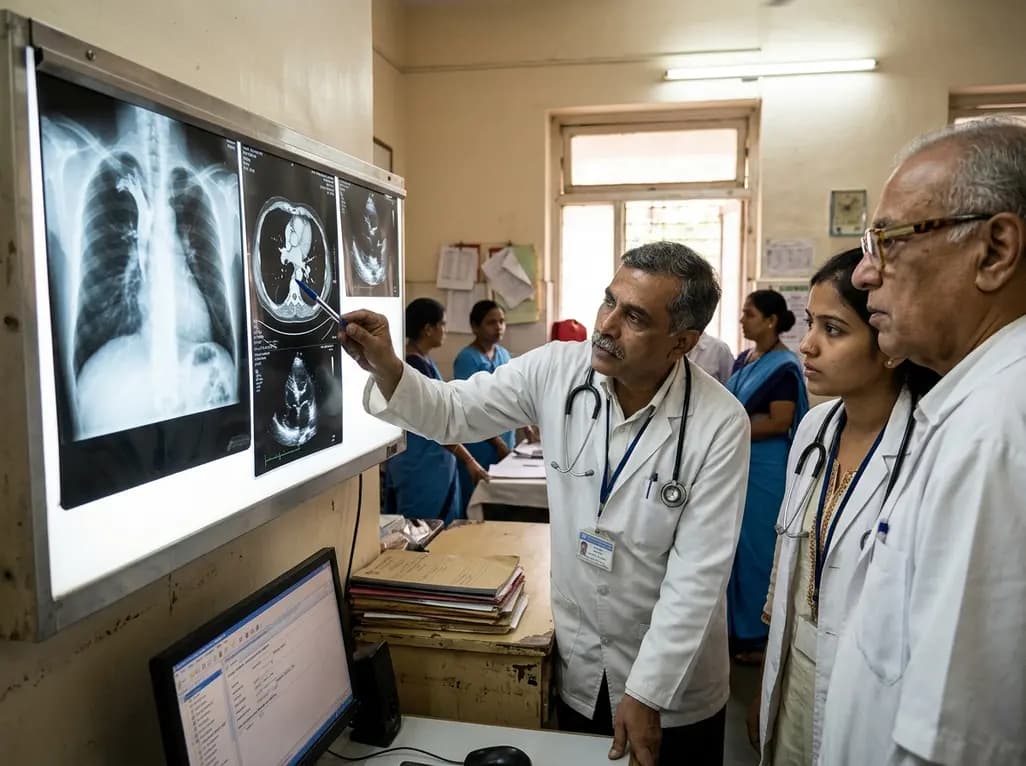
Isolated persistent left superior vena cava is an exceedingly rare congenital venous anomaly. Understanding its embryology, diagnostic evaluation, and procedural risks ensures accurate clinical decision-making.
Today
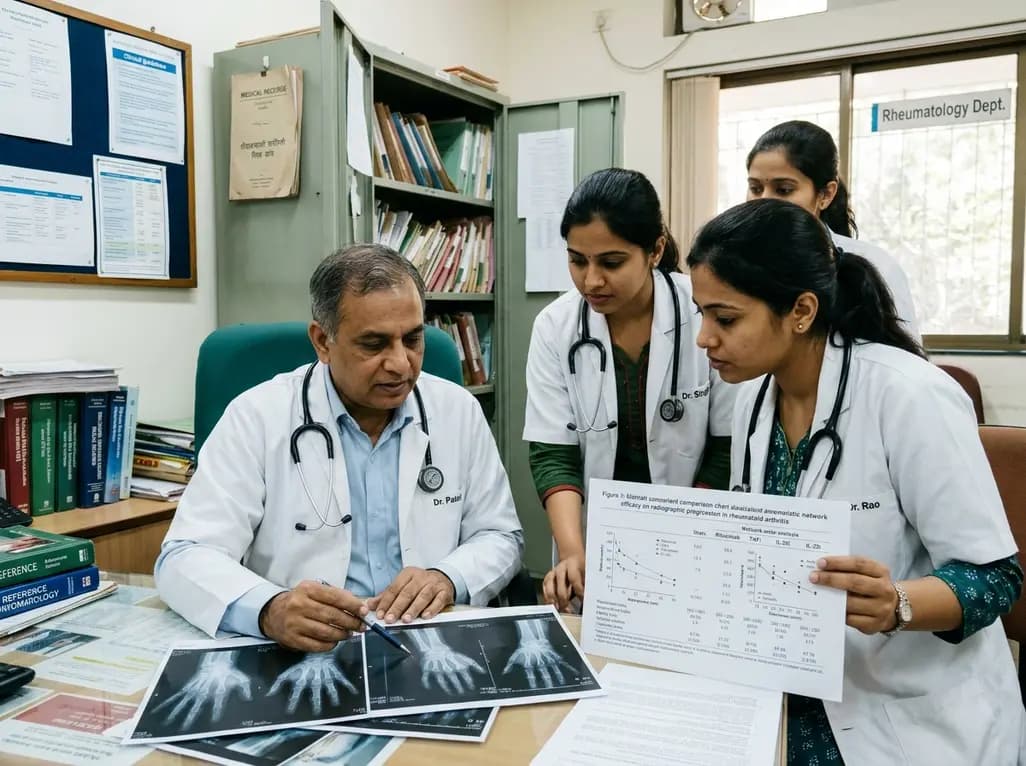
A comprehensive network meta-analysis evaluated six bDMARD classes for halting radiographic progression in rheumatoid arthritis. B-cell depletors and IL-23 inhibitors showed notable structural benefits over TNF-alpha inhibitors, providing essential insights for long-term joint preservation and clinical practice.
Today

A systematic review evaluates psychological interventions for smoking cessation in diabetes, showing short-term success but highlighting challenges in long-term abstinence.
Today
