.webp&w=384&q=75)

Loading, please wait...
Loading, please wait...

Central nervous system neoplasms present profound diagnostic dilemmas for clinicians worldwide. Conventional neurosurgical tissue biopsy remains the gold standard, but the invasive procedure carries substantial neurological risks and prolonged turnaround times. Consequently, clinicians urgently need reliable, minimally invasive biomarker platforms to accelerate diagnosis and track therapeutic response. Recent research reveals how a plasma-based brain tumor liquid biopsy can transform neuro-oncological management by identifying tumor-specific circulating microRNAs. By analyzing peripheral blood samples, clinicians may soon differentiate primary intracranial malignancies, benign lesions, and secondary brain metastases with high clinical precision.
Traditional diagnostic pathways for intracranial lesions rely heavily on advanced neuroimaging modalities such as magnetic resonance imaging. Although contrast neuroimaging identifies intracranial mass lesions, it frequently cannot distinguish high-grade gliomas from solitary metastases, active infection, or radiation necrosis. Furthermore, definitive histopathological classification requires an invasive stereotactic or open surgical tissue biopsy. These cranial procedures carry inherent procedural risks, including intracranial hemorrhage, permanent neurological deficit, and secondary wound infections. Additionally, neurosurgical tissue acquisition requires significant scheduling and processing time, which delays prompt chemotherapy or radiotherapy initiation.
In many secondary and tertiary healthcare centers, rapid access to specialized neurosurgical biopsy remains constrained. Consequently, patients often face substantial diagnostic delays while waiting for stereotactic sampling and molecular pathology. To resolve these therapeutic bottlenecks, investigators have turned toward blood-based liquid profiling. Circulating microRNAs, which are small non-coding RNA molecules regulating gene expression post-transcriptionally, show remarkable biochemical stability in human plasma. Therefore, establishing a blood test that detects distinct microRNA expressions enables early diagnostic stratification. Clinicians can avoid repeated cranial surgeries when tracking tumor burden, thereby reducing patient morbidity while optimizing clinical decision-making.
In a multicenter clinical study, researchers investigated circulating microRNA profiles across a diverse cohort of intracranial neoplasms. Specifically, the investigative cohort included sixty-seven patients with glioblastoma, thirty-three with astrocytoma, six with oligodendroglioma, and thirty-three with benign meningioma. Furthermore, the investigators evaluated secondary brain malignancies, incorporating fourteen patients with lung cancer brain metastases and twenty-five with breast cancer brain metastases. Using reverse transcription-quantitative polymerase chain reaction, the authors systematically measured circulating microRNA expressions alongside stable endogenous reference controls.
Notably, the investigators constructed robust mathematical models utilizing a distinct panel of ten circulating microRNAs. Each microRNA model demonstrated high sensitivity and specificity for differentiating individual intracranial tumor types from one another. Glioblastoma samples exhibited marked epigenetic dysregulation compared to lower-grade astrocytomas and benign meningiomas. Similarly, metastatic lesions displayed clear microRNA expression patterns that reflected their epithelial tissue origins rather than intrinsic glial biology. Consequently, these findings validate circulating microRNAs as reliable biological indicators capable of segregating primary gliomas from benign growths and secondary metastases. By capturing comprehensive epigenetic footprints in peripheral plasma, this molecular panel offers a scalable diagnostic platform for complex neuro-oncological presentations.
Beyond empirical diagnostic classification, understanding the biological mechanisms governed by circulating microRNAs remains essential for translational oncology. Through rigorous bioinformatics tools and pathway enrichment analyses utilizing KEGG, Reactome, and WikiPathways databases, investigators uncovered critical downstream targets. Specifically, the study identified CASP3, EIF2S2, FYN, GNAQ, ITPR1, KPNB1, KREMEN1, MTOR, SREBF1, TYMS, VPS4B, and WASL as primary target genes regulated by this ten-microRNA signature.
These target genes control fundamental cellular processes including apoptosis, translation initiation, cytoskeletal dynamics, and metabolic reprogramming. For example, dysregulation of CASP3 directly influences apoptotic resistance, enabling aggressive glioblastoma cells to survive chemoradiotherapy. Concurrently, altered MTOR pathway signalling drives dysregulated cell proliferation and vascular proliferation across high-grade astrocytomas. Furthermore, alterations in FYN and WASL modulate invasive cellular motility, which promotes widespread parenchymal infiltration. Similarly, SREBF1 drives enhanced lipid biosynthesis, satisfying the intense bioenergetic requirements of rapidly growing glial tumors. Therefore, these findings demonstrate that peripheral microRNA fluctuations directly mirror active intracranial oncogenic signalling cascades. Consequently, tracking these circulating molecules offers clinicians vital mechanistic insights into tumor aggressiveness, cellular metabolism, and ongoing therapeutic susceptibility.
Translating peripheral plasma profiling into routine neuro-oncology workflows provides exceptional clinical advantages for oncologists and neurosurgeons. The validated ten-microRNA panel functions as a sensitive brain tumor liquid biopsy that delivers rapid objective data. Because plasma collection requires only a simple venous blood draw, clinicians can perform serial samplings without exposing patients to repeat cranial interventions. Consequently, longitudinal biomarker tracking enables earlier detection of occult tumor recurrence before macroscopic structural changes appear on magnetic resonance imaging scans.
Moreover, liquid biopsy uniquely overcomes the profound problem of spatial intratumoral heterogeneity. Traditional needle biopsies sample only a minute localized fragment of a large, heterogeneous intracranial mass. Therefore, sampling bias often leads clinicians to underestimate actual tumor grade or miss aggressive subclonal populations. In contrast, circulating plasma microRNAs originate from multiple tumor regions and extracellular vesicles released into circulation. Consequently, plasma profiling provides a comprehensive assessment of active disease biology. In addition, serial liquid biopsies facilitate prompt evaluation of therapeutic response following surgical resection, radiotherapy, or systemic chemotherapy. When microRNA levels decline after intervention, clinicians obtain immediate confirmation of treatment efficacy, whereas rising levels alert teams to early disease recurrence.
The emergence of plasma-based diagnostic panels offers significant transformative potential for neuro-oncology care across India. In many regional Indian healthcare settings, advanced neuropathology laboratories equipped with next-generation sequencing and comprehensive molecular testing facilities remain concentrated in major metropolitan tertiary cancer centers. Consequently, rural and semi-urban patients face substantial diagnostic delays while tissue specimens travel across complex referral networks. Implementing standard RT-qPCR microRNA assays provides an accessible, cost-effective alternative because many Indian diagnostic centers already possess real-time quantitative PCR infrastructure.
However, widespread clinical adoption requires addressing several technical and regulatory challenges. Clinicians must establish standardized pre-analytical protocols for blood collection, plasma centrifugation, and RNA isolation to avoid confounding hemolysis artifacts. Furthermore, health systems must conduct prospective validation studies within ethnically diverse Indian patient cohorts to ensure diagnostic thresholds remain robust. Multi-institutional validation trials across Indian cancer centers will help establish standardized reference intervals and define reproducible analytical thresholds. In addition, collaborative integration between neurosurgeons, medical oncologists, and molecular pathologists will ensure rapid adoption into multidisciplinary tumor boards. Ultimately, embracing blood-based microRNA assays will democratize precision neuro-oncology across diverse clinical environments, expanding early detection and improving patient outcomes.
The plasma microRNA panel measures specific circulating non-coding RNA molecules that reflect intracranial tumor activity. By analyzing differential expression levels via RT-qPCR, clinicians can non-invasively identify the presence of brain tumors. This molecular approach differentiates between glioblastomas, astrocytomas, oligodendrogliomas, benign meningiomas, and secondary metastases from breast or lung cancers.
Currently, circulating microRNA testing acts as an adjunct rather than a complete replacement for tissue biopsy. While histopathology remains the diagnostic standard, microRNA profiling offers rapid minimally invasive risk stratification, recurrence monitoring, and guidance when surgical biopsy carries excessive risk. It provides vital molecular insights when tumor tissue is inaccessible.
Early differentiation is vital because primary gliomas and brain metastases require fundamentally different therapeutic strategies. Gliomas necessitate maximal safe surgical resection followed by chemoradiotherapy, whereas brain metastases require systemic targeted therapy, whole-brain irradiation, stereotactic radiosurgery, or immunotherapy. Rapid accurate classification avoids inappropriate surgical interventions and initiates tailored systemic treatments immediately.
Disclaimer: This content is for informational and educational purposes only and should not be considered medical advice. Always consult a qualified healthcare professional regarding any medical condition or treatment. Refer to the latest local and national guidelines for clinical practice.
References

Read summarized clinical updates, watch expert medical content, and earn CME certifications right from your smartphone.
Open your smartphone camera to scan and install.





A breakthrough study validates a 10-miRNA plasma panel for minimally invasive differential diagnosis of brain tumors, distinguishing glioblastomas, astrocytomas, oligodendrogliomas, meningiomas, and secondary metastases from breast and lung cancers to optimize patient stratification and disease monitoring.
Today

A multicity study highlights that over 80% of acute respiratory infections remain outside hospitals. Patients frequently choose community pharmacies and digital platforms. Integrating digital health data and retail pharmacy sales can fill critical surveillance gaps and improve early outbreak detection.
Today

Scandinavian register evidence reveals that neonatal birth length strongly predicts adult health and mortality, whereas birth weight dictates cognitive capacity. Symmetric growth restriction causes far more severe long-term deficits than asymmetric restriction, underscoring the need for comprehensive anthropometry.
Today
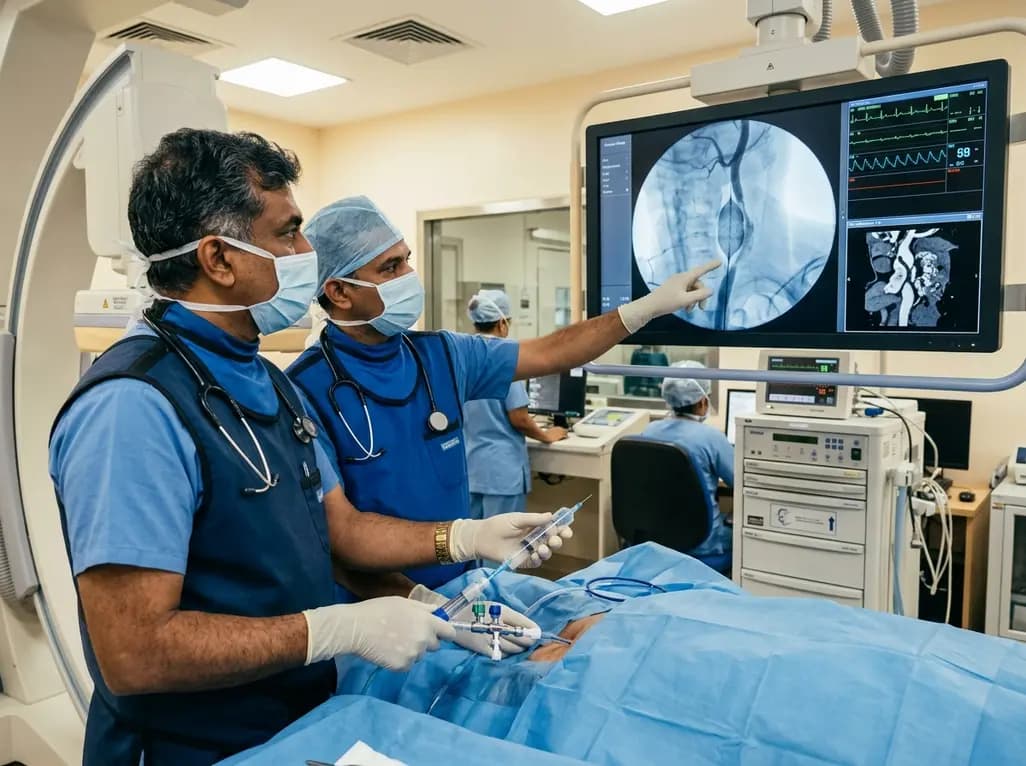
Discover how rescue cutting balloon angioplasty successfully modifies heavily calcified carotid stenosis, enabling stent delivery without baroreceptor instability and ensuring favorable long-term neurologic outcomes.
Today
A breakthrough study reveals that digoxin alleviates osteoarthritis by targeting LSP1 in synovial macrophages, preventing harmful extracellular trap formation and restoring SOD1 activity. This dual-action mechanism protects joint cartilage and offers a promising repurposing strategy for disease modification.
Today
Data from the 2026 Workforce Health Index reveals that 38.7% of urban employees and dependents exhibit abnormal glycemic control. Emerging at increasingly younger ages, this metabolic shift intersects with severe vitamin deficiencies, highlighting the urgent need for early workplace screenings and targeted clinical care.
Today
