.webp&w=384&q=75)

Loading, please wait...
Loading, please wait...
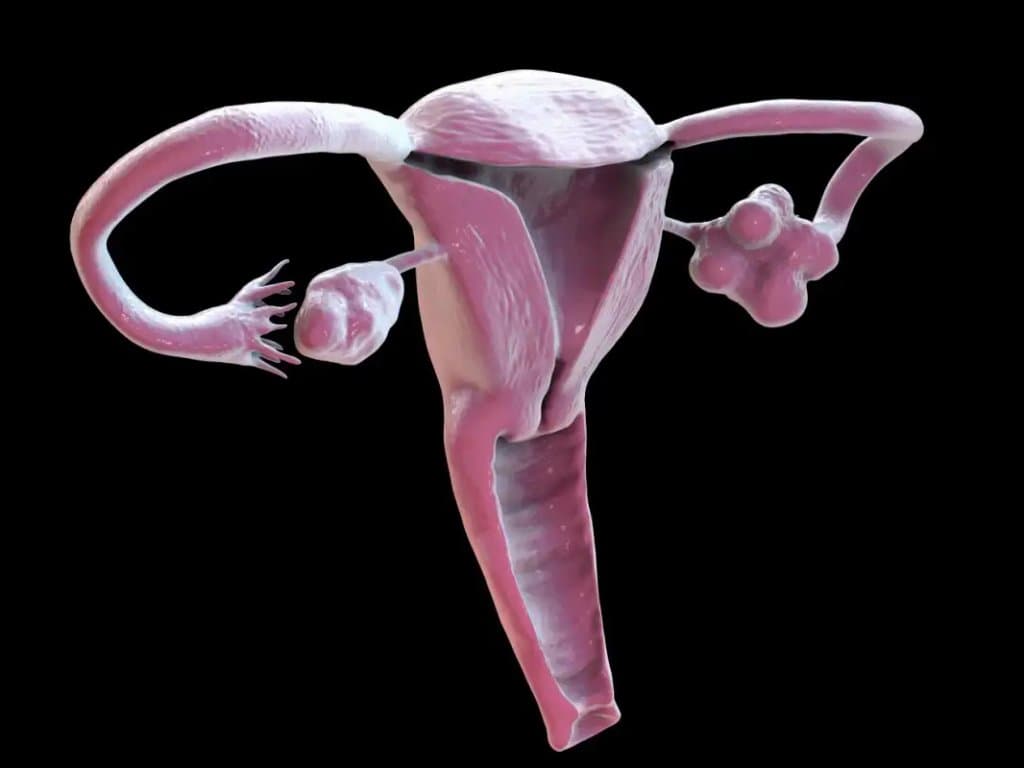
Experts examined 312 polycystic ovary syndrome (PCOS) patients and 133 healthy controls to explore the relationship between ABO blood type and menstrual patterns. Blood type distribution varied significantly among PCOS patients with different menstrual levels. PCOS patients with blood type O had significantly different BMI, E2, LH, and FSH levels compared to other blood types and showed a higher tendency towards heavier menstrual bleeding.

Read summarized clinical updates, watch expert medical content, and earn CME certifications right from your smartphone.
Open your smartphone camera to scan and install.





Experts examined 312 polycystic ovary syndrome (PCOS) patients and 133 healthy controls to explore the relationship between ABO blood type and menstrual patterns. Blood type distribution varied significantly among PCOS patients with different menstrual levels. PCOS patients with blood type O had significantly different BMI, E2, LH, and FSH levels compared to other blood types and showed a higher tendency towards heavier menstrual bleeding.
2 months ago

Explore why official drug package inserts fail to reflect modern evidence for clozapine prescribing. Learn how legal standards of care, case law, slow titration, and vital adverse event monitoring empower clinicians to prioritize evidence-based medical practice over outdated manufacturer labeling.
Today

Occult maternal malignancy accounts for 3.82% of persistent unreportable NIPT results with genomic noise. Multiple chromosomal aberrations, notably on chromosome 18, warrant thorough oncological evaluation and whole-body MRI to ensure timely maternal diagnosis while preserving fetal care.
Today

This article reviews the forensic and clinical complexities of acute myocarditis arising on left ventricular hypertrophy in children, highlighting early diagnostic red flags and multidisciplinary postmortem autopsy protocols.
Today
A randomized controlled trial demonstrates that an eight-week dual-task training intervention significantly improves static and dynamic postural control over standard balance exercises in individuals with chronic ankle instability, addressing critical neurocognitive deficits during athletic and daily activities.
Today

A retrospective cohort study of 7,716 ICU patients from the MIMIC-IV database demonstrates that Gradient Boosting Decision Trees significantly outperform traditional SOFA scores in predicting in-hospital mortality among patients with sepsis and diabetes, with SHAP analysis providing clinical interpretability.
Today
