

Loading, please wait...
Loading, please wait...

The role of Ayush in global health is rapidly evolving from an alternative practice to a central pillar of modern wellness. During the 3rd International Ayush Conference in Dubai, Minister Prataprao Jadhav emphasized the importance of holistic solutions for lifestyle disorders. These interventions integrate the body, mind, and environment through evidence-supported methods. Consequently, traditional systems like Ayurveda and Yoga are gaining unprecedented international recognition. This shift reflects a growing demand for preventive care and mental health support worldwide.
The global healthcare community now recognizes Ayush systems as essential for physical and social wellbeing. Therefore, traditional medicine is no longer sidelined. Instead, it occupies the center of international health dialogues today. Participants from 28 countries engaged in scientific discussions during the three-day event. These partnerships aim to build a human-centric public health structure. Furthermore, health diplomacy is strengthening trust among diverse nations. Such collaboration ensures that traditional systems meet modern regulatory standards. As a result, global health security is bolstered by these inclusive healthcare frameworks.
A significant milestone of the conference was the deliberation on a draft international white paper. This document seeks to transition traditional practices toward evidence-based validation. It moves away from isolated treatments toward structured, integrated healthcare frameworks. Additionally, the paper will guide academic institutions and governments in public health policy. Quality assurance and international certification remain top priorities for global acceptance. Finally, the Delhi Declaration reaffirms a commitment to safety standards and responsible integration. These steps ensure that Ayush remains a credible contributor to the medical field.
Q1: What is the main goal of the international white paper on Ayush?
The white paper aims to transition Ayush practices from experience-based methods to evidence-based validation and structured treatment protocols for global use.
Q2: Which systems are included under the Ayush umbrella?
Ayush encompasses Ayurveda, Yoga, Unani, Siddha, and Homoeopathy, all focusing on holistic and nature-aligned wellbeing across different cultures.
Q3: How does the conference impact medical value travel?
The conference promoted the expansion of Ayush services and investment partnerships, which directly enhances the growth of medical value travel for traditional therapies.
Disclaimer: This content is for informational and educational purposes only. It does not constitute medical advice or replace professional judgment. Refer to the latest local and national guidelines for clinical practice.
References

Read summarized clinical updates, watch expert medical content, and earn CME certifications right from your smartphone.
Open your smartphone camera to scan and install.





Ayush is moving from the margins to the center of global health, focusing on evidence-based integration and holistic mind-body wellness protocols....
8 months ago
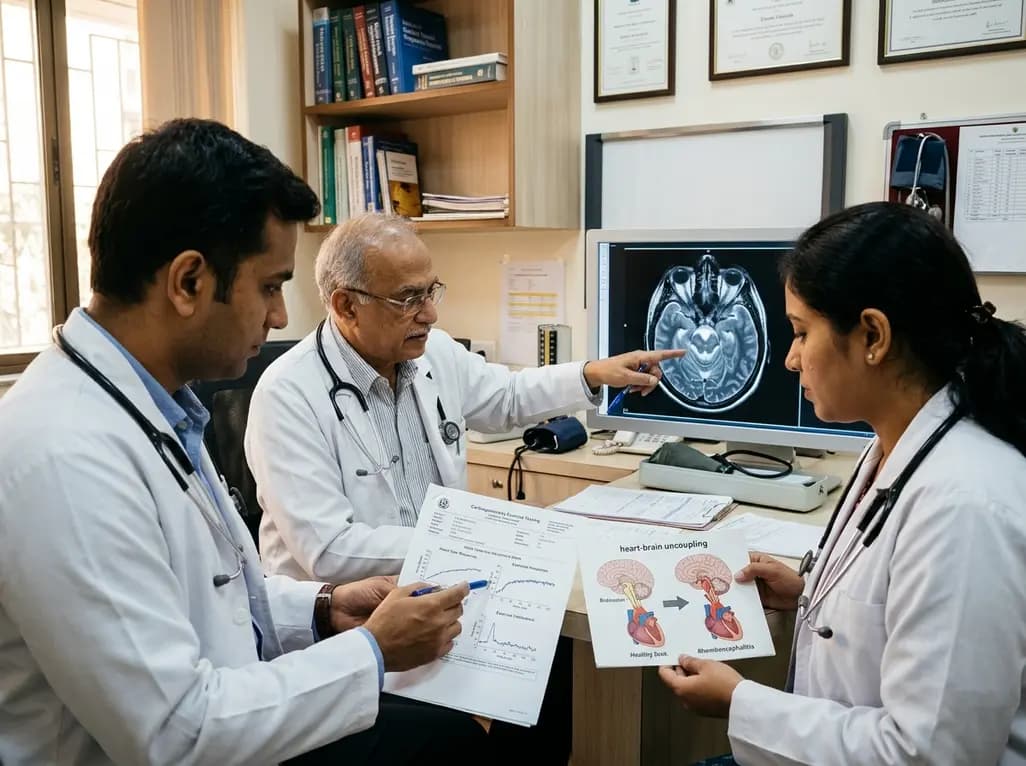
Central chronotropic incompetence is an underrecognized sequela of rhombencephalitis causing exertional dyspnea despite normal resting cardiac function. Cardiopulmonary exercise testing unmasks this heart-brain uncoupling, guiding rate-responsive pacing and targeted rehabilitation.
Today

A landmark study reveals that lipid-rich malignant ascites alters the T-cell metabolic transcriptome, causing cholesterol efflux and impaired fatty acid oxidation. This suppresses TCR signalling and blocks BiTE immunotherapy, while lipid depletion restores antitumour cytotoxicity in ovarian cancer.
Today
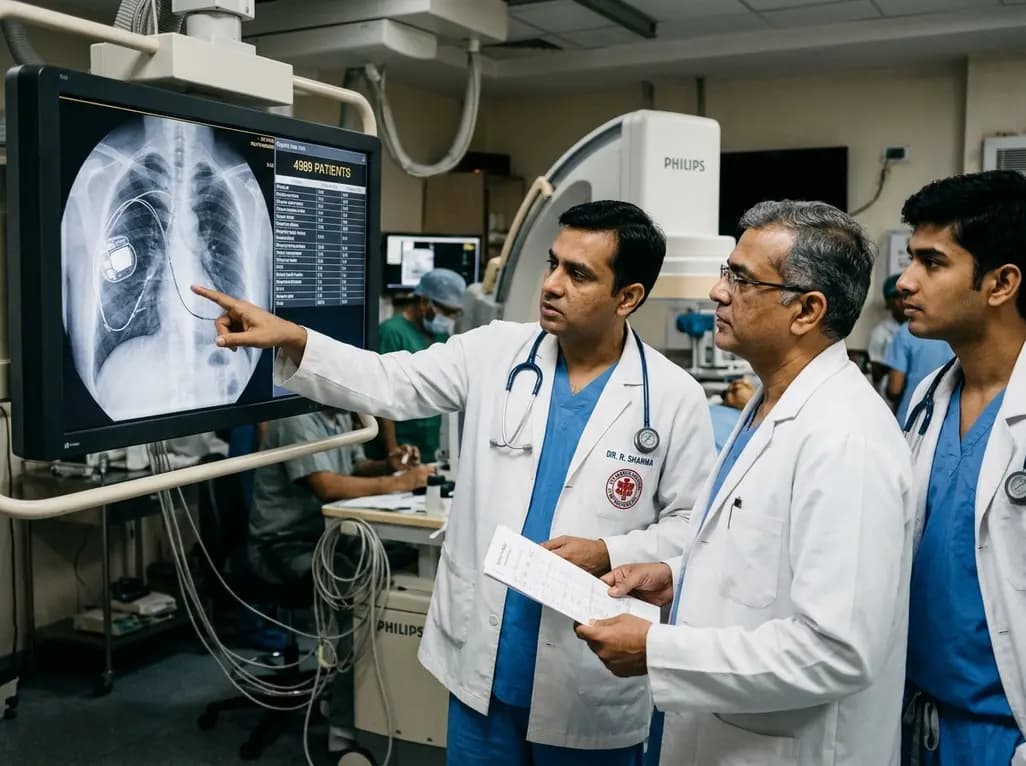
A registry study of 4,989 patients evaluates transvenous lead extraction for right-sided cardiac devices. Despite longer dwell times and older leads, right-sided extractions achieve high procedural success and comparable safety to left-sided approaches.
Today
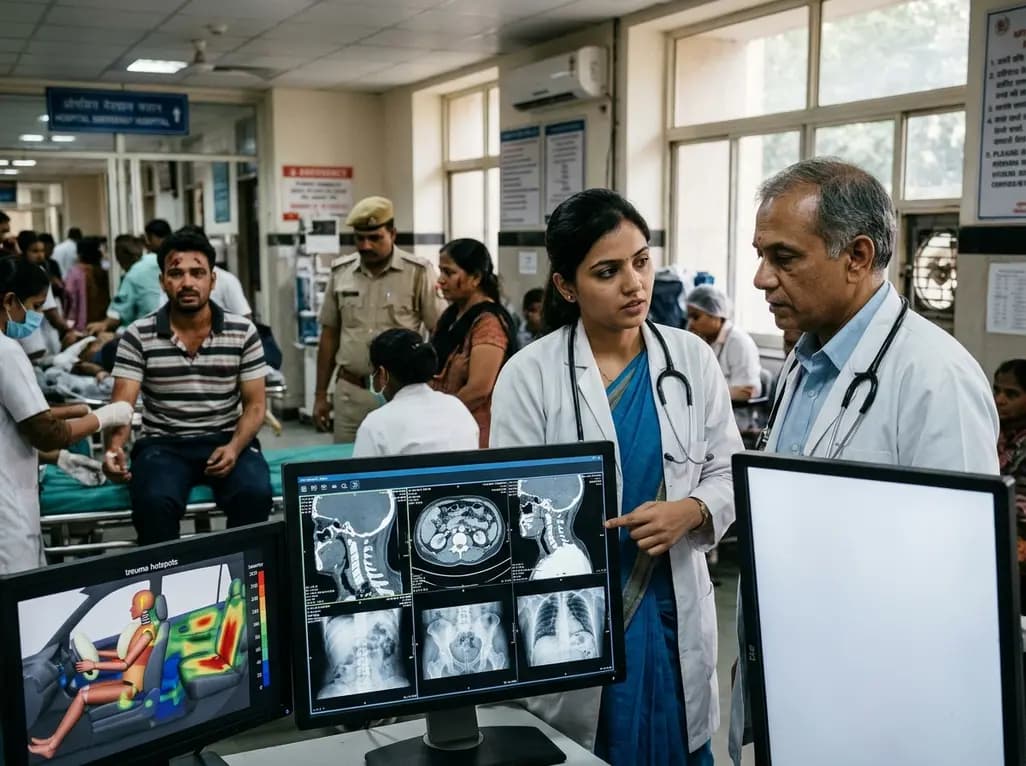
Recent crash analyses demonstrate significant variations in traffic injury severity across vehicle seating positions. Electric vehicle passengers face disproportionately higher trauma risks than drivers, particularly during airbag deployments, demanding adapted emergency assessment and clinical vigilance.
Today
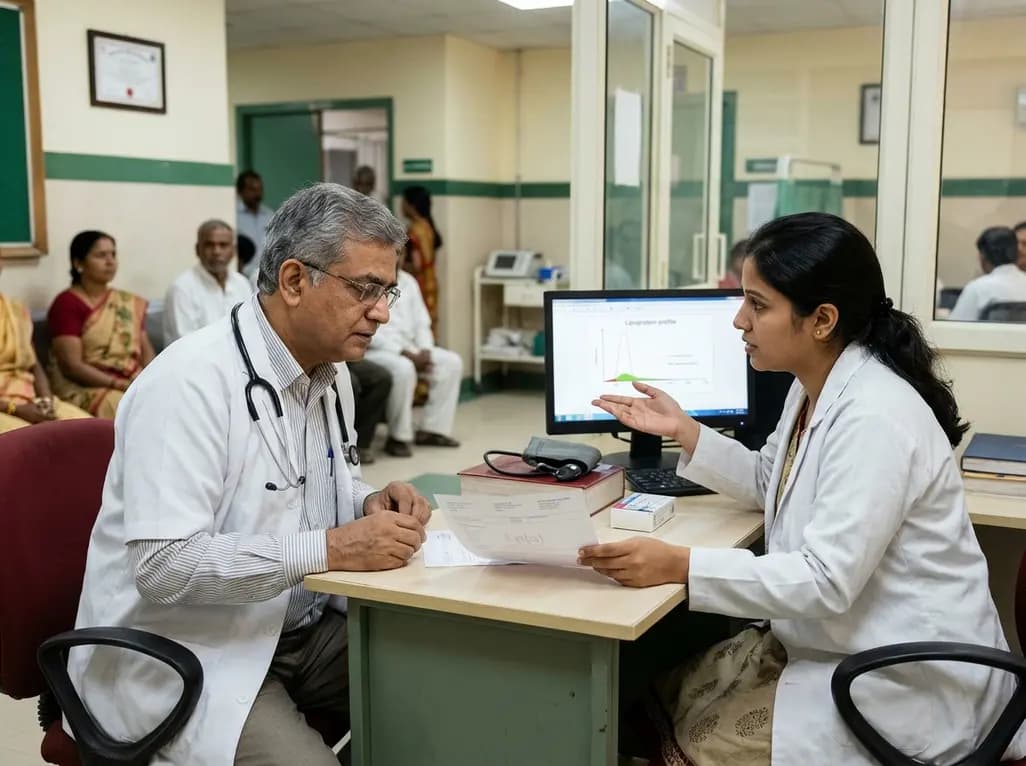
Understand the causal role of Lipoprotein(a) in cardiovascular disease, why international guidelines recommend once-in-a-lifetime molar testing, and the clinical implications of recent phase 3 RNA outcome trials.
Today
