

Loading, please wait...
Loading, please wait...
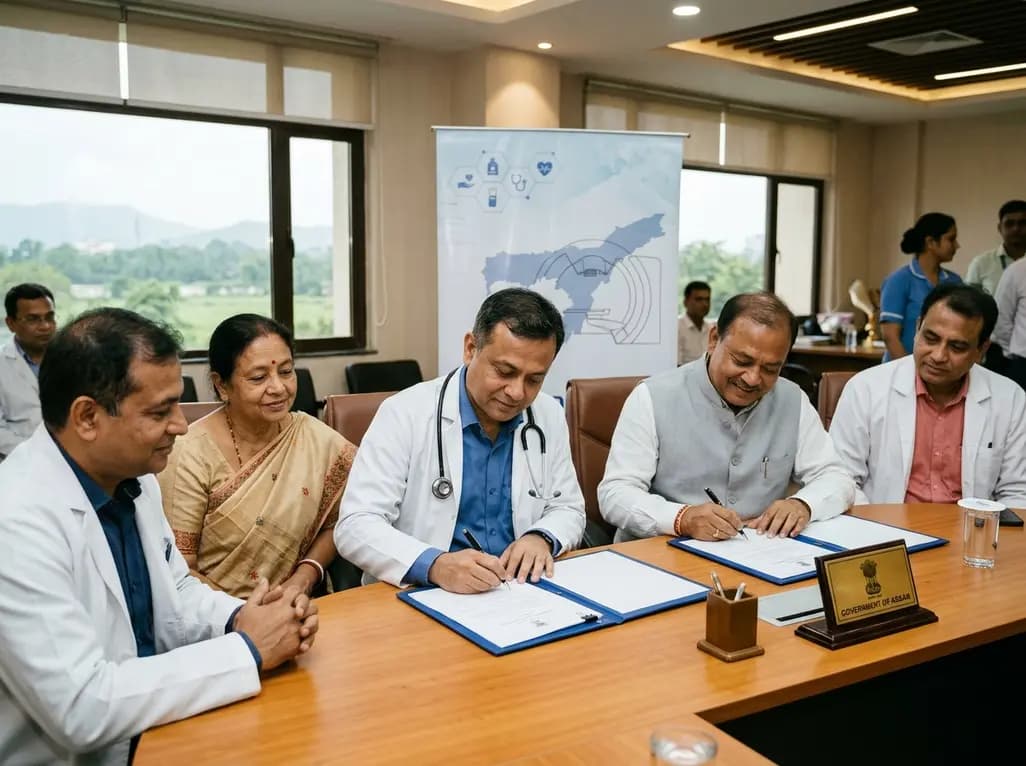
The Government of Assam has signed a landmark agreement to establish India's first state-run facility for proton beam therapy in Guwahati. Consequently, this transformative initiative will bring cutting-edge particle irradiation directly to the public healthcare system of Northeast India. The project represents a monumental leap forward in making sophisticated, tissue-sparing cancer care affordable and accessible for thousands of underprivileged patients across regional borders.
Specifically, the Government of Assam executed this historic agreement with IBA Particle Therapy India at Lok Sewa Bhawan. Chief Minister Himanta Biswa Sarma emphasized that cancer remains a formidable health crisis throughout the northeastern states. Historically, patients from this region traveled thousands of kilometers to distant metropolitan hubs to receive advanced radiation treatments. Therefore, state leadership prioritized establishing this advanced tertiary facility locally to democratize specialized oncology care. The ambitious project requires an estimated investment of approximately Rs 600 crore. Notably, the World Bank contributes Rs 315 crore through the Assam State Secondary Healthcare Initiative for Service Delivery Transformation project. Meanwhile, the Assam Government provides the remaining balance of Rs 285 crore through dedicated health infrastructure funding. In addition, this robust financial architecture guarantees sustained public access without imposing catastrophic out-of-pocket expenses on vulnerable families. Consequently, ordinary citizens will access revolutionary particle radiotherapy protocols that previously remained confined to high-cost private institutions. The center will also receive clinical referrals from neighbouring countries under the national Act East Policy. Ultimately, Guwahati will emerge as a vital regional destination for comprehensive, high-precision cancer management.
Proton beam therapy delivers substantial radiobiological and dosimetric advantages over conventional photon-based external beam radiotherapy. Standard photon beams inevitably deposit radiation along their entire trajectory, creating entry doses, collateral scattering, and exit doses through healthy tissues. In contrast, heavy charged particles such as protons exhibit a unique physical phenomenon known as the Bragg peak. Clinicians can calibrate the energy of the proton beam to penetrate tissues to a predetermined depth. At this precise focal point, protons release the vast majority of their destructive energy directly within the tumor target. Furthermore, the radiation dose drops sharply to zero immediately beyond the tumor boundary. Consequently, nearby organs at risk absorb virtually zero exit radiation during daily therapeutic sessions. This exquisite spatial precision proves indispensable when treating pediatric malignancies, where developing organs display extreme radiosensitivity. For instance, sparing normal brain tissue, optic pathways, cardiac structures, and developing vertebral bodies protects critical physiological function. As a result, proton treatments significantly decrease the lifetime risk of radiation-induced secondary malignancies in young cancer survivors. Modern radiation oncologists therefore regard proton therapy as the benchmark curative standard for complex solid malignancies.
To deliver this sophisticated care, the Guwahati facility will house the state-of-the-art ProteusONE solution developed by IBA. This compact, single-room system integrates advanced pencil-beam scanning technology within an ergonomic footprint suitable for hospital environments. Furthermore, the ProteusONE platform incorporates real-time stereoscopic image guidance to monitor internal organ motion with millimeter precision. Clinicians can sculpt intricate dose distributions around highly irregular target volumes while maintaining maximum patient comfort. However, operating such sophisticated particle accelerators demands specialized clinical expertise and rigorous radiation physics training. Therefore, the Government of Assam incorporated comprehensive workforce development directly into the bilateral partnership agreement. Under this contractual framework, IBA will provide exhaustive operational instruction for radiation oncologists, medical physicists, and radiotherapy technologists. Additionally, selected medical specialists will undergo international fellowships at renowned particle therapy institutions worldwide. To accelerate operational readiness, the state government has partnered with Tata Memorial Centre in Mumbai for early workforce onboarding. Consequently, multi-professional clinical teams will master treatment planning, phantom quality assurance, and motion management protocols prior to commissioning. This collaborative training pipeline ensures flawless clinical safety and immediate operational excellence from day one.
The forthcoming proton facility represents the apex of a broader systemic revolution across Assam's oncological infrastructure. In partnership with Tata Trusts, the state government established the Assam Cancer Care Foundation to build a three-tier healthcare delivery network. Currently, 12 out of 17 planned district cancer centers are fully functional, providing decentralized screening, chemotherapy, and surgical interventions. Moreover, the remaining five community hospitals will achieve operational status within the next two years. State data demonstrates that this network has already conducted over 2.6 lakh outpatient consultations and treated 82,500 inpatients. Furthermore, regional centers have successfully administered over 1.88 lakh chemotherapy cycles and executed 20,000 radiotherapy protocols. In addition, the State Cancer Institute in Guwahati now offers robotic oncologic surgery, bone marrow transplantation, and nuclear medicine gamma cameras. Significantly, this structured oncology model serves as the official referral network for the Royal Government of Bhutan. The Ministry of Health and Family Welfare has even praised the Assam blueprint as a national benchmark for other states. Thus, integrating proton therapy reinforces a robust existing framework rather than creating an isolated technological island.
The introduction of public proton therapy will alter clinical referral patterns and multidisciplinary decision-making across Eastern India. Radiation oncologists prioritize proton therapy for complex anatomical regions where conventional radiation risks debilitating normal tissue necrosis. Specifically, ASTRO clinical guidelines strongly endorse protons for skull base chordomas, ocular melanomas, and pediatric central nervous system malignancies. Additionally, proton beams offer compelling therapeutic advantages in treating locally advanced head and neck cancers, esophageal carcinomas, and retroperitoneal sarcomas. Clinicians also utilize protons for re-irradiation protocols where prior photon therapy exhausted cumulative normal tissue radiation tolerance. At present, India relies on only two operational proton facilities, creating substantial geographic and financial barriers for patients. Consequently, this state-run Guwahati facility will democratize access, easing severe clinical demand on existing national proton institutes. Furthermore, regional clinicians will facilitate timely multidisciplinary tumor board referrals without sending patients across continental distances. The center also advances medical value travel by welcoming oncology referrals from Bangladesh, Bhutan, Nepal, and Myanmar. Ultimately, this technological leap empowers oncologists to optimize tumor control while elevating long-term survivorship across South Asia.
Q1: What are the primary clinical indications for proton beam therapy over conventional photon radiotherapy?
Radiation oncologists recommend proton beam therapy primarily for tumors located adjacent to critical, radiosensitive anatomical structures. Major indications include pediatric malignancies, skull base chordomas, chondrosarcomas, ocular tumors, and central nervous system neoplasms. Furthermore, clinicians utilize protons for complex head and neck cancers, mediastinal lymphomas, and retroperitoneal sarcomas. The absence of an exit dose also makes proton irradiation the preferred choice for re-irradiation scenarios where critical organs have already reached cumulative radiation thresholds.
Q2: How does the Bragg peak phenomenon protect normal pediatric tissues from radiation damage?
Protons possess mass and charge, which allows them to travel through tissue while releasing minimal energy until they decelerate. At the end of their physical range, they discharge their maximum energy within a concentrated area called the Bragg peak. Immediately beyond this peak, the radiation dose drops sharply to zero. Consequently, pediatric patients receive virtually no exit dose, which shields developing brain parenchyma, endocrine glands, and spinal tissue from unnecessary radiation and secondary cancer risks.
Q3: How does the public proton therapy centre in Assam alter cancer care economics in India?
Currently, proton therapy in India is available at only two centers, costing private patients up to forty to fifty lakh rupees per curative course. By establishing the country's first state-owned proton unit through World Bank and governmental funding, Assam significantly lowers financial barriers for underprivileged populations. In addition, this public facility expands regional therapeutic capacity, mitigates severe interstate travel burdens, and provides subsidized, world-class radiotherapy for patients across Northeast India and neighbouring countries.
Disclaimer: This content is for informational and educational purposes only. It does not constitute medical advice or replace professional judgment. Refer to the latest local and national guidelines for clinical practice.
References

Read summarized clinical updates, watch expert medical content, and earn CME certifications right from your smartphone.
Open your smartphone camera to scan and install.





The Government of Assam has partnered with IBA to establish India's first state-owned proton beam therapy facility in Guwahati. Funded partly by the World Bank, the landmark 600-crore project integrates cutting-edge ProteusONE technology to deliver precise, tissue-sparing radiation for pediatric and complex cancers.
Today

A comprehensive meta-analysis examines the safety and efficacy of cannabinoid-based interventions in Parkinson's disease. While experimental interest remains high, randomized controlled trials show no clear therapeutic benefits alongside significant risks of acute confusion and dizziness in vulnerable patients.
Today
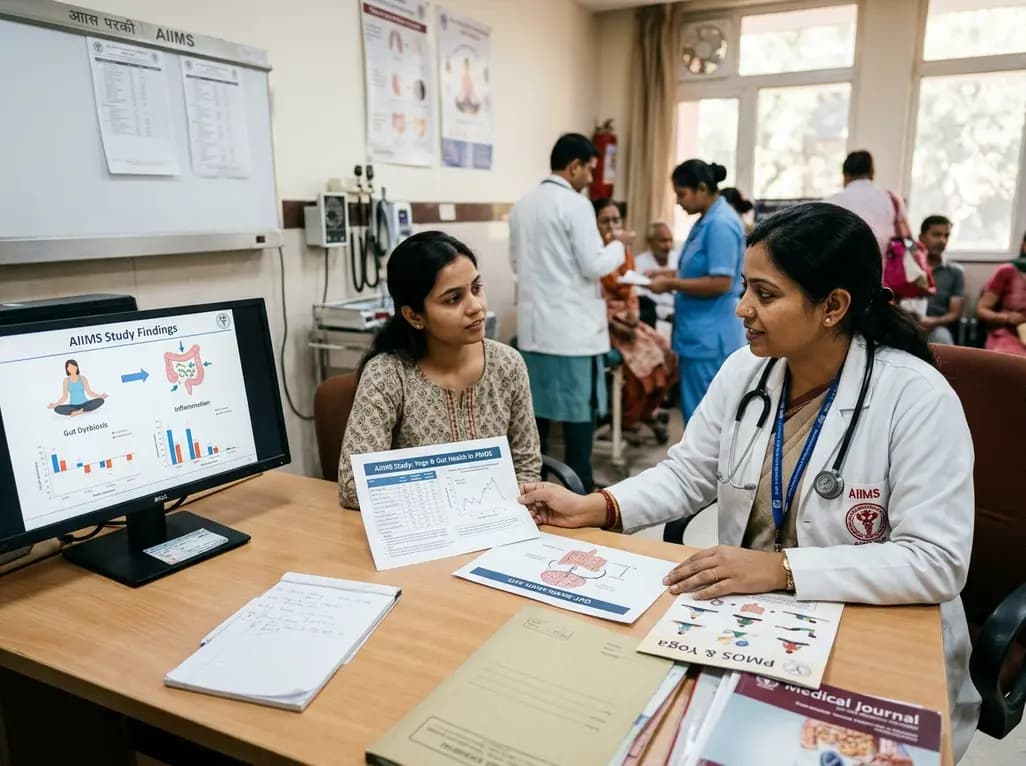
AIIMS researchers suggest yoga may alleviate gut dysbiosis in Polyendocrine Metabolic Ovarian Syndrome (PMOS) by modulating the gut-brain axis, lowering chronic inflammation, and enhancing parasympathetic tone to support metabolic and hormonal equilibrium.
Today
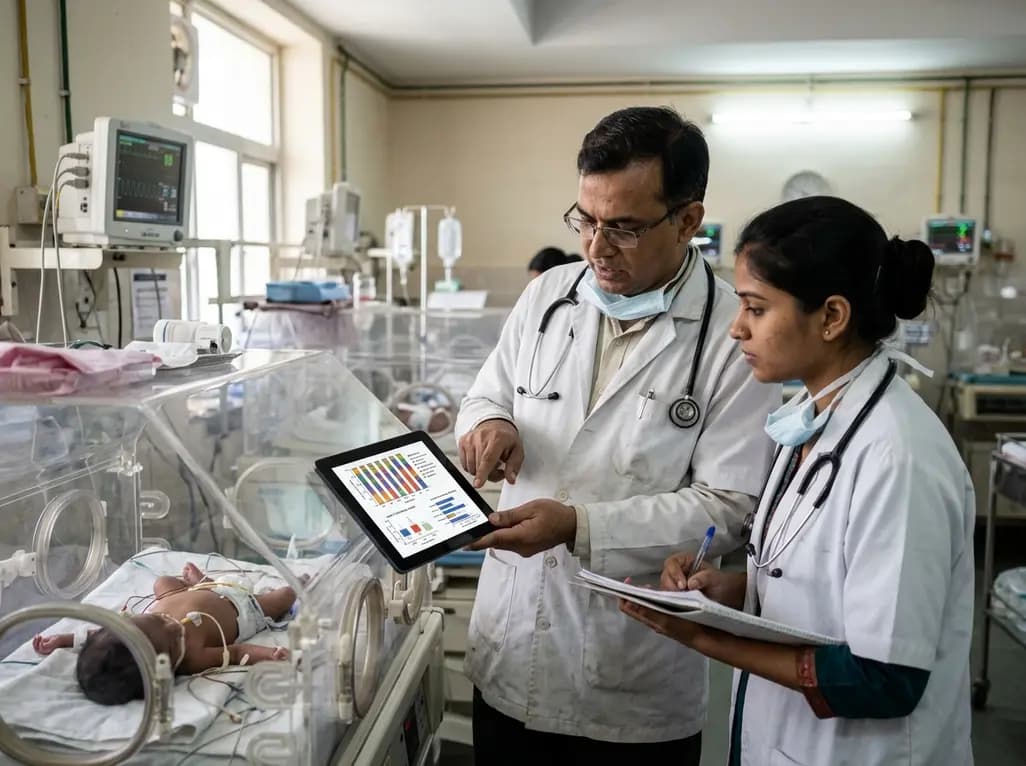
A prospective cohort study demonstrates that feeding tubes, formula exposure, aortic cross-clamp duration, and socioeconomic deprivation disrupt the neonatal gut microbiome in congenital heart disease, emphasizing the need for targeted nutritional and perioperative gut-protective strategies.
Today
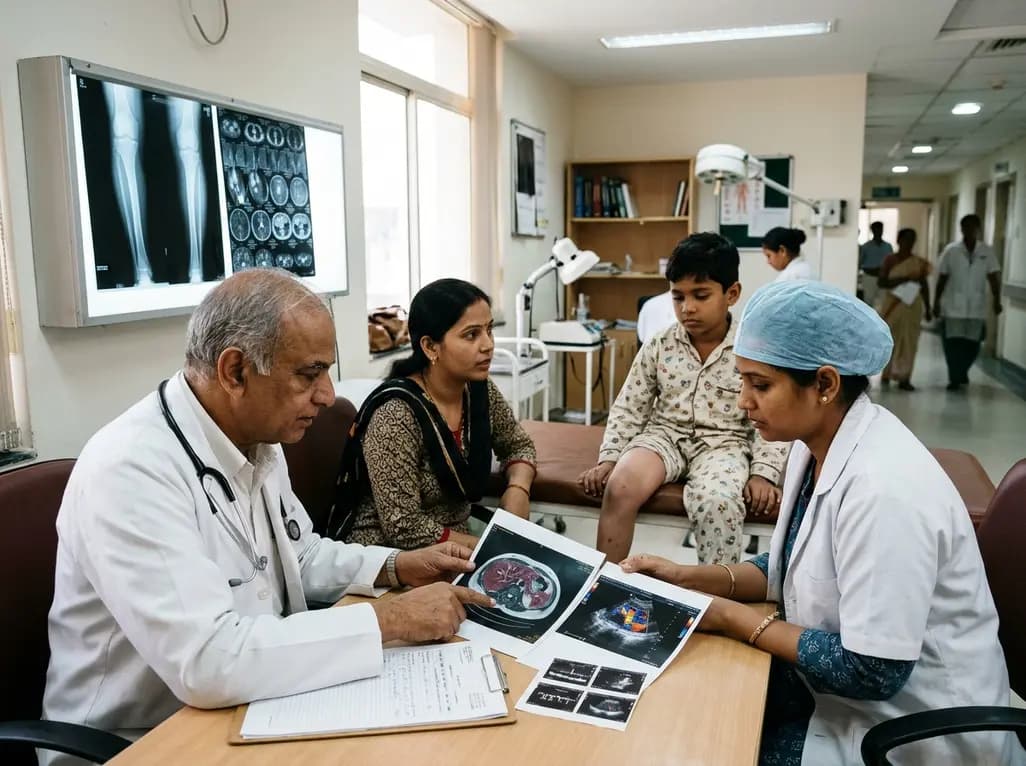
Deep intramuscular vascular malformations in pediatric Klippel-Trenaunay syndrome can mimic Maffucci syndrome. Multimodality imaging with Doppler ultrasound and MRI, along with histopathology, ensures prompt differential diagnosis, targeted surgical debulking, and optimized conservative surveillance.
Today
Modern management of adrenal incidentalomas is shifting away from universal testing toward risk-stratified biochemical evaluation. Guidelines suggest omitting metanephrine testing in lipid-rich adenomas (≤10 HU), while maintaining autonomous cortisol testing to prevent cardiometabolic complications.
Today
