.webp&w=384&q=75)

Loading, please wait...
Loading, please wait...

Modern digital dentistry is undergoing a profound paradigm shift driven by computational algorithms and machine learning tools. Clinicians now deploy AI in orthodontics across routine workflows, from cephalometric landmark identification and automated dental segmentation to digital aligner staging. However, rapid technological enthusiasm often conceals fundamental constraints that affect diagnostic precision and patient safety. Clinicians must recognize that digital tools serve to augment rather than supplant human clinical acumen. A rigorous, evidence-based understanding of algorithmic boundaries remains essential for every contemporary dental practitioner.
Artificial intelligence models depend entirely on the quality, diversity, and volume of their training data. Consequently, when datasets lack demographic or anatomical diversity, algorithms develop systemic biases that impair diagnostic precision. In orthodontic practice, cephalometric landmarks vary considerably across ethnic cohorts, age groups, and craniofacial skeletal patterns. Therefore, a neural network trained exclusively on homogenous patient records frequently fails when analyzing diverse patient populations.
Furthermore, inconsistent imaging protocols introduce substantial noise into diagnostic models. Variations in patient positioning, radiographic contrast, resolution, and cone beam computed tomography artifacts directly degrade algorithmic output. When training data contain human annotator errors, deep learning systems internalize and amplify these inaccuracies. Dental specialists must understand that high algorithmic performance on an internal training dataset does not guarantee real-world clinical dependability. As a result, practitioners must meticulously scrutinize commercial claims regarding diagnostic accuracy. Dentists must demand robust external validation across diverse patient demographics before integrating automated tools into daily clinical practice.
A primary technical bottleneck in digital dentistry involves model generalizability across diverse clinical settings. Machine learning models often perform exceptionally well within their native development centers, yet their diagnostic accuracy drops significantly when applied in external clinics. Different radiography hardware, intraoral scanner optics, and software compression standards inevitably introduce distribution shifts that confuse neural networks.
In addition, deep neural networks function as opaque black-box systems. These complex architectures generate predictions without displaying clear, clinically interpretable rationales. When an algorithm recommends premolar extractions or automated aligner movements, clinicians cannot readily inspect the biological biomechanics underpinning that decision. Consequently, this opacity poses significant safety challenges during complex treatment planning. Biological tissue responses, periodontal architecture, root morphology, and bone density require nuanced biological understanding that purely statistical systems overlook. Therefore, practitioners cannot accept automated recommendations without manual clinical cross-examination. Orthodontists must maintain direct oversight over every software-generated treatment staging, verifying that tooth movement velocity and anchorage values remain physiologically sound.
The clinical integration of computational software introduces urgent ethical and legal questions regarding malpractice liability. Currently, regulatory frameworks in India and internationally assign complete legal responsibility to the treating dental clinician. Therefore, if an automated segmentation model misidentifies root resorption or an aligner algorithm creates alveolar dehiscence, the software developer avoids clinical liability. The practicing clinician bears total professional accountability for treatment outcomes.
Moreover, patient data privacy presents a formidable ethical challenge. Automated software platforms frequently process sensitive intraoral photographs, three-dimensional digital impressions, and DICOM volume scans on proprietary cloud servers. Consequently, dental clinics must ensure strict compliance with regional data protection mandates and healthcare privacy laws. Practitioners must obtain explicit informed consent from patients before uploading identifiable biometric records into commercial artificial intelligence pipelines. Furthermore, clinicians must inform patients whenever algorithmic tools directly influence diagnostic staging or treatment predictions. Transparent communication reinforces patient trust, mitigates legal vulnerabilities, and preserves professional healthcare standards in an increasingly computerized dental environment.
Modern dental education curricula must rapidly evolve to prepare future clinicians for algorithmic dental environments. Currently, most dental training programs teach conventional diagnostic cephalometrics and manual biomechanical mechanics without addressing digital literacy. Consequently, young dental practitioners often lack the foundational computational knowledge required to evaluate automated software critically. Without adequate education, clinicians risk developing automation bias, an uncritical over-reliance on digital recommendations.
Nevertheless, human empathy, clinical intuition, and direct physical communication remain indispensable pillars of successful orthodontic therapy. Automated algorithms can analyze pixels and calculate angles, but they cannot assess patient anxiety, personal aesthetic preferences, or compliance willingness. Similarly, digital programs cannot evaluate patient lifestyle factors or adapt treatment mechanics when unexpected biological responses occur. Orthodontic residency programs must therefore integrate structured digital curriculum modules that teach algorithmic critique alongside foundational biomechanics. Ultimately, technology must remain a subservient diagnostic instrument that enhances human capability rather than replacing the clinical judgment and personal interaction of the caring practitioner.
Looking ahead, the next generation of orthodontic technology promises powerful, multidimensional clinical tools. Researchers are actively developing multimodal artificial intelligence systems that combine three-dimensional facial photogrammetry, volumetric cone beam computed tomography, and genetic markers. Consequently, these integrated platforms will allow clinicians to forecast pubertal growth spurts and simulate post-treatment soft tissue changes with unprecedented accuracy.
Furthermore, remote dental monitoring represents another expanding frontier in digital orthodontics. Smartphone-based tracking platforms allow clinicians to evaluate aligner tracking, monitor oral hygiene, and detect broken appliances between routine office visits. As a result, remote monitoring reduces unnecessary clinic visits while enhancing treatment adherence and accelerating therapeutic outcomes. In addition, generative design and automated three-dimensional printing will soon facilitate chairside manufacturing of customized orthodontic appliances tailored precisely to patient anatomy. However, realizing this technological promise requires close collaboration between academic researchers, practicing clinicians, and regulatory agencies. Orthodontists must actively guide technological evolution to ensure that algorithmic developments prioritize patient safety, biological realism, and superior therapeutic efficacy above commercial expediency.
No, artificial intelligence cannot independently diagnose malocclusions or design orthodontic treatments. While algorithmic software excels at automated cephalometric tracing and digital model segmentation, it lacks understanding of biological tissue responses and individual patient aesthetics. Furthermore, computational models cannot assess periodontal support, temporomandibular joint health, or patient compliance. Therefore, licensed orthodontic practitioners must carefully verify all software recommendations to ensure safe, physiologically sound treatment outcomes.
Automation bias occurs when a clinician uncritically trusts an automated software recommendation, overlooking potential errors or diagnostic discrepancies. Practitioners can avoid automation bias by maintaining a questioning mindset and systematically cross-checking automated landmarks against raw diagnostic images. In addition, attending structured digital dental education programs helps clinicians understand model limitations. Practitioners should always rely on validated biological biomechanics rather than blindly adopting computer-generated setups.
The treating dental clinician retains full legal liability if an artificial intelligence-guided treatment plan causes patient harm. Regulatory bodies and courts classify dental software as assistive decision-support tools rather than autonomous practitioners. Consequently, developers carry no direct medical malpractice liability for clinical outcomes. Orthodontists must personally review, modify, and validate all digital aligner stagings, tooth movements, and diagnostic assessments before initiating patient therapy.
Disclaimer: This content is for informational and educational purposes only and should not be construed as medical advice. Refer to the latest local and national guidelines for clinical practice.
References

Read summarized clinical updates, watch expert medical content, and earn CME certifications right from your smartphone.
Open your smartphone camera to scan and install.





While artificial intelligence continues to transform orthodontic diagnostics and aligner workflows, clinicians must navigate data quality, legal accountability, and algorithmic limits. Discover practical strategies to integrate AI responsibly into routine clinical care.
Today
A novel multidimensional framework defines hidradenitis suppurativa disease progression across objective severity, anatomical spread, and cumulative burden. Clinicians can identify high-risk phenotypes, utilize ultrasound for subclinical tunnel detection, and intervene within an early window of opportunity.
Today
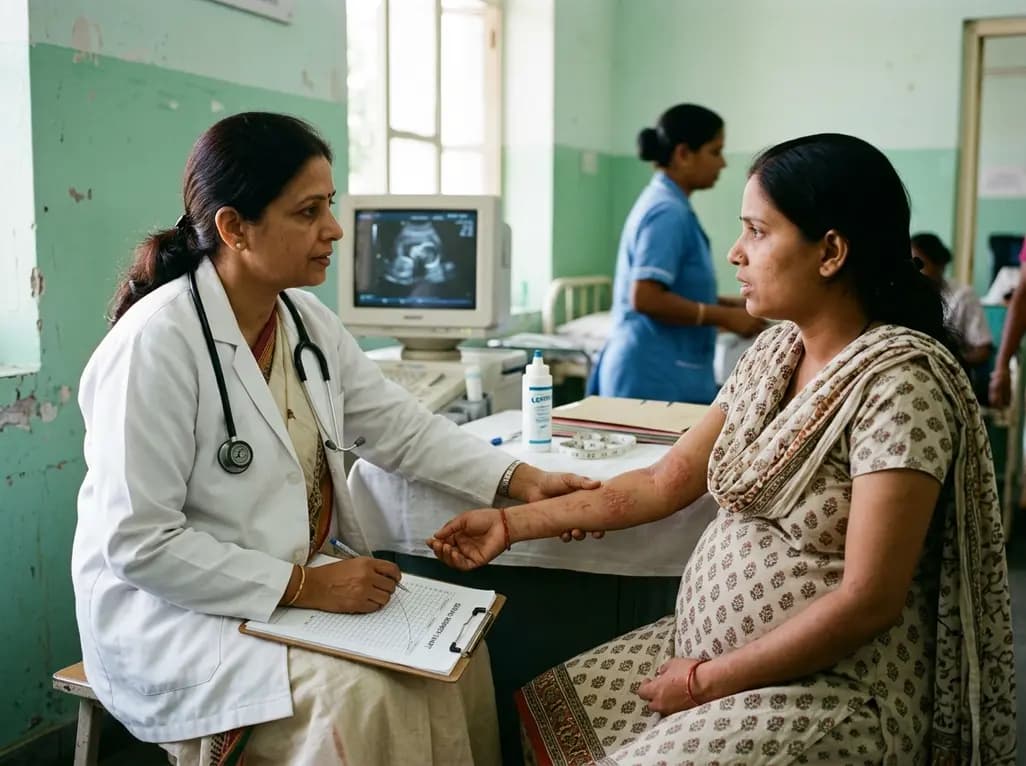
A comprehensive meta-analysis of over 278,000 women demonstrates that maternal atopic dermatitis significantly increases risks of premature rupture of membranes and low birth weight. Discover essential clinical insights on disease mechanisms, serial antenatal growth monitoring, and safe therapeutic interventions.
Today

Over 60 international public health researchers have advised FSSAI to mandate front-of-pack warning labels for any packaged product high in even one critical nutrient: sugar, saturated fat, or sodium. This reform counters phased rollouts to accelerate consumer protection and address India's chronic disease burden.
Today
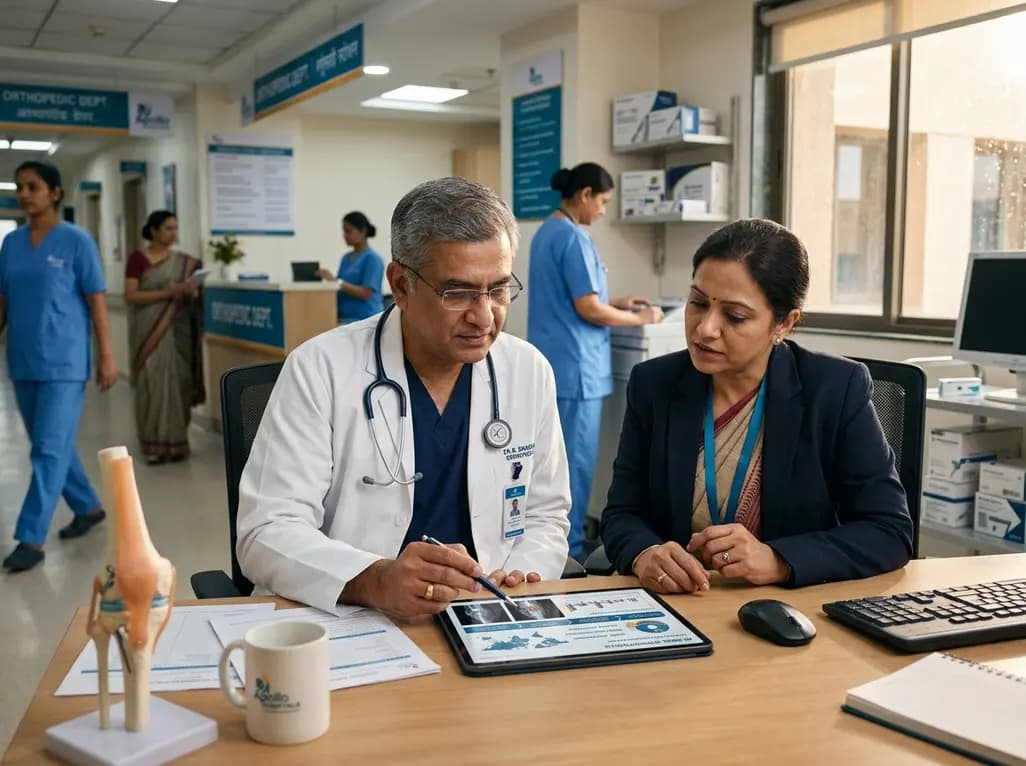
Apollo Global Management is in talks to acquire Johnson & Johnson's DePuy Synthes orthopedics unit in a potential $20 billion transaction. This comprehensive analysis reviews the MedTech restructuring, product lines in joint reconstruction, ongoing legal issues, and key implications for global orthopedic surgery.
Today
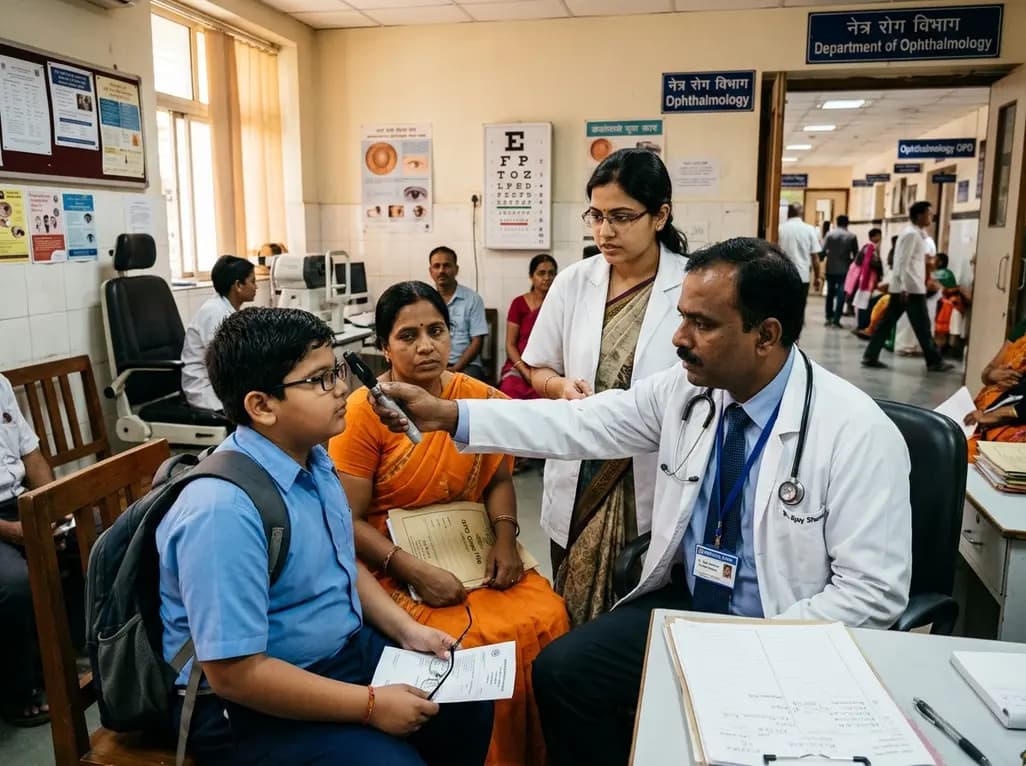
A cross-sectional study reveals that elevated METS-IR is independently associated with higher myopia odds in adolescents, showing biological synergy with obesity and highlighting the need for metabolic screening in pediatric eye care.
Yesterday
