

Loading, please wait...
Loading, please wait...
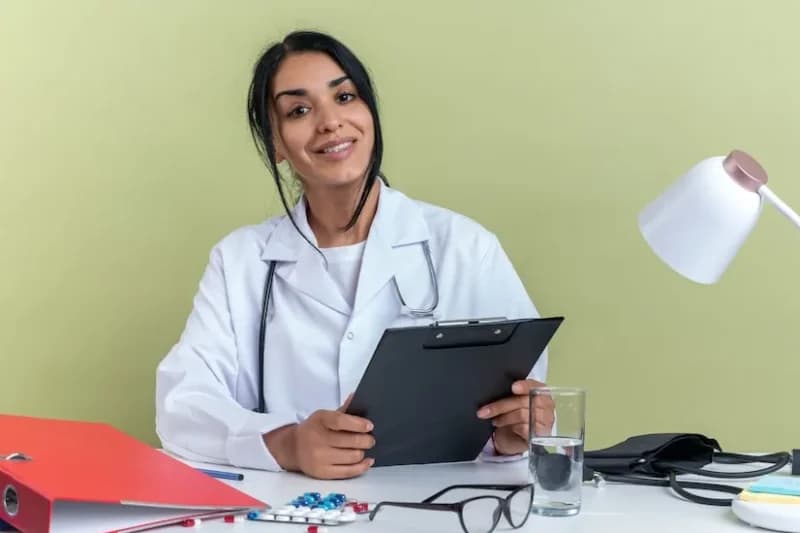
Modern healthcare delivery in India is undergoing a rapid transition toward digital health interventions. In particular, AI-driven nutrition has emerged as a groundbreaking frontier that promises to transform preventive medicine and chronic disease management. Medical specialists, public health authorities, and computational scientists recently convened at the ETHealthworld Nutriwell Conclave to evaluate this shift. They emphasized that modern algorithms must bridge rigorous scientific validation with deep cultural traditions to deliver lasting metabolic health outcomes. As chronic lifestyle diseases escalate nationwide, integrating computational tools into clinical practice offers immense potential for scalable, personalized patient care.
Traditional dietary practices across India reflect centuries of regional agricultural diversity and culinary evolution. However, modern urban lifestyles frequently disrupt these balanced native habits, accelerating the onset of chronic non-communicable diseases. Dr. Ganesh Bagler, Professor of Computational Biology at IIIT-Delhi, demonstrated how computational gastronomy decodes these culinary traditions through data science. This innovative discipline systematically investigates flavor molecules, ingredient networks, and traditional cooking methods. AI algorithms can scrutinize extensive databases of regional preparations to understand their health impacts. Consequently, data-driven systems can formulate nutritious alternatives that honor familiar textures and tastes. For example, AI can modify traditional spice blends to maximize anti-inflammatory bioactives while curbing sodium and saturated fat. Furthermore, machine learning models can suggest regional grain substitutions without sacrificing dish palatability. Nevertheless, researchers caution that these automated recipe modifications demand rigorous clinical testing prior to clinical endorsement. Ultimately, computational gastronomy respects regional heritage and fosters better long-term adherence among diverse Indian patient demographics. In addition, clinicians can use these cultural insights to guide patients toward sustainable eating habits. Therefore, data science empowers physicians to deliver nuanced dietary advice that respects regional diversity. Moreover, computational methods help bridge ancient Ayurvedic culinary concepts with contemporary nutritional biochemistry for clinical application.
India currently confronts a unique dual burden of persistent undernutrition alongside surging obesity rates. Consequently, health authorities must deploy scalable digital tools that address rural disparities and urban metabolic syndromes simultaneously. Speaking at the conclave, Dr. Mona Duggal, Scientist G and Director at the ICMR National Institute for Research in Digital Health, highlighted this necessity. She advocated for strategic partnerships between public health institutions and private healthcare enterprises to create unified datasets. Large-scale demographic information enables predictive algorithms to identify micro-nutrient deficiencies in vulnerable populations effectively. Moreover, connected digital platforms can deliver targeted dietary interventions directly to primary health centres across remote districts. However, fragmented data architecture currently limits the clinical utility of many digital applications. Standardizing nutritional data metrics across states will ensure equitable access to algorithmic health solutions. Furthermore, robust data governance protocols must protect individual health records and maintain diagnostic transparency. When public institutions collaborate with technology innovators, preventive nutrition becomes accessible to every socioeconomic stratum. In addition, local healthcare workers can utilize simple digital interfaces to counsel pregnant mothers and malnourished infants. Therefore, comprehensive data ecosystems form the essential bedrock for sustainable population-level nutritional transformations. Ultimately, data-driven equity ensures that rural communities receive the same high-quality nutritional guidance as urban centers.
Metabolic disorders such as type 2 diabetes, dyslipidemia, and non-alcoholic fatty liver disease are rising across India. To counter this crisis, clinicians increasingly utilize AI-driven nutrition to monitor daily caloric consumption and identify metabolic risks early. Dr. Naval Kishore Vikram, Professor of Medicine at AIIMS New Delhi, emphasized the immense diagnostic value of algorithmic dietary tracking. Continuous algorithmic monitoring allows healthcare teams to detect glycemic spikes and irregular eating behaviors in real time. However, Dr. Vikram cautioned physicians against adopting an excessive focus on isolated nutrients. The recent public fascination with high-protein diets often overlooks overall dietary balance and kidney health. Instead, clinicians must prioritize a balanced food-first philosophy over reductionist nutrient targets. Automated algorithms should analyze overall dietary quality rather than isolating macronutrients like carbohydrates or proteins in silos. Furthermore, predictive digital models can anticipate cardiovascular risk markers by evaluating long-term dietary patterns. Consequently, general practitioners can intervene with lifestyle modifications well before irreversible organ damage occurs. Thus, digital tools enhance preventive cardiology and endocrinology when guided by sound clinical physiology. In clinical practice, this integrated approach helps patients establish sustainable nutritional habits without relying on synthetic dietary supplements. Moreover, longitudinal algorithmic data allows endocrinologists to adjust medical therapies alongside personalized nutritional interventions.
While algorithmic applications provide rapid dietary calculations, they cannot replace comprehensive clinical evaluations by trained professionals. Ruchika Jain, Chief Dietician at Fortis Vasant Kunj, underscored that digital platforms often miss subtle physiological nuances. For instance, algorithmic applications cannot detect gastrointestinal distress, psychological eating triggers, or subclinical nutrient deficiencies. Therefore, personalized clinical consultations remain the indispensable foundation of therapeutic nutritional care. Moreover, digital platforms frequently amplify nutritional misinformation by promoting extreme diets and unverified dietary supplements. Dietitians play a pivotal role in reviewing algorithmic outputs and correcting erroneous patient perceptions. In addition, qualified nutrition professionals ensure that prescribed regimens respect individual metabolic limitations and socioeconomic realities. Clinicians must advise patients to treat mobile health applications as complementary aids rather than autonomous authorities. Furthermore, regular face-to-face dietary counselling fosters mutual trust and improves long-term patient compliance. Ultimately, technological innovation should empower clinical professionals rather than displace them from patient management. Similarly, dietitians can guide software developers to refine nutritional formulas according to evidence-based clinical guidelines. Thus, a collaborative relationship between medical specialists and digital algorithms ensures safe patient outcomes. Consequently, combining human empathy with machine precision yields the most effective results in clinical nutrition.
The rapid evolution of consumer preferences requires food manufacturers to balance health considerations with commercial feasibility. Shilpa Wadhwa, Head of Nutrition, Health and Wellness at Nestlé India Limited, discussed this critical industry responsibility. She explained how manufacturers leverage artificial intelligence to gather consumer insights and reformulate packaged products responsibly. Food processors must systematically reduce excessive sugar, sodium, and saturated fats while preserving palatability. However, technological reformulation should never sacrifice essential nutrient density merely to enhance shelf life or reduce production costs. Furthermore, commercial enterprises must ground their product marketing in rigorous scientific evidence rather than sensational health claims. Misleading nutritional labels deceive consumers and undermine public health initiatives aimed at curbing chronic illnesses. Therefore, industry leaders must collaborate with regulatory bodies such as FSSAI to maintain transparent nutritional standards. In addition, responsible packaging should provide clear portion guidance and prominent front-of-pack labeling. Consequently, consumers can make informed dietary decisions that support long-term metabolic health. Ultimately, ethical commercial practices and evidence-based innovation protect consumers from deceptive dietary marketing. Physicians also benefit when food manufacturers supply transparent, clinically substantiated formulations for therapeutic patient use. Moreover, sustained cross-sector dialogue ensures that processed foods align with national dietary goals and clinical recommendations.
Q1: What is computational gastronomy and how does it support nutritional health?
Computational gastronomy is an emerging scientific discipline that blends data science, artificial intelligence, and culinary biochemistry. It systematically analyzes traditional recipe compositions, flavor networks, and ingredient interactions. By evaluating regional dietary practices computationally, researchers develop healthier recipe modifications that preserve beloved cultural tastes. Consequently, this technology helps clinicians recommend culturally acceptable, nutrient-dense meals that ensure superior patient adherence and prevent chronic metabolic diseases.
Q2: Why do clinicians advocate for a food-first approach over individual nutrient trends?
Clinicians advocate for a food-first approach because whole foods provide complex matrices of bioavailable micronutrients, fiber, and protective phytochemicals. Isolating single nutrients, such as excessive protein consumption, frequently distorts overall dietary balance and stresses renal function. In contrast, consuming diverse whole food groups supports metabolic health safely and sustainably. Therefore, dietary guidelines emphasize balanced whole foods rather than commercial single-nutrient powders or unverified synthetic supplements.
Q3: How do digital nutrition tools complement professional medical consultations?
Digital nutrition tools serve as valuable adjuncts by tracking daily caloric consumption, logging meals, and highlighting early metabolic risks. However, these applications lack clinical diagnostic capability and cannot assess underlying biochemical disturbances or individual comorbidities. Qualified dietitians and physicians must interpret automated data, provide personalized clinical counseling, and address nutritional misinformation. Ultimately, digital tools enhance patient monitoring while medical experts tailor safe, effective therapeutic interventions.
Disclaimer: This content is for informational and educational purposes only. It does not constitute medical advice or replace professional judgment. Refer to the latest local and national guidelines for clinical practice.
References

Read summarized clinical updates, watch expert medical content, and earn CME certifications right from your smartphone.
Open your smartphone camera to scan and install.





At the ETHealthworld Nutriwell Conclave, leading medical researchers and nutrition experts highlighted the necessity of validating digital dietary tools scientifically. Clinicians emphasized a food-first philosophy, cautioning against single-nutrient obsessions and reinforcing the value of cultural culinary patterns.
Today

A qualitative study highlights the unaddressed emotional hurdles and role uncertainty faced by men during the transition to fatherhood, calling for father-inclusive perinatal care and tailored digital health support.
Today
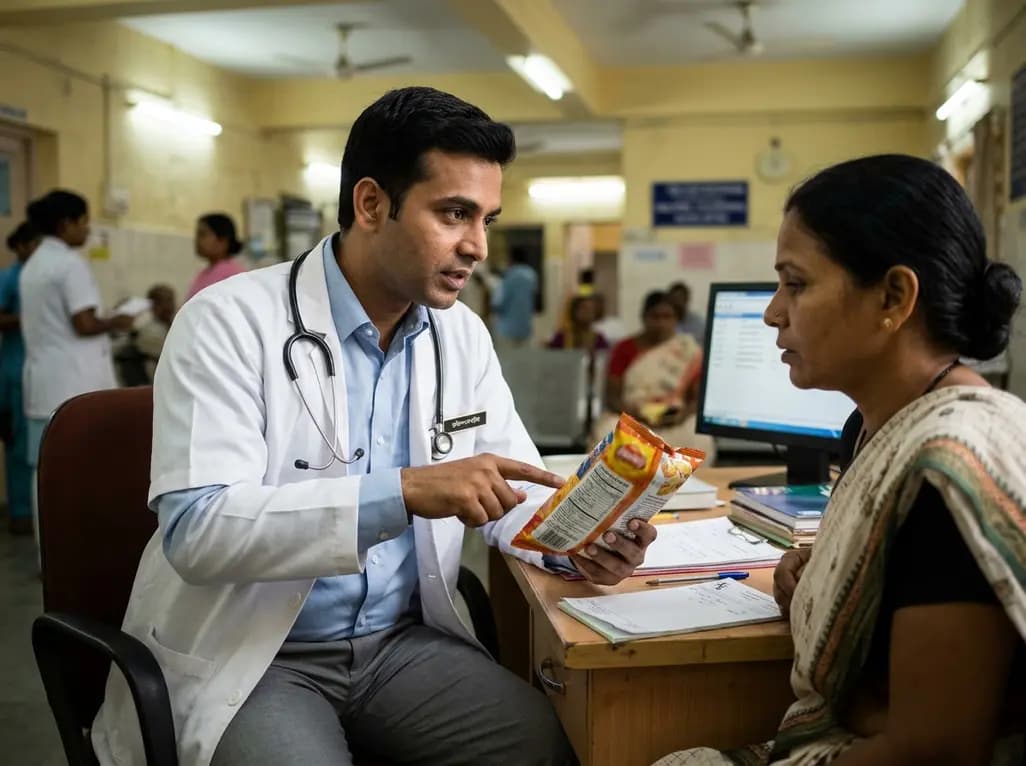
In a landmark public health ruling, the Supreme Court ordered the FSSAI to finalize strict front-of-pack warning rules within four months. Food companies must adopt separate red hexagonal symbols for high sugar, saturated fat, and salt within one year, advancing preventive medicine and patient dietary awareness.
Today
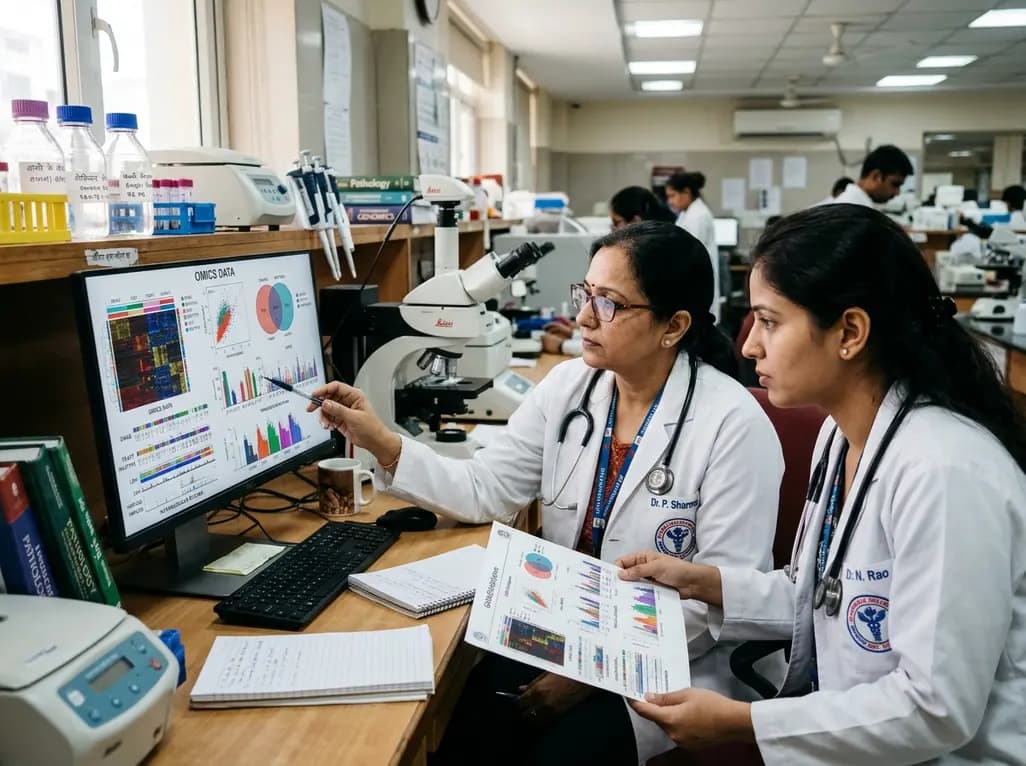
A multi-omic analysis reveals sporadic intramuscular myxoma comprises two molecularly distinct subtypes. GNAS-mutated lesions frequently carry TRAF7 mutations, whereas GNAS-wildtype tumors demonstrate striking genomic instability, loss of heterozygosity, and near-haploid features resembling DNHFN.
Today
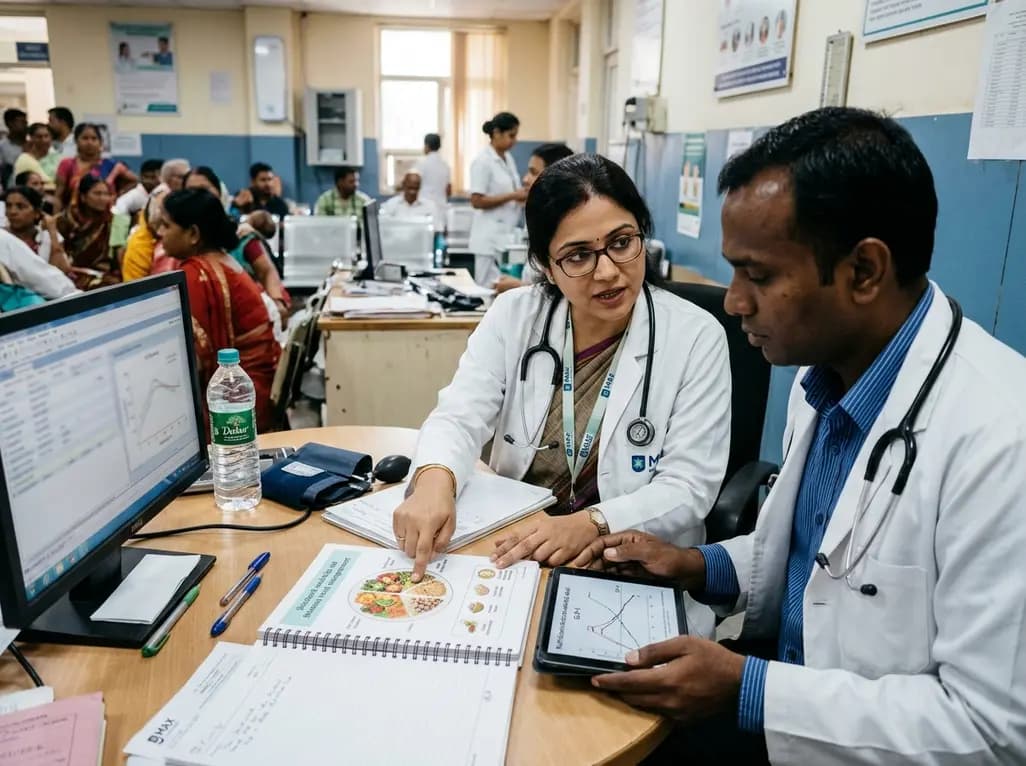
Modern obesity care is moving away from basic caloric deficit paradigms toward comprehensive dietary quality. Learn why clinical experts urge practitioners to focus on lean mass retention, personalized nutrition, and guided meal replacements, especially for patients undergoing GLP-1 receptor agonist therapies.
Today
