

Loading, please wait...
Loading, please wait...
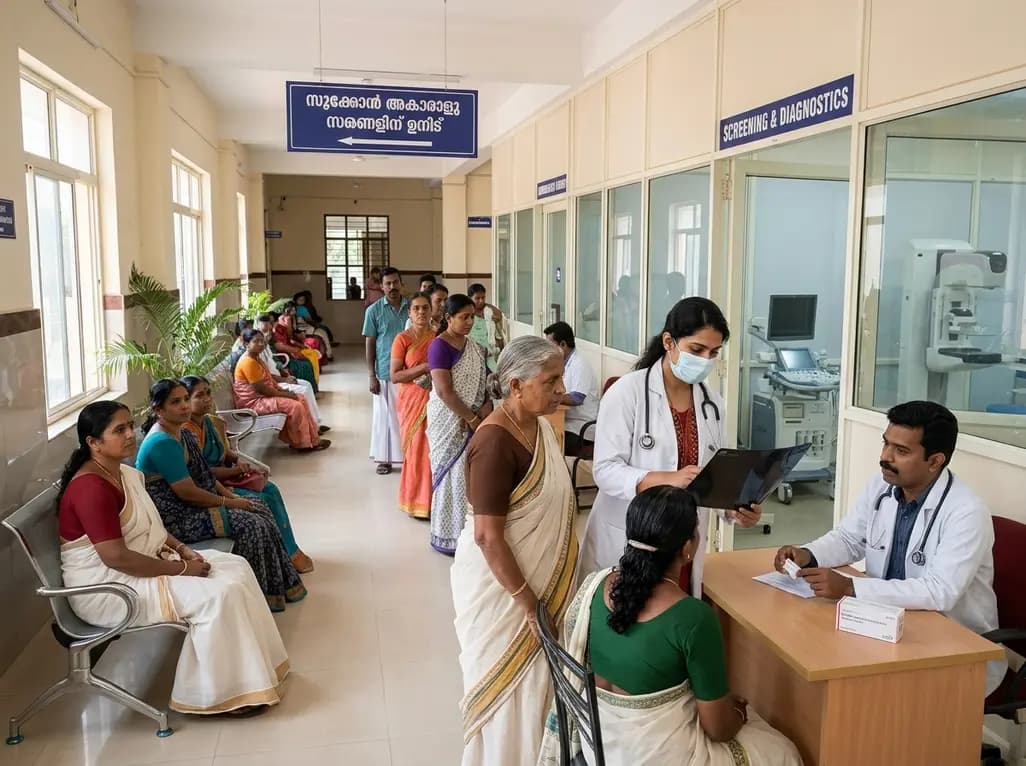
Healthcare authorities in Kerala are restructuring public oncology services to address rising malignancy rates across diverse demographics. Consequently, the state leadership has proposed widespread affordable cancer diagnostics through government-run medical institutions. This policy particularly aims to safeguard economically vulnerable households from catastrophic healthcare expenditures. By prioritizing accessible screening infrastructure, public health leaders hope to diagnose malignancies at manageable stages, thereby improving long-term therapeutic outcomes across southern India.
The Cochin Cancer Research Centre recently celebrated its tenth anniversary, marking a major milestone in regional oncology care. During this commemorative event, government officials reaffirmed their dedication to building advanced public facilities. Specifically, the administration pledged full administrative assistance to transform regional institutions into premier diagnostic destinations. Furthermore, the state released 5.25 crore rupees in pending developmental funds to accelerate ongoing construction activities. The institution originally commenced clinical operations from modest accommodations in November 2016. However, authorities now plan an expansive multi-tier oncology campus capable of handling high patient volumes. In addition, health planners are drafting a structured five-year development plan with clearly defined annual targets. This phased roadmap will guide laboratory modernization, imaging procurement, and clinical staffing over the coming years. Ultimately, expanding state-supported hospital wings remains essential for accessible patient management. Medical leaders recognize that robust public infrastructure forms the bedrock of equitable diagnostic access. Therefore, upgrading local diagnostic machinery ensures that vulnerable patients receive high-quality evaluations close to home without administrative bottlenecks. Consequently, sustained capital funding directly elevates standard clinical competencies. Such systematic capital investments empower clinicians to deliver evidence-based care efficiently.
Private cancer therapies and high-tech investigative tests often place immense financial strain on ordinary households. In many severe instances, working-class families must mortgage agricultural land or personal homes to finance medical bills. Therefore, policymakers are actively instituting completely free diagnostic evaluations for economically weaker segments. By removing preliminary payment barriers, the state prevents vulnerable citizens from abandoning essential clinical investigations. Moreover, public hospitals intend to distribute quality-assured generic antineoplastic drugs as practical alternatives to costly brands. Generic pharmaceuticals substantially lower the cost of continuous maintenance therapies and adjuvant chemotherapy courses. Consequently, maintaining medical affordability shields patients from sudden financial destitution during protracted treatments. Health economists frequently emphasize that catastrophic healthcare spending pushes thousands of borderline families into severe poverty. Thus, strengthening public safety nets preserves both individual lives and family financial security. Clinicians also witness better therapeutic compliance when patients can afford prescribed medications and imaging follow-ups. Accordingly, government interventions alleviate the persistent psychological anxiety surrounding escalating hospital bills. In doing so, public oncology centers establish a humane, patient-centered paradigm that values human dignity above commercial profitability.
Malignant tumors often develop insidiously without producing discernible symptoms during their initial pathological stages. Unfortunately, when noticeable symptoms finally manifest, many tumors have already progressed to locally advanced or metastatic states. Consequently, late-stage presentations severely limit curative surgical options and diminish overall patient survival rates. In contrast, population-based screening facilitates prompt detection of benign lesions, pre-cancerous dysplasia, and localized early malignancies. Medical literature demonstrates that early-stage surgical resections and targeted therapies produce superior long-term survival outcomes. Furthermore, treating localized disease consumes substantially fewer hospital resources compared to advanced multimodal palliative therapies. Primary care physicians play an indispensable role in recognizing subtle clinical indicators during routine patient visits. For example, regular breast examinations, oral cavity inspections, and cervical cytology identify suspicious cellular changes before progression occurs. Therefore, decentralized screening initiatives effectively bridge the gap between initial cellular transformation and formal oncological intervention. When public clinics offer accessible screening tools, community members actively participate without fear or apprehension. As a result, routine diagnostic participation normalizes proactive health behaviors across regional populations. This clinical shift transforms oncology from reactive crisis management into proactive, life-saving disease interception.
Kerala currently records a significantly higher cancer incidence rate compared to the national average. Epidemiologists attribute this elevated epidemiological burden to notable demographic shifts, including increasing life expectancy among citizens. In addition, lifestyle modifications, dietary changes, and persistent tobacco consumption contribute substantially to oncological developments. Therefore, state healthcare authorities urgently advocate comprehensive epidemiological research to uncover underlying causative mechanisms. Understanding region-specific genetic susceptibilities and environmental exposures will assist researchers in formulating targeted preventive interventions. Moreover, institutional registries must collect accurate clinical data to map disease clusters and resource requirements effectively. Robust epidemiological data also enables public hospitals to allocate specialized chemotherapy suites and radiation equipment judiciously. Meanwhile, clinical researchers at specialized state centers continue investigating localized disease profiles to refine regional treatment protocols. Collaborative initiatives between academic oncology centers and district health boards will further accelerate research translation. Ultimately, robust scientific inquiry must operate concurrently with patient care to yield sustainable clinical benefits. By combining rigorous surveillance with aggressive primary prevention, health authorities can address modifiable risk factors directly. Furthermore, such coordinated data collection equips clinicians with precise diagnostic benchmarks. Consequently, this integrated public health approach provides a structured framework for long-term malignancy control.
A successful cancer control strategy relies heavily on decentralizing clinical workflows toward primary healthcare facilities. Currently, primary health centers and family health clinics maintain direct, continuous contact with local communities. Therefore, training community medical officers and grassroots health workers in initial screening techniques proves immensely beneficial. Frontline health workers can effectively conduct preliminary oral examinations, perform clinical breast checks, and organize cervical swabs. Subsequently, suspected cases receive prompt referrals to tertiary centers like the Cochin Cancer Research Centre. This organized referral pathway prevents unnecessary hospital delays and minimizes patient attrition during diagnosis. Furthermore, standardized communication networks between regional cancer institutes and peripheral clinics ensure seamless follow-up care. Primary care practitioners can also oversee maintenance therapies and manage minor drug-related toxicities locally. As a result, tertiary oncologists can concentrate their specialized expertise on complex surgical interventions and intensive regimens. In addition, local clinics deliver essential health education regarding tobacco cessation, nutritious diets, and cancer warning signs. Community-level empowerment ultimately builds widespread public trust in state-sponsored healthcare initiatives. Accordingly, decentralization reinforces overall healthcare resilience against chronic disease burdens. Thus, an integrated diagnostic network guarantees timely, equitable cancer detection across both rural and urban populations.
Q1: Why is Kerala prioritizing public-sector cancer screening?
The state government prioritizes public screening to counter escalating cancer rates and ease financial strain on ordinary families. High diagnostic fees in private facilities frequently force households into debt or land mortgages. Therefore, expanding public-sector diagnostic services provides free access for economically weaker sections. This strategy detects malignancies at treatable stages while preserving family financial security. Consequently, early intervention significantly curtails long-term healthcare expenditure.
Q2: How does Cochin Cancer Research Centre development aid regional oncology?
The Cochin Cancer Research Centre serves as an essential hub for oncology treatment, research, and prevention. With 5.25 crore rupees in newly released state funding, the centre is executing a phased five-year development plan. Consequently, this investment expands modern laboratory infrastructure and recruits skilled oncology professionals. Furthermore, ongoing research will clarify local cancer etiologies, supporting superior regional therapies. Thus, the institution will evolve into a premier public center.
Q3: What role do quality generic medicines play in public cancer care?
Quality-assured generic medicines provide affordable, clinically equivalent alternatives to expensive proprietary oncology drugs. Patented chemotherapy agents frequently impose unsustainable out-of-pocket expenses on vulnerable households. Therefore, offering generic pharmaceuticals through public hospital pharmacies substantially lowers treatment expenses and improves therapy adherence. Moreover, wider generic adoption enables public health systems to treat larger patient volumes effectively. Ultimately, affordable pharmaceuticals prevent families from abandoning critical life-saving regimens.
Disclaimer: This content is for informational and educational purposes only. It does not constitute medical advice or replace professional judgment. Refer to the latest local and national guidelines for clinical practice.
References

Read summarized clinical updates, watch expert medical content, and earn CME certifications right from your smartphone.
Open your smartphone camera to scan and install.





Kerala is advancing public-sector oncology services to deliver timely detection and reduce financial hardship. By investing in regional cancer centers, promoting quality-assured generic drugs, and expanding localized screenings, the state aims to protect vulnerable families from catastrophic medical spending.
Today

A recent critical care study evaluates how objective skin pigmentation metrics influence pulse oximeter accuracy. Discover key findings on measurement bias, occult hypoxemia, and physiological confounders to guide patient monitoring in intensive care and emergency units.
Today
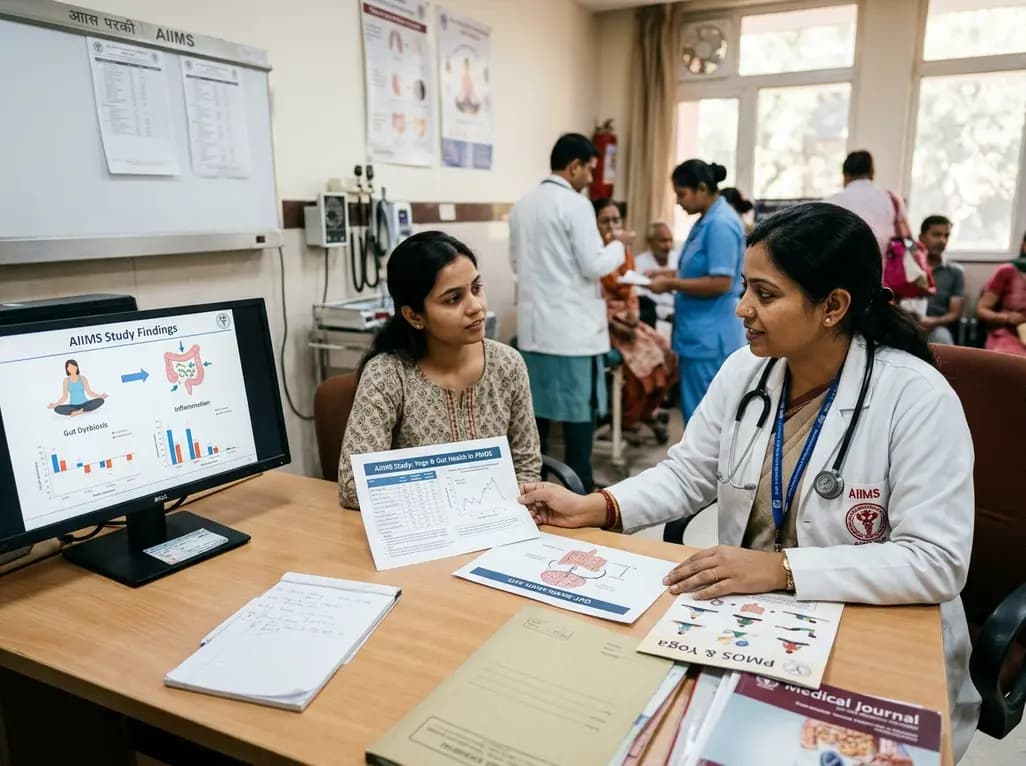
AIIMS researchers suggest yoga may alleviate gut dysbiosis in Polyendocrine Metabolic Ovarian Syndrome (PMOS) by modulating the gut-brain axis, lowering chronic inflammation, and enhancing parasympathetic tone to support metabolic and hormonal equilibrium.
Today
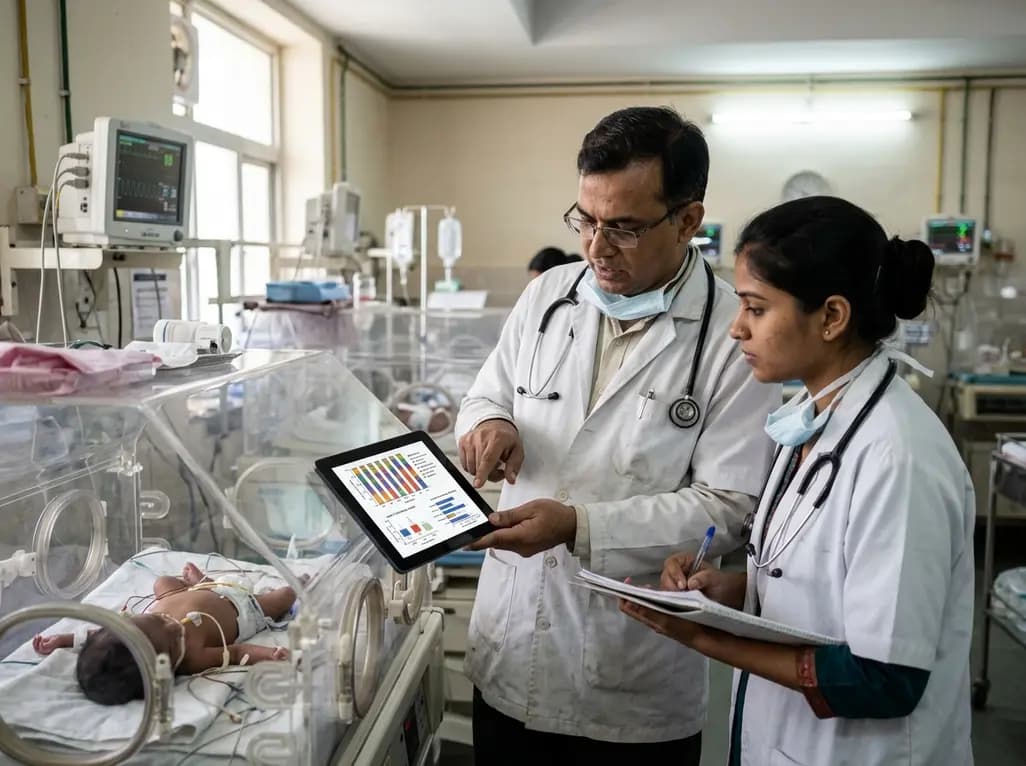
A prospective cohort study demonstrates that feeding tubes, formula exposure, aortic cross-clamp duration, and socioeconomic deprivation disrupt the neonatal gut microbiome in congenital heart disease, emphasizing the need for targeted nutritional and perioperative gut-protective strategies.
Today
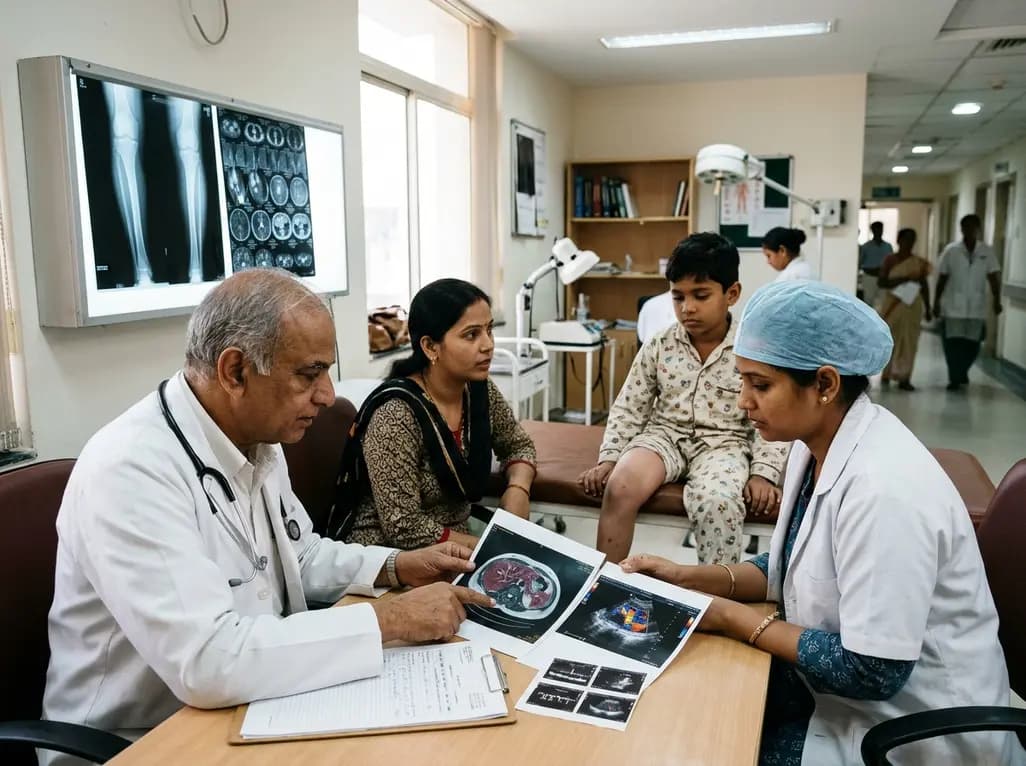
Deep intramuscular vascular malformations in pediatric Klippel-Trenaunay syndrome can mimic Maffucci syndrome. Multimodality imaging with Doppler ultrasound and MRI, along with histopathology, ensures prompt differential diagnosis, targeted surgical debulking, and optimized conservative surveillance.
Today
Modern management of adrenal incidentalomas is shifting away from universal testing toward risk-stratified biochemical evaluation. Guidelines suggest omitting metanephrine testing in lipid-rich adenomas (≤10 HU), while maintaining autonomous cortisol testing to prevent cardiometabolic complications.
Today
