.webp&w=384&q=75)

Loading, please wait...
Loading, please wait...
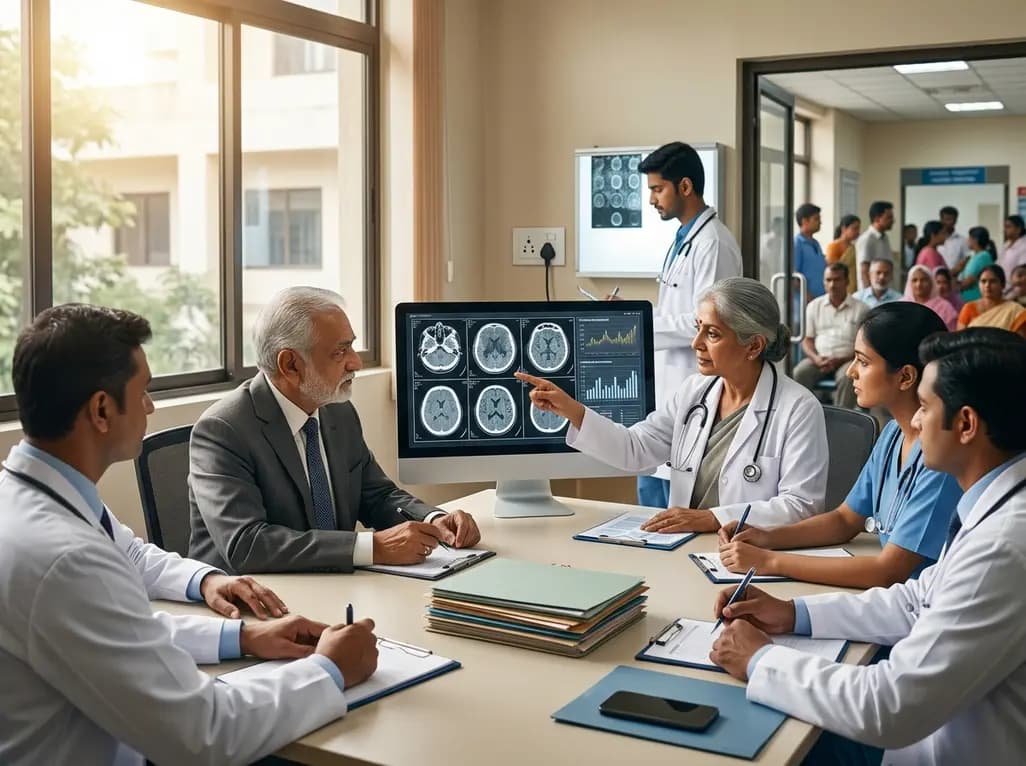
India faces a rising health challenge as cancer cases increase across the country. Consequently, the government is focusing on creating a robust framework for affordable cancer care. This initiative seeks to provide reliable diagnostic services and treatment options to patients. Furthermore, early detection remains key to saving lives and reducing overall healthcare expenses. Therefore, establishing accessible clinical pathways is crucial.
According to the Indian Council of Medical Research (ICMR), cancer incidence is rising dramatically across the country. Specifically, statistics reveal that India recorded an estimated 15.33 lakh new cancer cases in 2024. This growing health crisis affects individuals across various demographic groups. Moreover, lifestyle modifications and rising life expectancy contribute significantly to this upward trend. Therefore, public health experts are calling for structured policy changes to address this clinical burden. Currently, however, oncologists observe a shift in cancer occurrence toward younger populations in their thirties and forties. In contrast, historical data showed that cancer primarily affected older adults. Because of this epidemiological change, healthcare systems must adapt swiftly to manage the increased patient load. Additionally, environmental pollution and tobacco consumption accelerate the rise of solid tumors. Consequently, the medical community needs to focus on preventive education and community-level interventions. Ultimately, mitigating these risk factors will reduce the overall incidence of life-threatening malignancies. To achieve this, clinicians must actively educate people about the subtle warning signs of common cancers. As a result, early consultations will become more frequent, preventing advanced-stage presentations. In addition, local clinics can serve as primary hubs for distributing vital educational materials to the public.
In India, delayed diagnosis remains the single largest driver of high cancer mortality. Specifically, clinicians frequently diagnose patients at advanced stages, particularly in stages III and IV. Because of late-stage detection, treatment success rates drop significantly while medical expenses escalate. However, early detection can reverse this trend and offer highly curable outcomes. Currently, moreover, reports indicate that one in nine Indians faces a lifetime risk of developing cancer. This high susceptibility highlights the critical necessity of establishing routine clinical screenings. Furthermore, patients often ignore mild symptoms due to a lack of health literacy. Consequently, silent cancers, such as colorectal and cervical malignancies, progress unchecked in their early stages. Therefore, physicians must encourage patients to seek medical evaluations for persistent, unexplained symptoms. In addition, rural communities face severe challenges in accessing diagnostic labs. For this reason, mobile screening clinics are proving highly beneficial in remote areas. Thus, bridging the geographical gap in diagnostics will directly improve survival rates. Moreover, early therapeutic interventions yield better long-term survival statistics and improve the quality of patient life. Ultimately, proactive screening protocols will alleviate the heavy burden on tertiary healthcare centers.
To support the rising patient volume, India is actively expanding its specialized healthcare infrastructure. However, high-quality cancer therapy remains unevenly distributed, leaving many rural areas underserved. Therefore, clinical networks must integrate affordable cancer care strategies to reach marginalized populations. Many families struggle to afford advanced therapies, such as targeted biologics and intensity-modulated radiotherapy. Consequently, high medical costs often force patients to discontinue their life-saving treatments prematurely. To address this financial hurdle, government insurance programs like Ayushman Bharat are providing crucial support. Additionally, public-private partnerships can establish low-cost treatment hubs in Tier 2 and Tier 3 cities. Through these collaborations, medical centers can install essential oncology equipment, including modern linear accelerators. Furthermore, local manufacturing of oncology drugs can significantly lower the retail price of chemotherapy. As a result, critical therapeutic agents will become accessible to a larger section of the public. Moreover, oncologists can confidently prescribe standard-of-care regimens without worrying about financial non-compliance. Thus, systemic reforms in supply chains will directly benefit patient outcomes. In the long run, affordable clinical infrastructure will strengthen the national healthcare system. Consequently, patients will receive continuous, uninterrupted therapy that matches global oncology standards.
To achieve meaningful reductions in mortality, the healthcare sector must standardize its screening protocols. Specifically, the Indian Council of Medical Research advocates routine evaluations for common cancers, including oral, breast, and cervical malignancies. Currently, female patients aged thirty to fifty-nine should undergo cervical screening using visual inspection. Additionally, clinical breast examinations remain vital for detecting early-stage tumors. However, low participation rates in screening programs continue to challenge health administrators. Therefore, health workers must actively conduct door-to-door awareness campaigns to dispel social taboos. Furthermore, training primary care physicians in early detection techniques will optimize referral pathways. Consequently, patients with suspicious lesions can access tertiary oncology centers without unnecessary delay. For instance, oral cancer screening is highly effective in individuals with a history of tobacco use. Thus, focusing resources on high-risk groups will maximize the clinical yield of these screening initiatives. Moreover, implementing digital health tools can streamline patient tracking and follow-up care. As a result, healthcare networks can maintain accurate registries and monitor overall screening efficacy. Ultimately, integrating diagnostic technology into local health clinics will make screening a routine habit. Through these actions, we can discover early-stage diseases before they become untreatable.
In response to the growing oncology crisis, a Rajya Sabha panel has initiated a comprehensive review of national cancer care. Specifically, the Parliamentary Standing Committee on Health and Family Welfare is seeking public and expert recommendations. Currently, under the chairmanship of Prof Ram Gopal Yadav, the committee has requested ideas to lower cancer diagnostics and screening costs. Additionally, members such as Dr Mahesh Sharma emphasize the urgent need to address therapeutic affordability. Through this collaborative effort, policymakers aim to design evidence-based solutions that can guide parliamentary legislation. Furthermore, stakeholders have a fifteen-day window to submit detailed suggestions. Consequently, medical professionals, research institutes, and patient advocacy groups are actively drafting clinical and financial proposals. Therefore, this policy exercise represents a critical step toward democratizing cancer therapies across India. Moreover, the committee hopes to incorporate advanced medical technologies into the public health sector. Thus, these efforts will create a unified approach to managing the country's cancer burden. In addition, the recommendations will likely influence budgetary allocations for national oncology programs. Ultimately, legislative action will pave the way for a more equitable and resilient healthcare delivery model. Consequently, every citizen will gain access to high-standard oncological services.
Q1: Why is a Rajya Sabha panel seeking public inputs on cancer care?
The Parliamentary Standing Committee on Health and Family Welfare seeks public inputs to identify practical strategies for affordable cancer screening and treatment. Because late diagnosis and high treatment costs severely impact patient outcomes, the panel wants evidence-based suggestions from experts and citizens. Ultimately, these ideas will shape future recommendations to Parliament, aiming to reduce the financial burden of cancer care and improve survival rates across India.
Q2: What is the current estimated cancer burden in India?
According to clinical registries, India recorded an estimated 15.33 lakh new cancer cases in 2024. Furthermore, data indicates that one in nine Indians faces a lifetime risk of developing this disease, making cancer a major national public health priority. Because of this high incidence, expanding diagnostic infrastructure and standardizing preventive care are critical. Consequently, healthcare stakeholders are prioritizing early screening initiatives to curb mortality rates.
Q3: How does late-stage diagnosis impact cancer treatment in India?
Late-stage diagnosis remains the primary driver of cancer mortality in India, with many cases diagnosed at stages III or IV. When clinicians detect cancer late, treatment options become highly limited and significantly more expensive. Therefore, promoting early awareness and establishing accessible screening services at the primary healthcare level are essential. Consequently, timely detection allows patients to begin therapy early, vastly improving their prognosis and reducing healthcare costs.
Disclaimer: This content is for informational and educational purposes only. It does not constitute medical advice or replace professional judgment. Refer to the latest local and national guidelines for clinical practice.
References

Read summarized clinical updates, watch expert medical content, and earn CME certifications right from your smartphone.
Open your smartphone camera to scan and install.





With one in nine Indians at lifetime risk of developing cancer, a Parliamentary panel has initiated a major public consultation. Learn about the efforts to lower diagnostic costs, enhance early detection, and implement effective local interventions to control this rising health crisis.
3 months ago

Explore why official drug package inserts fail to reflect modern evidence for clozapine prescribing. Learn how legal standards of care, case law, slow titration, and vital adverse event monitoring empower clinicians to prioritize evidence-based medical practice over outdated manufacturer labeling.
Today
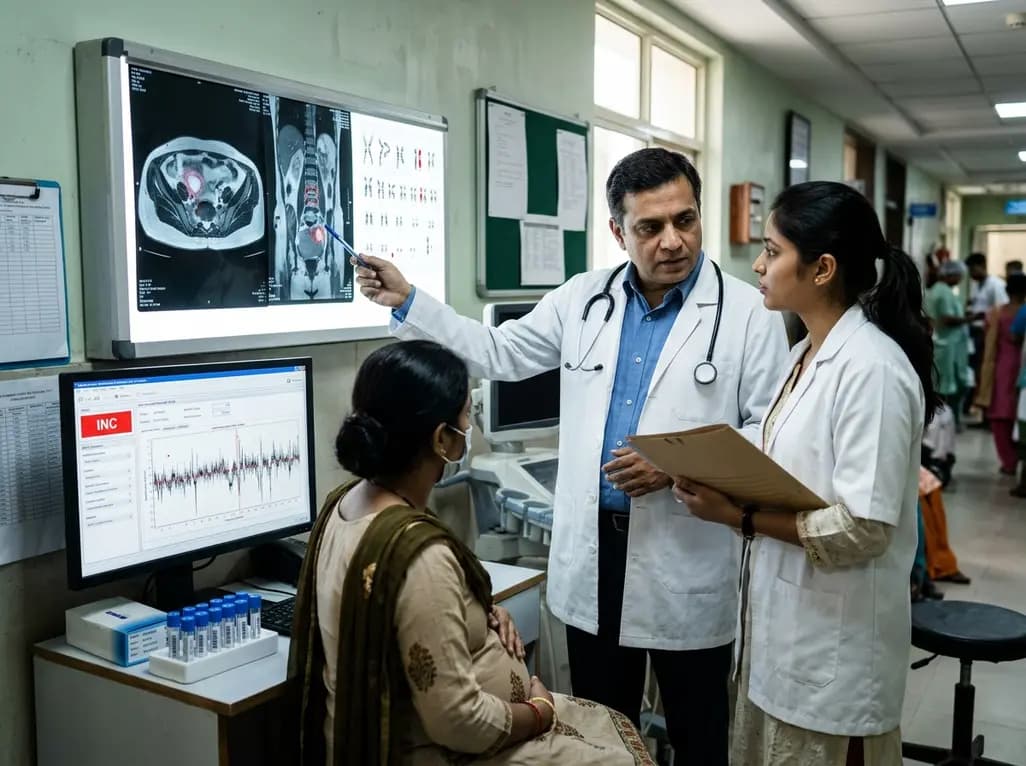
Occult maternal malignancy accounts for 3.82% of persistent unreportable NIPT results with genomic noise. Multiple chromosomal aberrations, notably on chromosome 18, warrant thorough oncological evaluation and whole-body MRI to ensure timely maternal diagnosis while preserving fetal care.
Today
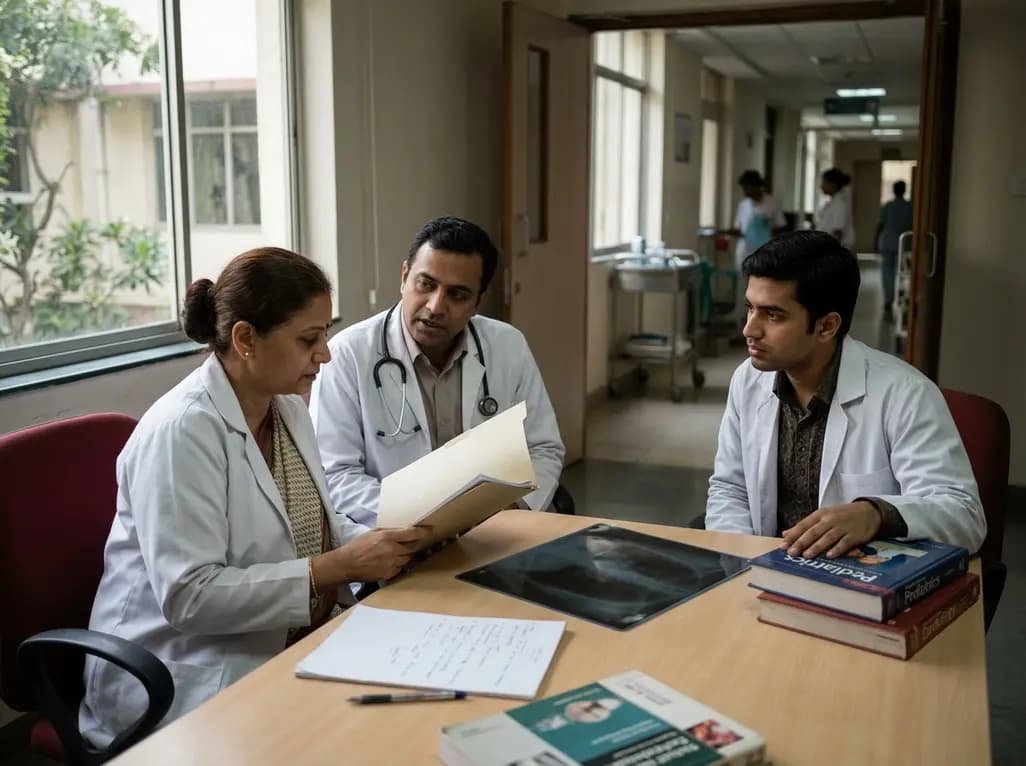
This article reviews the forensic and clinical complexities of acute myocarditis arising on left ventricular hypertrophy in children, highlighting early diagnostic red flags and multidisciplinary postmortem autopsy protocols.
Today
A randomized controlled trial demonstrates that an eight-week dual-task training intervention significantly improves static and dynamic postural control over standard balance exercises in individuals with chronic ankle instability, addressing critical neurocognitive deficits during athletic and daily activities.
Today

A retrospective cohort study of 7,716 ICU patients from the MIMIC-IV database demonstrates that Gradient Boosting Decision Trees significantly outperform traditional SOFA scores in predicting in-hospital mortality among patients with sepsis and diabetes, with SHAP analysis providing clinical interpretability.
Today
