.webp&w=384&q=75)

Loading, please wait...
Loading, please wait...
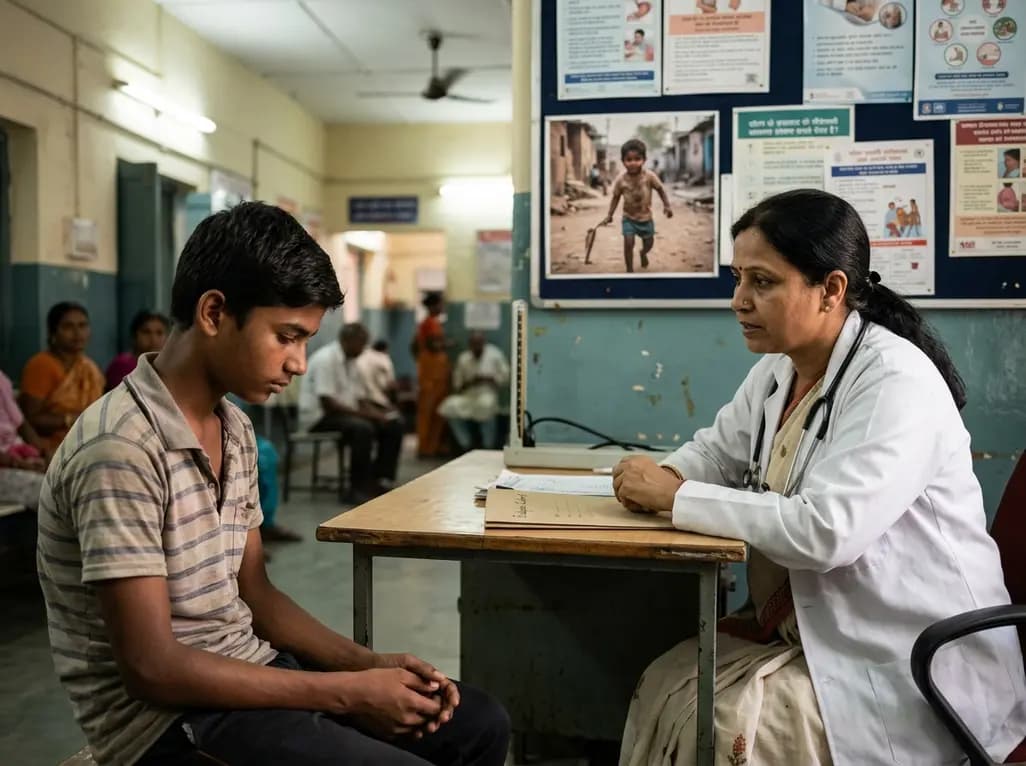
Adverse childhood experiences represent a critical public health concern in low- and middle-income regions, where healthcare infrastructure for child psychiatry remains underdeveloped. Chronic family stress, emotional neglect, and environmental trauma alter socioemotional development across early life. Recent longitudinal findings from the Bachpan Cohort in rural Pakistan offer essential prospective evidence regarding these psychological trajectories. Researchers tracked 1,791 observations across three key developmental stages: early childhood at ages 4–5, middle childhood at ages 8–9, and early adolescence at ages 12–15. Investigators evaluated trauma exposure using adapted assessment tools and measured emotional outcomes via the Strengths and Difficulties Questionnaire. Consequently, the study demonstrated that early stress severely disrupts emotional maturation, producing persistent psychological challenges. Furthermore, the prospective cohort design enabled clinicians to observe how cumulative adversity unfolds over time rather than relying on retrospective recall. Understanding these developmental pathways provides clinicians in pediatrics and family medicine with crucial insights for early risk identification. Ultimately, early recognition of early trauma allows healthcare providers to implement targeted psychosocial support.
A key finding from this prospective cohort study highlights a clear dose-response relationship between adversity burden and psychological impairment. Children exposed to four or more adverse childhood experiences exhibited a four-fold increase in internalizing symptoms, including clinical anxiety, depression, and emotional withdrawal, compared to unexposed peers. Similarly, externalizing difficulties, such as hyperactivity, aggression, and conduct problems, increased more than three-fold among highly exposed individuals. In contrast, prosocial behaviors like empathy and cooperative conduct decreased significantly as trauma exposure intensified. Crucially, the negative impact of early childhood trauma strengthened as children transitioned into adolescence. The psychiatric burden of early adversity did not lessen with age; instead, cumulative developmental stress created enduring psychological vulnerabilities that intensified over time. Therefore, clinicians must recognize that multiple adversity factors act synergistically rather than in isolation. Evaluating cumulative exposure helps healthcare providers stratify risk more accurately during routine pediatric consultations, facilitating timely therapeutic interventions.
The longitudinal data revealed distinct gender-specific vulnerability patterns in response to cumulative early trauma. Female participants demonstrated a heightened susceptibility to internalizing disorders as they matured, presenting with elevated rates of emotional distress, anxiety, and social withdrawal. Conversely, male participants exhibited higher rates of externalizing difficulties, displaying aggressive conduct, impulsivity, and behavioral disruption. These diverging clinical trajectories underscore the complex interplay between biological factors, social expectations, and emotional coping mechanisms. Girls often internalize chronic interpersonal stress, resulting in quiet emotional distress that family members and educators may easily overlook. In contrast, boys frequently project psychological distress through outward behavioral disruptions, which often leads to disciplinary responses rather than clinical mental health care. Consequently, healthcare providers must incorporate gender-sensitive screening protocols into adolescent health assessments. Tailoring psychiatric evaluations based on gender-specific manifestation patterns ensures that internalizing symptoms in young females receive prompt intervention while addressing underlying distress in boys with conduct problems.
Network analysis within the cohort identified emotional neglect as the single most prevalent childhood adversity, affecting 83.7% of participating children. Furthermore, parental psychiatric conditions, parental trauma exposure, and emotional neglect functioned as central hub stressors within the adversity network. These interconnected risk factors acted as primary catalysts, driving negative socioemotional outcomes across childhood development. When parents experience unaddressed mental health disorders or severe trauma, their ability to provide consistent emotional support and secure attachment decreases significantly. Emotional neglect often develops silently, leaving children without the psychological safety required to process environmental stress. Additionally, living in a household impacted by parental psychiatric illness generates an atmosphere of ongoing emotional instability. Primary care clinicians and pediatricians must therefore understand that child mental health is inextricably linked to parental emotional stability. Addressing child behavioral problems in isolation without evaluating family dynamics often yields suboptimal outcomes. Identifying emotional neglect during routine clinical visits offers a critical opportunity for family-centered support.
Translating longitudinal research into primary clinical practice requires structured screening and risk stratification in pediatric settings. Healthcare professionals, including general practitioners and pediatricians, should integrate validated assessment tools like the Strengths and Difficulties Questionnaire into routine pediatric evaluations. Systematic screening enables clinicians to identify early indicators of internalizing and externalizing problems before full-blown psychiatric disorders emerge. In low-resource community clinics, clinicians should implement a tiered intervention strategy based on cumulative adversity exposure. Children exposed to low adversity levels benefit from community psychoeducation and positive parenting guidance. Conversely, children with high trauma exposure require specialized psychological support and multidisciplinary mental health referrals. In addition, training community health workers to recognize subtle signs of emotional neglect ensures timely support for high-risk families. Adopting trauma-informed care principles across community health centers creates a compassionate clinical environment where families feel safe discussing psychosocial challenges, optimizing limited healthcare resources effectively.
Mitigating the long-term impact of adverse childhood experiences requires comprehensive public health strategies that extend beyond traditional clinical care. Integrating maternal mental healthcare into maternal-child health programs provides a powerful mechanism for preventing early developmental stress. When maternal depression and emotional distress are treated early, infants and young children experience safer attachment relationships and reduced exposure to emotional neglect. Furthermore, school-based mental health programs can deliver accessible psychosocial support for students displaying early internalizing or externalizing symptoms. Training educators to recognize trauma-related behavior changes facilitates supportive institutional interventions rather than punitive measures. Additionally, community-based parent training programs can equip caregivers with stress management techniques and positive discipline strategies, reducing domestic conflict. Healthcare systems in low-resource settings must prioritize integrated family care to break the intergenerational cycle of childhood trauma. By building family resilience and expanding community mental health services, clinicians can promote healthy socioemotional development across future generations.
Adverse childhood experiences significantly increase the risk of severe psychological problems during adolescence. High adversity exposure directly correlates with a four-fold rise in internalizing disorders like depression and anxiety, alongside a three-fold increase in externalizing conduct issues. Additionally, cumulative developmental stress diminishes prosocial behaviors and interpersonal empathy as children mature.
Gender plays a major role in how trauma manifests during adolescent development. Adolescent girls frequently express psychological distress through internalizing symptoms, such as severe emotional anxiety and social withdrawal. In contrast, adolescent boys predominantly present with externalizing difficulties, including hostility, impulsivity, and disruptive conduct problems requiring tailored clinical evaluation.
Emotional neglect deprives children of essential emotional validation, nurturing, and secure attachment during critical developmental periods. As a central stressor in childhood adversity networks, unaddressed emotional neglect severely destabilizes emotional regulation. This deficiency amplifies vulnerability to internalizing and externalizing problems, especially when compounded by parental psychiatric illness or ongoing domestic stress.
Disclaimer: This content is for informational and educational purposes only and does not constitute medical advice, diagnosis, or treatment. Always seek the advice of a qualified healthcare provider with any questions regarding a medical condition or treatment plan. Refer to the latest local and national guidelines for clinical practice.
References

Read summarized clinical updates, watch expert medical content, and earn CME certifications right from your smartphone.
Open your smartphone camera to scan and install.





A prospective study from the Bachpan Cohort reveals that adverse childhood experiences significantly elevate adolescent internalizing and externalizing behaviors while decreasing prosocial behavior, highlighting the critical need for gender-sensitive early interventions in low-resource settings.
2 months ago

Recent epidemiological data reveals a dramatic surge in summer heat mortality driven by human-induced climate warming. This analysis explores the pathophysiological impacts on cardiac and renal systems, diagnostic dilemmas in death certification, and essential emergency cooling protocols for acute clinical care.
Today

Odisha has established India's first state-level clinical protocol specifically tailored for pregnant women with sickle cell disease. Developed with NHM and UNICEF, the framework provides structured antenatal screening, crisis mitigation, standardized referral pathways, and specialized interdisciplinary care.
Today

India is advancing preventive healthcare by integrating genomics, artificial intelligence, and quantum technologies. With the SANGAM programme sequencing one million Indian genomes, clinicians can unlock personalized therapies, detect cardiometabolic risks early, and curb the burden of diabetes and heart disease.
Today
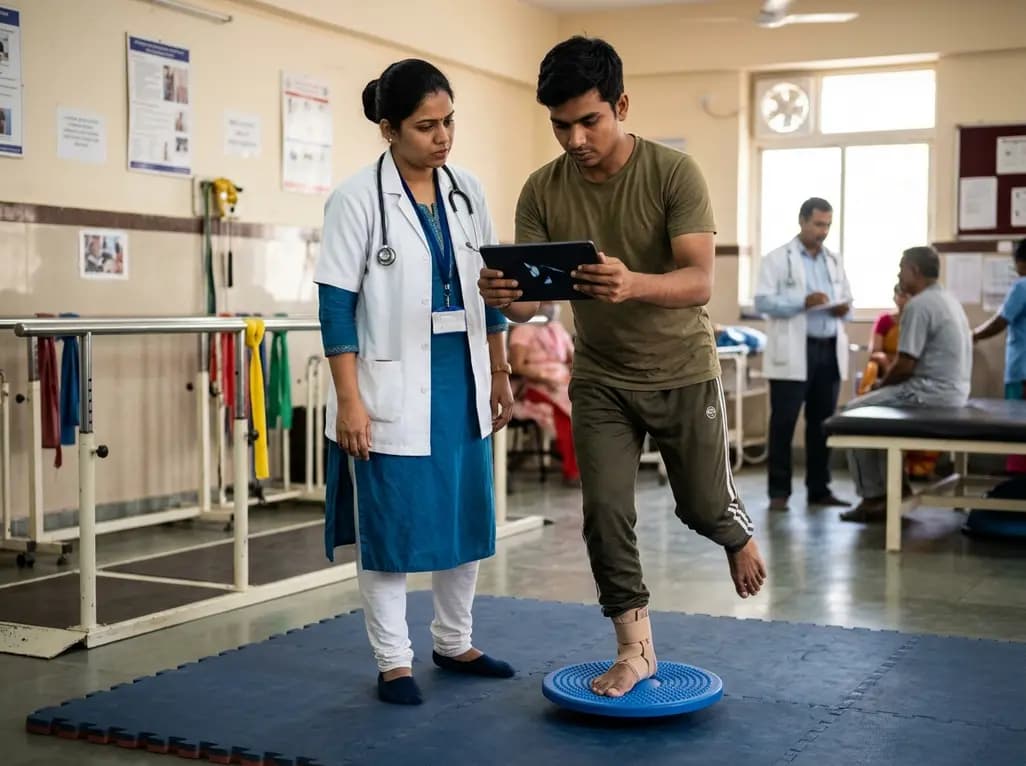
A randomized controlled trial demonstrates that an eight-week dual-task training intervention significantly improves static and dynamic postural control over standard balance exercises in individuals with chronic ankle instability, addressing critical neurocognitive deficits during athletic and daily activities.
Today

A retrospective cohort study of 7,716 ICU patients from the MIMIC-IV database demonstrates that Gradient Boosting Decision Trees significantly outperform traditional SOFA scores in predicting in-hospital mortality among patients with sepsis and diabetes, with SHAP analysis providing clinical interpretability.
Today
