.webp&w=384&q=75)

Loading, please wait...
Loading, please wait...
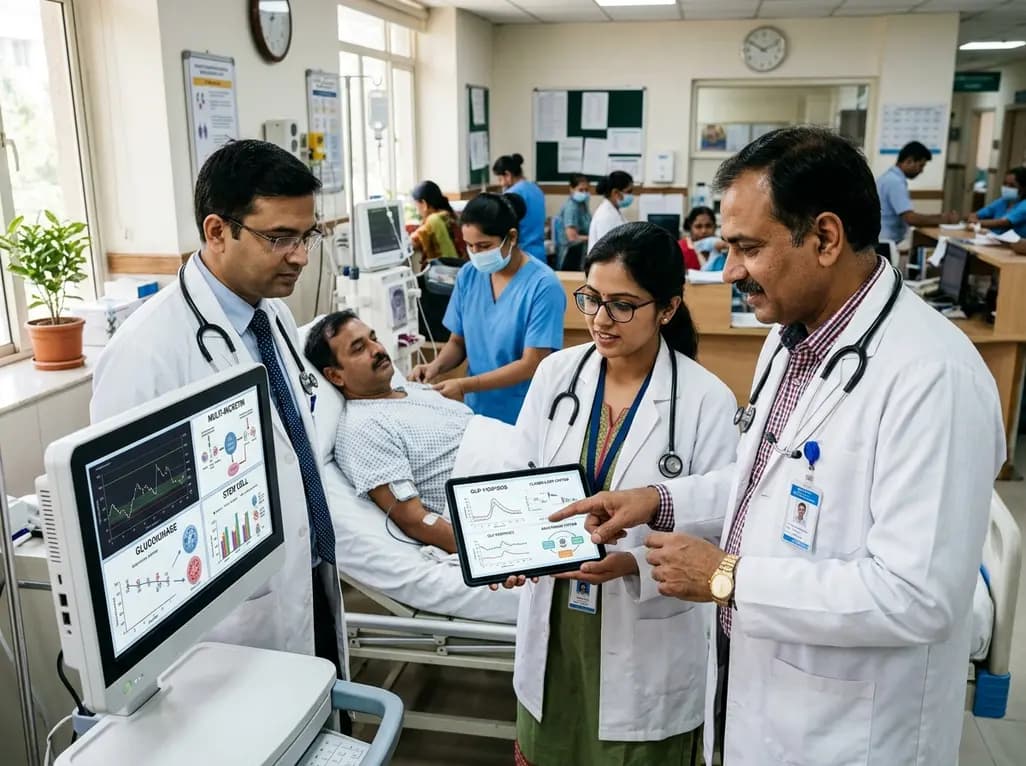
The global epidemic of metabolic disease has disproportionately impacted the Asian continent, where patients develop type 2 diabetes at younger ages and lower body mass indices. Consequently, researchers and clinicians across the region are pioneering novel therapeutic pathways to address this escalating healthcare crisis. The rapid emergence of innovative diabetes therapies in Asia marks a significant paradigm shift from traditional glycemic suppression toward comprehensive metabolic remodeling. Asian research centers are no longer mere regional testing hubs for Western medications. Instead, they actively design, evaluate, and commercialize first-in-class agents that specifically target regional pathophysiological nuances. This transformation brings fresh hope for optimizing long-term metabolic health and clinical outcomes worldwide.
Asian populations frequently display a distinct pathophysiology commonly described as the Asian diabetic phenotype. In particular, individuals often exhibit prominent visceral adiposity, severe hepatic steatosis, and profound early-phase insulin secretion deficits despite modest body weight. Furthermore, accelerated loss of functional pancreatic beta-cell mass leads to early-onset microvascular and macrovascular complications. Therefore, traditional therapeutic regimens that merely enhance systemic insulin supply frequently fail to prevent sustained beta-cell exhaustion in these patients.
To overcome these hurdles, regional clinical investigators are prioritizing multifaceted interventions. Clinicians actively combine established molecules into rational fixed-dose combinations to bolster patient adherence and minimize pill burden. Additionally, molecular structural modifications of standard agents enhance pharmacokinetic bioavailability while reducing adverse gastrointestinal and cardiovascular side effects. By aggressively targeting insulin resistance and beta-cell apoptosis simultaneously, modern protocols establish durable glycemic stability. Consequently, understanding these ethnic-specific pathophysiological mechanisms allows healthcare providers to implement individualized therapies early in the disease continuum.
Asian pharmaceutical developers have brought remarkable first-in-class target-based molecules from bench to bedside. Most notably, glucokinase activators like dorzagliatin represent a breakthrough in restoring the fundamental enzymatic glucose-sensing mechanism within pancreatic islets and hepatocytes. By repairing defective glucose sensing, these oral agents stimulate physiological insulin release and suppress hepatic gluconeogenesis without triggering severe hypoglycemia.
Concurrently, regional innovators are advancing unimolecular multi-incretin agonists, such as dual glucagon-like peptide-1 (GLP-1) and glucagon receptor co-agonists. These dynamic molecules provide substantial weight reduction, improve lipid metabolism, and optimize glycemic control. Moreover, the therapeutic pipeline features mitochondrial-targeting glimins, selective pan-peroxisome proliferator-activated receptor (pan-PPAR) modulators, and oral G-protein-coupled receptor 119 agonists. Asian teams are also investigating dual-action agents targeting AMP-activated protein kinase and NLRP3 inflammasomes to attenuate systemic chronic vascular inflammation. Together, these novel target-based diabetes therapies in Asia deliver unprecedented mechanistic versatility for complex clinical scenarios.
Beyond conventional oral and injectable pharmacotherapies, cutting-edge biotechnology is rapidly reshaping metabolic disease management across Asia. Clinical researchers are evaluating hepatic glucagon receptor inhibition via synthetic antisense oligonucleotides (ASOs). Consequently, this molecular approach effectively curtails excessive baseline hepatic glucose output without causing intolerable systemic side effects.
Simultaneously, regenerative medicine has achieved extraordinary milestones across regional laboratories. Pioneering teams have reprogrammed autologous human adipose-derived cells into functional induced pluripotent stem cell-derived islet clusters. These tissue-engineered islets successfully restore endogenous physiological insulin biosynthesis upon transplantation, enabling long-term exogenous insulin independence in early clinical trial participants. Additionally, clinicians are exploring personalized microbiome therapeutics to remodel gut microbial ecosystems and enhance short-chain fatty acid production. These multi-omics platforms demonstrate that targeting the gut-liver-pancreas endocrine axis produces profound systemic metabolic benefits. Thus, modern molecular and biological platforms offer genuine disease-modifying potential.
Technological advancements are revolutionizing everyday diabetes management across diverse healthcare settings. Continuous glucose monitoring (CGM) sensors are now transitioning from specialist endocrinology clinics to routine outpatient primary care. In addition, innovative optical and transdermal noninvasive glucose monitoring devices are actively undergoing clinical validation to eliminate repetitive fingertip capillary sampling.
Furthermore, automated insulin delivery systems and intelligent algorithm-driven smart insulin pens are democratizing advanced glycemic control. These closed-loop systems continuously adjust basal and bolus insulin delivery based on real-time glucose dynamics. As a result, they significantly increase time in range (TIR) while substantially diminishing nocturnal hypoglycemia risks. Clinicians can analyze comprehensive continuous ambulatory glucose profiles during standard consultations to fine-tune therapeutic regimens. Moreover, remote digital monitoring tools and artificial intelligence platforms empower patients to sustain rigorous lifestyle self-management between clinical visits.
The rapid evolution of metabolic therapeutics in Asia offers invaluable insights for contemporary global clinical practice. Healthcare professionals must recognize that aggressive early combination intervention preserves functional beta-cell reserve far better than reactive stepwise treatment escalation. Therefore, incorporating modern insulin-sensitizing, incretin-based, and enzymatic-restorative therapies early helps prevent irreversible metabolic damage.
Moreover, clinicians should integrate digital monitoring tools with individualized pharmacological regimens to optimize treatment satisfaction. Multidisciplinary care teams involving physicians, certified diabetes educators, and clinical nutritionists can leverage dynamic continuous glucose data to personalize pharmacotherapy. Asian healthcare systems are effectively demonstrating how dynamic public-private research collaborations accelerate clinical translation. By actively adopting these evidence-based therapeutic paradigms, medical practitioners can dramatically reduce long-term cardiovascular, renal, and microvascular complications in vulnerable patient cohorts worldwide.
Emerging therapies directly address beta-cell dysfunction by targeting cellular glucose sensing and mitochondrial pathways. First-in-class glucokinase activators repair glucose sensing in pancreatic islets, which promotes physiological, glucose-dependent insulin secretion without exhausting beta cells. Furthermore, mitochondrial-targeting glimins protect pancreatic islet architecture from oxidative stress and apoptosis. Consequently, these dual-action mechanisms improve early-phase insulin release while preserving functional beta-cell mass over extended treatment periods.
Multi-incretin co-agonists act simultaneously on GLP-1, GIP, or glucagon receptors to coordinate systemic energy balance and glycemic homeostasis. They stimulate glucose-dependent insulin secretion, decelerate gastric emptying, and suppress inappropriate glucagon release after meals. Additionally, these agents activate hepatic lipid oxidation and enhance satiety centers in the central nervous system. As a result, they achieve profound reductions in glycated hemoglobin and body weight in high-risk metabolic patients.
Advanced glucose monitoring devices provide actionable real-time glycemic data that substantially improve clinical decision-making. Continuous glucose monitors track glycemic trends and nocturnal fluctuations, enabling clinicians to tailor insulin regimens precisely. Furthermore, automated closed-loop delivery systems dynamically adjust insulin administration to keep blood sugar levels within target ranges. Therefore, these digital devices significantly enhance time in range, reduce severe hypoglycemic episodes, and elevate overall patient quality of life.
Disclaimer: This content is for informational and educational purposes only and does not constitute medical advice or formal clinical recommendations. Healthcare professionals must exercise independent clinical judgment and adapt treatment strategies to individual patient needs. Refer to the latest local and national guidelines for clinical practice.
References

Read summarized clinical updates, watch expert medical content, and earn CME certifications right from your smartphone.
Open your smartphone camera to scan and install.





Asia is transforming global diabetes care through first-in-class multi-incretin agonists, glucokinase activators, stem cell therapies, and closed-loop devices tailored to the distinct Asian diabetic phenotype.
last month

Chronic eosinophilic pneumonia can present with atypical bronchoalveolar lavage findings and an organizing pneumonia pattern, necessitating surgical lung biopsy.
Today

Discover the crucial distinctions between mesonephric and mesonephric-like proliferations of the female genital tract. Learn the key histomorphologic, immunohistochemical, and molecular differences essential for accurate diagnosis and clinical management.
Today
Kikuchi-Fujimoto disease rarely presents with refractory shock and sinus bradycardia in children. This case report highlights life-threatening hemodynamic instability requiring intensive care, preserved cardiac contractility, and the critical diagnostic role of early excisional lymph node biopsy.
Today

A narrative review investigates whether the articularis genus muscle functions as an independent anatomical entity or blends with the vastus intermedius. We evaluate its morphology, role in retracting the suprapatellar bursa, and direct clinical significance in anterior knee pain and arthroplasty.
Today

A Bayesian multilevel meta-analysis reveals that aerobic training combined with moderate carbohydrate restriction modestly lowers HbA1c in type 2 diabetes. However, sparse data and very low certainty leave incremental benefits over exercise or diet alone unproven, highlighting the need for individualized care.
Today
