

Loading, please wait...
Loading, please wait...

Primary caregiving structures play a profound role in shaping end-of-life trajectories for aging individuals across clinical settings. However, healthcare providers often struggle to anticipate how specific family relationships influence actual end-of-life decisions. A pivotal study examined how distinct informal caregiving networks affect advance care planning and hospice enrollment among older decedents. Researchers evaluated data from 3,952 decedents aged 60 years or older from the Gateway Harmonized Health and Retirement Study. Specifically, the investigators categorized caregivers into spouses or partners, adult children or grandchildren, extended family members, and non-kin informal helpers. Additionally, the authors analyzed individuals who relied solely on formal institutional support or lacked an identified caregiver entirely. Multivariable logistic regression models generated adjusted odds ratios to assess hospice enrollment patterns across these discrete groups. Furthermore, the team conducted probability-scale decomposition analyses to quantify indirect pathways linking caregiver ties to care utilization. Consequently, these granular findings illuminate key structural differences in how families organize medical discussions before death occurs. Clinicians must recognize these distinct patterns to initiate proactive goals-of-care dialogues much earlier in disease progression. By identifying caregiving arrangements early, physicians can tailor palliative communication strategies to meet patient and family needs effectively.
The study revealed unexpected nuances when assessing how caregiving ties influence eventual hospice service enrollment. Surprisingly, hospice utilization did not differ significantly across the four informal caregiver categories when an informal caregiver existed. Spousal caregivers, adult children, extended relatives, and non-kin helpers facilitated hospice entry at essentially comparable overall rates. In contrast, marked disparities emerged when older adults lacked an informal personal caregiving safety net during terminal illness. Decedents without an identified caregiver faced a 54% reduction in the odds of enrolling in hospice care. Similarly, individuals who received formal care alone exhibited a 38% reduction in hospice utilization compared to married peers. Therefore, the sheer presence of an informal advocate matters far more than the specific genealogical relationship itself. These vulnerable unbefriended patients frequently experience fragmented hospital courses and invasive procedures near the end of life. Consequently, health systems must implement targeted screening tools to identify isolated elders before crisis admissions occur. Proactive social work interventions can bridge this glaring gap for solo agers navigating complex terminal trajectories. Timely institutional identification ensures that unrepresented patients receive compassionate palliative consultation before acute decompensation happens.
While hospice use showed parity among informal helpers, advance care planning exhibited pronounced relationship-specific variations. Specifically, decedents with child or grandchild primary caregivers demonstrated a 3.87-percentage-point higher probability of completing formal care plans. Adult children often exhibit greater comfort navigating bureaucratic paperwork and legal healthcare directives than aging spouses. Furthermore, adult offspring frequently initiate structured discussions to clarify parental values and prevent acute family disputes later. However, decomposition analysis demonstrated that this planning advantage translated into only a tiny indirect hospice increase. The indirect association through completed plans measured a modest 0.39 percentage points for adult children caregivers. Thus, having documented preferences does not automatically guarantee timely enrollment into specialized community palliative or hospice care. Many families finalize advance directives but encounter insurmountable barriers when attempting to activate hospice support at home. Clinicians frequently fail to translate abstract living wills into actionable real-time clinical orders during acute clinical decompensation. Therefore, physicians must bridge the persistent divide between static administrative forms and practical bedside care delivery. Effective clinical protocols must link legal documentation directly to palliative consultation and community hospice referrals.
Geriatricians and hospitalists must adapt their clinical workflows to reflect these nuanced caregiving dynamics. First, clinical teams should assess caregiver availability immediately upon admission of any older adult with serious chronic illness. If a patient lacks informal family support, clinicians should immediately flag them for dedicated palliative social work navigation. Moreover, healthcare providers should not assume that married couples have conducted thorough end-of-life care planning discussions. Spousal caregivers often experience intense emotional distress that impairs their willingness to confront impending mortality directly. Conversely, adult children often welcome structured guidance to facilitate respectful, value-aligned conversations with their aging parents. Interdisciplinary teams should utilize validated communication tools to explore goals of care across diverse family members together. In addition, physicians must ensure that documented surrogate designations translate into clear emergency treatment orders. Routine reassessment remains vital as functional status declines and caregiving burdens inevitably intensify over time. Ultimately, personalized care planning protects vulnerable patients from burdensome, non-beneficial interventions during their final months. Coordinated multidisciplinary evaluation empowers families and reinforces goal-concordant palliative transitions across all care settings.
In India, family-centered decision-making strongly governs clinical practice and end-of-life care trajectories. Historically, Indian families have shouldered eldercare responsibilities without extensive formal community hospice infrastructure. However, rapid urbanization and nuclear family structures increasingly leave many elderly individuals without co-resident familial caregivers. Furthermore, the legal landscape surrounding Advance Medical Directives has evolved following progressive Supreme Court judgments and simplified protocols. The Indian Council of Medical Research has also released comprehensive guidelines regarding limitation of non-beneficial treatment. Nevertheless, many Indian physicians hesitate to initiate end-of-life discussions due to legal anxieties and cultural taboos. Consequently, patients often receive prolonged, invasive intensive care interventions that fail to improve overall survival or comfort. Clinicians practicing in India must actively engage extended families while preserving patient autonomy and dignified dying processes. Therefore, institutional palliative care policies and multidisciplinary consensus boards must support doctors during these challenging transitions. By prioritizing early compassionate dialogues, practitioners can ensure culturally resonant, humane care for every aging Indian patient. Establishing clear communication pathways helps bridge traditional family expectations and modern palliative principles effectively.
Advance care planning establishes clear treatment boundaries and articulates personal values long before acute medical crises develop. Consequently, it allows clinical teams to avoid inappropriate intensive care interventions and aligns clinical care with patient goals. However, documentation alone does not guarantee timely palliative enrollment. Clinicians must actively translate written directives into specific medical orders and coordinate with community hospice services to ensure seamless, dignity-centered end-of-life care across diverse healthcare settings.
Unbefriended older adults lack informal caregivers to advocate for their comfort, monitor symptom progression, or navigate complex healthcare bureaucracies. Furthermore, home-based hospice programs typically require a reliable resident caregiver to assist with daily medications and routine personal care. Without this critical domestic support network, socially isolated patients frequently default to emergency hospitalizations and aggressive inpatient care. Therefore, health systems must assign dedicated palliative navigators and social workers to protect isolated individuals.
In India, the Supreme Court legally recognized Advance Medical Directives in 2018 and subsequently streamlined their implementation in 2023. Competent adults can execute a living will specifying treatment limitations during terminal illness. When executing directives, clinicians consult a primary medical board and a secondary hospital board to verify futility. Consequently, physicians must understand these formal procedural safeguards, adhere strictly to Indian Council of Medical Research guidelines, and transparently engage surrogate decision-makers.
Disclaimer: This content is for informational and educational purposes only and does not constitute professional medical advice, diagnosis, or treatment. Always seek the advice of a qualified healthcare provider with any questions you may have regarding a medical condition. Refer to the latest local and national guidelines for clinical practice.
References

Read summarized clinical updates, watch expert medical content, and earn CME certifications right from your smartphone.
Open your smartphone camera to scan and install.





A major study in later life care reveals that advance care planning varies across caregiving ties, while hospice use drops significantly without an informal caregiver. Learn the clinical implications for geriatric decision-making, palliative transitions, and patient-centered end-of-life care.
Today
A nationwide Swedish registry study evaluating insulin degludec versus glargine reveals equivalent MACE in trial-eligible patients, yet shows significantly lower all-cause mortality across both trial-eligible and routine practice populations, along with reduced cardiovascular events in real-world cohorts.
Today
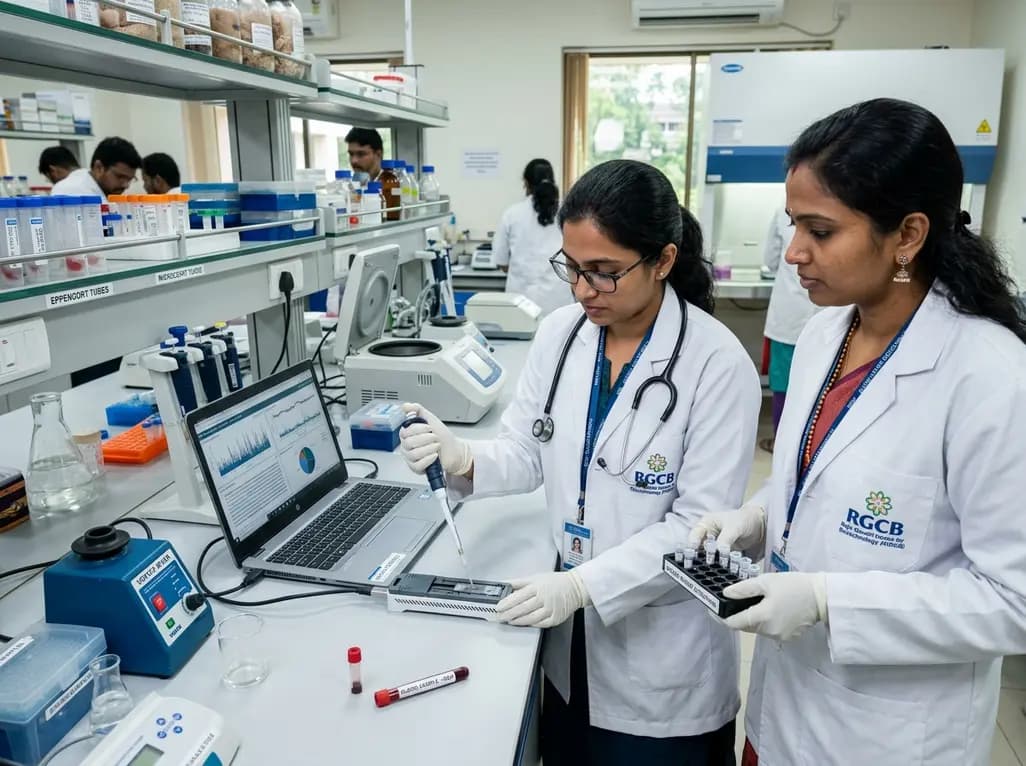
Biotechnology researchers in India are developing an automated liquid biopsy platform to detect cervical malignancy from blood samples. Supported by the MAHA MedTech Mission, this initiative applies nanopore sequencing and piRNA biomarker detection to eliminate invasive speculum exams and expand rural screening.
Today
A multicenter evaluation reveals that AI-based CT-FFR outperforms anatomical stenosis grading in high-prevalence cohorts, offering rapid non-invasive ischemia detection to guide revascularization and reduce unnecessary invasive coronary angiography procedures.
Today
A systematic review and meta-analysis of 8 RCTs evaluated bipolar versus monopolar electrocautery in primary total hip and knee arthroplasty. Pooled data revealed no significant differences in haemoglobin drop, blood loss, or length of stay, concluding that routine bipolar electrocautery is not supported.
Today
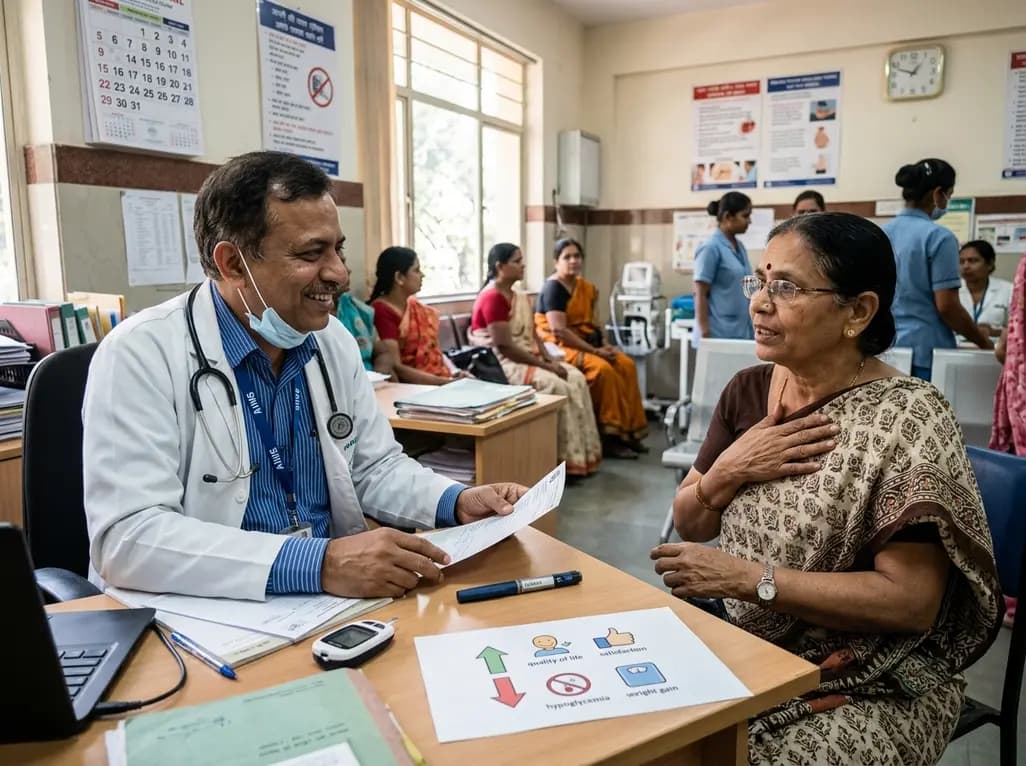
A comprehensive narrative review demonstrates that simplifying complex insulin regimens to once-daily iGlarLixi significantly enhances patient-reported outcomes, treatment satisfaction, and daily quality of life in adults with type 2 diabetes while mitigating hypoglycemia and weight gain concerns.
Today
