

Loading, please wait...
Loading, please wait...

Adolescence represents a vulnerable developmental window characterized by profound neurobiological maturation and evolving peer networks. During this phase, identity-linked peer stress often exacerbates psychiatric vulnerability, contributing significantly to adolescent internalizing distress. When adolescents face bias-based victimization due to social identities, depressive symptoms and chronic anxiety frequently follow. Clinicians must recognize that these emotional difficulties do not unfold uniformly across youth populations. Consequently, identifying longitudinal trajectories provides crucial clinical insights for early psychiatric and pediatric interventions.
Bias-based peer victimization functions as a potent interpersonal stressor during formative secondary school years. Adolescents frequently endure discrimination targeting their race, ethnicity, gender, sexual orientation, or neurodivergence. As a result, affected teenagers experience heightened physiological stress reactivity and emotional dysregulation. Traditional cross-sectional observations frequently suggest an invariant linear relationship between ongoing peer bullying and secondary depressive episodes. However, developmental psychopathology reveals marked heterogeneity in how young individuals process interpersonal adversity.
Furthermore, adolescents vary considerably in baseline psychological resilience, familial buffering capacity, and cognitive coping mechanisms. While some teenagers develop severe anxiety following peer maltreatment, others experience internalizing distress despite encountering minimal external peer conflict. Therefore, clinical researchers utilized multidimensional growth mixture modeling to capture joint developmental pathways over time. A landmark investigation evaluated longitudinal data from 639 adolescents across four distinct waves spanning two years. By simultaneously tracking peer victimization alongside anxiety and depressive symptoms, the investigators delineated three distinct developmental subgroups. Ultimately, these findings confirm that psychiatric vulnerability emerges through multifaceted ecological interactions rather than isolated interpersonal events.
The multidimensional mixture modeling demonstrated remarkable statistical precision, establishing a robust three-class model with an entropy value of 0.94. Notably, the majority of participants, comprising 72.8 percent of the cohort, belonged to the Low-Stable trajectory. These adolescents maintained low levels of peer victimization alongside persistently minimal depression and anxiety throughout the two-year period. Consequently, this large subgroup highlights the fundamental resilience exhibited by many youths when protective environmental factors remain active.
In contrast, two distinct higher-risk classes emerged from the data, presenting divergent developmental profiles. The Co-Occurring High-Decreasing class comprised 7.5 percent of the adolescents. This specific group began the observation period with severe bias-based victimization accompanied by marked internalizing symptoms. Fortunately, their peer victimization and psychological distress both declined steadily over subsequent assessment waves. Meanwhile, the High Internalizing, Low Victimization trajectory captured 19.7 percent of the adolescent population. Adolescents within this substantial subgroup reported severe internalizing symptoms despite experiencing very low levels of identity-based peer harassment. Thus, elevated psychiatric distress frequently develops independent of overt peer mistreatment.
Identifying predictors of trajectory membership offers vital prognostic value for pediatricians and family physicians. In this study, elevated parenting stress emerged as a powerful universal predictor of adolescent emotional maladjustment. Specifically, adolescents whose parents reported high chronic stress exhibited more than double the odds of belonging to the Co-Occurring High-Decreasing class, with an odds ratio of 2.44. Similarly, heightened parental distress significantly increased the likelihood of placement in the High Internalizing, Low Victimization class, yielding an odds ratio of 1.67. Therefore, household emotional climate substantially influences whether a young person develops severe internalizing distress.
Additionally, demographic parameters exposed notable disparities across the identified developmental trajectories. Adolescent female gender strongly predicted membership in the High Internalizing, Low Victimization group, demonstrating an odds ratio of 2.85. Furthermore, lower parental educational attainment correlated with elevated membership risk for this same vulnerable class. These findings indicate that socioeconomic strain and female gender synergistically amplify underlying emotional distress, even without overt interpersonal victimization. Societal expectations and systemic disadvantages likely generate latent emotional strain in adolescent girls.
The consequences of membership in these longitudinal trajectory classes extended substantially into subsequent educational and social domains. At the final Wave 4 assessment, adolescents from both higher-risk classes reported significantly diminished perceptions of school safety compared to their Low-Stable peers. Furthermore, individuals in both vulnerable trajectories experienced markedly higher levels of subjective peer rejection at follow-up. Interestingly, the Co-Occurring High-Decreasing group and the High Internalizing, Low Victimization group did not differ significantly from one another on these adverse outcomes.
Therefore, severe emotional distress appears to erode interpersonal confidence and subjective community security regardless of past victimization history. Adolescents experiencing persistent anxiety or depression may withdraw socially, misinterpret ambiguous social cues, or encounter alienating responses from peers. Interestingly, academic performance, measured through school grades, did not differ significantly across any of the three trajectory classes. Consequently, preserved academic performance often masks profound underlying psychological impairment, misleading parents, teachers, and healthcare providers. Thus, physicians cannot rely solely on scholastic achievement as a proxy for healthy adolescent emotional adaptation.
These empirical discoveries offer vital clinical implications for pediatricians, psychiatrists, and primary care physicians in diverse healthcare systems. First, clinicians must implement standardized screening instruments for internalizing disorders, such as the Patient Health Questionnaire and the Generalized Anxiety Disorder scale, during routine adolescent check-ups. Because nearly twenty percent of adolescents exhibit severe internalizing distress without encountering overt peer bullying, clinicians cannot assume that emotional well-being mirrors an absence of interpersonal conflict. Therefore, routine evaluations must actively probe private psychological distress.
Furthermore, clinical interventions must actively involve parents and family systems whenever possible. Because parental stress directly predicts adolescent psychiatric vulnerability, treating parental burnout and enhancing family coping mechanisms provide essential therapeutic benefits. In community clinics and school-based health centers, multidisciplinary teams should collaborate with educators to foster emotionally supportive learning environments. Physicians practicing in India and other developing health landscapes must remain especially vigilant, as academic pressures and cultural stigmas frequently obscure internalizing struggles among young people. Proactive psychiatric screenings can alter destructive developmental trajectories and foster lifelong emotional resilience.
Bias-based peer victimization attacks core social identity, including race, gender, and personal expression. Consequently, victims frequently develop heightened physiological stress responses and persistent cognitive hypervigilance. Over time, this sustained trauma disrupts emotional regulation and depletes psychological coping reserves. As a result, affected youths experience elevated rates of major depressive episodes, debilitating anxiety disorders, and profound social alienation. Clinicians must recognize these distinct identity traumas during routine adolescent health screenings.
Adolescent internalizing distress often develops through intricate multifactorial pathways rather than isolated bullying experiences. For instance, chronic household stress, genetic predispositions, socioeconomic hardship, and internalized societal expectations can trigger profound emotional suffering. Furthermore, adolescent females face distinct social pressures that heighten susceptibility to depressive mood and anxious rumination. Therefore, primary care clinicians should never assume that an absence of overt peer victimization indicates psychological stability or healthy emotional functioning.
Indian physicians should implement routine mental health questionnaires during regular pediatric visits to detect hidden emotional distress. Additionally, clinicians must actively evaluate parental stress levels, family financial pressures, and perceived school safety. Because academic success often persists despite severe underlying depression, doctors must not equate passing grades with emotional wellness. Finally, engaging parents in non-judgmental discussions about mental health helps dismantle stigma and encourages prompt multidisciplinary psychiatric intervention.
Disclaimer: This content is for informational and educational purposes only... Refer to the latest local and national guidelines for clinical practice.
References

Read summarized clinical updates, watch expert medical content, and earn CME certifications right from your smartphone.
Open your smartphone camera to scan and install.





A two-year study reveals distinct developmental trajectories linking identity-linked peer stress with adolescent depression and anxiety, highlighting the impact of parenting stress.
Today
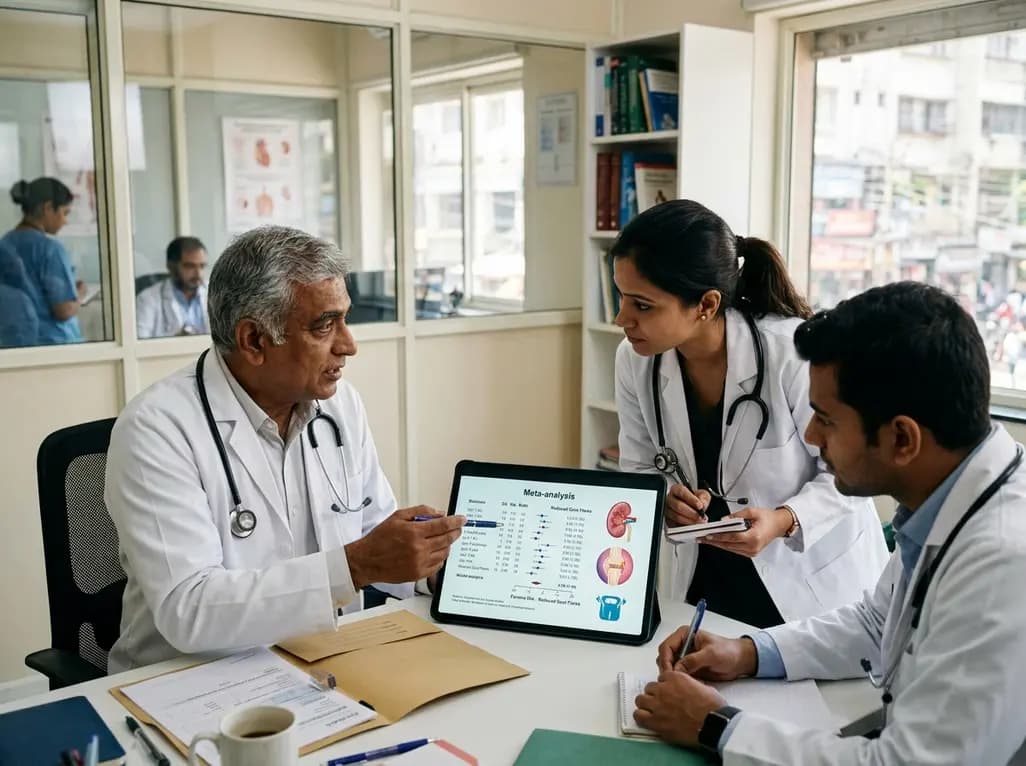
A meta-analysis of 18 RCTs with 77,942 patients reveals that GLP-1 and dual GIP/GLP-1 receptor agonists significantly reduce serum uric acid, cut incident gout flares by 38%, and lower hyperuricemia risk, with dual agonism showing superior urate-lowering efficacy mediated partly by weight loss.
Today
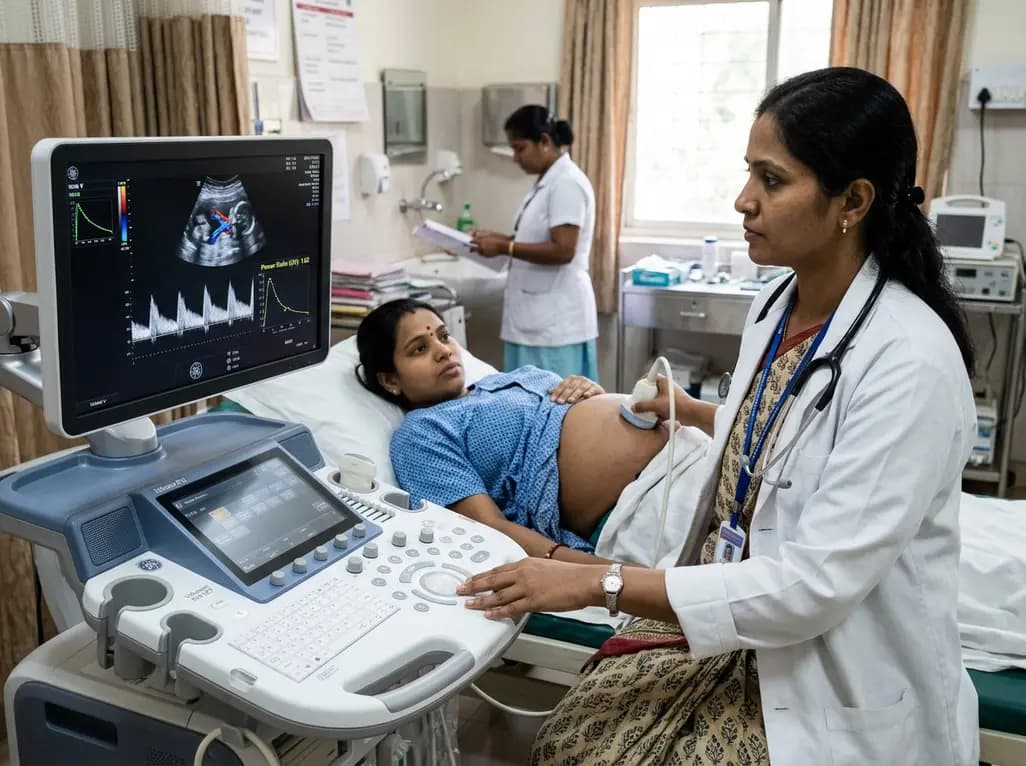
Adaptive spectral analysis of umbilical venous Doppler recordings reveals that an elevated second-trimester maternal-fetal power ratio can distinguish pregnancies at risk of preeclampsia, offering a novel biophysical approach to enhance early vascular risk stratification.
Today

A real-world cohort study of 6,537 patients from the FOUNTAIN platform demonstrates that initiating finerenone significantly reduces albuminuria by 40.7% with minimal eGFR decline and manageable hyperkalemia risk, confirming its practical effectiveness and safety in diabetic kidney disease.
Today

Adding a 12-week tele-supervised resistance band exercise program to intra-articular hyaluronic acid injections significantly improves physical function, chair stands, and mobility in knee osteoarthritis, despite showing no additive reduction in baseline pain scores.
Today

A secondary analysis of the OMDOT-1 trial highlights how tirzepatide and semaglutide uniquely reshape gut microbial diversity and metabolic pathways in type 2 diabetes, providing new insights into incretin-mediated metabolic regulation.
Today
