.webp&w=384&q=75)

Loading, please wait...
Loading, please wait...

Depression during youth represents far more than an isolated psychiatric concern. Emerging evidence demonstrates that adolescent depression multimorbidity acts as a systemic catalyst for lifelong chronic disease. Historically, physicians viewed pediatric affective disorders primarily through psychological and behavioral lenses. However, extensive epidemiological research indicates that early mood disturbances profoundly alter human physiological trajectories. A comprehensive investigation utilizing the UK Biobank cohort analyzed data from 87,562 individuals, including 18,851 participants with documented adolescent depression. The investigators rigorously evaluated longitudinal health outcomes across 24 distinct chronic medical conditions. Consequently, the researchers discovered that youth affective disorders significantly increase the long-term risk of developing multiple chronic somatic illnesses. Furthermore, the analysis revealed that adolescent depression accelerates widespread biological decline across multiple organ systems. These debilitating effects persist into middle and older adulthood regardless of traditional lifestyle confounders. Therefore, general physicians and pediatric specialists must recognize youth depression as a systemic disorder. Early affective distress fundamentally impairs endocrine stability, pulmonary function, and metabolic homeostasis. Clinicians must shift their perspective beyond acute emotional stabilization to prevent chronic multimorbidity. Indeed, treating affective disorders during adolescence protects lifelong physical resilience. Ultimately, comprehensive care requires proactive, integrated pediatric surveillance.
The cohort analysis identified significant associations between adolescent depression and 12 distinct chronic conditions. Most strikingly, the strongest observational associations emerged for pulmonary, endocrine, and metabolic disorders. Participants with a documented history of adolescent depression exhibited an elevated hazard for chronic obstructive pulmonary disease, with a hazard ratio of 1.74. Similarly, these individuals experienced a 29% greater likelihood of developing hypothyroidism. In addition, the risk of developing diabetes increased by 25% compared to healthy control participants. These statistical associations persisted after comprehensive adjustment for socioeconomic status, educational attainment, and lifestyle variables. Notably, researchers identified substantial vulnerability differences across distinct demographic subsets. Female participants experienced significantly higher relative risks across multiple physical conditions compared to male cohorts. Moreover, individuals aged 55 years or younger displayed amplified vulnerability to secondary chronic illnesses. Consequently, younger adults manifested accelerated disease progression and premature clinical presentation. These findings challenge the assumption that chronic multimorbidity belongs exclusively to geriatric medicine. Instead, pathophysiological cascades begin decades before overt clinical diagnosis. Thus, proactive surveillance must commence during initial adolescent consultations to halt irreversible organ impairment. Early identification preserves physiological longevity and overall health.
Observational associations frequently suffer from confounding and reverse causality. To overcome these limitations, the investigators performed two-sample Mendelian randomization analyses. This rigorous approach confirmed likely causal relationships between adolescent depression and three major disorders: hypothyroidism, diabetes, and chronic obstructive pulmonary disease. Specifically, the Mendelian randomization odds ratio reached 1.45 for hypothyroidism, 1.01 for diabetes, and 1.04 for chronic obstructive pulmonary disease. Furthermore, the team conducted genomic colocalization analyses using relevant genome-wide association study datasets. This sophisticated analysis detected a shared genetic signal at the CDSN and PSORS1C1 locus between adolescent depression and hypothyroidism. Consequently, this shared pleiotropic locus illustrates a common biological architecture connecting neuroaffective vulnerability and thyroid dysfunction. In addition, these genetic findings reinforce the biological reality of affective illness. Depression does not merely correlate with poor lifestyle choices or secondary self-neglect. Instead, intrinsic genetic mechanisms simultaneously compromise mental resilience and endocrine stability. Therefore, clinicians must treat adolescent affective episodes as genuine systemic medical conditions. Furthermore, understanding these common pathways empowers physicians to predict future endocrine dysfunction accurately. Recognizing this shared genetic vulnerability enables earlier, targeted therapeutic interventions for high-risk adolescent cohorts.
Beyond shared genetics, the study explored intermediate pathophysiological pathways using mediation analyses. The researchers examined the frailty index, Klemera-Doubal method biological age acceleration, allostatic load, and 30 circulating biomarkers. Interestingly, the mediation analyses uncovered highly disease-specific biological routes connecting depression to distinct somatic disorders. In particular, circulating creatinine mediated the specific path toward hypothyroidism, reflecting subtle renal and metabolic alterations. In contrast, circulating testosterone served as a primary mediating factor for type 2 diabetes risk. Moreover, Klemera-Doubal method biological age acceleration specifically drove the heightened risk for chronic obstructive pulmonary disease. Chronic neuroendocrine arousal accelerates cellular senescence and inflammatory wear across vulnerable pulmonary tissue. Importantly, the generalized frailty index acted as a universal mediator across all three confirmed conditions. This finding indicates that adolescent depression drives cumulative, multisystem physiological exhaustion over time. Chronic psychological distress elevates systemic allostatic load, impairing cellular repair mechanisms and immune surveillance. As a result, affected individuals experience premature physical vulnerability and reduced homeostatic capacity. Targeted interventions addressing these metabolic pathways may effectively interrupt systemic disease progression. Consequently, clinicians should measure these biomarkers to monitor organ preservation over time.
These groundbreaking insights require immediate transformation of pediatric and primary care paradigms. Currently, medical systems manage adolescent mental illness and chronic somatic conditions within isolated silos. However, this fragmented framework fails to address the deep biological unity connecting mind and body. Primary care clinicians and psychiatrists must collaborate closely to establish holistic screening protocols. Specifically, healthcare providers should implement annual depression screening using validated instruments such as the PHQ-9 for all adolescents. In addition, when treating adolescents diagnosed with depressive disorders, clinicians must maintain proactive metabolic surveillance. Routine monitoring should include baseline lipid profiles, fasting blood glucose, glycated hemoglobin, and thyroid-stimulating hormone levels. Furthermore, medical teams must emphasize preventive lifestyle modifications, including restorative sleep hygiene, balanced nutrition, and structured cardiovascular physical activity. These behavioral habits reduce systemic inflammation and attenuate biological age acceleration. Clinicians must also provide smoking cessation counseling to protect vulnerable respiratory systems against early obstructive pathology. Ultimately, early psychiatric resolution mitigates future somatic morbidity. By intervening aggressively during adolescence, physicians can preserve systemic resilience, lower healthcare burdens, and safeguard long-term health. Indeed, treating mental health represents one of the most potent investments in preventative medicine.
Adolescent depression alters neuroendocrine and immunological pathways during critical developmental windows. Consequently, affected individuals experience accelerated biological aging, cumulative cellular stress, and elevated allostatic load. Furthermore, shared pleiotropic genetic loci disrupt endocrine equilibrium, while elevated systemic inflammation degrades metabolic and respiratory resilience, predisposing patients to progressive physical disorders across adult life.
Two-sample Mendelian randomization confirmed clear causal links between adolescent depression and three primary conditions: hypothyroidism, diabetes, and chronic obstructive pulmonary disease. Specifically, the strongest observational and genetic associations emerged for pulmonary damage and thyroid dysfunction. In addition, these metabolic and endocrine vulnerabilities appeared significantly amplified among female patients and younger adults.
Primary care clinicians should implement routine, longitudinal depression screening for adolescents using validated tools like the PHQ-9. In addition, healthcare providers must monitor metabolic biomarkers, glycemic control, thyroid panels, and respiratory function in youth with confirmed depressive episodes. Consequently, early multidisciplinary interventions can disrupt downstream somatic organ decline before multimorbidity manifests.
Disclaimer: This content is for informational and educational purposes only. It is not intended as medical advice, diagnosis, or treatment. Always consult qualified healthcare professionals regarding clinical conditions. Do not disregard or delay seeking professional medical advice because of information presented here. Refer to the latest local and national guidelines for clinical practice.
References
Wei W et al. Adolescent depression as a systemic multimorbidity catalyst: integrated genetic and metabolic pathway analysis. Epidemiol Psychiatr Sci. 2026 Sep 09. doi: 10.1017/S2045796026100821. PMID: 42713628.
Fleetwood KJ, Guthrie B, Jackson CA, et al. Depression and physical multimorbidity: A cohort study of physical health condition accrual in UK Biobank. PLOS Med. 2025;22(2):e1004532.
Lu B, Zhang X, Zhou W, et al. Global burden of depression or depressive symptoms in children and adolescents: A systematic review and meta-analysis. J Affect Disord. 2024;354:402-411.

Read summarized clinical updates, watch expert medical content, and earn CME certifications right from your smartphone.
Open your smartphone camera to scan and install.





A landmark UK Biobank study demonstrates that adolescent depression acts as a systemic multimorbidity catalyst, significantly raising lifetime risks of hypothyroidism, type 2 diabetes, and COPD through biological aging, hormonal shifts, and shared genetic variants.
Today

A study of 1,428 AF ablation patients reveals that over 60% of left atrial non-PV triggers arise within low-voltage areas, with anterior and roof triggers colocalizing entirely within fibrotic substrate. Identifying and ablating these sites is critical for long-term arrhythmia freedom.
Today
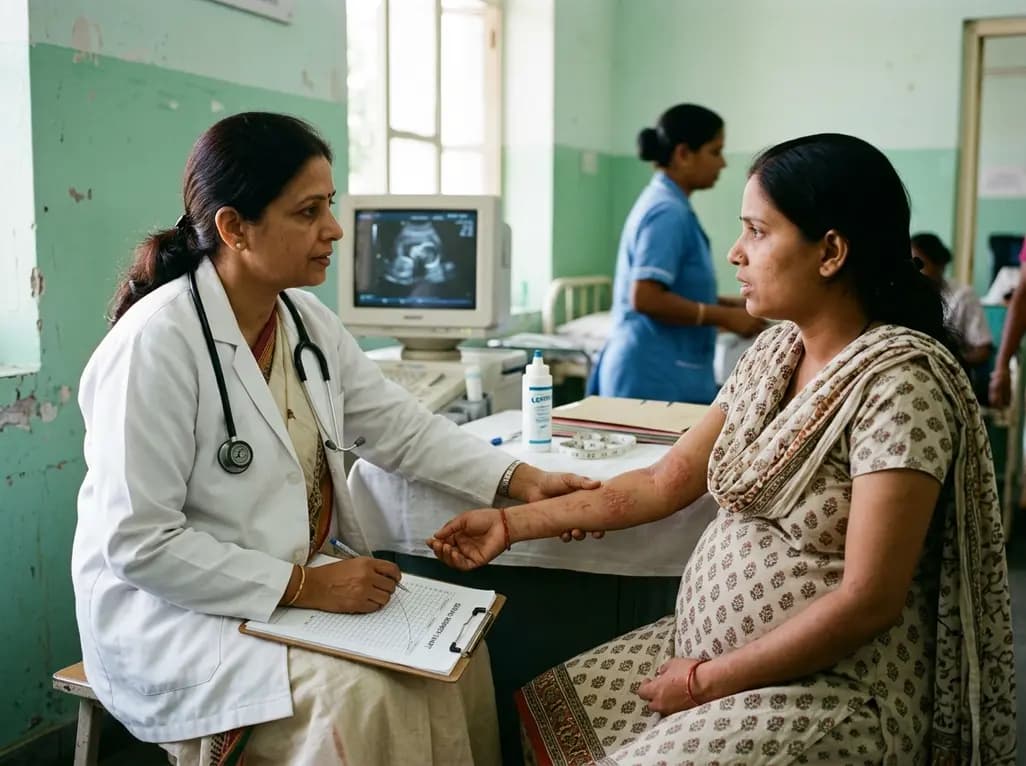
A comprehensive meta-analysis of over 278,000 women demonstrates that maternal atopic dermatitis significantly increases risks of premature rupture of membranes and low birth weight. Discover essential clinical insights on disease mechanisms, serial antenatal growth monitoring, and safe therapeutic interventions.
Today

A pioneering study highlights the first United States experience using the FARAPOINT focal pulsed-field ablation catheter for refractory ventricular tachycardia. The catheter achieved complete acute non-inducibility across tested patients without procedural complications, marking a milestone in ventricular ablation.
Today

A biomechanical study shows that augmenting thin fascia lata grafts with a reinforced polyester patch doubles ultimate tensile strength and stiffness, matching the performance of thick grafts for superior capsule reconstruction while reducing donor-site morbidity.
Today

A cross-sectional study reveals that elevated METS-IR is independently associated with higher myopia odds in adolescents, showing biological synergy with obesity and highlighting the need for metabolic screening in pediatric eye care.
Today
