.webp&w=384&q=75)

Loading, please wait...
Loading, please wait...
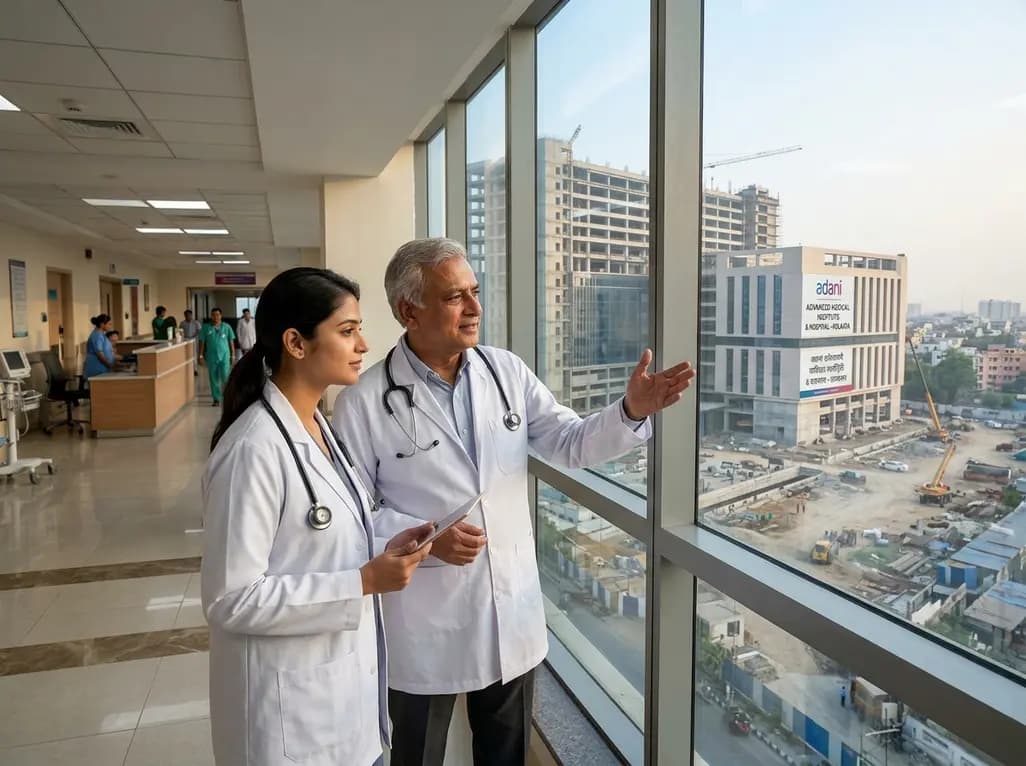
The Indian healthcare landscape continues to evolve as major infrastructure investments enter medical education and patient care. Recently, the Adani Group unveiled its landmark healthcare initiative, the Adani Arogya Mandir, located in New Town, Kolkata. This monumental project involves a capital commitment surpassing 4,000 crore rupees, establishing a massive 2,000-bed not-for-profit medical institution. Consequently, the development represents one of the largest corporate healthcare commitments in Eastern India. Furthermore, this expansive institution integrates clinical care, medical education, and biomedical innovation. Medical professionals across India recognize this venture as a vital step toward strengthening regional tertiary healthcare delivery.
The establishment of the Adani Arogya Mandir in New Town addresses critical infrastructure deficits across West Bengal and neighboring eastern states. Historically, patients requiring specialized quaternary interventions frequently traveled across regional borders to secure high-end clinical services. Consequently, local tertiary facilities often experienced significant overcrowding and resource strain. This new multi-specialty facility spans more than fifty acres within the Bengal Silicon Valley Tech Hub. Therefore, it provides immediate proximity to regional transit arteries, which accelerates patient transfers during acute emergencies. In addition, the comprehensive campus design incorporates step-down units, dedicated intensive care units, and transitional care wings. Planners have engineered the architectural layout to streamline emergency medical care and elective surgical procedures. Furthermore, the master plan includes specialized accommodation facilities, known as Meditels and Vishram Gruhs, designed specifically for patient relatives. Because prolonged clinical stays impose substantial financial and logistical burdens on family members, these auxiliary residential amenities provide essential practical relief. Thus, the clinical campus establishes a patient-centric environment that addresses holistic healthcare requirements. Overall, the comprehensive healthcare facility will cater to more than two million outpatients and over two hundred thousand inpatients every single year.
Equitable access to quality tertiary care remains a persistent clinical and socioeconomic challenge across India. To directly confront this systemic issue, the hospital structure incorporates a dual operating framework. Specifically, out of the total 2,000 inpatient beds, exactly 1,000 beds remain strictly reserved for economically weaker sections of society. These reserved beds will cater directly to beneficiaries enrolled under state and central government health insurance programs. As a result, underprivileged families can access complex interventions without facing catastrophic out-of-pocket medical expenditures. Clinicians recognize that financial constraints often delay necessary medical visits, leading to advanced pathological presentations. By removing direct financial roadblocks, this model encourages early patient diagnosis and timely medical management. Moreover, the facility plans to balance commercial private rooms with subsidized public wards within the same institutional framework. Therefore, the hospital maintains fiscal viability while upholding its primary non-profit charter. In addition, hospital administrators will collaborate closely with public health authorities to coordinate referral pipelines from primary health centers. Consequently, doctors working in peripheral districts can seamlessly transfer critically ill individuals to this advanced center. Ultimately, this structural integration significantly reinforces the universal health coverage mandate across Eastern India.
A robust healthcare system requires not only modern hospital beds but also a sustained pipeline of skilled professionals. Accordingly, the campus integrates a premier medical college, an advanced nursing institution, and specialized allied health training academies. The medical college will offer comprehensive training, accommodating 150 undergraduate students alongside more than 100 postgraduate medical residents. In addition, more than 40 super-specialty fellows will train in high-demand clinical domains each academic year. Consequently, this vast educational apparatus directly addresses the acute shortage of trained doctors across peripheral and suburban districts. Furthermore, the campus features a dedicated College of Nursing and institutes for paramedical technicians. These training institutions will prepare allied health professionals in critical fields such as intensive care management, operation theatre technology, and diagnostic radiography. Therefore, clinical teams will benefit from highly proficient support personnel during complex therapeutic procedures. Over time, the entire educational and clinical complex will generate more than 10,000 direct and indirect jobs across West Bengal. This massive recruitment effort creates unprecedented professional avenues for physicians, clinical researchers, and nursing staff. Thus, the initiative strengthens human resource capacity and enhances clinical competencies throughout regional healthcare systems.
Modern medical advancement depends fundamentally upon translating basic scientific discoveries into active bedside clinical interventions. Therefore, this expansive campus includes a cutting-edge biomedical research complex dedicated to solving urgent clinical challenges. Specifically, the initial operational phases will focus intensely on comprehensive oncology, delivering precision oncological therapies and advanced surgical interventions. In addition, the research division will explore medical genomics, precision pharmacotherapy, and clinical bioinformatics. Clinicians will actively leverage artificial intelligence to interpret multi-modal radiological images and enhance diagnostic accuracy. Moreover, dedicated clinical trial units will allow investigators to evaluate novel therapeutics, targeted biologicals, and medical devices. Consequently, Indian patients will gain early access to breakthrough molecular treatments previously available only in foreign academic medical centers. The institution also plans international academic collaborations to elevate clinical training standards and scientific output. As a result, resident physicians and faculty researchers will actively publish impactful clinical evidence in leading medical journals. Furthermore, modern robotic surgical suites and hybrid operating rooms will allow surgeons to conduct minimally invasive interventions safely. Ultimately, this robust clinical research ecosystem establishes a sustainable foundation for progressive medical discovery in Eastern India.
The healthcare venture forms a pivotal cornerstone of a much larger economic blueprint designed for West Bengal. Specifically, the conglomerate announced a cumulative investment commitment exceeding 100,000 crore rupees across various strategic sectors by 2035. These capital investments will span essential infrastructure, including maritime ports, multimodal logistics parks, green cement plants, and hyperscale data centers. In addition, major infrastructure projects will expand modern roads, bridges, power transmission networks, and clean renewable energy installations. Economic analysts emphasize that modern industrial growth correlates directly with robust regional healthcare infrastructure. A healthy and productive workforce remains indispensable for sustained industrial expansion and economic productivity. Furthermore, West Bengal serves as a natural geographic bridge connecting India’s industrial heartland, the northeastern states, and international maritime channels. Therefore, developing high-capacity medical hubs in Kolkata attracts skilled healthcare talent and boosts medical value travel across South Asia. The group also announced support for the historical restoration of Kolkata's landmark Writers' Building, honoring cultural heritage. Thus, this integrated development strategy bridges commercial infrastructure and vital social sectors. In conclusion, the expansive medical city sets a transformative precedent for sustainable private-sector participation in public welfare.
Q1: What is the primary objective of the Adani Arogya Mandir project in Kolkata?
The primary objective centers on establishing a 2,000-bed, not-for-profit academic medical center in New Town, Kolkata. Backed by an investment surpassing 4,000 crore rupees, the institution integrates advanced tertiary healthcare, clinical research, and medical education. Furthermore, the project aims to bridge regional healthcare disparities by offering comprehensive multi-specialty clinical care, specialized oncology services, and emergency treatment for diverse patient communities across Eastern India.
Q2: How will the hospital accommodate economically disadvantaged patient populations?
The institution allocates exactly 1,000 of its 2,000 inpatient beds specifically for economically weaker sections of society. These reserved beds cater directly to patients eligible under state and central government health insurance schemes. Consequently, underprivileged individuals receive free or highly subsidized tertiary treatment. Therefore, this dual operational model ensures high-quality medical care without exposing vulnerable households to catastrophic out-of-pocket medical expenditures during critical illnesses.
Q3: What educational and employment opportunities will this healthcare project generate?
The integrated campus features a premier medical college enrolling 150 undergraduate and over 140 postgraduate and super-specialty students annually. Additionally, the development includes dedicated nursing and allied paramedical schools. Overall, the initiative will generate more than 10,000 jobs across West Bengal's expanding healthcare ecosystem. Therefore, it provides substantial career opportunities for physicians, clinical nurses, allied health technicians, administrative specialists, and biomedical research scientists.
Disclaimer: This content is for informational and educational purposes only. It does not constitute medical advice or replace professional judgment. Refer to the latest local and national guidelines for clinical practice.
References

Read summarized clinical updates, watch expert medical content, and earn CME certifications right from your smartphone.
Open your smartphone camera to scan and install.





The Adani Group has initiated a transformative healthcare project in New Town, Kolkata. With an investment surpassing ₹4,000 crore, this academic medical hub provides 2,000 multi-specialty beds, reserved care for economically disadvantaged patients, and expansive research facilities to elevate clinical care across Bengal.
Today
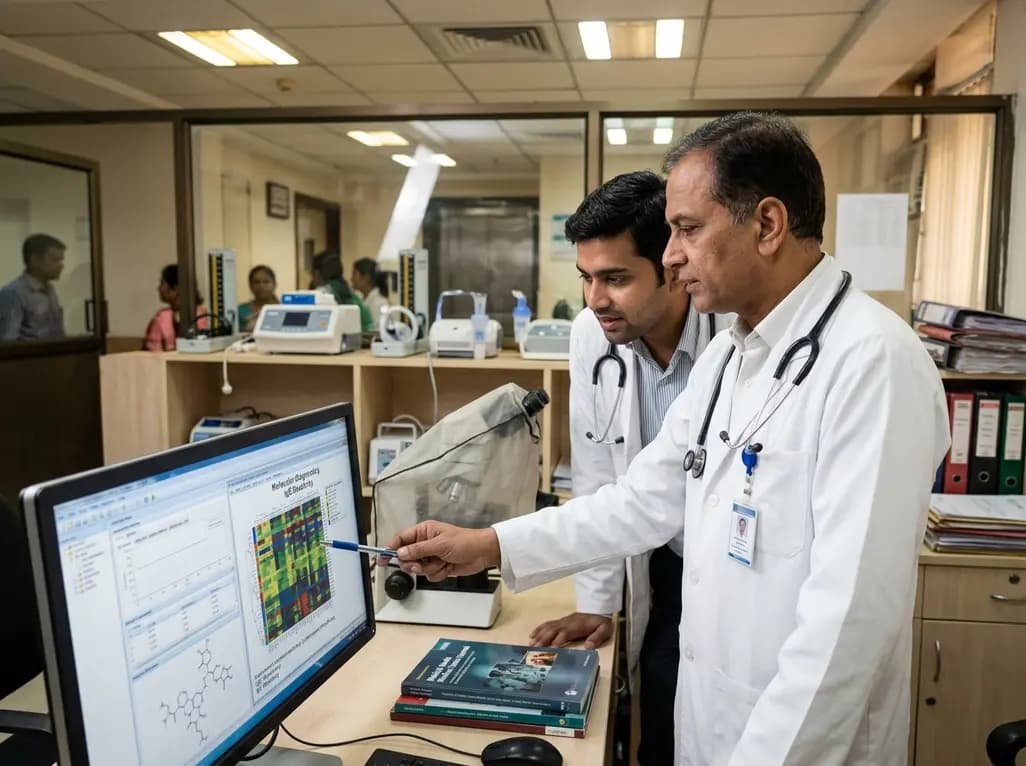
A landmark cross-sectional study in Algeria and Türkiye reveals distinct age-related molecular IgE sensitization profiles between children and adults, highlighting higher house dust mite reactivity in youth and providing vital insights for precision allergen immunotherapy.
Today
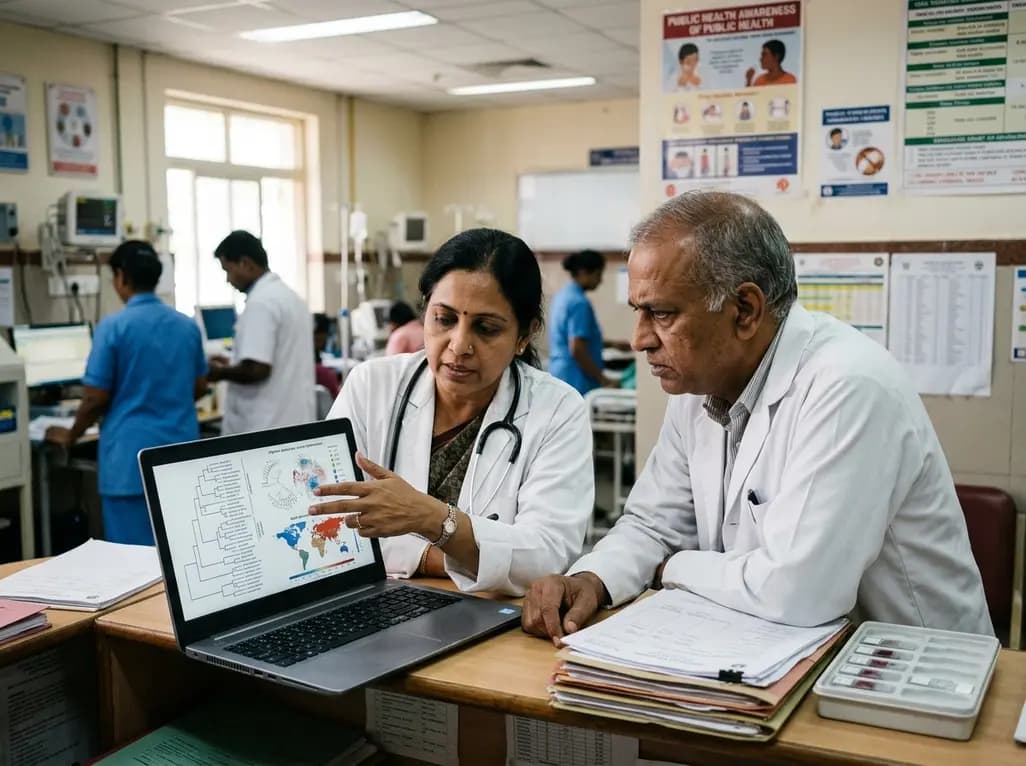
A landmark Lancet Oncology Commission reveals profound global disparities in cancer genetic testing and precision medicine. While molecular therapies expand rapidly, access remains heavily concentrated in high-income nations, leaving millions of eligible cancer patients in developing regions without care.
Today
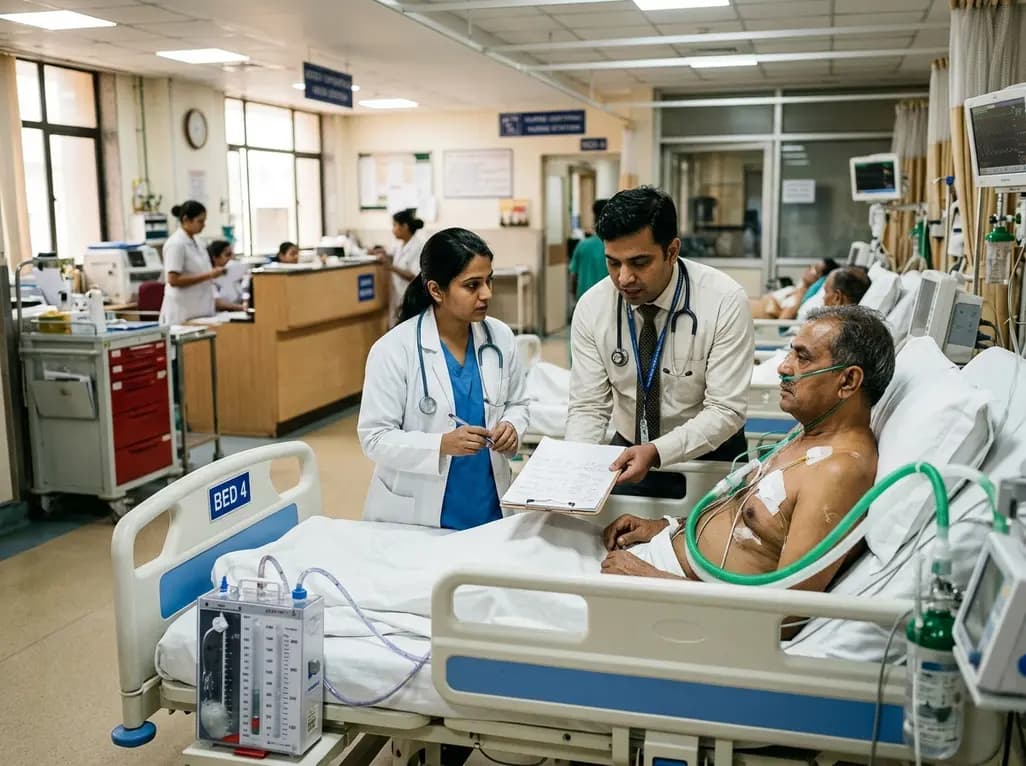
Managing refractory hypoxemia after cardiothoracic surgery becomes perilous when prolonged air leak limits positive-pressure ventilation. This case-based review details how high-flow nasal cannula, paired with awake rehabilitation, enabled successful extubation and avoided invasive re-intubation.
Today
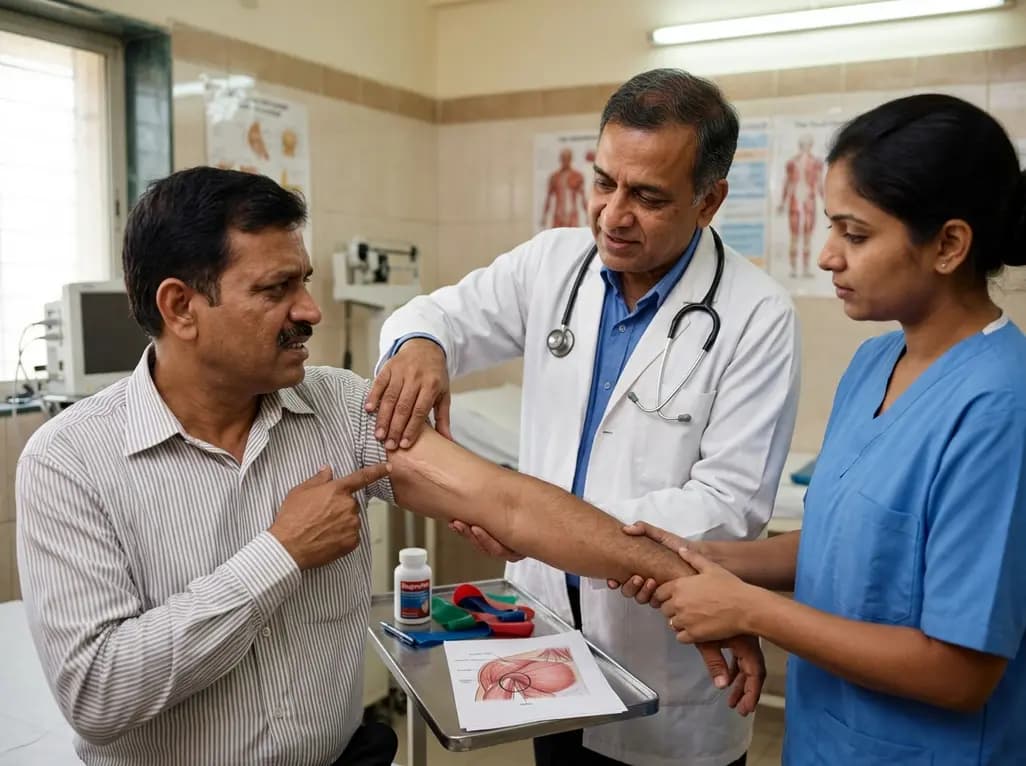
Idiopathic axillary web syndrome (IAWS) is a rare cause of shoulder pain and mobility restriction characterized by palpable axillary cording without prior surgery or trauma. Early diagnosis, nonsteroidal anti-inflammatory therapy, and physical rehabilitation lead to complete resolution of symptoms.
Today
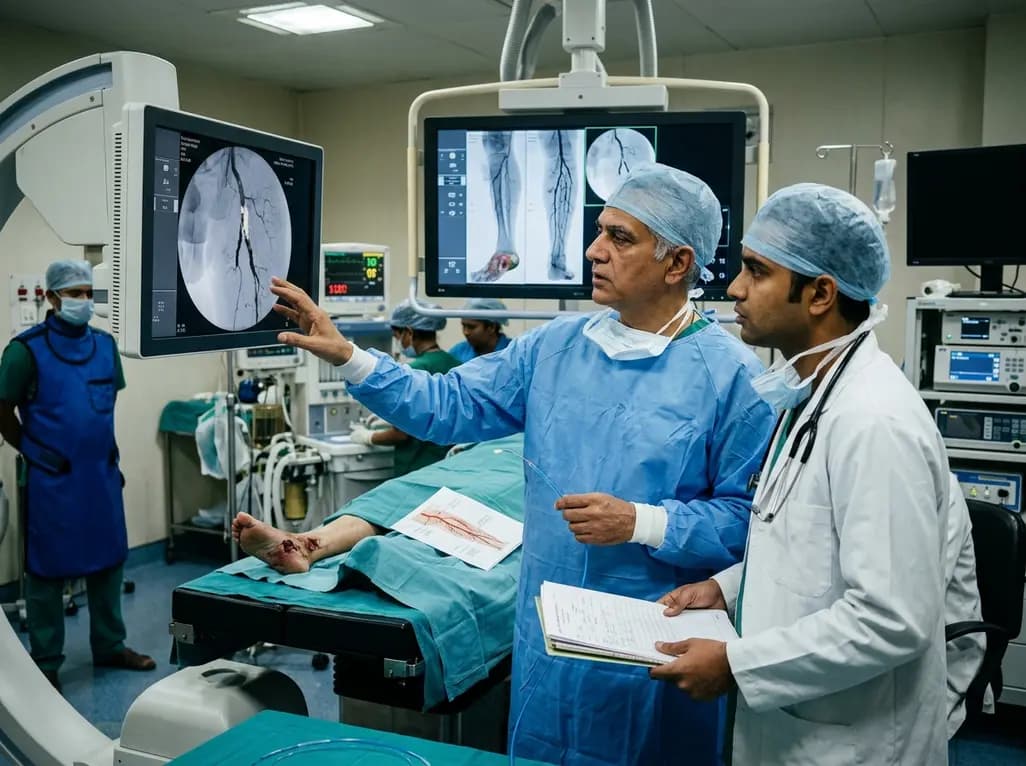
SWEDEPAD-1 trial insights show paclitaxel-coated devices do not improve long-term limb salvage in patients with chronic limb-threatening ischemia and tissue loss. While one-year reinterventions decreased, the devices were linked to a higher risk of major amputation at three months.
Today
