.webp&w=384&q=75)

Loading, please wait...
Loading, please wait...
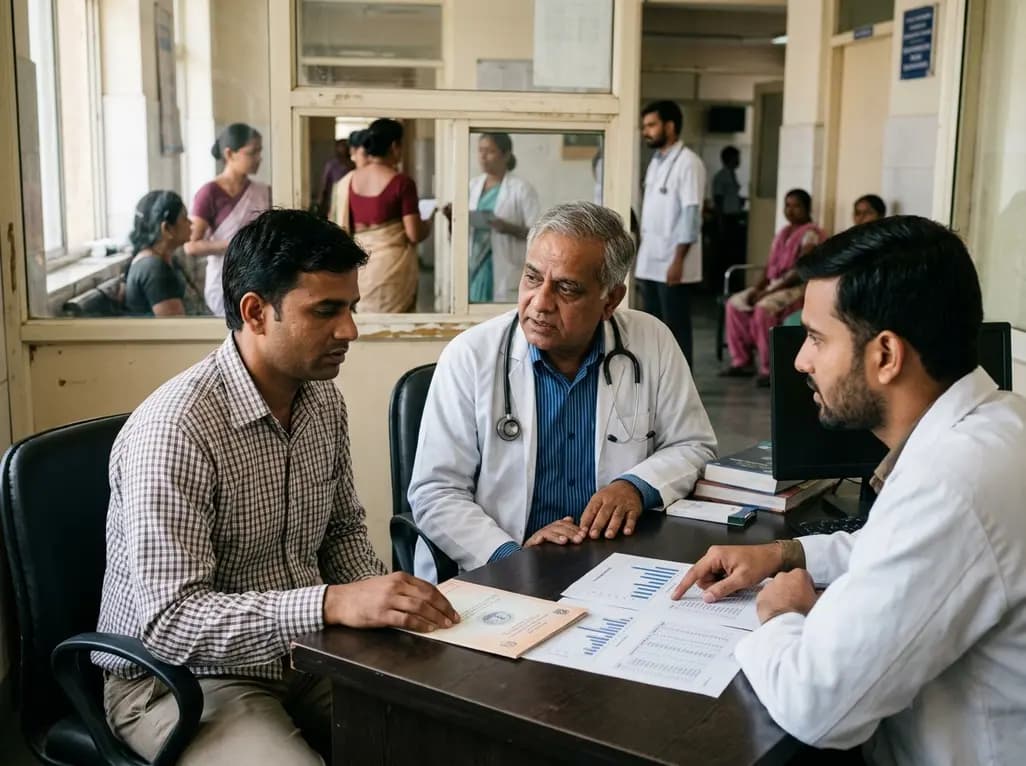
Acute pancreatitis represents one of the most frequent acute gastrointestinal emergencies requiring hospital admission worldwide. Although acute inflammation often resolves during hospitalization, clinician attention has traditionally remained limited to acute organ failure and in-hospital mortality. However, recent prospective evidence demonstrates that acute pancreatitis quality of life remains significantly impaired long after clinical discharge. Surviving patients frequently struggle with persistent physical weakness, lingering abdominal pain, psychological distress, and delayed social reintegration. Consequently, hospital discharge does not always signify complete functional recovery. Many patients experience ongoing limitations that affect their ability to work and participate in daily routines. Furthermore, standard laboratory markers do not fully reflect how patients perceive their day-to-day well-being. Therefore, clinicians must look beyond acute biomarkers and actively assess patient-reported outcomes over extended follow-up intervals. A comprehensive understanding of post-discharge recovery enables healthcare teams to deliver targeted interventions and improve long-term functional status.
A recent prospective multicenter cohort study in Japan followed 284 adult patients admitted with acute pancreatitis across 20 medical centers. Researchers evaluated patients longitudinally at baseline, three months, and twelve months post-discharge to understand recovery dynamics. Specifically, the study examined health-related quality of life parameters, including the physical component score from the 12-item Short-Form Health Survey. The primary analysis included 226 patients who completed structured follow-up evaluations. At three months post-discharge, roughly 21.7 percent of individuals demonstrated incomplete recovery in their social participation. Moreover, nearly three-quarters of these impaired individuals exhibited physical component scores below 45 points, compared to only a quarter among those who recovered completely. This profound difference confirms that persistent physical disability directly undermines a patient's capacity to return to workplace responsibilities and community life. In addition, severe initial illness and prolonged hospitalization substantially increase the likelihood of persistent functional impairment.
Longitudinal assessments reveal that acute pancreatitis quality of life depends heavily on early physical rehabilitation and post-illness physiological resilience. Although pancreatic inflammation subsides, metabolic stress and catabolic muscle wasting often leave lasting physical deficits. Patients with severe acute pancreatitis or extended hospital stays experience substantial loss of skeletal muscle mass. Therefore, these individuals struggle with fatigue, low stamina, and reduced exercise tolerance for months after discharge. Additionally, bodily pain and gastrointestinal discomfort persist in a notable proportion of survivors. These symptoms interfere with basic daily activities such as climbing stairs, carrying groceries, or walking moderate distances. Because physical stamina directly influences overall self-rated health, impaired physical scores correlate strongly with psychological frustration. Thus, multidisciplinary teams must integrate early physical therapy and structured exercise programs during both acute hospitalization and the early convalescent period to accelerate functional restoration.
Social participation represents an essential pillar of long-term recovery that clinical practice often overlooks. When individuals cannot resume their professional responsibilities, household duties, or recreational pursuits, their overall well-being declines rapidly. Incomplete social recovery creates substantial financial strain for working-age adults and places significant emotional burdens on family caregivers. Furthermore, unexpected work absenteeism and reduced workplace productivity generate notable indirect economic costs for healthcare systems and society. The Japanese prospective study clearly showed that patients with lower physical component scores faced profound barriers when trying to re-engage in their social networks. Therefore, clinical care must extend beyond resolving organ dysfunction to restoring social function. Clinicians should evaluate whether patients can successfully return to work and manage family obligations. Additionally, social workers and occupational therapists should join outpatient teams to address non-medical barriers to societal reintegration.
Long-term health after acute pancreatitis is also heavily shaped by secondary organ dysfunction, such as exocrine pancreatic insufficiency and post-pancreatitis diabetes mellitus. Even after mild attacks, subtle functional pancreatic impairment can develop and persist unnoticed. Exocrine insufficiency causes chronic abdominal bloating, flatulence, steatorrhea, and malabsorption of essential fat-soluble vitamins. Consequently, patients experience chronic malnutrition, unexpected weight loss, and debilitating fatigue. Similarly, endocrine disruption leads to glycemic instability and new-onset diabetes, which further damages vascular health and overall vitality. Furthermore, etiology influences the trajectory of these chronic complications. For instance, alcohol-related pancreatitis carries higher risks of disease recurrence and transition to chronic pancreatitis compared to biliary etiologies. Therefore, structured post-discharge follow-up must incorporate routine screening for fecal elastase deficiency and glycemic dysregulation to initiate prompt enzyme replacement and nutritional therapy.
To bridge the gap between acute discharge and complete recovery, healthcare systems must implement structured post-pancreatitis care protocols. Clinicians should schedule formal outpatient evaluations at three months, six months, and twelve months post-discharge. During these visits, medical teams should utilize standardized quality-of-life assessment tools alongside clinical evaluations. Additionally, clinicians should provide targeted lifestyle education, strongly advising alcohol abstinence and smoking cessation to prevent recurrent inflammatory episodes. Nutritional assessment by dedicated dietitians ensures adequate protein intake, caloric replenishment, and micronutrient supplementation to reverse post-illness sarcopenia. Moreover, clinicians must remain alert to psychological distress, including anxiety, post-traumatic stress, and depression. Offering timely psychological counseling and peer support groups fosters emotional resilience and improves treatment adherence, ensuring optimal functional recovery and sustained health promotion.
Acute pancreatitis frequently causes prolonged physical impairments, including chronic fatigue, persistent abdominal discomfort, and severe skeletal muscle deconditioning. Significant catabolic stress during acute hospitalization markedly reduces muscle mass and overall physical stamina. Consequently, affected patients often struggle with basic physical tasks and domestic chores for several months after hospital discharge. Early nutritional optimization and structured physical rehabilitation programs significantly help restore baseline physical capacity and functional independence.
Social participation reflects a patient's real-world capacity to resume professional work duties, family obligations, and meaningful community activities. Incomplete social recovery indicates lingering physical and psychological disability that standard laboratory tests frequently overlook. By actively measuring social participation status, healthcare providers can identify vulnerable individuals facing severe functional limitations, prolonged workplace absenteeism, and social isolation, thereby guiding timely referrals for targeted occupational therapy and comprehensive psychosocial support.
Clinicians should ideally evaluate recovering patients at three, six, and twelve months following hospital discharge. These structured follow-up visits should thoroughly assess physical quality-of-life scores, nutritional status, and social participation levels. Furthermore, healthcare teams must routinely screen for delayed complications, including exocrine pancreatic insufficiency, new-onset diabetes mellitus, and persistent abdominal pain. Timely detection of these sequelae enables prompt therapeutic interventions, preventing further functional deterioration and long-term disability.
Disclaimer: This content is for informational and educational purposes only. It is not intended to be a substitute for professional medical advice, diagnosis, or treatment. Always seek the advice of your physician or other qualified health provider with any questions you may have regarding a medical condition. Refer to the latest local and national guidelines for clinical practice.
References

Read summarized clinical updates, watch expert medical content, and earn CME certifications right from your smartphone.
Open your smartphone camera to scan and install.





A multicenter Japanese prospective study reveals that acute pancreatitis significantly impacts long-term health-related quality of life, with over 21% of patients experiencing incomplete social recovery and reduced physical function at 3 months post-discharge.
last month

Chronic eosinophilic pneumonia can present with atypical bronchoalveolar lavage findings and an organizing pneumonia pattern, necessitating surgical lung biopsy.
Today

Discover the crucial distinctions between mesonephric and mesonephric-like proliferations of the female genital tract. Learn the key histomorphologic, immunohistochemical, and molecular differences essential for accurate diagnosis and clinical management.
Today
Kikuchi-Fujimoto disease rarely presents with refractory shock and sinus bradycardia in children. This case report highlights life-threatening hemodynamic instability requiring intensive care, preserved cardiac contractility, and the critical diagnostic role of early excisional lymph node biopsy.
Today
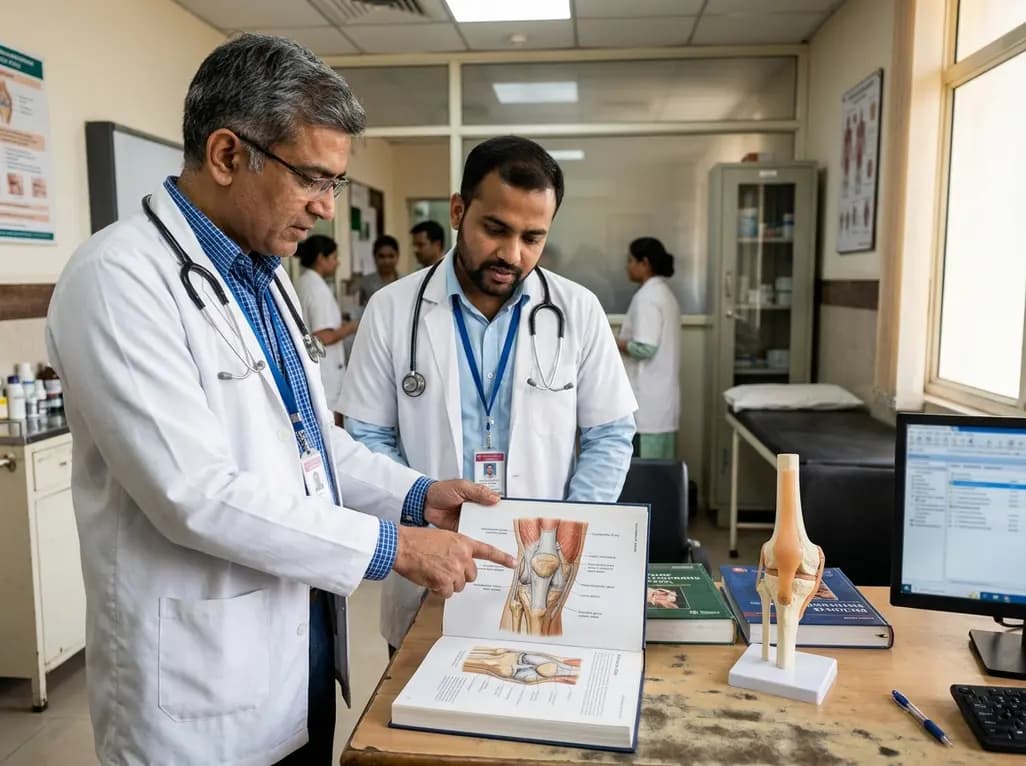
A narrative review investigates whether the articularis genus muscle functions as an independent anatomical entity or blends with the vastus intermedius. We evaluate its morphology, role in retracting the suprapatellar bursa, and direct clinical significance in anterior knee pain and arthroplasty.
Today

A Bayesian multilevel meta-analysis reveals that aerobic training combined with moderate carbohydrate restriction modestly lowers HbA1c in type 2 diabetes. However, sparse data and very low certainty leave incremental benefits over exercise or diet alone unproven, highlighting the need for individualized care.
Today
