.webp&w=384&q=75)

Loading, please wait...
Loading, please wait...
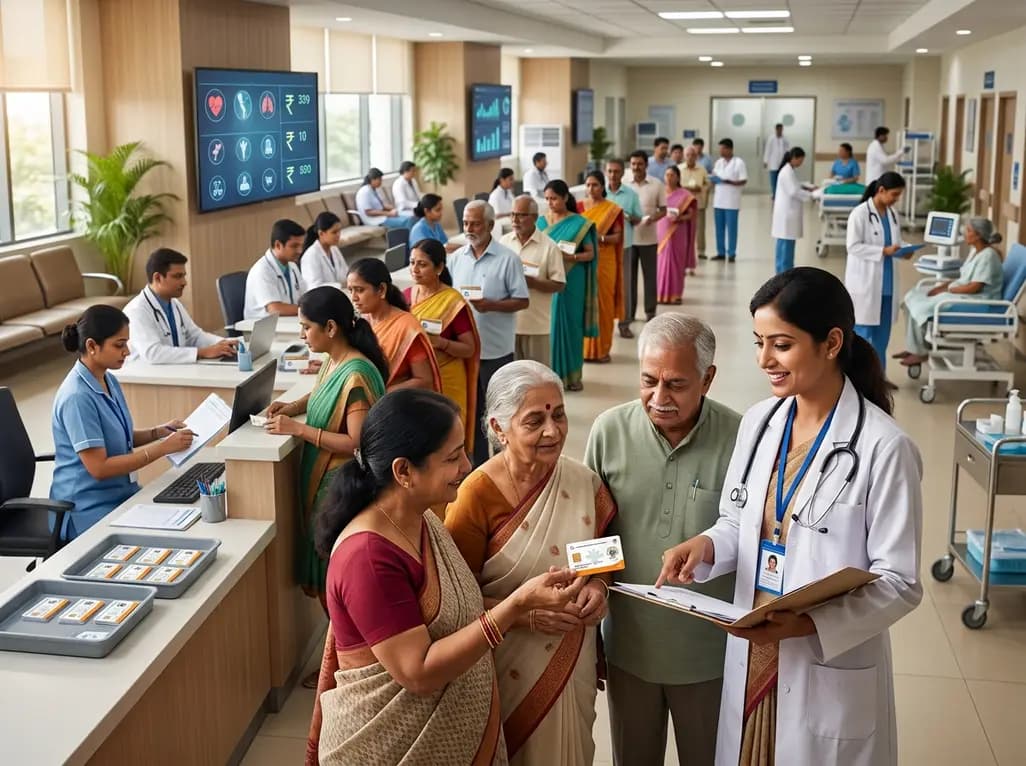
India's healthcare delivery system is witnessing an unprecedented expansion through public health assurance programs. According to official parliamentary statements, AB PMJAY hospital admissions have surpassed 12.69 crore with authorized claims reaching Rs 1.92 lakh crore. In addition, health authorities have generated over 44.73 crore Ayushman cards. This scale reflects a rapid movement toward universal health coverage for vulnerable populations. Furthermore, the scheme provides cashless secondary and tertiary care across empanelled hospitals. Consequently, healthcare providers must understand the operational mechanisms, benefit structures, and clinical implications of this expanding national health framework.
The core mechanism of AB-PMJAY rests on the National Master Health Benefit Package, specifically HBP-2022. Under this framework, the government offers cashless healthcare coverage through 1,961 bundled treatment packages spanning 27 medical specialties. Moreover, these packages systematically define procedure costs, diagnostic workups, and postoperative care guidelines. Standardized pricing structures eliminate hidden fees for low-income families during hospital stays. Consequently, tertiary hospitals streamline billing procedures while ensuring comprehensive patient care. Additionally, pre-hospitalization costs for three days and post-hospitalization costs for fifteen days are included. The bundled model incentivizes facilities to maintain high standards of patient care. Furthermore, medical institutions receive structured reimbursements for surgical interventions and inpatient monitoring. Thus, clinicians deliver standardized therapies without exposing patients to unexpected financial stress.
Non-communicable diseases constitute a massive burden on India's healthcare system. Fortunately, AB-PMJAY specifically targets major chronic health conditions to reduce premature mortality and financial catastrophe. For instance, packages cover advanced care for cardiovascular diseases, chronic kidney disease, stroke, and chronic respiratory disorders. Moreover, comprehensive cancer treatments, including medical, surgical, and radiation oncology, receive extensive coverage. Patients suffering from diabetes-related complications and neurological disorders also gain seamless access to specialized therapy. Consequently, tertiary care centers report higher early detection rates for complex metabolic illnesses. Furthermore, chronic liver disease management and intensive organ-support therapies are accessible to underserved populations. As a result, clinical outcomes for severe chronic illnesses show significant long-term improvements across districts. Therefore, empanelled specialty centers play a pivotal role in managing chronic disease burdens.
To sustain tertiary care utilization, the government has established nearly 1.86 lakh Ayushman Arogya Mandirs across the country. These primary healthcare facilities serve as the frontline contact point for millions of citizens. Furthermore, they perform critical screening routines for hypertension, diabetes, and common oral or cervical cancers. Consequently, early referrals from primary centers direct high-risk patients to empanelled secondary and tertiary hospitals. In addition, this integrated referral network ensures timely clinical intervention before complications escalate into life-threatening emergencies. Health workers at Arogya Mandirs also educate local communities regarding beneficiary eligibility and card activation. Moreover, digital health tools assist in maintaining electronic health records linked to individual Ayushman Bharat Health Accounts. As a result, clinicians at secondary hospitals gain rapid access to patient histories. Therefore, the synergy between Arogya Mandirs and tertiary hospitals forms a robust continuum of care.
Meeting the rising demand for hospital admissions requires a proportional expansion in medical infrastructure. Therefore, the government is aggressively expanding tertiary healthcare capacity across under-served regions. The establishment of new All India Institutes of Medical Sciences institutes and medical colleges plays a transformative role in this process. Furthermore, these premier institutions increase the availability of specialized ICU beds, advanced surgical suites, and expert faculty. Additionally, new medical colleges expand postgraduate training slots for clinical specialties. Consequently, rural populations no longer need to travel long distances for complex tertiary care procedures. Empanelled private hospitals also contribute significantly by offering specialized interventional procedures. Moreover, strict quality accreditation standards ensure that empanelled private facilities uphold safety guidelines. As a result, public-private partnership models under AB-PMJAY continue to strengthen overall health system resilience.
A major landmark of the scheme is the seamless portability feature across state boundaries. Millions of migrant workers and low-income families frequently relocate for employment opportunities. However, illness can strike unexpectedly during migration, creating severe financial strain. Fortunately, AB PMJAY hospital admissions permit beneficiaries to seek cashless care in any empanelled hospital nationwide. Dedicated Pradhan Mantri Arogya Mitras facilitate beneficiary verification and immediate hospital admission at destination facilities. Moreover, inter-state portability claims account for millions of successful hospitalizations across state lines. Consequently, patients from remote regions access specialized care in advanced urban medical centers without procedural delays. In addition, standardized electronic claim settlement systems ensure that empanelled hospitals receive prompt reimbursement. Overall, pan-India portability represents a decisive step toward eliminating regional health disparities.
Sustaining a health scheme of this magnitude requires robust administrative oversight and strict clinical audit systems. National health authorities continuously update clinical protocols to prevent unnecessary procedures and fraudulent claims. Furthermore, anti-fraud units employ advanced data analytics and artificial intelligence algorithms to detect suspicious billing patterns. Empanelled hospitals must adhere to established clinical practice guidelines before receiving claim approvals. Moreover, routine quality audits evaluate patient outcomes, infection control measures, and readmission rates. Consequently, healthcare providers benefit from clear clinical algorithms that promote evidence-based practices. In addition, transparent payment mechanisms build long-term trust between hospital management and regulatory bodies. As a result, public funds remain protected while genuine beneficiaries receive uninterrupted medical care. Therefore, medical professionals must remain actively engaged with evolving package guidelines to maintain optimal clinical compliance.
Q1: What major medical specialties are covered under the current AB-PMJAY benefit package?
The National Master Health Benefit Package (HBP-2022) covers 1,961 procedures across 27 medical specialties. Major covered areas include oncology, cardiology, nephrology, neurology, orthopedics, and pediatric care. Additionally, treatment packages cover complex non-communicable conditions like chronic kidney disease and stroke. The package structure bundles diagnostic, surgical, and post-operative expenses into standardized cashless costs for eligible beneficiaries during hospital admissions.
Q2: How does the national portability feature work for hospital admissions under AB-PMJAY?
Nationwide portability allows eligible cardholders to receive cashless inpatient treatment at any empanelled public or private hospital across India. Dedicated Pradhan Mantri Arogya Mitras assist with beneficiary verification and admission processes at host facilities. Consequently, migrant workers and traveling citizens can access secondary and tertiary healthcare seamlessly without needing fresh state-level registrations or facing delays in medical treatment authorization.
Q3: What role do Ayushman Arogya Mandirs play in the overall healthcare delivery network?
Ayushman Arogya Mandirs act as the first point of contact within the public health network, providing primary healthcare, disease screening, and essential medicines. They perform routine screenings for hypertension, diabetes, and prevalent cancers. When patients require advanced interventions, these centers facilitate timely referrals to empanelled secondary and tertiary hospitals. Consequently, this referral link ensures organized patient flow and early disease detection.
Disclaimer: This content is for informational and educational purposes only. It does not constitute medical advice or replace professional judgment. Refer to the latest local and national guidelines for clinical practice.
References

Read summarized clinical updates, watch expert medical content, and earn CME certifications right from your smartphone.
Open your smartphone camera to scan and install.





India's flagship healthcare scheme, AB-PMJAY, has issued over 44.73 crore Ayushman cards and authorized 12.69 crore hospital admissions totaling Rs 1.92 lakh crore. The expanded Health Benefit Package 2022 covers 1,961 procedures across 27 specialties, transforming secondary and tertiary medical care.
Today
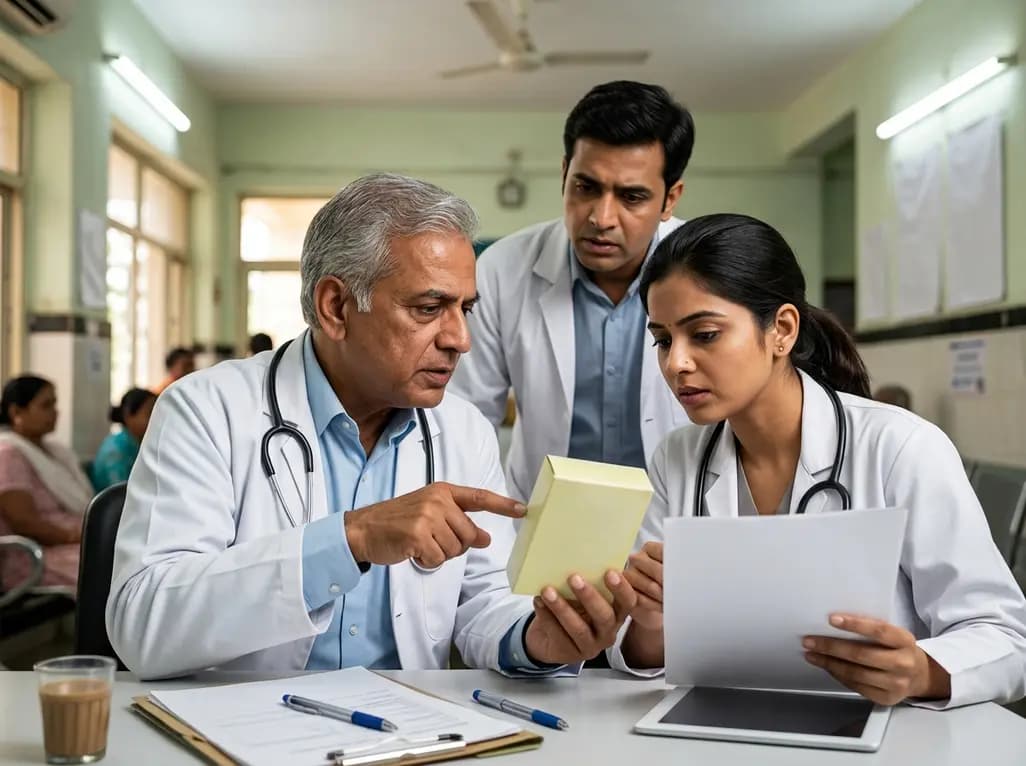
The Delhi High Court has issued a notice to the Centre and FSSAI regarding a plea for an India-specific scientific evaluation of non-sugar sweeteners. The petition highlights concerns over metabolic risks, front-of-pack labeling, and misleading health claims on artificial substitutes.
Today

An 11-year Swedish registry study of 618 uterine sarcoma patients found that minimally invasive surgery yielded survival comparable to open surgery in early stages. However, adjuvant chemotherapy conferred no survival benefit in localized or advanced disease, highlighting stage and histology as key outcomes.
4 days back
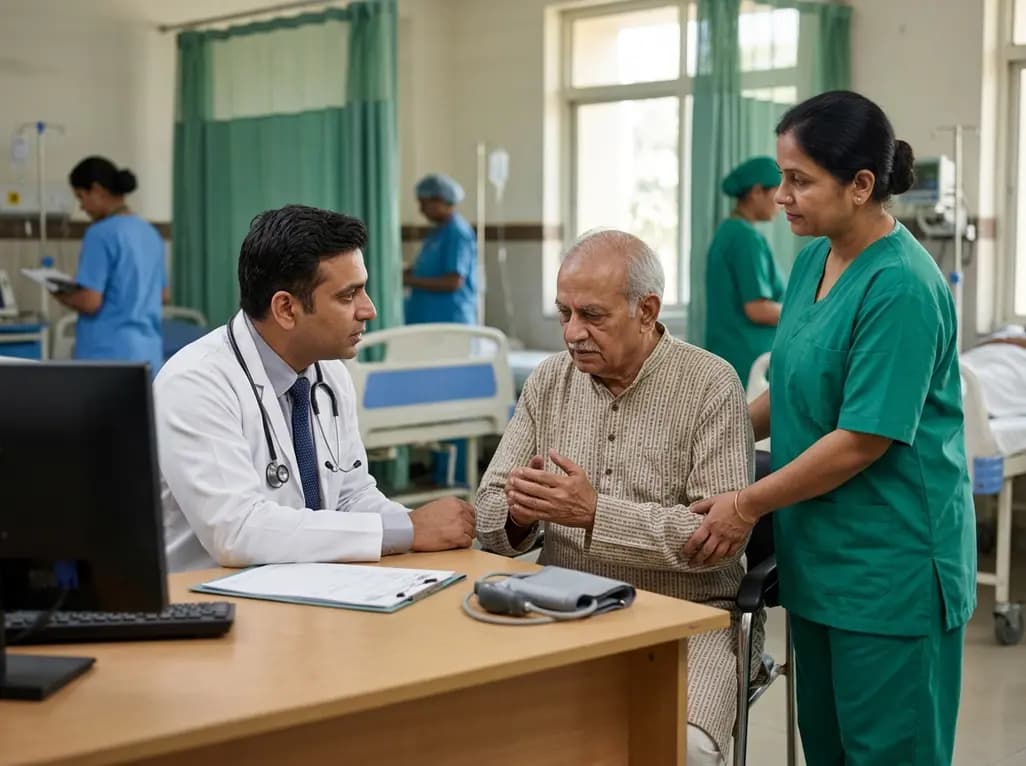
A cross-sectional study evaluates post-intensive care syndrome in cardiac patients 2-4 weeks post-ICU discharge, highlighting cognitive, psychological, and functional impairments and the need for structured multidisciplinary rehabilitation.
5 days back
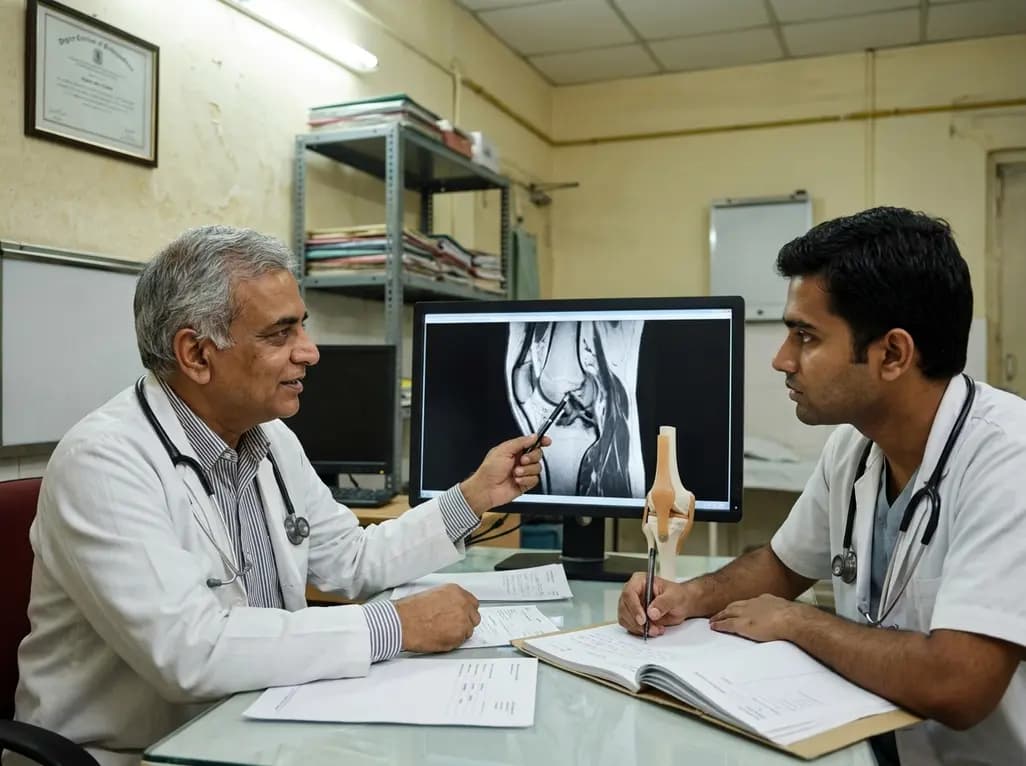
Anterior cruciate ligament reconstruction failure lacks uniform definition. A narrative review proposes an integrative framework incorporating objective and subjective instability, persistent pain, restricted motion, graft rupture, and secondary meniscal injury to standardize clinical reporting.
4 days back
A UK Biobank study of 471,540 participants reveals that metabolic syndrome increases incident gastric cancer risk by 36% (HR=1.36). A positive trend was observed with accumulating metabolic components, with waist circumference showing the strongest association, highlighting modifiable risk targets.
5 days back
