

Loading, please wait...
Loading, please wait...
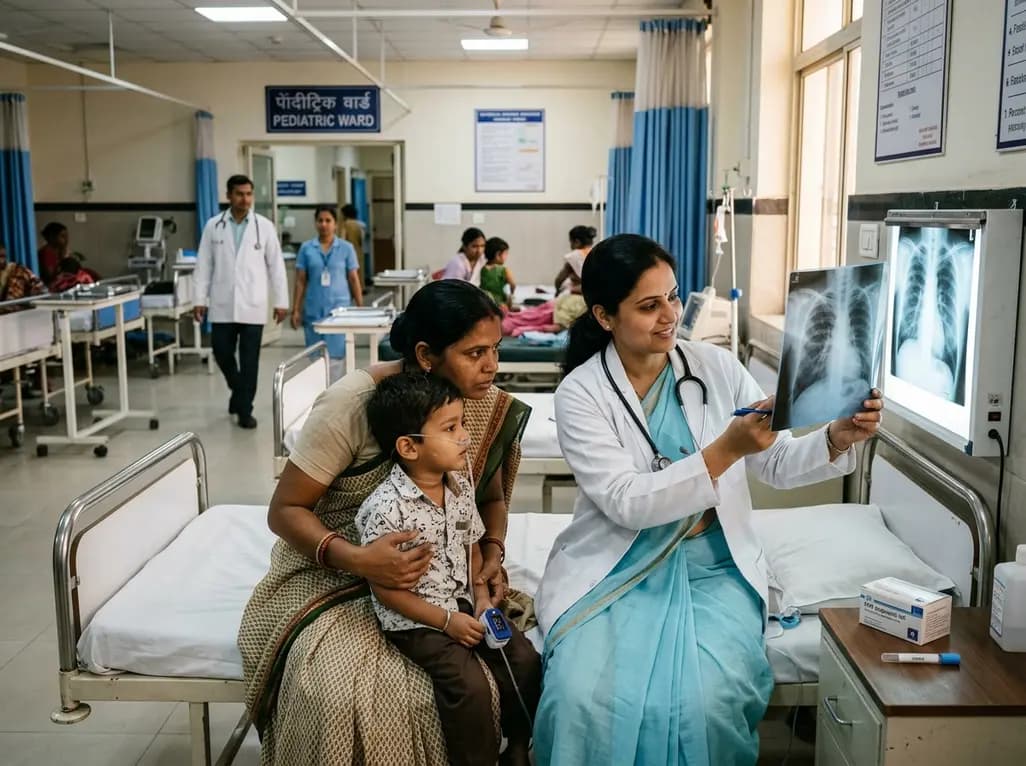
Respiratory tract infections remain a leading cause of morbidity and pediatric hospitalization worldwide. Historically, clinicians identified atypical pathogens predominantly in older school-aged youth and adolescents. However, emerging surveillance highlights an evolving epidemiologic profile. Recent multicenter investigations and hospital audits demonstrate that Mycoplasma pneumoniae in children frequently manifests in much younger cohorts than previously recognized. Recognizing these changing dynamics enables clinicians to maintain diagnostic vigilance, optimize antibiotic stewardship, and prevent unexpected respiratory deterioration in outpatient and inpatient settings.
Traditional pediatric textbooks have long characterized atypical pneumonia as an illness primarily targeting children older than five years. Nevertheless, real-world clinical audits challenge this conventional dogma. A comprehensive retrospective analysis conducted in a specialized pediatric care unit between January 2019 and December 2024 evaluated 93 children with confirmed infection. Notably, the median age of affected patients was merely three years, with an interquartile range spanning one to six years. This striking observation underscores that infants and preschool toddlers represent a significant proportion of hospitalized cases.
Moreover, modern community environments foster rapid transmission among younger populations. Early enrollment in daycare centers and nursery facilities exposes toddlers to high respiratory pathogen loads. In addition, the cyclical nature of community epidemics contributes to periodic surges across all pediatric age demographics. Because young children possess developing airway anatomy, exposure to this atypical pathogen frequently produces intense mucosal inflammation. Consequently, pediatricians can no longer exclude this bacterial etiology solely based on early chronological age. Maintaining high suspicion in toddlers who fail standard first-line beta-lactam therapy remains essential for timely clinical recovery.
The clinical spectrum of atypical lower respiratory infection varies considerably according to patient age. Overall, persistent cough and high fever represent the most universal clinical manifestations, occurring in over 90% and 86% of affected children, respectively. Nevertheless, profound differences emerge when comparing preschool children with their older school-aged counterparts. Specifically, preschool-aged children exhibit a significantly higher frequency of upper airway symptoms, including pronounced nasal obstruction, sneezing, and profuse rhinorrhea.
Furthermore, younger patients face a markedly elevated risk of lower airway obstruction. In the retrospective cohort, acute respiratory distress manifested in nearly half of all patients, but preschool children experienced significantly higher rates of tachypnea, chest indrawing, and documented hypoxemia. This pattern often mimics acute viral bronchiolitis or severe reactive airway exacerbations. In contrast, older school-aged children typically present with protracted dry coughing, prominent headaches, and systemic malaise without marked rhinitis. Because these phenotypic presentations diverge substantially, clinicians must evaluate the full respiratory symptom complex rather than expecting classic textbook descriptions in toddlers. Recognizing these nuances prevents delayed care in acute pediatric units.
Radiographic evaluation serves as an invaluable cornerstone in characterizing pediatric lower respiratory tract disease. However, thoracic imaging features of atypical pathogens differ substantially between developmental stages. School-aged children and adolescents characteristically present with classic focal airspace disease. In these older cohorts, chest radiography frequently demonstrates dense lobar or segmental consolidation, which closely resembles typical pneumococcal pneumonia. Consequently, clinicians often initiate standard antibacterial therapy before diagnostic confirmation occurs.
Conversely, preschool children display entirely divergent radiological patterns. Retrospective imaging analyses demonstrate that bilateral interstitial or peribronchial infiltrates predominate significantly among younger toddlers. These diffuse, patchy bronchopneumonic changes reflect the underlying immunopathology of the developing lung. The mucosal inflammatory response produces peribronchial cuffing, hyperinflation, and subsegmental atelectasis. In addition, high rates of concomitant viral infections in preschool children likely intensify these diffuse interstitial changes. Therefore, pediatricians reviewing bilateral patchy opacities on chest radiographs must actively consider atypical bacterial organisms in their differential diagnosis, especially when viral panels fail to explain clinical deterioration. Early identification prevents prolonged and ineffective antibiotic courses.
Accurate microbiological identification has historically posed substantial clinical hurdles for practicing pediatricians. Traditional serological testing requires paired acute and convalescent titers, which creates unacceptable delays in acute management decisions. Furthermore, standard bacterial culture of this fastidious organism is notoriously slow and clinically impractical. Fortunately, the integration of advanced molecular assays into routine pediatric practice has revolutionized diagnostic accuracy and turnaround times.
Multiplex respiratory polymerase chain reaction panels provide rapid, highly sensitive detection of bacterial DNA from nasopharyngeal swabs. In the retrospective hospital study, systematic PCR screening identified atypical pathogen involvement across diverse pediatric cohorts. In addition, molecular testing provides invaluable insights into polymicrobial infections. Interestingly, coinfection with other respiratory pathogens occurs far more frequently among preschool-aged children than older youth. Viral co-pathogens, such as respiratory syncytial virus, adenovirus, and rhinovirus, frequently compound atypical bacterial infections. Thus, routine molecular diagnostics not only secure a definitive microbiological diagnosis but also prevent unnecessary broad-spectrum antibiotic overuse by clarifying mixed viral-bacterial dynamics during acute hospital admissions.
Although respiratory symptoms dominate the clinical picture, clinicians must recognize that this organism causes multisystem disease. Approximately 28% of pediatric patients exhibit distinct extrapulmonary manifestations during their acute illness. Gastrointestinal symptoms, particularly vomiting, abdominal pain, and diarrhea, represent the most frequent non-respiratory complaints, affecting over 17% of patients. In addition, physicians must monitor for dermatologic manifestations, including urticaria, maculopapular eruptions, and severe mucocutaneous syndromes.
Because acute hypoxemia and respiratory distress occur frequently, inpatient admission rates remain substantial. In the reviewed retrospective cohort, over 75% of diagnosed children required hospital admission for supportive respiratory interventions, supplemental oxygen, intravenous hydration, or targeted antimicrobial therapy. When initiating antimicrobial treatment, macrolides such as azithromycin represent the empirical standard. However, clinicians must remain alert to regional macrolide resistance patterns. In severe or refractory cases with persistent fever and worsening consolidation, systemic corticosteroids or second-line antimicrobials may be indicated. Timely supportive intervention and age-adapted antimicrobial therapy ensure favorable outcomes and prevent long-term pulmonary sequelae in vulnerable young children.
Historically, clinicians considered this pathogen uncommon in toddlers and infants. However, the widespread adoption of multiplex respiratory polymerase chain reaction testing has dramatically increased detection rates across younger cohorts. Furthermore, social mixing in daycare facilities and changing post-pandemic immunological baselines have increased transmission among preschool toddlers. Consequently, pediatricians now recognize that younger children frequently contract this infection, often presenting with significant upper airway signs, wheezing, and marked respiratory distress.
Radiographic patterns vary considerably across pediatric age brackets. Preschool patients typically demonstrate diffuse bilateral peribronchial infiltrates or interstitial opacities on chest radiographs. In contrast, older school-aged children and adolescents predominantly exhibit dense lobar or segmental consolidation mimicking classic bacterial pneumonia. In addition, younger toddlers experience higher rates of viral co-infections, which frequently contributes to multifocal bronchopneumonic changes. Therefore, clinicians must interpret pediatric thoracic imaging within the specific developmental context of the presenting patient.
Macrolides remain the empirical first-line therapy for symptomatic atypical lower respiratory tract infections in children. Specifically, oral azithromycin offers high compliance due to once-daily dosing schedules and excellent intracellular penetration. When clinicians encounter macrolide resistance or severe therapeutic failure, secondary alternatives like doxycycline or respiratory fluoroquinolones may become necessary in select hospitalized patients. In addition, supportive management including supplemental oxygen, adequate hydration, and bronchodilators plays an essential role in stabilizing children who experience acute respiratory compromise.
Disclaimer: This content is for informational and educational purposes only... Refer to the latest local and national guidelines for clinical practice.
References

Read summarized clinical updates, watch expert medical content, and earn CME certifications right from your smartphone.
Open your smartphone camera to scan and install.





Recent pediatric data demonstrate that Mycoplasma pneumoniae frequently affects preschool children with distinct respiratory distress and bilateral infiltrates. Clinicians must recognize age-specific radiological patterns, extrapolate systemic manifestations, and utilize PCR for timely diagnostic precision.
Last week

A preclinical study reveals that Tongyang Zhixie Decoction mitigates radiation-induced intestinal injury by preserving Lgr5+ crypt stem cells, inhibiting p53-mediated mitochondrial apoptosis, and restoring gut microbiota homeostasis, offering promising regenerative insights for supportive oncology care.
Today

A cross-sectional study of 4,862 women highlights how metabolic phenotypes alter female reproductive impairment. Metabolically unhealthy overweight and obesity presented the greatest odds for infertility and impaired fecundity, underscoring the vital need for comprehensive cardiometabolic screening.
Today

Pulmonary vascular diseases like PAH carry high mortality. While current drugs improve hemodynamics, they fail to halt remodeling. This review examines viral vector engineering and endothelial targeting strategies, highlighting BMPR2 restoration and translational challenges in achieving disease-modifying therapies.
Today

Smart biomaterial platforms for rosmarinic acid delivery offer a breakthrough in osteoarthritis therapy. By engineering responsive nanoparticles and hydrogels, researchers overcome rapid joint clearance and metabolic instability, paving the way for targeted chondroprotection and theranostics.
Today

Researchers have engineered a resilient LC-PAM hydrogel that resolves the trade-off between toughness and elasticity. Incorporating lignin and cellulose nanoparticles alongside selenium, this biomaterial offers durable adhesion and antibacterial activity for complex infected and diabetic wound care.
Today
