.webp&w=384&q=75)

Loading, please wait...
Loading, please wait...

Modern operating theatres are undergoing a major shift as clinicians increasingly adopt advanced technology to improve patient outcomes. Therefore, robotic-assisted surgery is fast becoming the standard of care for complex procedures that once required large, highly invasive incisions. Surgeons utilize robotic arms and high-definition optics to navigate challenging cavities, executing moves with incredible dexterity. Historically, traditional open surgeries carried high risks of postoperative complications and prolonged hospital stays. However, the introduction of robot-assisted platforms has completely revolutionized how clinical teams approach intricate cases. This technology does not replace human skill; rather, it acts as an extension of the surgeon's own hands, translating physical gestures into highly stabilized, micrometric actions inside the patient's body. Consequently, this synergy between human expertise and mechanical precision allows for safer operations. From metropolitan super-specialty hubs to public medical colleges, the medical fraternity is embracing this innovation. Consequently, as clinical adoption continues to accelerate, both patients and hospital systems are experiencing the vast benefits of this paradigm shift.
The technical advantages of modern robotic platforms are particularly evident in their ability to perform delicate micro-dissection. For instance, the system provides surgeons with three-dimensional, highly magnified views of the surgical field. This visual clarity enables clinicians to distinguish vital nerves, fine blood vessels, and healthy tissues from diseased structures with absolute confidence. Furthermore, the technology incorporates sophisticated tremor filtration software that removes any natural hand micro-tremors. Because of this, the robotic arms can execute incredibly steady movements in narrow workspaces where a human hand might struggle. The miniature instruments have wrist-like articulations that offer degrees of freedom far exceeding the natural range of motion of human wrists. Consequently, surgeons can perform complicated maneuvers through tiny keyhole incisions rather than massive abdominal or thoracic openings. Patients benefit immensely from this minimally invasive approach, experiencing reduced blood loss and less postoperative pain. Therefore, patients recover much faster and can resume their daily routines earlier than traditional methods allowed.
Cancer care is one of the primary fields where this technological revolution is making a profound difference. Specifically, pelvic oncological surgeries, such as rectal cancer resections, are technically demanding because of the highly restricted, narrow pelvic cavity. Traditional open or laparoscopic approaches often present significant challenges when clearing tumors without damaging surrounding nerves. Fortunately, robotic instruments facilitate meticulous dissection in these tight spaces, which dramatically improves complete tumor clearance rates. At the same time, this high-precision technique preserves the delicate autonomic nerves that control urinary and sexual functions. Thus, patients not only achieve excellent oncologic outcomes but also maintain a high quality of life post-surgery. Beyond pelvic oncology, robotic platforms are transforming the management of esophageal, gastric, and thoracic cancers. Surgeons can now perform complex reconstructive maneuvers with greater ease and safety. As a result, major oncology departments across the country are prioritizing robotic systems to provide standard-of-care treatments.
Historically, advanced robotic platforms existed only in premium, private healthcare hubs in major metropolitan cities. However, a significant shift is occurring as public government hospitals actively acquire these advanced technologies. For example, Sassoon General Hospital in Pune recently introduced robotic systems to offer cutting-edge care to underserved populations. This initiative effectively bridges the gap between private and public healthcare accessibility in the region. For a high-volume public institution, the real success of robotic surgery lies in faster patient recovery times. Because patients recover quickly, they experience far fewer complications and require shorter hospital stays. Consequently, early discharges free up precious hospital beds, allowing the institution to treat many more patients in need. Therefore, the technology is not merely a luxury; instead, it serves as a highly practical tool for improving public health outcomes. Ultimately, these public initiatives ensure that the highest standards of surgical care remain accessible to everyone, regardless of socioeconomic status.
The future of robotic surgery extends far beyond enhanced dexterity and magnified visual fields. Indeed, the integration of artificial intelligence represents the next frontier in surgical innovation. AI algorithms can analyze vast amounts of intraoperative data in real-time to assist surgeons with decision-making. Furthermore, image-guided surgery and advanced remote connectivity are completely redefining the boundaries of physical location. For instance, a historic telesurgery event demonstrated this potential when surgeons in France operated on a patient in Indore. Using an indigenous robotic platform, the clinical team successfully performed a remote gastric bypass and cardiac repair across continents. This landmark achievement proves that high-speed connectivity can bring specialist care to remote areas where local expertise is unavailable. Additionally, as indigenous medical companies enter the market, the overall costs of these robotic systems will drop drastically. Consequently, the combination of technological progress and local manufacturing will completely transform the global healthcare landscape, making precision surgery safer, cheaper, and widely accessible for all.
Q1: How does robotic-assisted surgery differ from traditional laparoscopic surgery?
While both techniques utilize small incisions, robotic-assisted surgery offers several distinct advantages over standard laparoscopy. Standard laparoscopic instruments are rigid, whereas robotic instruments feature wrist-like joints with multiple degrees of freedom. Furthermore, the robotic system provides a highly magnified, three-dimensional view of the surgical site. This superior visualization and dexterity enable surgeons to perform highly intricate movements with significantly greater precision.
Q2: Is the robotic system performing the surgery independently?
No, the robotic system does not operate independently during the procedure. Instead, every movement of the robotic arms is directly controlled by the surgeon at the console. The technology serves as an advanced extension of the surgeon's hands, filtering hand tremors and providing enhanced visual clarity. Therefore, the surgery's success depends entirely on the skill and experience of the human specialist.
Q3: What are the main benefits of robotic-assisted surgery for the patient?
Patients undergoing robotic-assisted procedures experience numerous clinical benefits compared to traditional open surgery. Because the surgeon operates through tiny incisions, patients suffer less postoperative pain and blood loss. Additionally, this minimally invasive approach reduces the risk of surgical site infections and scarring. Consequently, patients spend fewer days in the hospital, recover faster, and return to normal daily activities earlier.
Disclaimer: This content is for informational and educational purposes only. It does not constitute medical advice or replace professional judgment. Refer to the latest local and national guidelines for clinical practice.
References

Read summarized clinical updates, watch expert medical content, and earn CME certifications right from your smartphone.
Open your smartphone camera to scan and install.





Explore how robotic-assisted surgery is transforming clinical care in India, offering unmatched precision, shorter recovery times, and democratized access across public and private hospitals.
3 weeks back

Andhra Pradesh reported 10 new Covid-19 cases, taking the state tally to 49 while deaths remain at four. With 24 patients hospitalized and 16 under home isolation, the Health Department has intensified monitoring. Medical professionals should review regional distribution, diagnostic protocols, and management plans.
Today

An 11-year Swedish registry study of 618 uterine sarcoma patients found that minimally invasive surgery yielded survival comparable to open surgery in early stages. However, adjuvant chemotherapy conferred no survival benefit in localized or advanced disease, highlighting stage and histology as key outcomes.
3 days back
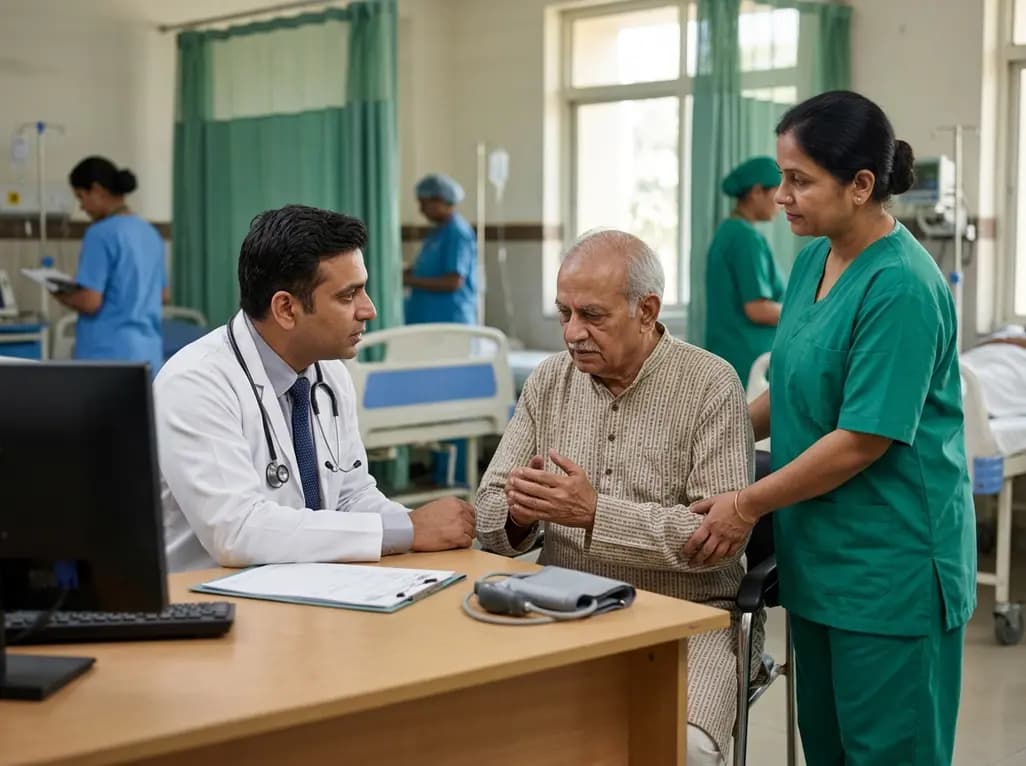
A cross-sectional study evaluates post-intensive care syndrome in cardiac patients 2-4 weeks post-ICU discharge, highlighting cognitive, psychological, and functional impairments and the need for structured multidisciplinary rehabilitation.
3 days back
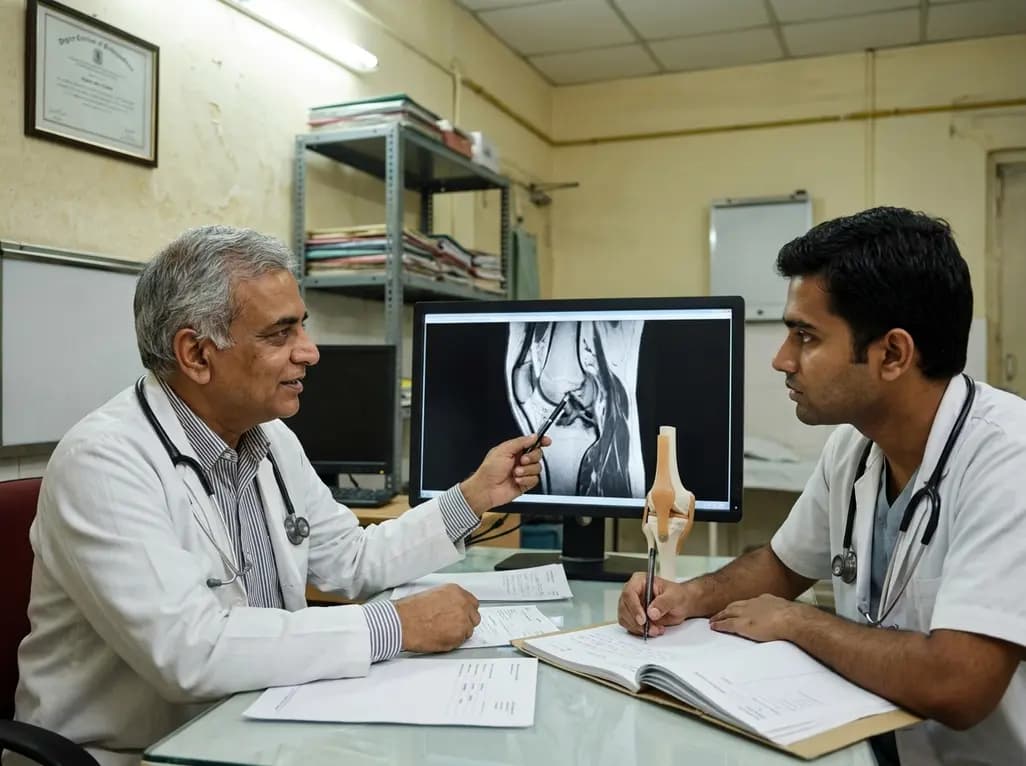
Anterior cruciate ligament reconstruction failure lacks uniform definition. A narrative review proposes an integrative framework incorporating objective and subjective instability, persistent pain, restricted motion, graft rupture, and secondary meniscal injury to standardize clinical reporting.
3 days back
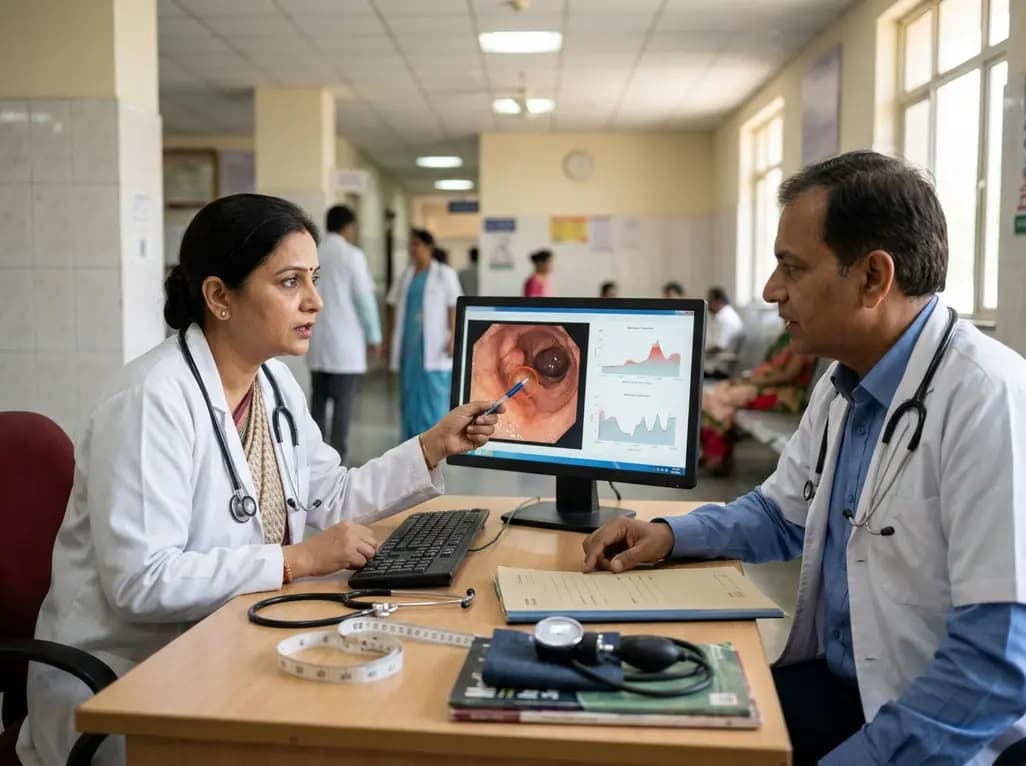
A UK Biobank study of 471,540 participants reveals that metabolic syndrome increases incident gastric cancer risk by 36% (HR=1.36). A positive trend was observed with accumulating metabolic components, with waist circumference showing the strongest association, highlighting modifiable risk targets.
4 days back
