.webp&w=384&q=75)

Loading, please wait...
Loading, please wait...
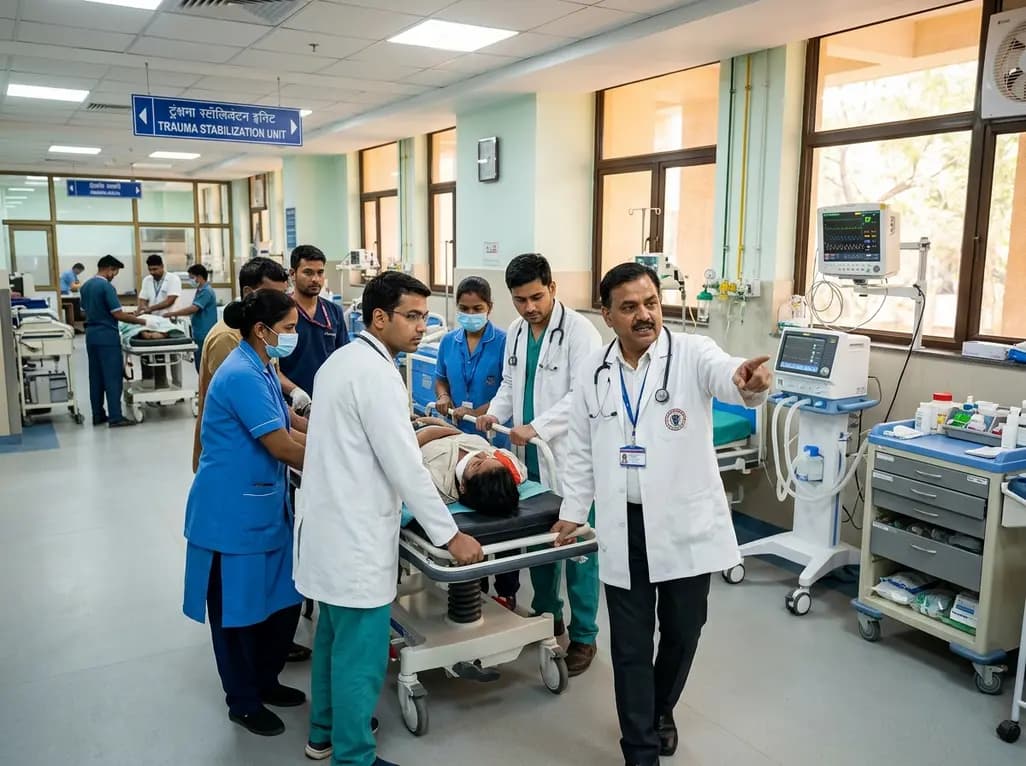
The Ministry of Health and Family Welfare has initiated an ambitious program to modernize emergency trauma care infrastructure across India. Following key policy directives outlined in the Union Budget 2026-27, the central government has identified 160 district hospitals for rapid intervention during Phase I. This initiative aims to expand national acute critical care capacity by 50 percent before March 2027. Consequently, secondary healthcare centers will transition into resilient, high-volume resuscitation hubs capable of managing polytrauma, mass casualties, and acute cardiovascular emergencies effectively.
Health authorities completed a rigorous nationwide gap analysis across secondary healthcare centers to assess compliance with Indian Public Health Standards. As a result, the government evaluated 613 district hospitals based on annual patient volume, geographic vulnerability, and infrastructure readiness. Planners subsequently created a systematic, three-tiered implementation roadmap to ensure seamless execution. Specifically, Phase I targets 160 high-priority hospitals for completion by March 2027. Following this stage, Phase II will upgrade 203 facilities, while Phase III encompasses the remaining 250 institutions.
Furthermore, district hospitals serve as the primary defensive barrier against preventable trauma mortality in rural and peri-urban populations. Most road traffic injuries and surgical emergencies require rapid intervention within the critical golden hour. Therefore, upgrading these facilities will significantly shorten transit delays and stabilize patients before secondary transfers become necessary. Additionally, the initiative guarantees dedicated resuscitation bays, advanced diagnostic radiology, and point-of-care emergency surgical theatres. Ultimately, this nationwide capital expansion will bridge historical disparities between tertiary urban medical institutes and rural secondary healthcare facilities.
To ensure transparent and time-bound project execution, the central government constituted three specialized administrative task forces. First, the infrastructure, drugs, diagnostics, and quality committee oversees physical revamps and procurement protocols. This body ensures that participating district hospitals maintain adequate stocks of essential emergency pharmaceuticals, blood components, and point-of-care ultrasound devices. Moreover, the committee strictly enforces clinical quality benchmarks across all upgraded resuscitation suites to prevent hospital-acquired complications.
Meanwhile, the second committee directs human resource recruitment, academic curriculum expansion, and clinical skilling. This division coordinates directly with state medical directorates to deploy qualified emergency physicians, trauma surgeons, and certified nursing officers. In addition, the third committee supervises digital health architecture and pre-hospital care integration. This team works to synchronize centralized ambulance dispatch algorithms with hospital triage desks. Consequently, emergency medical technicians can transmit real-time physiological telemetry to receiving trauma bays before arrival. Thus, modern digital integration enhances clinical preparedness and ensures rapid triage upon patient entry.
Modern clinical infrastructure requires a competent and multidisciplinary healthcare workforce to deliver optimal patient outcomes. Therefore, the Ministry of Health and Family Welfare partnered with the Ministry of Skill Development and Entrepreneurship to train 1.5 lakh multi-skilled caregivers. These structured training modules align directly with the National Skills Qualifications Framework to ensure standardized competency nationwide. Furthermore, active training modules already educate trainees in wellness protocols, assistive mobility devices, and preliminary emergency life support.
Additionally, the central government plans to induct 1 lakh allied healthcare professionals across 10 specialized disciplines over the next five years. Authorities are holding active consultations with private healthcare providers, academic institutions, and state regulators to explore public-private partnership models. Consequently, these allied specialists will manage clinical laboratory diagnostics, respiratory therapy, and emergency radiology suites. Therefore, expanding the paramedic and caregiver workforce creates a sustainable support system around trauma surgeons. Ultimately, this robust workforce pipeline will alleviate clinical burnout among duty medical officers in high-volume emergency wards.
In parallel with clinical infrastructure upgrades, the central government is advancing biomedical innovation through the Biopharma SHAKTI scheme. This strategic ₹500-crore initiative establishes a resilient hub-and-spoke clinical trial network comprising over 1,000 accredited study sites. Moreover, a dedicated central trial facilitation agency will supervise ethical clearances, data monitoring, and participant safety standards. Consequently, Indian researchers will conduct advanced clinical evaluations for novel biologics, biosimilars, and precision therapeutic formulations domestically.
Furthermore, the Central Drugs Standard Control Organization is undergoing structural modernization to expedite scientific regulatory evaluations. An expert oversight committee has designed a dedicated scientific review cadre to evaluate complex pharmaceutical dossiers swiftly. Meanwhile, the government is establishing five Regional Medical Hubs to expand medical value tourism across the country. These specialized hubs focus on five priority therapeutic domains, utilizing evidence-based integrative clinical treatment protocols. As a result, India continues to strengthen its international reputation as a leading destination for ethical clinical research and affordable specialized care.
Comprehensive trauma recovery extends beyond physical resuscitation to encompass acute neuropsychiatric stabilization. Therefore, the government is expanding national mental healthcare infrastructure to support tertiary and district networks. Under this initiative, authorities have approved the establishment of NIMHANS-II as a modern 1,000-bed apex neurobehavioral center in North India. Additionally, the Central Institute of Psychiatry in Ranchi and the LGB Regional Institute of Mental Health in Tezpur will undergo comprehensive infrastructure upgrades.
Moreover, the National Institute of Mental Health and Neurosciences in Bengaluru will mentor these upgraded regional apex institutions directly. This hierarchical academic mentorship ensures uniform clinical protocols, advanced neuroimaging standards, and robust postgraduate psychiatric training. Consequently, regional centers will deliver specialized crisis interventions and manage severe neurotrauma sequelae effectively. In addition, integrating psychiatric services into district trauma networks will provide essential psychological first aid to accident survivors. Ultimately, this holistic policy framework creates a resilient healthcare ecosystem across all clinical domains.
Q1: What is the primary objective of upgrading 160 district hospitals by March 2027?
The primary objective is to increase emergency trauma care and acute life-support capacity by 50 percent across targeted district hospitals. This national health initiative upgrades physical infrastructure, modernizes triage bays, and provides advanced resuscitation equipment. Consequently, secondary healthcare centers can treat polytrauma victims quickly within the critical golden hour, substantially lowering preventable mortality in rural and semi-urban communities.
Q2: How does the Biopharma SHAKTI initiative support clinical trials and research?
The Biopharma SHAKTI initiative provides ₹500 crore to construct an integrated hub-and-spoke clinical research network across India. This program develops over 1,000 accredited clinical trial facilities supported by advanced digital platforms and a central trial facilitation agency. Furthermore, it strengthens regulatory review mechanisms within the CDSCO, enabling rapid, ethical, and standardized domestic evaluation of novel biopharmaceutical agents.
Q3: How will the caregiver and allied health professional workforce be expanded?
The central government is currently training 1.5 lakh multi-skilled caregivers through comprehensive National Skills Qualifications Framework programs. Additionally, the health ministry plans to deploy 1 lakh allied healthcare professionals across 10 critical medical disciplines over the next five years. This dual workforce expansion utilizes public-private partnership models to support clinical diagnostic laboratories, respiratory therapy units, and district emergency wards.
Disclaimer: This content is for informational and educational purposes only. It does not constitute medical advice or replace professional judgment. Refer to the latest local and national guidelines for clinical practice.
References

Read summarized clinical updates, watch expert medical content, and earn CME certifications right from your smartphone.
Open your smartphone camera to scan and install.





The Ministry of Health has launched a comprehensive healthcare expansion to strengthen acute life-support infrastructure across 160 district hospitals by March 2027. The phased initiative upgrades clinical capacity, trains over 1.5 lakh caregivers, and reinforces regional mental health networks nationwide.
last month
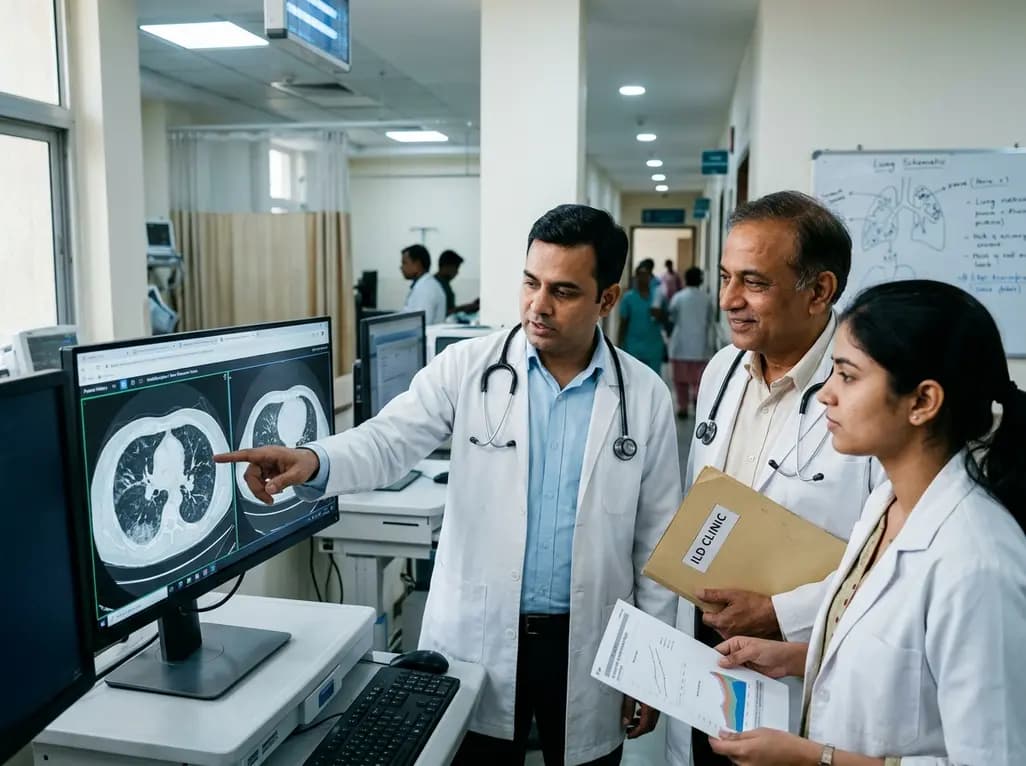
A nationwide English cohort study shows that interstitial lung diseases are no longer rare, with incidence jumping 30% and 200,000 active cases. This analysis highlights clinical implications for diagnosis, multi-disciplinary management, and global health priorities across respiratory and internal medicine.
Today
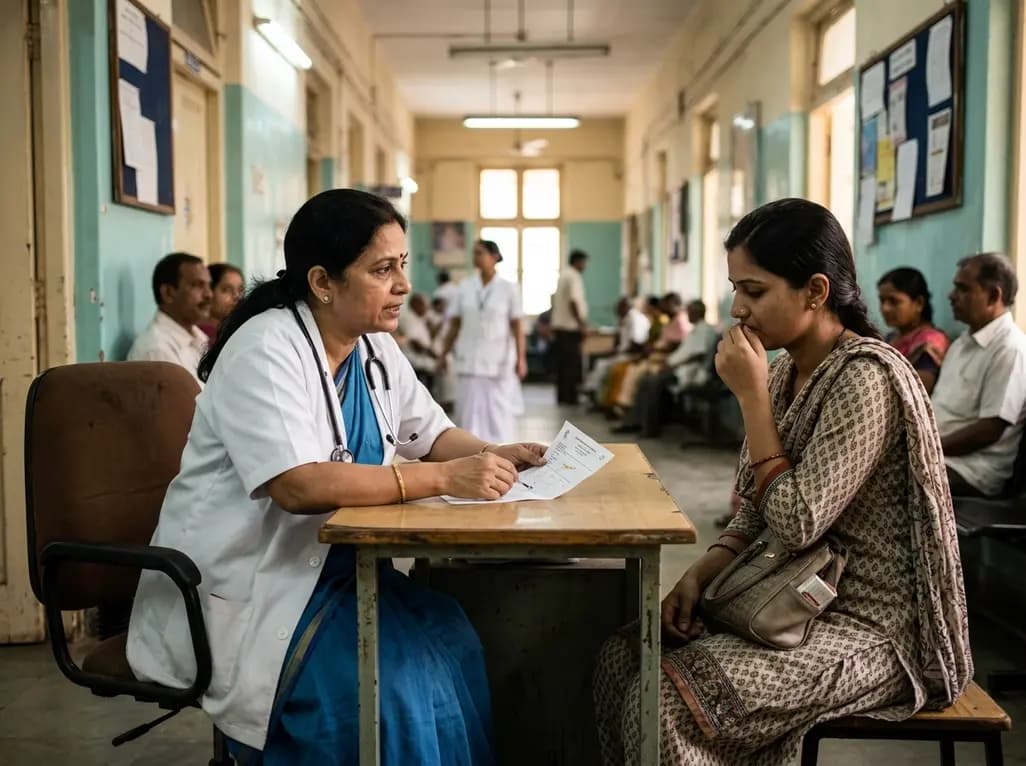
A nationwide South Korean study shows underreporting of smoking among women dropped from 57.4% to 36.4% between 2008 and 2021. However, over one-third of female smokers still conceal their habit, highlighting the critical role of cotinine verification in clinical risk assessment.
Today
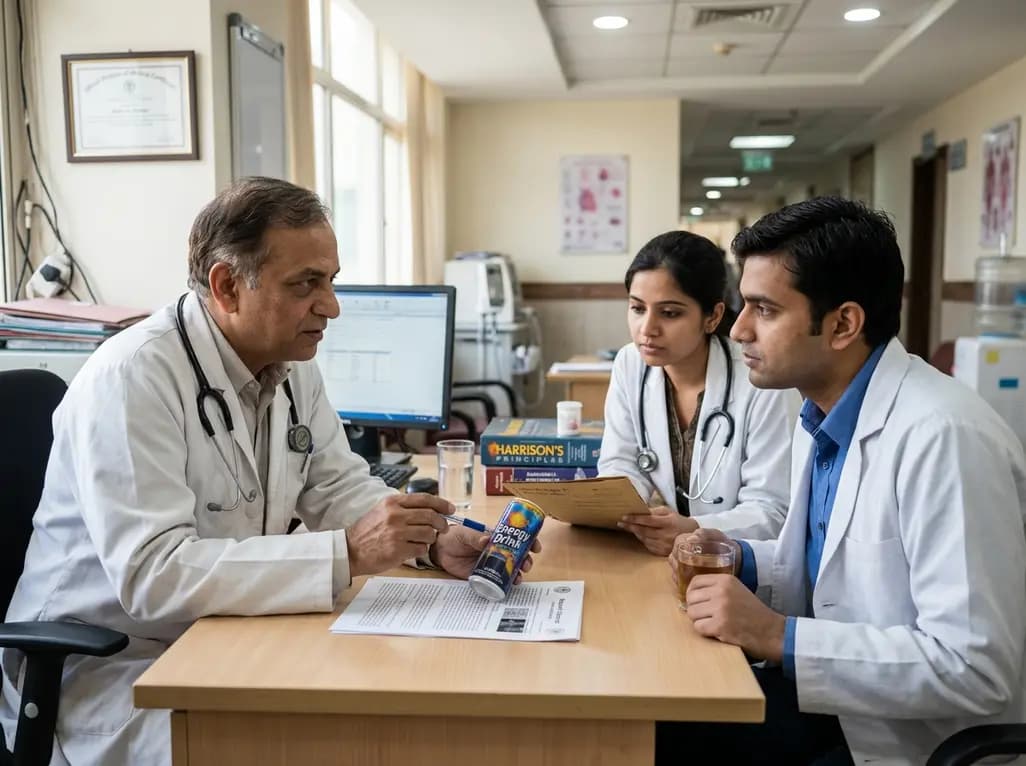
PepsiCo and Monster Beverage have challenged the FSSAI ban on the energy drink label in Indian courts. While companies highlight supply disruptions, regulatory actions spotlight severe cardiovascular and metabolic risks associated with excessive caffeine, sugar, and taurine consumption, especially in adolescents.
Today
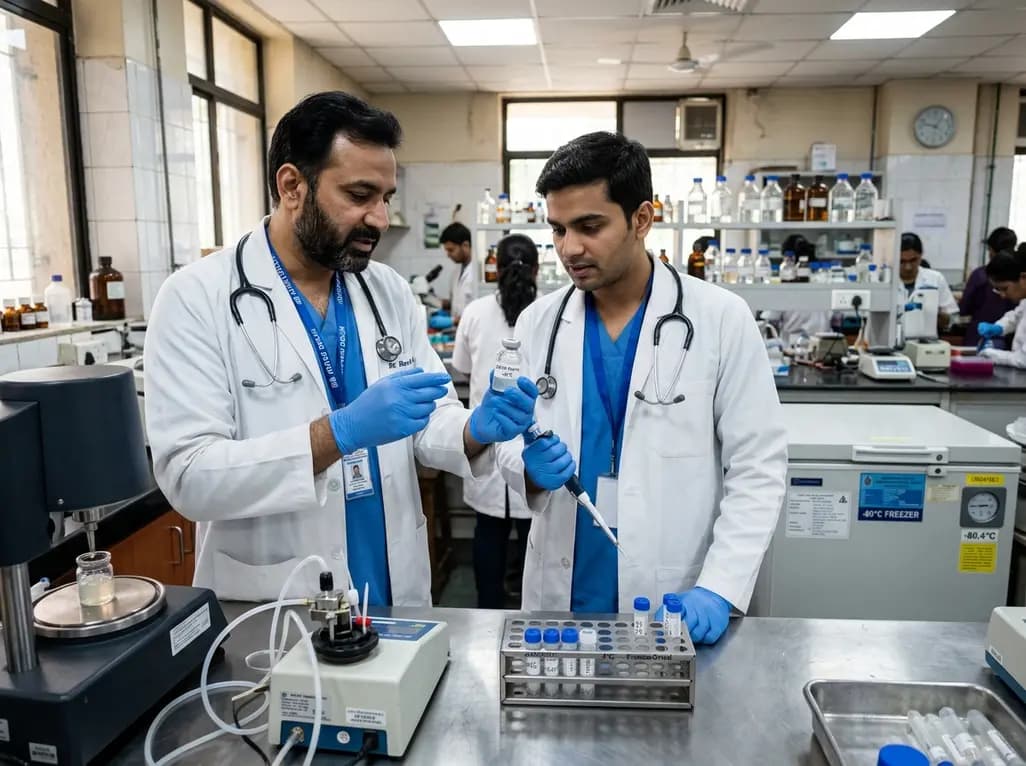
A new study evaluates the rheological stability of decellularized peripheral nerve matrix hydrogels under varied storage conditions. Findings show -80°C storage and freeze-drying preserve gelation kinetics and mechanical stiffness, offering key insights for shipping and translational clinical applications.
Today
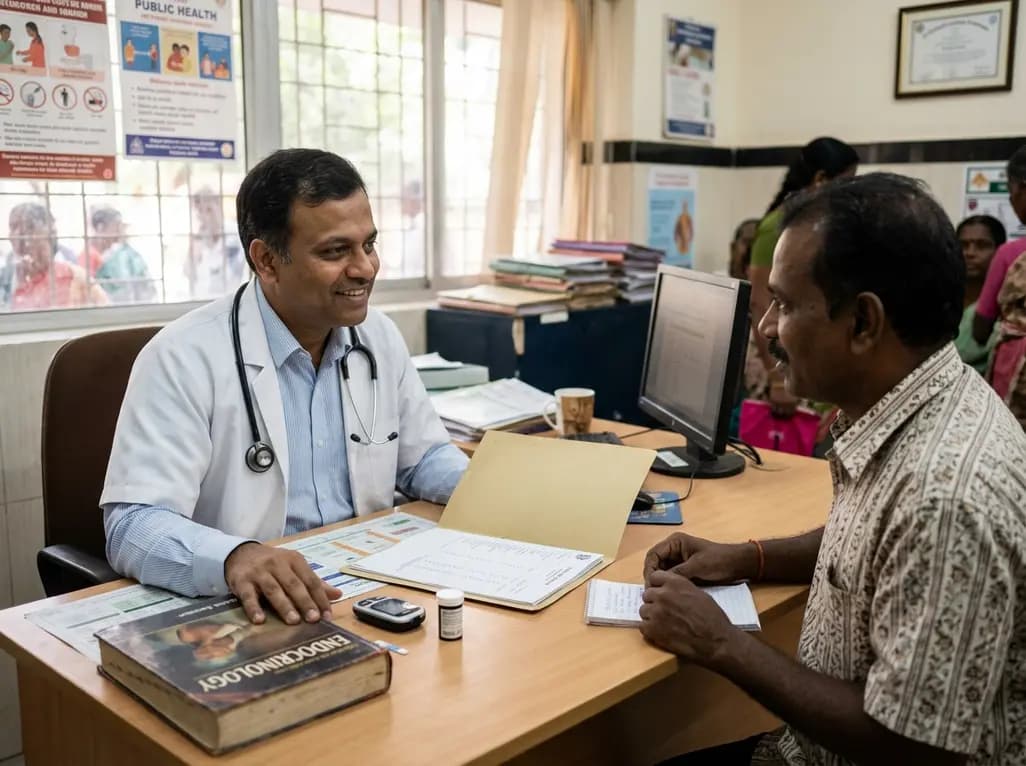
A Bayesian multilevel meta-analysis reveals that aerobic training combined with moderate carbohydrate restriction modestly lowers HbA1c in type 2 diabetes. However, sparse data and very low certainty leave incremental benefits over exercise or diet alone unproven, highlighting the need for individualized care.
Yesterday
