.webp&w=384&q=75)

Loading, please wait...
Loading, please wait...





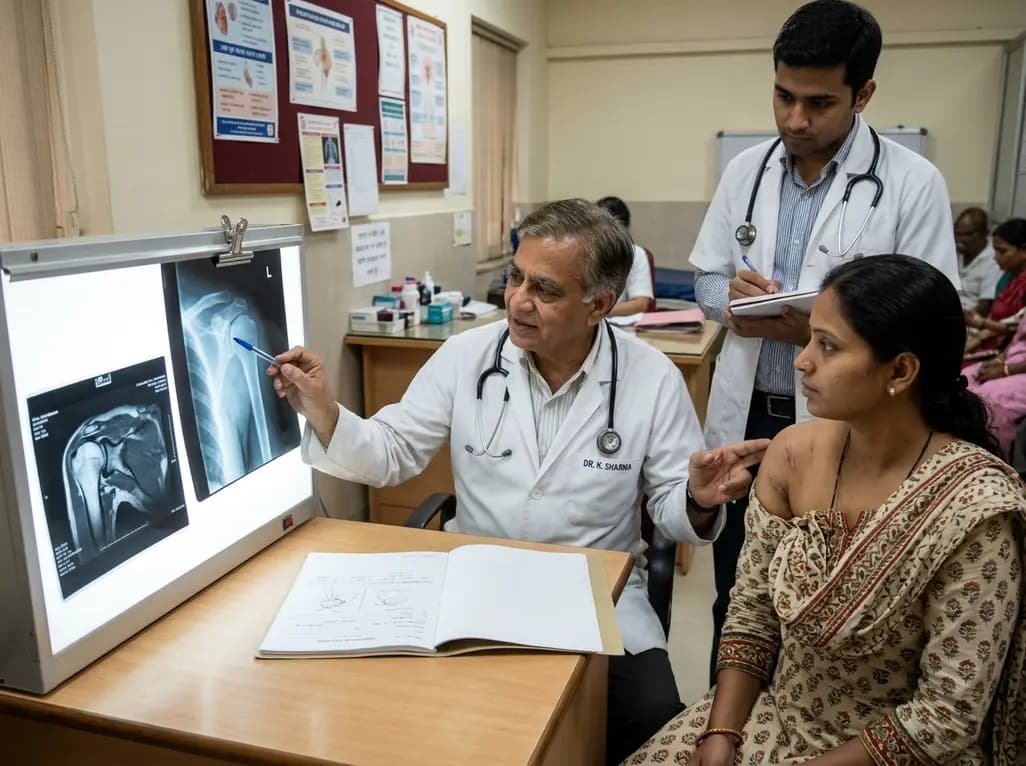
This comparative study evaluates posterior labral tears with and without glenohumeral instability, highlighting distinct demographic patterns, MRI underestimation in stable shoulders, and successful arthroscopic repair outcomes.
A 10-year follow-up study reveals that primary semi-constrained total elbow arthroplasty provides reliable pain relief and functional restoration with a 92.8% ten-year implant survival rate, though periprosthetic infection, bushing wear, and reoperations require proactive clinical management.
A secondary analysis of a randomized controlled trial using deep learning models shows that diluted epinephrine irrigation achieves superior visual clarity and requires lower pump pressure compared to intravenous tranexamic acid during arthroscopic rotator cuff repair, with equivalent safety profiles.
A pilot case-control study reveals that severe preoperative functional impairment, rather than tear size, predicts graft retear following arthroscopic superior capsule reconstruction using a biceps autograft. Despite structural failures, patients achieved equivalent functional gains exceeding clinical thresholds.
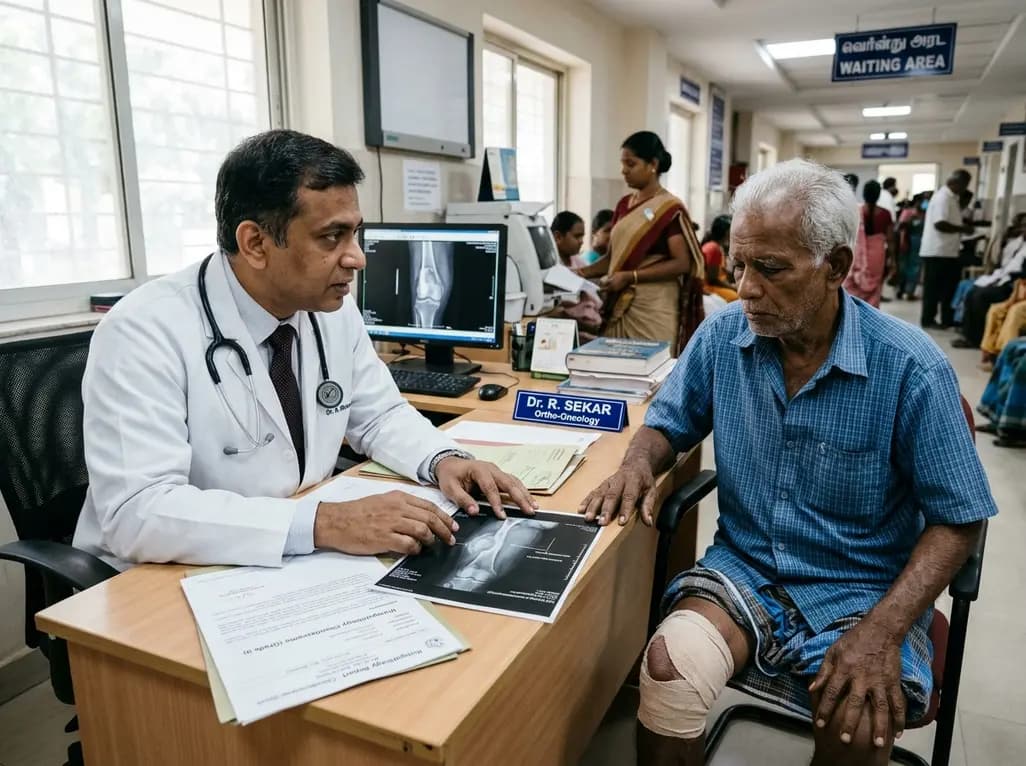
A recent single-institution analysis identifies advanced patient age and progressive systemic disease as primary negative prognostic factors for five-year survival in chondrosarcoma, underscoring the urgent necessity of precise risk stratification, clear surgical margins, and dedicated oncologic follow-up.