.webp&w=384&q=75)

Loading, please wait...
Loading, please wait...
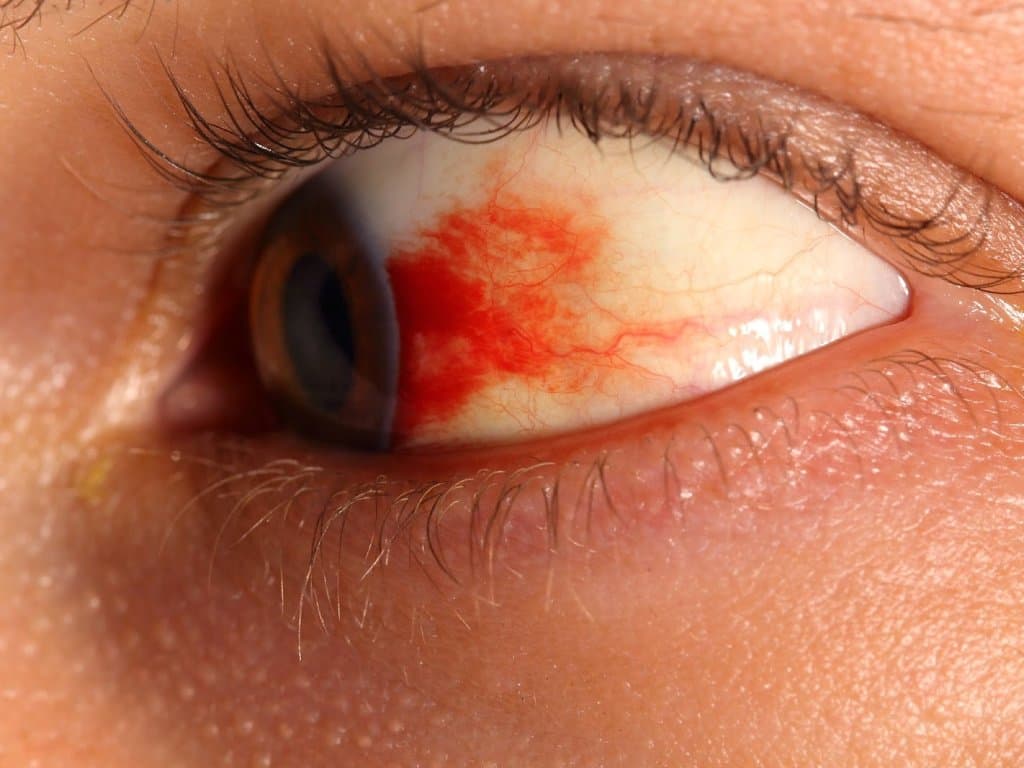
Researchers developed and validated a risk nomogram for predicting diabetic retinopathy (DR) in type 2 diabetes (T2D) patients. Using data from 2,585 patients, key predictors like glycated hemoglobin A1c, serum urea, and diabetes duration were identified. The nomogram demonstrated good discriminatory power. The model shows promise for early intervention, though further external validation is needed.

Read summarized clinical updates, watch expert medical content, and earn CME certifications right from your smartphone.
Open your smartphone camera to scan and install.





Researchers developed and validated a risk nomogram for predicting diabetic retinopathy (DR) in type 2 diabetes (T2D) patients. Using data from 2,585 patients, key predictors like glycated hemoglobin A1c, serum urea, and diabetes duration were identified. The nomogram demonstrated good discriminatory power. The model shows promise for early intervention, though further external validation is needed.
last year

While antiretroviral therapy has extended life expectancy for people living with HIV, quality of life remains a challenge. This article explores how structural determinants like policy, law, and stigma influence health outcomes, moving the focus from purely clinical metrics to a more holistic patient-centered approach.
5 days back

A comprehensive analysis of the NFHS-5 data regarding postpartum anemia in India, exploring the prevalence, severity, and the socioeconomic and regional factors contributing to this public health challenge for clinicians seeking to improve maternal health outcomes.
5 days back

A study in Greece reveals that 46-80% of heatwave deaths are linked to climate change. This analysis explores the implications for public health and clinical practice, particularly for elderly and vulnerable populations facing rising global temperatures in regions like India.
Last week
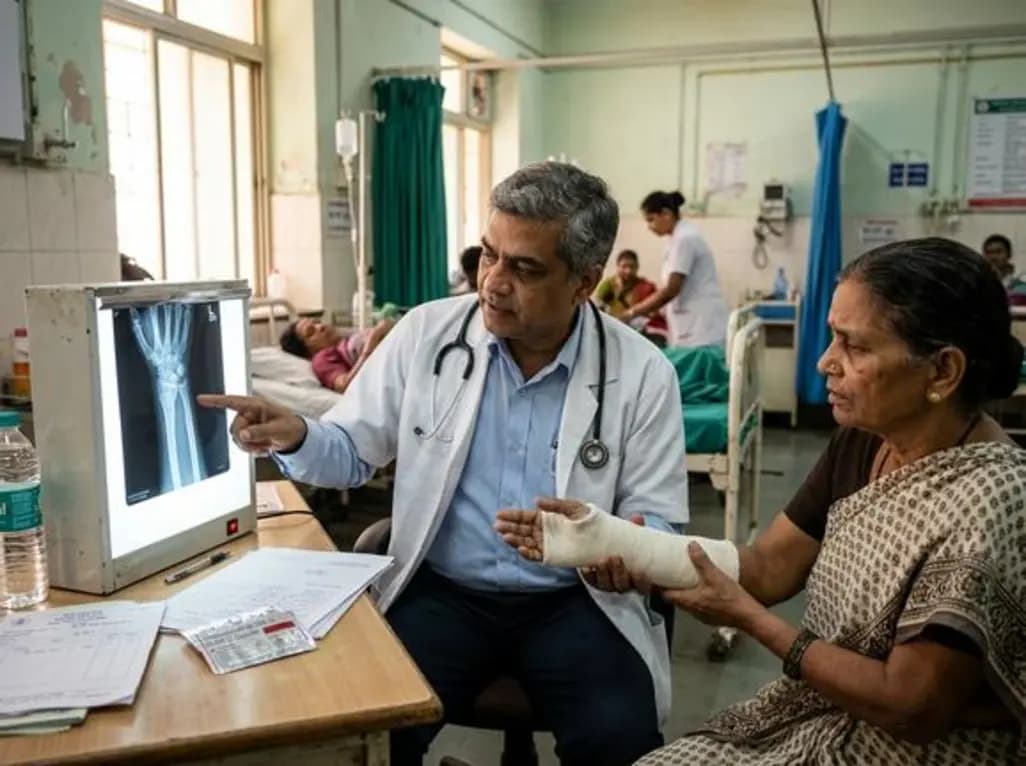
Nearly 80% of Indians suffer from inadequate Vitamin D, causing silent bone weakening and sudden fractures. This expert guide reviews why mega-dose therapy is critical for high-risk patients, the key factors driving widespread deficiency, and the mandatory medical evaluations needed to protect skeletal health.
last month

Hungary has successfully eliminated iodine deficiency through mandatory iodized salt use in public catering and consistent pediatric monitoring. This breakthrough highlights the importance of regulatory measures and the long-term impact of early-life iodine status on cognitive and thyroid health.
3 weeks back
