.webp&w=384&q=75)

Loading, please wait...
Loading, please wait...

Recent clinical evidence highlights a significant relationship between Vitamin D and WMH in patients with cerebral small vessel disease (CSVD). Researchers observed that lower serum 25(OH)D levels often correspond with increased severity of white matter hyperintensities. This discovery is particularly vital for clinicians in India, where Vitamin D deficiency remains an epidemic-level concern. Furthermore, these imaging markers directly influence mobility and balance in the aging population.
The study analyzed 217 patients with WMH and compared them against a control group of 52 healthy individuals. Participants were categorized into deficiency, insufficiency, and sufficiency groups based on their Vitamin D status. Notably, the researchers identified a strong negative correlation between serum 25(OH)D levels and the severity of periventricular white matter hyperintensities (PWMH). However, the association with deep white matter hyperintensities (DWMH) appeared less pronounced. Consequently, maintaining adequate Vitamin D might offer neuroprotective benefits for the brain's periventricular regions.
Gait impairment is a hallmark symptom of progressing CSVD. Specifically, the research demonstrated that patients with lower Vitamin D levels suffered from reduced gait speed and shorter stride lengths. These deficits were evident during both regular walking and more complex cognitive-task walking. Moreover, the severity of WMH acted as a mediator between nutritional status and physical performance. Therefore, screening for Vitamin D levels should become a routine part of managing elderly patients with mobility issues.
Additionally, the prevalence of Vitamin D deficiency in India often exceeds 70% in many regions. Because this deficiency is so widespread, Indian neurologists must consider its impact on subcortical health. Interestingly, the study suggests that Vitamin D helps preserve the integrity of white matter tracts responsible for motor coordination. Thus, early intervention through supplementation could potentially slow the progression of gait disorders in CSVD patients.
Vitamin D acts as a neuroprotective agent by reducing inflammation and oxidative stress within the brain. Adequate levels help maintain the structural integrity of the white matter, potentially preventing the formation of hyperintensities seen on MRI.
Yes, research shows that periventricular white matter hyperintensities (PWMH) are more strongly associated with low serum 25(OH)D levels than deep white matter hyperintensities (DWMH).
While the correlation exists, supplements are most effective at preventing further decline. They help maintain gait speed and stride length by preserving the neurological pathways required for coordination.
Disclaimer: This content is for informational and educational purposes only. It does not constitute professional medical advice, diagnosis, or treatment. Always seek the advice of your physician or other qualified healthcare provider with any questions you may have regarding a medical condition. Refer to the latest local and national guidelines for clinical practice.
References

Read summarized clinical updates, watch expert medical content, and earn CME certifications right from your smartphone.
Open your smartphone camera to scan and install.





Study reveals a negative correlation between serum 25(OH)D levels, white matter hyperintensities (WMH), and gait speed in cerebral small vessel disease pati...
4 months ago

Dendritic cells bridge innate and adaptive immunity in myocardial infarction. This review explores their pathological roles, circulating dynamics, novel tolerogenic interventions, and how standard cardiovascular medications modulate dendritic cells to improve post-infarction myocardial repair and patient outcomes.
Today

A premature neonate developed upper limb compartment syndrome after uterine rupture extruded the arm through a scar defect. Conservative management with continuous monitoring yielded complete functional recovery and normal limb growth at 10-year follow-up, highlighting non-operative safety in selected cases.
Today
Atherosclerosis involves extensive glycometabolic reprogramming across immune and vascular cells. This review examines how glycolysis, the pentose phosphate pathway, and lactate-driven epigenetic shifts fuel plaque vulnerability, while highlighting novel therapeutic targets like PFKFB3 and LDHA.
Today
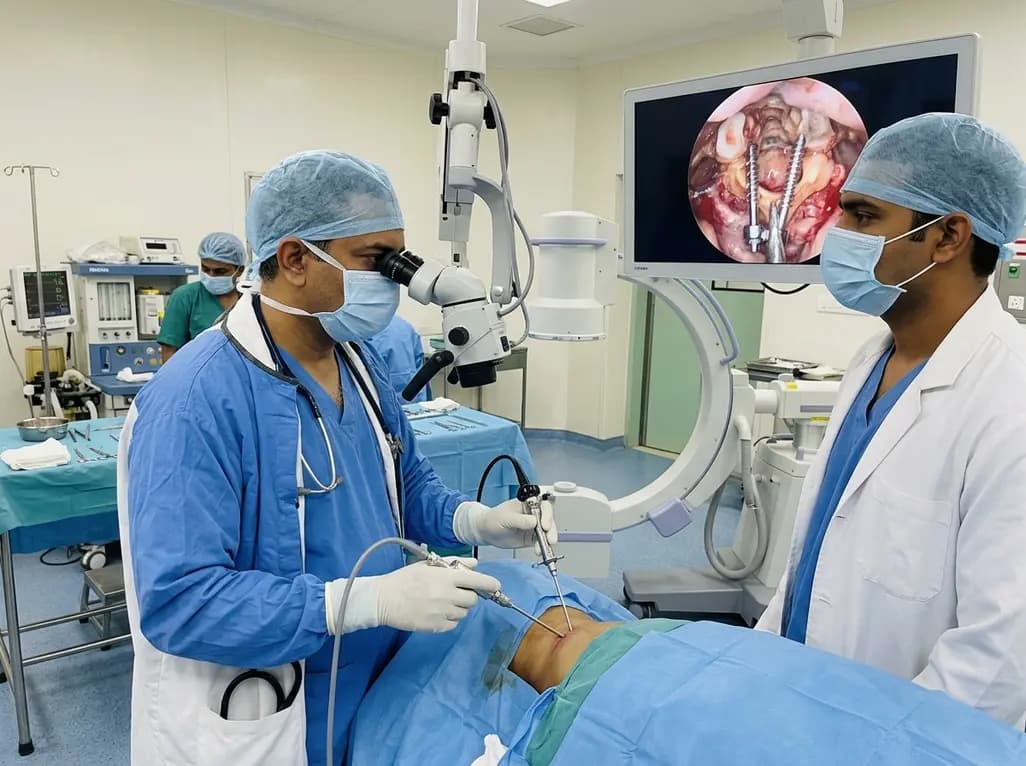
Endoscopic posterior cervical fusion combines minimally invasive decompression, joint preparation, and rigid screw-rod fixation for atlantoaxial pathologies. Early clinical findings demonstrate solid bony union, excellent symptom relief, and minimal soft-tissue morbidity without significant vascular compromise.
Yesterday
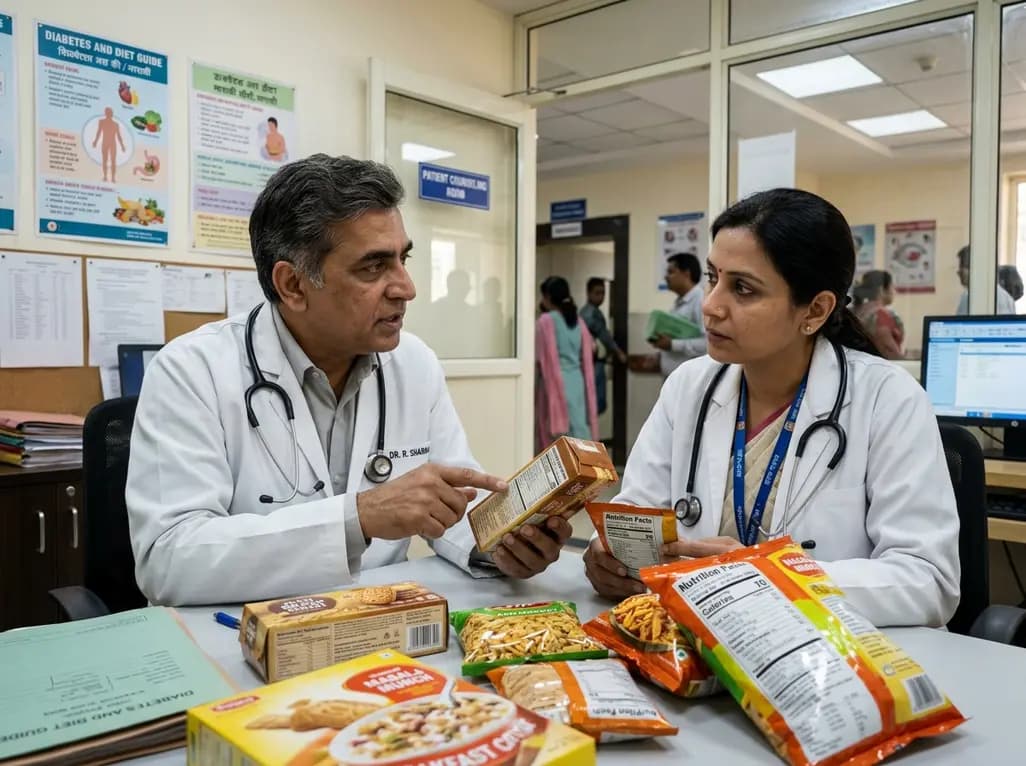
The All-India Food Processors' Association has approached the Supreme Court to oppose FSSAI's proposed per-100g benchmark for front-of-pack warning labels, advocating instead for a per-serving threshold. We explore the regulatory showdown, nutritional evidence, and implications for clinical lifestyle counseling.
Today
