.webp&w=384&q=75)

Loading, please wait...
Loading, please wait...

Researchers recently introduced veloAgent to advance our understanding of tissue organization and developmental biology. This innovative framework utilizes spatially-informed RNA velocity to estimate transcriptional kinetics with high accuracy. By integrating molecular data with spatial cues, the tool provides a more complete picture of how cells transition between states within their local microenvironments. This approach bridges the gap between static gene expression snapshots and dynamic cellular processes.
Current methods for analyzing single-cell transcriptomics often struggle with large-scale data. Moreover, they frequently overlook the critical role of spatial context. VeloAgent addresses these issues by using agent-based simulations. This strategy ensures that the model considers how a cell's physical location influences its gene expression and future state. Consequently, the framework produces more biologically relevant results than traditional models that ignore spatial arrangement.
One of the most powerful features of veloAgent is its in silico perturbation module. Specifically, this module allows scientists to manipulate velocity vectors within a digital model. Researchers can therefore predict how targeted interventions might alter cell fate dynamics. This capability is vital for oncology, as it helps map the complex interactions within the tumor microenvironment. Furthermore, it offers a scalable way to test therapeutic hypotheses before moving to expensive laboratory experiments.
In addition to its predictive power, veloAgent achieves sublinear memory scaling. This efficiency enables the analysis of massive, multi-batch spatial datasets that were previously too large to process. Because it manages resources effectively, it serves as a versatile solution for researchers across diverse biological fields. By combining deep generative modeling with spatial awareness, veloAgent provides a robust roadmap for steering cellular dynamics toward desired outcomes.
VeloAgent integrates local microenvironment cues through agent-based simulations. This allows the model to account for spatial constraints that influence gene expression, leading to more precise inferences of cell state transitions.
This module enables researchers to digitally manipulate spatial velocity vectors. By doing so, they can simulate how specific regulatory changes or drugs might impact the direction of cell development and final cell fate.
Yes. The framework uses sublinear memory scaling, which allows it to process large-scale, multi-batch spatial datasets efficiently without requiring excessive computational resources.
Disclaimer: This content is for informational and educational purposes only. It is not a substitute for professional medical advice, diagnosis, or treatment. Always seek the advice of your physician or other qualified health provider with any questions you may have regarding a medical condition. Refer to the latest local and national guidelines for clinical practice.
References
Raghavan V et al. Dissecting and steering cell dynamics using spatially-informed RNA velocity with veloAgent. Mol Syst Biol. 2026 May 06. doi: 10.1038/s44320-026-00213-w. PMID: 42092184.
Yoon B et al. spVelo: RNA velocity inference for multi-batch spatial transcriptomics data. bioRxiv. 2025 Mar 11. doi: 10.1101/2025.03.11.641523.
"
Read summarized clinical updates, watch expert medical content, and earn CME certifications right from your smartphone.
Open your smartphone camera to scan and install.





veloAgent integrates spatial context with RNA velocity to provide scalable, accurate insights into cellular dynamics and predictive fate modeling....
5 months ago

Following regulatory scrutiny from FSSAI regarding promotional representations and lean muscle preservation claims, Dr. Reddy's Laboratories and Nestlé Health Science are currently reviewing the branding and marketing strategy for their joint nutritional supplement Celevida GLP+.
Today
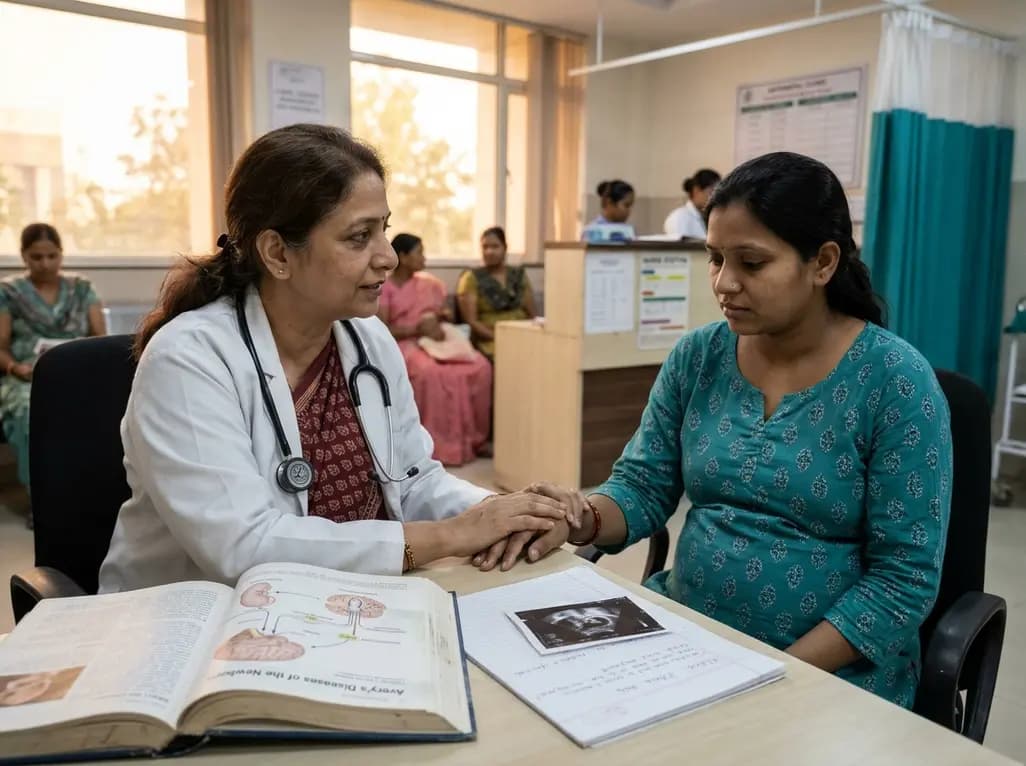
A comprehensive scoping review synthesises evidence linking prenatal maternal mental health to long-term offspring neurodevelopment, evaluating neuroendocrine, inflammatory, and epigenetic pathways while highlighting clinical screening and future research priorities.
Today

The Directorate General of Health Services directs Indian states to halt the hazardous reuse and reprocessing of single-use medical devices. Discover regulatory implications under the Drugs and Cosmetics Act, critical infection risks, legal liabilities, and operational changes required across clinical specialties.
Today
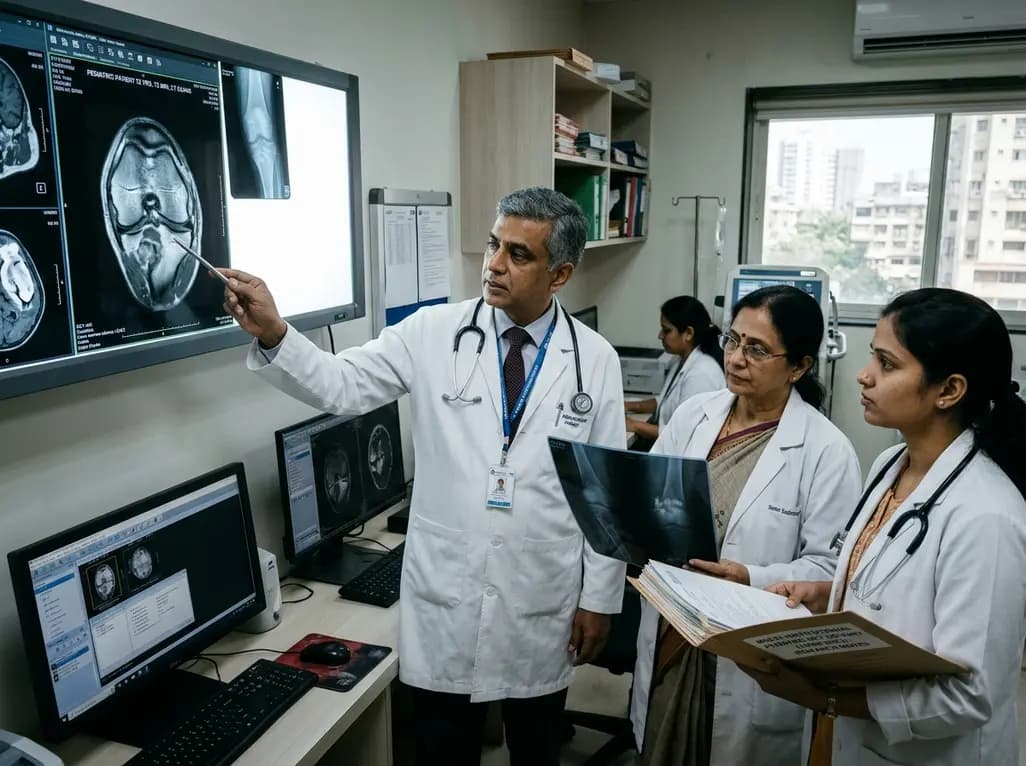
A 25-year multi-institutional cohort reveals high recurrence rates in pediatric giant cell tumor of bone, particularly in patients with open physes and bone marrow edema on preoperative MRI. Early surveillance and careful balance between growth plate preservation and tumor clearance are essential.
Today

India is advancing preventive healthcare by integrating genomics, artificial intelligence, and quantum technologies. With the SANGAM programme sequencing one million Indian genomes, clinicians can unlock personalized therapies, detect cardiometabolic risks early, and curb the burden of diabetes and heart disease.
Today
