.webp&w=384&q=75)

Loading, please wait...
Loading, please wait...

Building robust trust in vaccination campaigns remains a cornerstone of successful public health in India. A recent comparative study examined the legacy of the polio eradication drive alongside modern COVID-19 vaccination efforts. This research specifically analyzed four critical trust dimensions: safety, transparency, competence, and accessibility. By surveying respondents across North India, researchers identified significant differences in how urban and rural populations perceive these initiatives. The findings highlight that trust acts as a vital behavioral catalyst for vaccine acceptance.
The polio campaign achieved remarkable success through sustained interpersonal engagement. Health workers built strong relationships within local communities over several decades. In contrast, the COVID-19 campaign relied heavily on digital platforms for its rollout. While efficient, this digital-first approach faced unique trust-building hurdles. Highly educated individuals and rural residents often expressed more skepticism toward these digital messages. Consequently, many people felt a disconnect between the official digital narrative and their local realities.
Moreover, successful outreach requires tailored communication strategies that respect demographic diversity. Additionally, one size does not fit all in a country as complex as India. The study suggests that health marketing must bridge the gap between digital convenience and human connection. Furthermore, transparency regarding vaccine safety is paramount for long-term success. Similarly, when authorities provide clear and accessible data, public perceptions of competence improve significantly. Therefore, leveraging both local influencers and digital tools can strengthen future public health engagement.
The polio campaign focused on long-term, face-to-face interactions within communities. This interpersonal approach created deep-rooted trust over several years. COVID-19 drives used digital tools which reached many people quickly but sometimes lacked the personal touch required to overcome deep-seated hesitancy.
Highly educated individuals often sought information from diverse and sometimes conflicting online sources. This led to increased scrutiny regarding digital transparency and competence. Consequently, the top-down digital communication style sometimes failed to address their specific technical concerns effectively.
Disclaimer: This content is for informational and educational purposes only and does not constitute medical advice or a professional recommendation. Refer to the latest local and national guidelines for clinical practice.
References
Teeli AA et al. Trust in public health campaigns: A comparative analysis of India's polio and COVID-19 vaccination drives. Health Mark Q. 2026 Mar 15. doi: 10.1080/07359683.2026.2639254. PMID: 41832610.
Gurnani V, et al. Strengthening health systems for universal health coverage in India. Indian J Med Res. 2018;147(5):433-435.
Singh S, et al. Examining the Effect of Social Media Communication on COVID-19 Vaccination Intentions: The Mediating Role of Interpersonal Communication and Risk Perception. JMIR Public Health Surveill. 2022;8(3):e34516.

Read summarized clinical updates, watch expert medical content, and earn CME certifications right from your smartphone.
Open your smartphone camera to scan and install.





Comparison of India's polio and COVID-19 drives shows that interpersonal engagement builds higher trust than purely digital strategies among rural populatio...
7 months ago

Following regulatory scrutiny from FSSAI regarding promotional representations and lean muscle preservation claims, Dr. Reddy's Laboratories and Nestlé Health Science are currently reviewing the branding and marketing strategy for their joint nutritional supplement Celevida GLP+.
Today
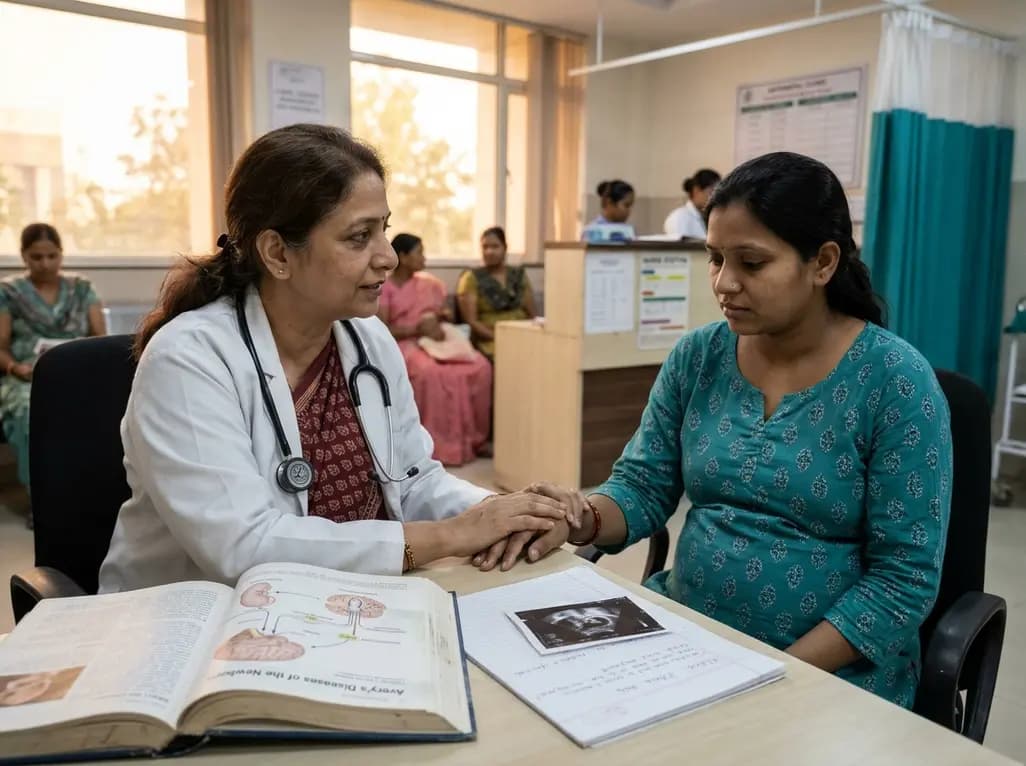
A comprehensive scoping review synthesises evidence linking prenatal maternal mental health to long-term offspring neurodevelopment, evaluating neuroendocrine, inflammatory, and epigenetic pathways while highlighting clinical screening and future research priorities.
Today

The Directorate General of Health Services directs Indian states to halt the hazardous reuse and reprocessing of single-use medical devices. Discover regulatory implications under the Drugs and Cosmetics Act, critical infection risks, legal liabilities, and operational changes required across clinical specialties.
Today
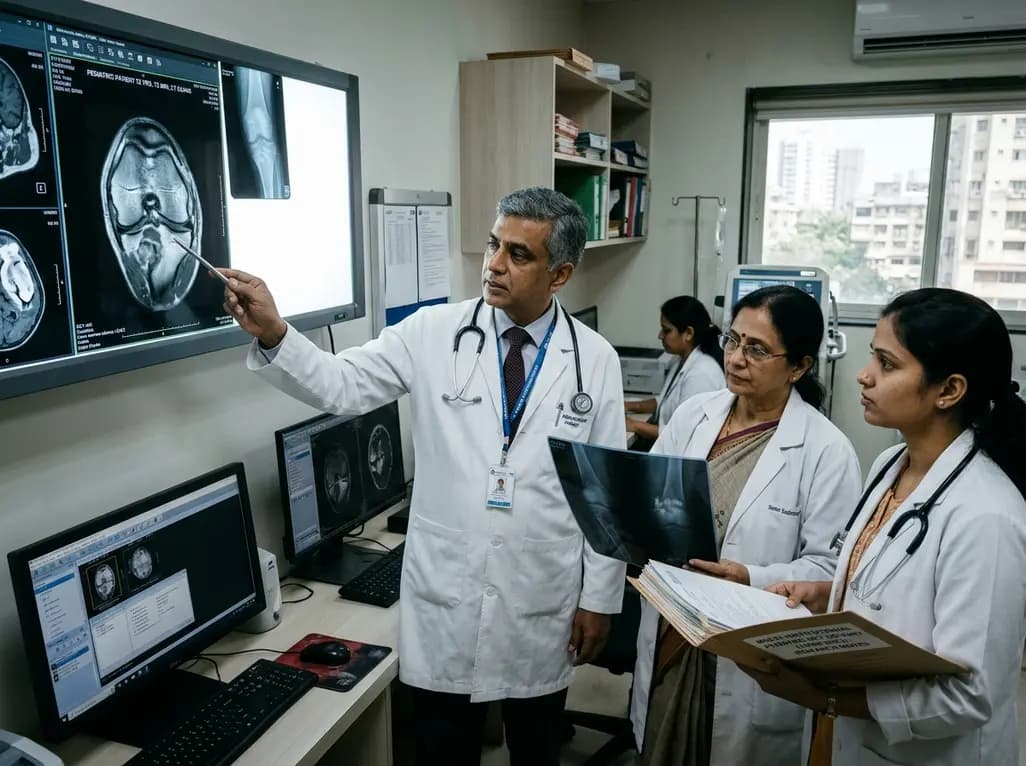
A 25-year multi-institutional cohort reveals high recurrence rates in pediatric giant cell tumor of bone, particularly in patients with open physes and bone marrow edema on preoperative MRI. Early surveillance and careful balance between growth plate preservation and tumor clearance are essential.
Today

India is advancing preventive healthcare by integrating genomics, artificial intelligence, and quantum technologies. With the SANGAM programme sequencing one million Indian genomes, clinicians can unlock personalized therapies, detect cardiometabolic risks early, and curb the burden of diabetes and heart disease.
Today
