.webp&w=384&q=75)

Loading, please wait...
Loading, please wait...

A recent study at Mayo Clinic analyzed the utilization rates and experiences regarding transgender fertility preservation among gender-diverse adults. The researchers observed that only 6.62% of patients at the Transgender and Intersex Specialty Care Clinic (TISCC) utilized these services. This finding highlights a significant gap between the desire for biological children and the actual pursuit of preservation options. Consequently, clinicians must improve the way they initiate these critical discussions before starting gender-affirming medical treatments.
The retrospective cohort study included 589 patients with a median age of 28 years. Although many individuals express an interest in future biological parenthood, actual completion of preservation remains low. Specifically, patients with testes were more likely to choose sperm cryopreservation compared to those with ovaries opting for oocyte or embryo freezing. This disparity often stems from the less invasive nature and lower costs associated with sperm banking. Furthermore, the study noted that a small portion of patients completed their preservation at other institutions before seeking specialized gender care.
Patients face numerous challenges when navigating reproductive health options. Financial constraints and a lack of insurance coverage are the most prominent hurdles. In addition to economic factors, many individuals report experiencing discrimination or a lack of understanding from healthcare providers. These psychosocial barriers make it difficult to discuss family planning openly. Moreover, the pressure of making permanent reproductive decisions at a young age often adds to the psychological burden for TGD individuals.
The qualitative phase of the research revealed that the desire for biological children remains a powerful motivator. However, many participants had to plan their gender-affirming care around their fertility goals, sometimes delaying transition. Addressing these issues requires a more inclusive healthcare environment and structured counseling protocols. Thus, increasing the affordability and accessibility of these services is essential for equitable care.
Utilization is low due to a combination of high costs, lack of insurance coverage, and the invasiveness of certain procedures. Additionally, societal stigma and a lack of specialized provider knowledge can discourage patients from seeking these services.
Clinicians should ideally initiate conversations about fertility preservation before the start of any gender-affirming hormone therapy or surgical interventions. This allows patients to make informed decisions before their reproductive potential is potentially affected.
Yes. Transgender women or non-binary individuals with testes typically utilize sperm cryopreservation. Transgender men or individuals with ovaries may pursue oocyte, embryo, or ovarian tissue cryopreservation, though these methods are often more expensive and invasive.
Disclaimer: This content is for informational and educational purposes only and does not constitute medical advice. It is not intended to be a substitute for professional medical advice, diagnosis, or treatment. Always seek the advice of your physician or other qualified health provider with any questions you may have regarding a medical condition. Refer to the latest local and national guidelines for clinical practice.
References
Dsouza KN et al. Fertility preservation trends, perspectives, and reflections in gender diverse adults across the life course. Hum Reprod. 2026 Apr 26. doi: undefined. PMID: 42035457.
T'Sjoen G, et al. Fertility Preservation in Transgender Persons: An Update. Nature Reviews Endocrinology. 2022.
Indian Council of Medical Research (ICMR). Assisted Reproductive Technology (Regulation) Act, 2021.

Read summarized clinical updates, watch expert medical content, and earn CME certifications right from your smartphone.
Open your smartphone camera to scan and install.





A study at Mayo Clinic found a 6.62% fertility preservation utilization rate among transgender patients, highlighting significant financial and social barri...
4 months ago
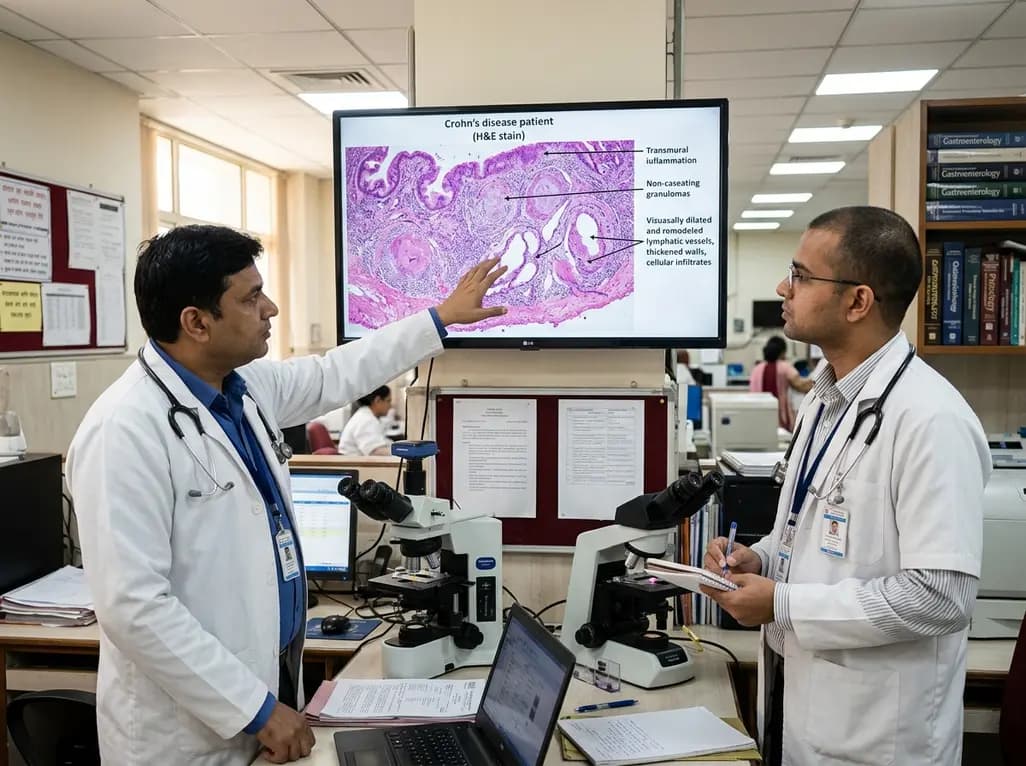
Intestinal lymphatic dysfunction is re-emerging as a fundamental driver of Crohn's disease pathogenesis. Explore how structural remodeling, lymphangitis, and defective clearance shape transmural inflammation and offer novel therapeutic targets.
Today

A school-based intervention using the Health Action Process Approach (HAPA) significantly enhanced adolescents' perceived benefits of consulting healthcare providers and promoted proactive menstrual health behaviors, offering key clinical insights for managing adolescent dysmenorrhea and endometriosis.
Today

A comprehensive analysis of the Translational Maturity Framework for nanomedicine-device combination products, evaluating regulatory complexity, manufacturing hurdles, and clinical readiness across oncology, cardiology, and orthopedics.
Today

A cross-sectional study reveals that sarcopenic obesity independently increases functional impairment and severe disc degeneration in patients with degenerative lumbar spinal stenosis, highlighting the need for body composition assessment.
Today
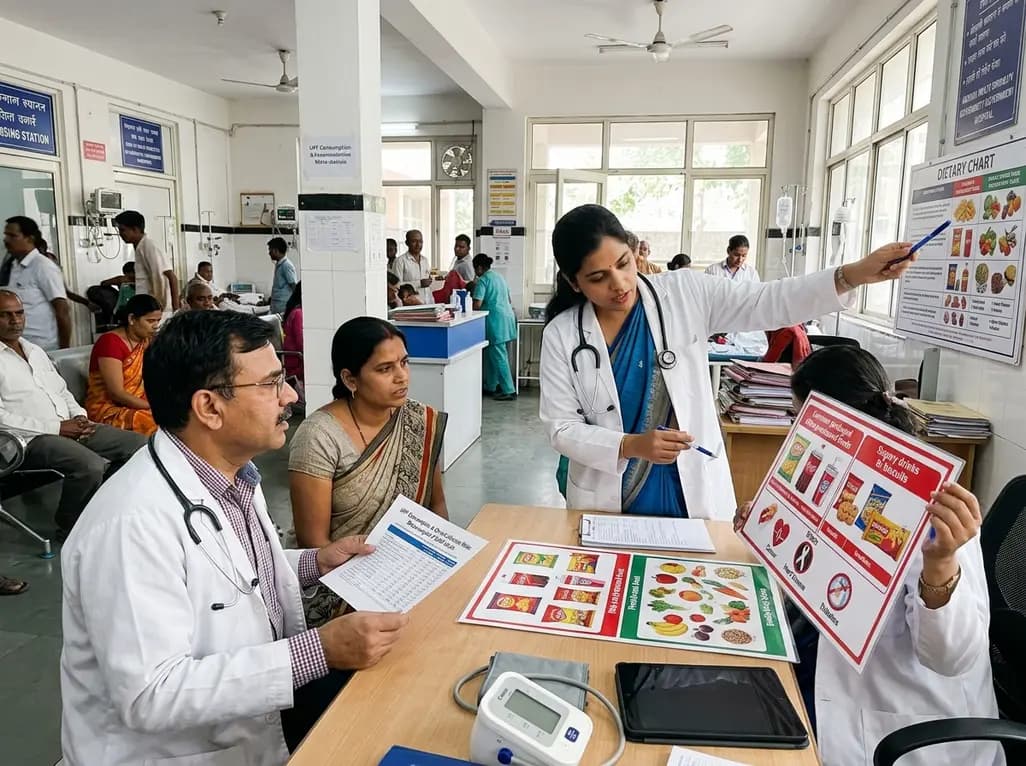
A landmark dose-response meta-analysis of 8.8 million adults reveals that high ultra-processed food intake significantly elevates risks for cardiovascular disease, cancer, diabetes, depression, and all-cause mortality, highlighting urgent needs for clinical lifestyle interventions.
Today
