.webp&w=384&q=75)

Loading, please wait...
Loading, please wait...

Iron deficiency anemia (IDA) is the most widespread nutritional disorder among children and adolescents globally. In India, recent NFHS-5 data highlights a concerning 67% prevalence of anemia in children under five years of age. While iron depletion is the primary driver, clinical evidence suggests that the pathophysiology involves a complex dysregulation of other minerals. Understanding the role of trace elements in IDA is essential for developing effective nutritional interventions and improving patient outcomes.
A recent systematic review and meta-analysis of observational studies investigated serum levels of iron (Fe), zinc (Zn), copper (Cu), and magnesium (Mg) in pediatric populations. The results revealed that children with IDA have significantly lower levels of zinc and magnesium compared to healthy controls. Furthermore, the study noted a significant increase in serum copper levels. These findings suggest that the metabolic shifts in anemia are not limited to iron alone but involve a broader systemic imbalance of essential micronutrients.
The reduction in zinc levels is particularly noteworthy because zinc is a vital cofactor for hematopoiesis and DNA synthesis. Consequently, a concurrent zinc deficiency may impair the recovery of hemoglobin levels even with adequate iron supplementation. Moreover, the elevation of copper levels might reflect a metabolic response to iron deficiency, as copper-dependent enzymes are crucial for iron transport and mobilization. Therefore, clinicians should consider the status of multiple trace elements when managing refractory cases of pediatric anemia.
Managing these nutritional gaps requires a multi-faceted approach. Specifically, healthcare providers should emphasize a diversified diet rich in bioavailable minerals. In settings like India, where cereal-based diets are common, the high intake of phytates can inhibit the absorption of both zinc and iron. Addressing these dietary factors, alongside targeted supplementation, could significantly improve clinical outcomes for children suffering from complex nutritional deficiencies.
Zinc is essential for cell growth and immune function. In IDA, low zinc levels can further delay recovery and impact a child's overall growth and cognitive development. Supplementation may be necessary if dietary intake is insufficient.
Elevated copper in IDA is often linked to the body's attempt to mobilize iron stores. Copper-containing enzymes like ceruloplasmin play a key role in iron metabolism and transport, often showing higher activity during iron depletion.
Disclaimer: This content is for informational and educational purposes only. It does not constitute medical advice or a substitute for professional healthcare. Refer to the latest local and national guidelines for clinical practice.
References

Read summarized clinical updates, watch expert medical content, and earn CME certifications right from your smartphone.
Open your smartphone camera to scan and install.





A meta-analysis shows that pediatric iron deficiency anemia is linked to significant changes in serum zinc, copper, and magnesium levels....
6 months ago
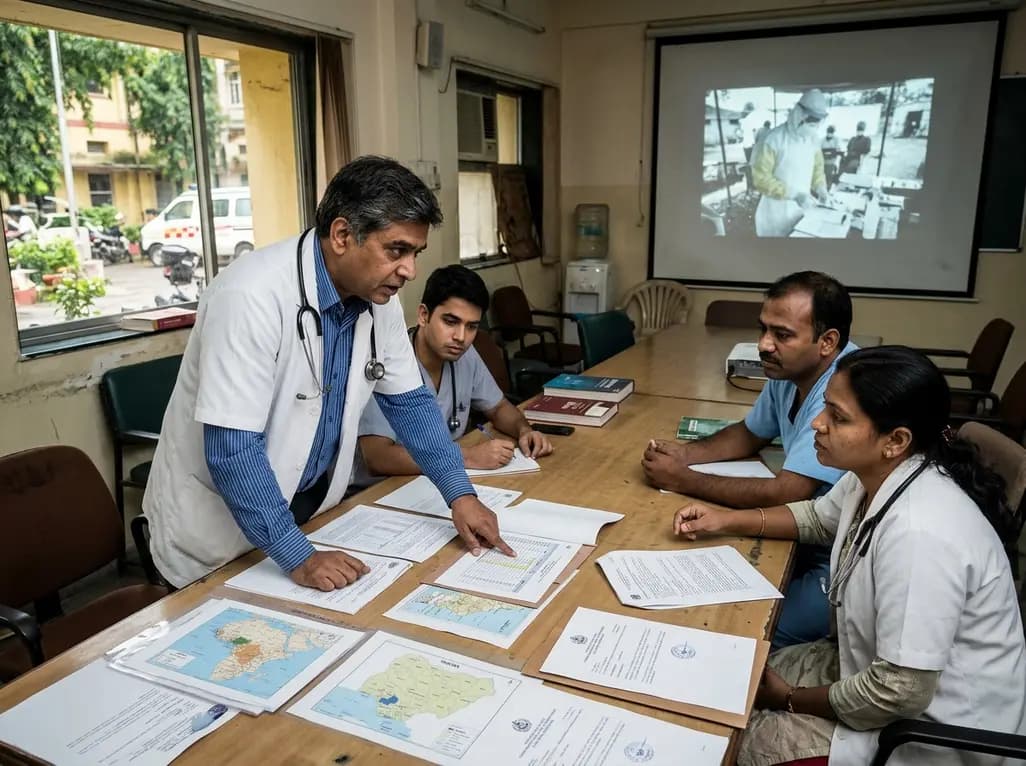
Following Nigeria's first recorded Ebola case linked to regional travel, the Africa CDC has convened an emergency ministerial summit. This alert underscores critical clinical priorities for healthcare professionals, including differentiating early viral infection from malaria, implementing barrier nursing, and triage.
Today

Leucine Rich Bio has introduced South Asia's first comprehensive vaginal microbiome test, BugSpeaks. By profiling microbial dysbiosis, pathogens, and antimicrobial resistance, this next-generation diagnostic platform provides clinicians with deeper insights into recurrent infections, fertility, and reproductive health.
Today

Review how tailored exercise programs benefit frail older patients with heart failure. Explore pathophysiological mechanisms, individualized training prescriptions, and strategies to overcome adherence barriers in clinical practice.
Today

This comparative study evaluates posterior labral tears with and without glenohumeral instability, highlighting distinct demographic patterns, MRI underestimation in stable shoulders, and successful arthroscopic repair outcomes.
Today

A clinical study demonstrates that early intervention with tocilizumab, either as monotherapy or bridged with corticosteroids, achieves significant proptosis reduction and resolves active inflammation in treatment-naive thyroid eye disease.
Today
