.webp&w=384&q=75)

Loading, please wait...
Loading, please wait...

Pakistan is currently grappling with a severe health emergency due to a widespread toxic water crisis. The Pakistan Medical Association (PMA) recently issued a warning regarding the escalating rates of kidney failure across the country. Therefore, experts project that between 25,000 and 50,000 people will develop end-stage renal disease (ESRD) this year. This surge is primarily attributed to the consumption of polluted drinking water and inadequate healthcare infrastructure.
Current reports indicate that nearly 80 percent of the Pakistani population lacks access to safe drinking water. Consequently, millions of citizens are exposed to harmful pathogens and industrial toxins daily. The situation is particularly dire in rural Sindh and Balochistan, where residents depend heavily on untreated groundwater. Furthermore, research in urban centers like Karachi shows that over 90 percent of water sources contain hazardous pollutants. Therefore, the lack of clean water has become a major public health threat.
Medical researchers have detected high concentrations of heavy metals, including arsenic and lead, in the national water supply. These toxic water crisis pollutants cause irreversible damage to renal tissues over time. Additionally, the presence of disease-causing pathogens further complicates the health profile of the population. Energy shortages also prevent many households from boiling water, which increases the risk of contamination. Moreover, high fuel costs make water filtration systems unaffordable for the average family.
Medical professionals emphasize that the government must prioritize clean water infrastructure over expensive treatment facilities. Chronic kidney disease already affects approximately 15 to 20 percent of adults over the age of 40. However, the annual incidence of 100 cases per million people continues to rise. Authorities should treat this situation as a national emergency by increasing healthcare funding. Furthermore, expanding dialysis centers in public hospitals is essential to support low-income patients who cannot afford private care.
Q1: How does the toxic water crisis affect kidney health?
Contaminated water contains heavy metals like arsenic and lead. These substances cause chronic inflammation and oxidative stress, which eventually lead to renal failure.
Q2: What is the expected incidence of renal disease in Pakistan this year?
The Pakistan Medical Association warns that up to 50,000 new cases of end-stage renal disease may emerge this year due to unsafe water.
Q3: Which regions are most affected by water contamination?
Rural areas in Sindh and Balochistan are highly vulnerable. However, urban centers like Karachi also report that 90 percent of water sources are hazardous.
Disclaimer: This content is for informational and educational purposes only. It does not constitute medical advice or replace professional judgment. Refer to the latest local and national guidelines for clinical practice.
References

Read summarized clinical updates, watch expert medical content, and earn CME certifications right from your smartphone.
Open your smartphone camera to scan and install.





Pakistan faces a kidney disease surge linked to a toxic water crisis, with experts warning of up to 50,000 new end-stage renal disease cases this year....
6 months ago
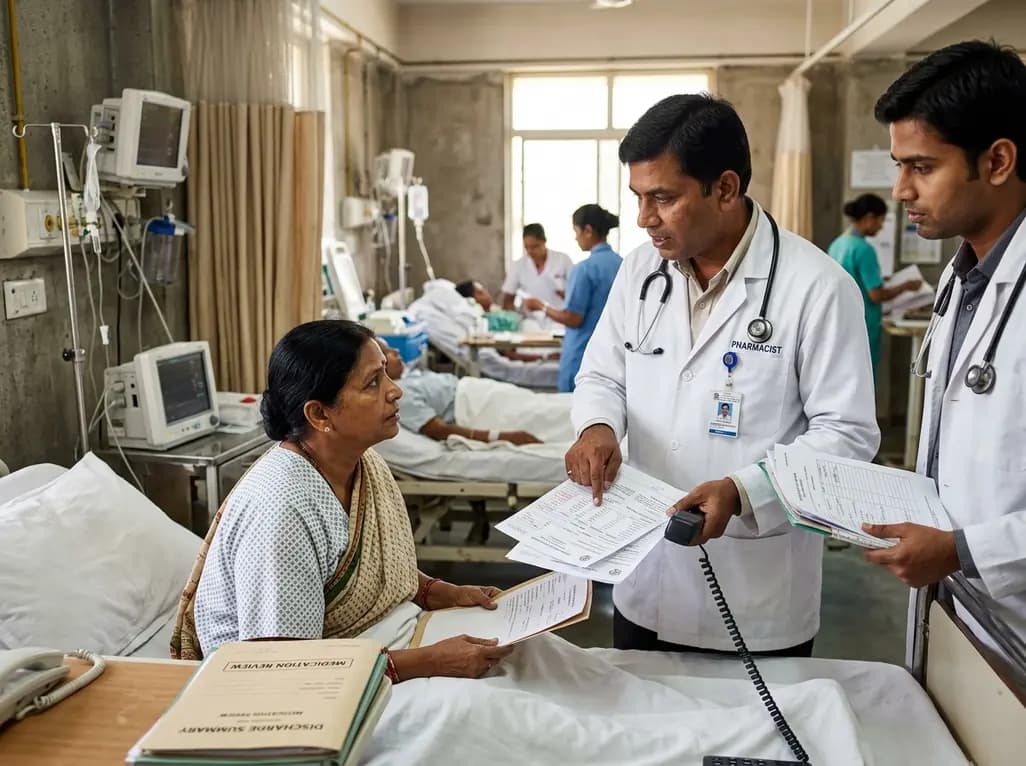
A retrospective cohort study demonstrates that comprehensive pharmacy transitions of care—including admission medication history, discharge review, and 72-hour telephone follow-up—significantly reduced 30-day readmission rates in acute care patients, highlighting the value of pharmacist-led clinical interventions.
Today
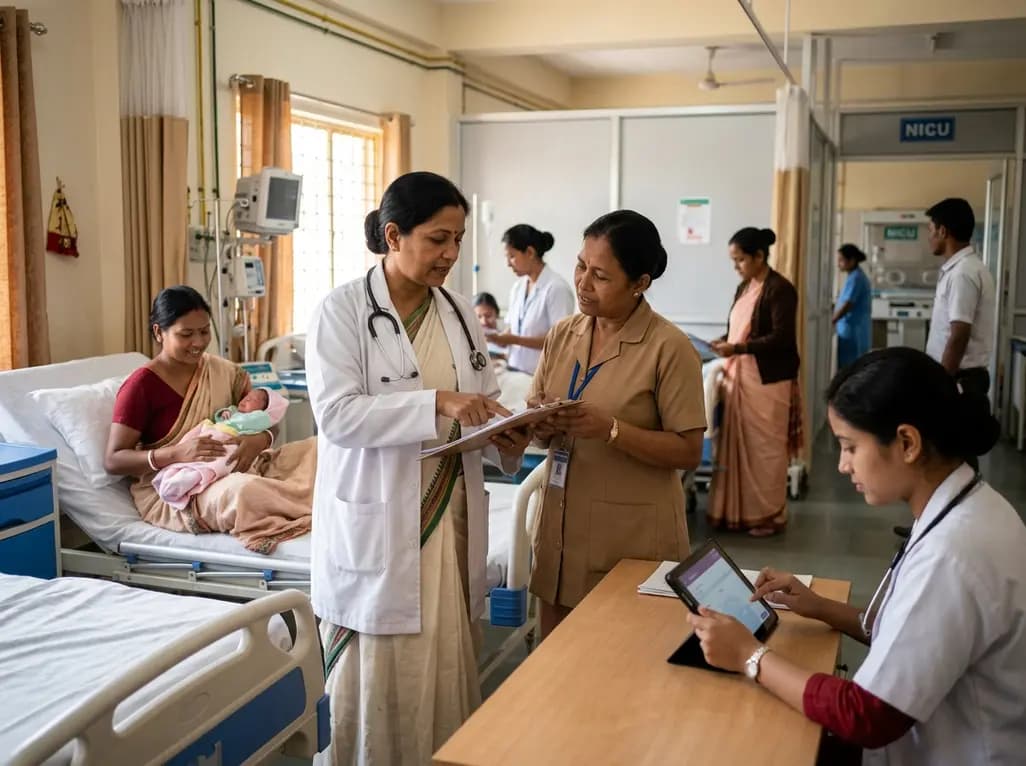
Meghalaya recorded a historic 55% reduction in maternal deaths, dropping from 244 to 107 over five years. Through the MOTHER app, dedicated transit homes, and expanded infrastructure like the 150-bed Tura Maternity Hospital with its first public NICU, the state demonstrates an effective public health model.
Today
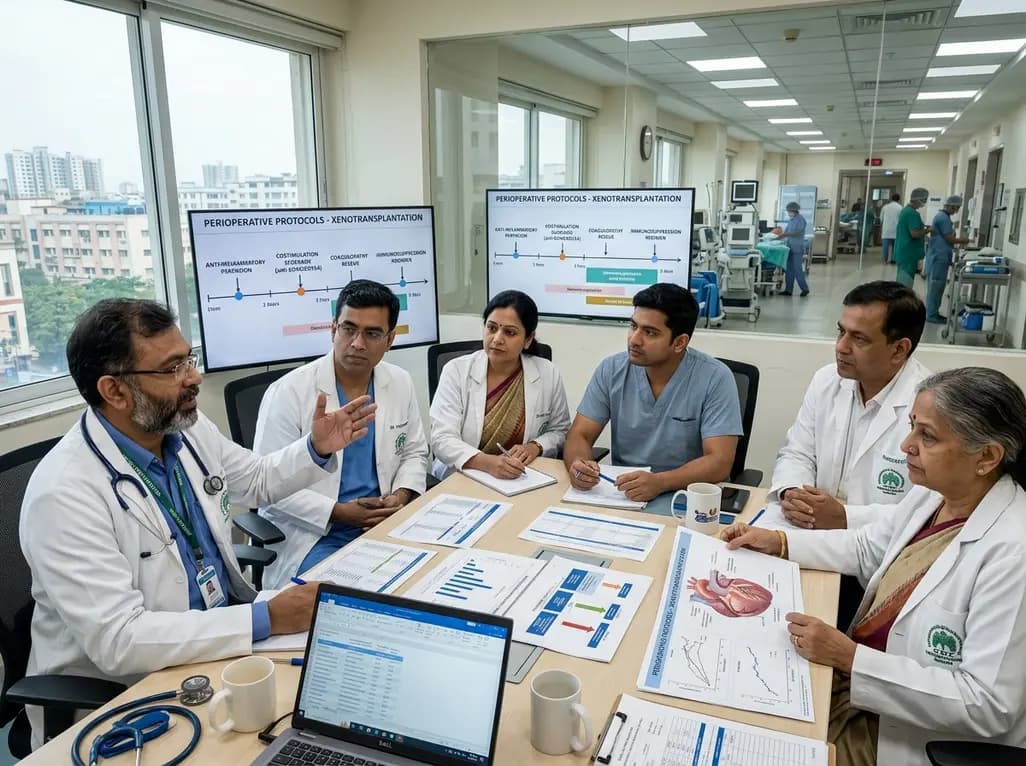
Explore modern perioperative management protocols for clinical xenotransplantation. Learn how costimulation blockade, anti-inflammatory perfusion, and coagulopathy rescue overcome interspecies hurdles.
Today

North India's first Centre of Excellence for Brain and Spine at Amrita Hospital Faridabad integrates Brainlab's Loop-X mobile robot. This landmark facility combines cone-beam computed tomography with surgical navigation to elevate precision, optimize operative workflows, and enhance specialized clinician training.
Today
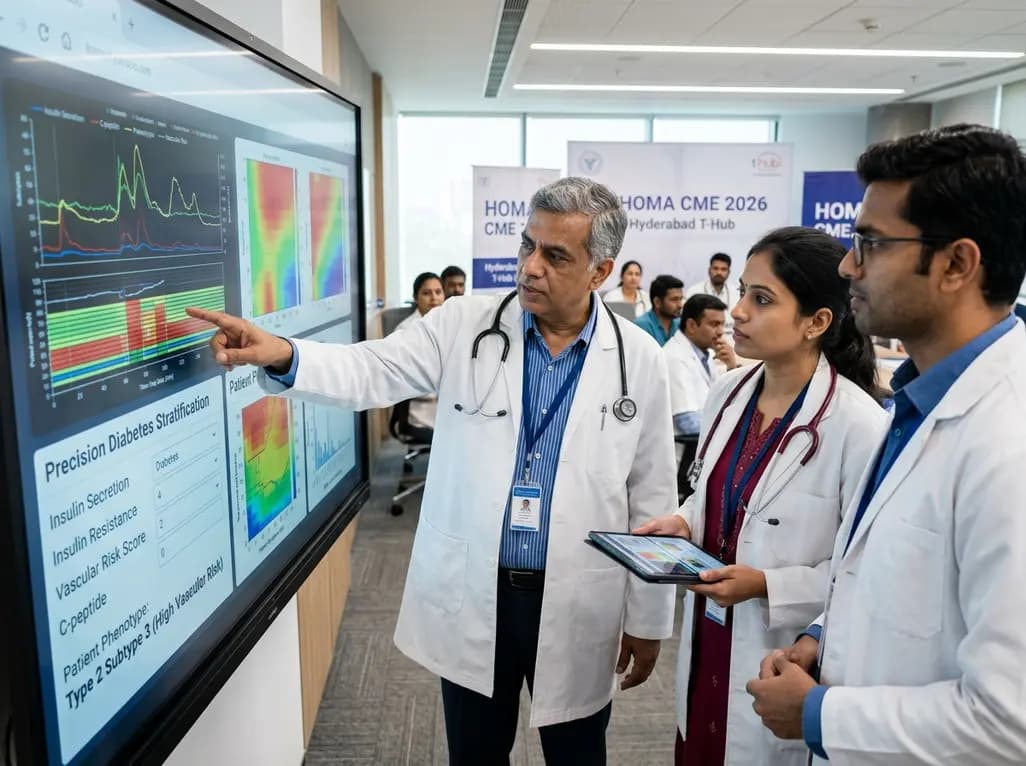
At Homa CME 2026 at Hyderabad's T-Hub, healthcare leaders emphasized moving beyond routine metrics through digital calculators and precision stratification. Discover why characterizing individual insulin secretion, resistance patterns, and vascular risks transforms chronic metabolic care in India.
Today
