.webp&w=384&q=75)

Loading, please wait...
Loading, please wait...

Q1: When will these new dengue treatments be available in India?
Clinical experts anticipate that targeted therapies, including monoclonal antibodies, could reach Indian hospitals within the next two to three years, provided Phase 3 trials succeed.
Q2: Why is climate change causing a rise in dengue cases?
Climate change alters mosquito breeding patterns and expands their geographical reach, making the disease less seasonal and more widespread across urban and rural India.
Q3: What are the current clinical management strategies for dengue?
Currently, healthcare providers rely on supportive care, which includes monitoring platelet counts, maintaining hydration, and managing symptoms, as there are no approved specific antivirals yet.
Disclaimer: This content is for informational and educational purposes only. It does not constitute medical advice or replace professional judgment. Refer to the latest local and national guidelines for clinical practice.
References

Read summarized clinical updates, watch expert medical content, and earn CME certifications right from your smartphone.
Open your smartphone camera to scan and install.





India anticipates targeted dengue treatments within 2-3 years. Experts highlight Phase 3 trials and climate-resilient health strategies to combat rising cas...
4 months ago

Explore the emerging role of Brixadi, an extended-release buprenorphine injection, for managing stimulant use disorder through kappa opioid receptor antagonism and steady plasma levels.
Today

A premature neonate developed upper limb compartment syndrome after uterine rupture extruded the arm through a scar defect. Conservative management with continuous monitoring yielded complete functional recovery and normal limb growth at 10-year follow-up, highlighting non-operative safety in selected cases.
Today
Dendritic cells bridge innate and adaptive immunity in myocardial infarction. This review explores their pathological roles, circulating dynamics, novel tolerogenic interventions, and how standard cardiovascular medications modulate dendritic cells to improve post-infarction myocardial repair and patient outcomes.
Today
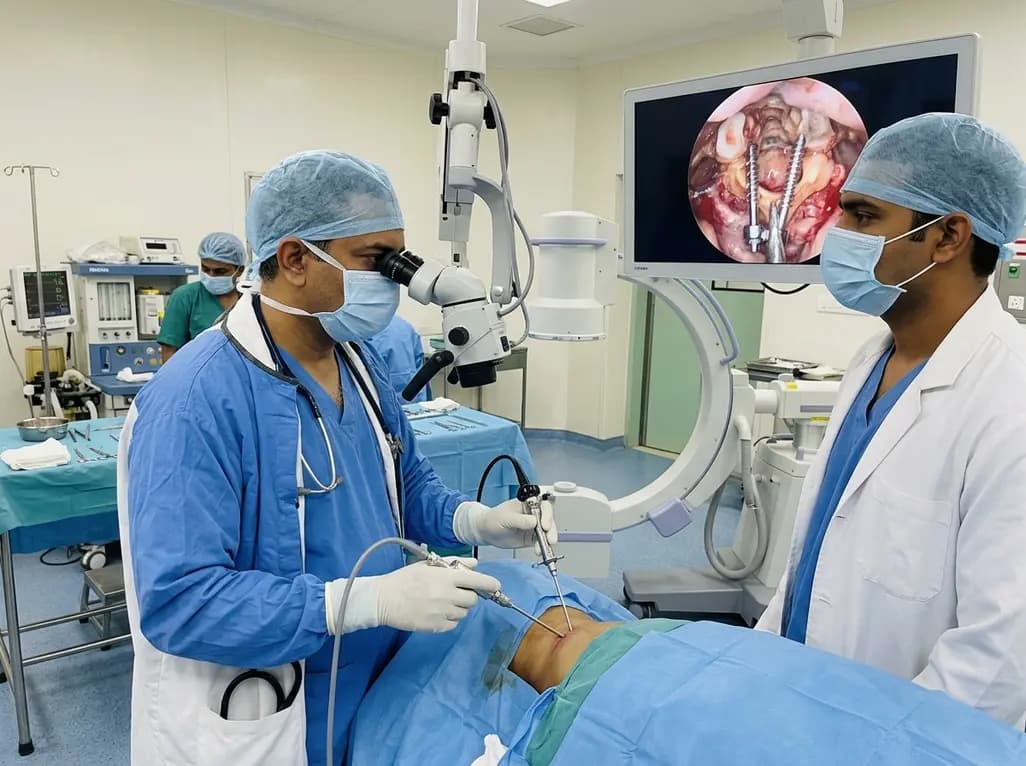
Endoscopic posterior cervical fusion combines minimally invasive decompression, joint preparation, and rigid screw-rod fixation for atlantoaxial pathologies. Early clinical findings demonstrate solid bony union, excellent symptom relief, and minimal soft-tissue morbidity without significant vascular compromise.
Yesterday
Atherosclerosis involves extensive glycometabolic reprogramming across immune and vascular cells. This review examines how glycolysis, the pentose phosphate pathway, and lactate-driven epigenetic shifts fuel plaque vulnerability, while highlighting novel therapeutic targets like PFKFB3 and LDHA.
Today
