.webp&w=384&q=75)

Loading, please wait...
Loading, please wait...

Healthcare systems worldwide contribute approximately 4.6% of global carbon emissions. In particular, anesthesia and intensive care units are primary sources of environmental impact. Therefore, the adoption of sustainable anesthesia practices is essential for modern clinical medicine. A recent nationwide survey of Italian anesthesiologists-intensivists sheds light on the knowledge, attitudes, and perceived barriers regarding green initiatives in the operating room.
The cross-sectional study, conducted among members of the Italian Society of Anesthesia, Analgesia, Resuscitation, and Intensive Care (SIAARTI), analyzed 459 responses. While a staggering 83.4% of participants rated environmental sustainability as very important, the findings revealed a significant gap between awareness and real-world implementation. Specifically, 93.1% of clinicians reported the routine use of single-use devices, which significantly increases medical waste.
Interestingly, the research identified two distinct respondent profiles: the "Experienced Generation" (senior specialists) and the "Green Generation" (early-career clinicians). Although both groups value sustainability, the Green Generation more frequently adopts eco-friendly techniques. For instance, younger doctors utilized total intravenous anesthesia (71.2% vs. 57.5%) and regional anesthesia (74.1% vs. 64.0%) at higher rates than their senior counterparts.
Several factors hinder the widespread transition to eco-friendly care. Only 7.4% of respondents worked in departments with a designated sustainability officer. Consequently, the lack of institutional leadership and standardized protocols remains a major hurdle. Furthermore, the reliance on single-use equipment and the scarcity of recycling programs in hospitals create a challenging environment for clinicians aiming to reduce their carbon footprint. Therefore, addressing these structural barriers is crucial for clinical progress.
Clinical data suggests that choosing total intravenous anesthesia (TIVA) or regional anesthesia over volatile anesthetic gases can significantly lower carbon emissions. Additionally, implementing low-flow anesthesia techniques and reducing single-use plastic consumption are vital steps.
Younger clinicians, often referred to as the "Green Generation," typically receive more exposure to environmental education during their training. Moreover, they may be more open to adopting newer technologies and protocols that prioritize sustainability alongside patient safety.
Institutions can support these efforts by appointing sustainability officers and establishing clear recycling protocols. Providing access to reusable medical devices and switching to renewable energy sources are also critical institutional actions.
Disclaimer: This content is for informational and educational purposes only. It does not constitute medical advice or a professional endorsement. Refer to the latest local and national guidelines for clinical practice.
References
Mandarano R et al. Attitudes, knowledge, practices, and perceived barriers on sustainability actions among Italian anesthesiologists-intensivists: a nationwide survey. J Anesth Analg Crit Care. 2026 Apr 18. doi: 10.1186/s44158-026-00379-7. PMID: 41998736.
Ahluwalia P. Reducing carbon footprint: Paving the way for sustainable anesthesia. Indian J Clin Anaesth. 2019;6(3):323-324.
Patil KN. Sustainable Anesthesia Practices: Need of the hour. Bharati Vidyapeeth Medical Journal. 2024;4(4):1-3.

Read summarized clinical updates, watch expert medical content, and earn CME certifications right from your smartphone.
Open your smartphone camera to scan and install.





A study on Italian anesthesiologists highlights a generational shift toward sustainable anesthesia practices and identifies key barriers to implementation....
6 months ago

Novel glucose-responsive mPEG-PSA nanocarriers deliver insulin aspart on demand, achieving dual postprandial and basal glycemic control without hypoglycemia in diabetic models. This biomaterial breakthrough offers promising clinical implications for physiologic diabetes management.
Today
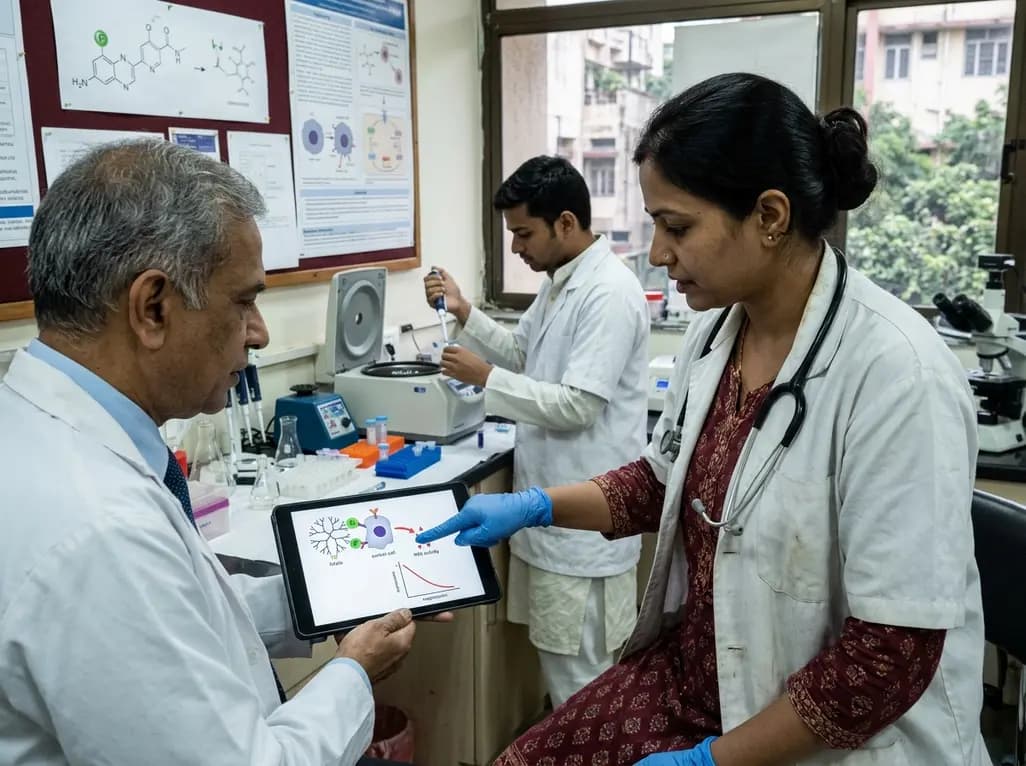
A novel folate-conjugated tecto-dendrimer nanoplatform successfully delivers siRNA to achieve targeted HK2 silencing, disrupting ovarian cancer glycolysis and suppressing lactate output.
Today
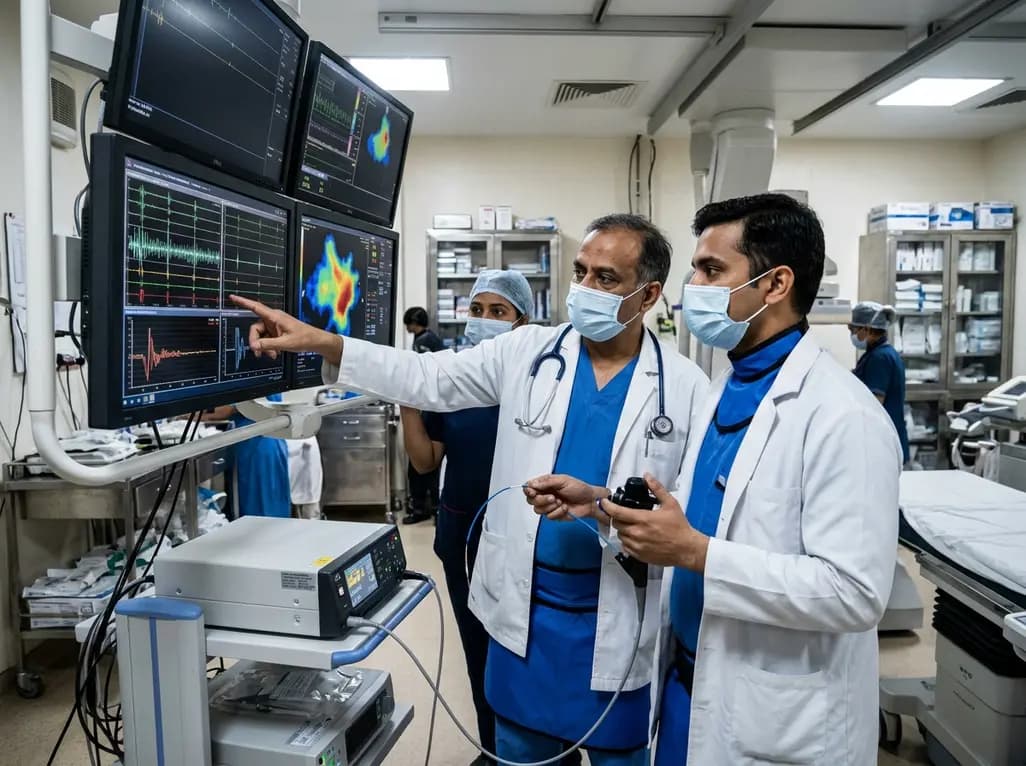
A comparative non-contact study reveals that high-power radiofrequency delivery with the QDOT MICRO catheter induces an artifactual contact force rise. Electrophysiologists must understand this power-dependent thermal and electrical phenomenon to avoid inadvertent catheter withdrawal and ineffective ablation.
Today
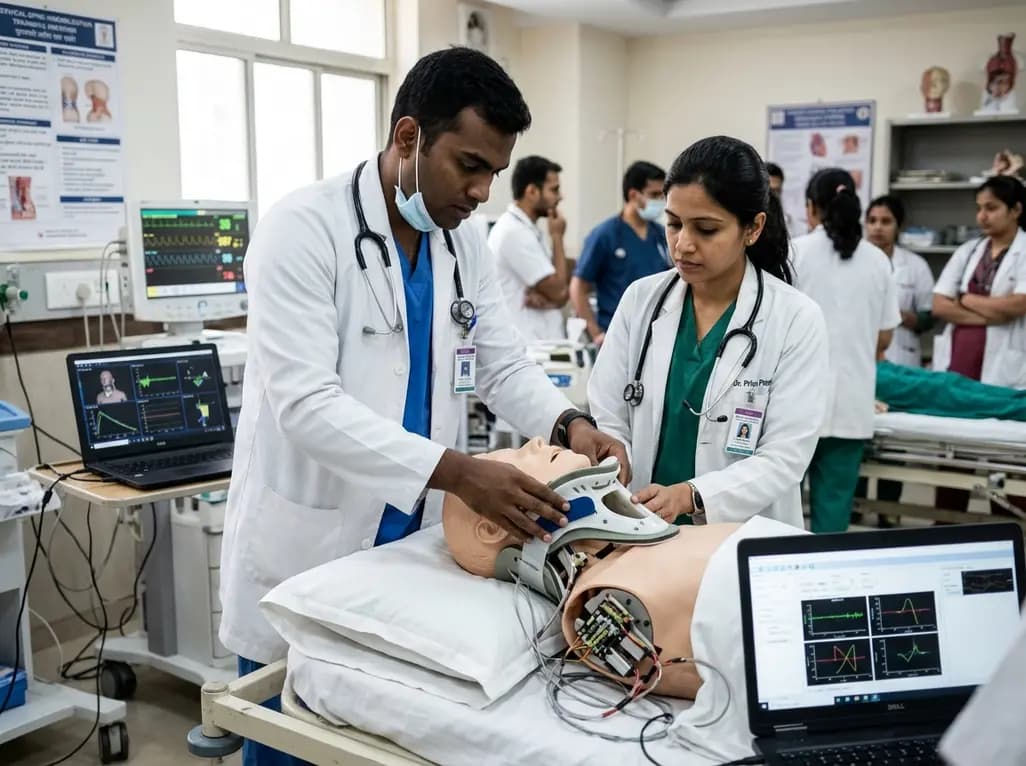
A novel proof-of-concept study presents a six-degree-of-freedom articulated manikin neck equipped with linear potentiometers. The system provides real-time kinematic motion feedback during cervical immobilisation, delivering sub-degree tracking accuracy to improve pre-hospital trauma training and patient safety.
Today
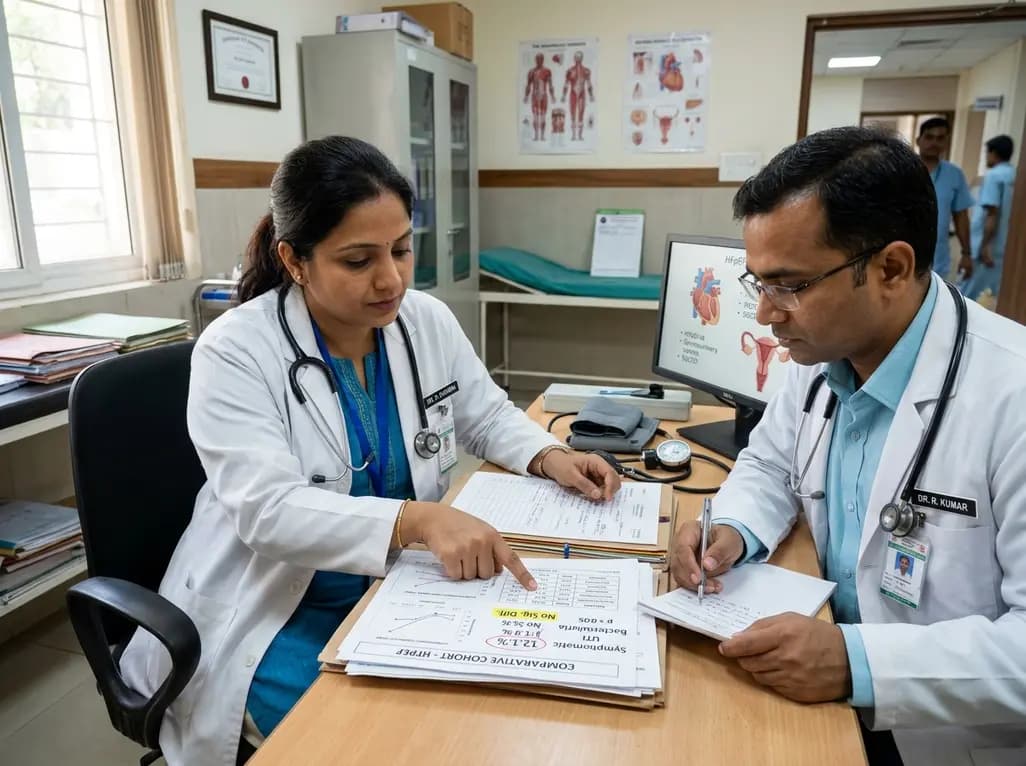
A retrospective comparative cohort study evaluated genitourinary safety in HFpEF between dapagliflozin and empagliflozin over six months. Rates of symptomatic UTI and asymptomatic bacteriuria showed no statistically significant differences, supporting comparable safety profiles across both SGLT2 inhibitors.
Today
