.webp&w=384&q=75)

Loading, please wait...
Loading, please wait...

Recent clinical research explores sports headgear risk compensation in adolescent female lacrosse players. Experts often worry that protective equipment might inadvertently encourage more aggressive gameplay. Consequently, researchers surveyed 315 athletes aged 13 to 19 years to investigate this phenomenon. Specifically, they used the Brief Sensation Seeking Scale (BSSS-8) to measure personality traits and perceptions of safety.
The study found that 61.9% of participants chose not to wear headgear during play. Moreover, significant differences appeared between the two groups. Those in the headgear group had higher sensation-seeking scores, averaging 3.14 compared to 2.84 in the non-headgear group. This difference was statistically significant with a moderate effect size. Furthermore, headgear use correlated positively with both age and higher sensation-seeking scores.
These findings suggest that personal psychological traits strongly influence the decision to wear safety gear. Therefore, the implementation of headgear mandates may interact with an athlete's natural tendency toward risk-taking. Doctors should consider these behavioral factors when discussing injury prevention with young athletes. Understanding sports headgear risk compensation is essential for developing comprehensive safety guidelines that address both physical protection and psychological behavior.
Risk compensation is a theory suggesting that individuals adjust their behavior according to perceived risk. In sports, an athlete might play more aggressively if they feel the headgear makes them invulnerable to injury.
While the study found a correlation between headgear use and higher sensation-seeking scores, it suggests that athletes who naturally seek more intensity are more likely to wear protective equipment. Further research is needed to determine if the gear itself causes the aggression.
Disclaimer: This content is for informational and educational purposes only and does not constitute medical advice. Always seek the advice of a physician or other qualified health provider with any questions you may have regarding a medical condition. Refer to the latest local and national guidelines for clinical practice.
References
Tinkey V et al. Does wearing headgear influence risk compensation in adolescent female lacrosse? Phys Sportsmed. 2026 Apr 16. doi: 10.1080/00913847.2026.2661570. PMID: 41989828.
Caswell SV et al. Headgear mandates in high school girls' lacrosse: investigating differences in impact rates and game play behaviors. Orthop J Sports Med. 2020;8(12). doi:10.1177/2325967120969685.
Herman DC et al. Concussion rates in high school girls' lacrosse with and without a headgear mandate. JAMA. 2021;326(14):1437-1439.
"
Read summarized clinical updates, watch expert medical content, and earn CME certifications right from your smartphone.
Open your smartphone camera to scan and install.





A study of 315 adolescent female lacrosse players found that those wearing headgear had significantly higher sensation-seeking scores, suggesting a psycholo...
6 months ago

Explore vital recurrent stroke predictors in lacunar stroke patients managed with intensive blood pressure lowering. This analysis examines trial findings from SPS3 to uncover residual vascular risks, metabolic factors, and targeted secondary prevention strategies for high-risk neurological patients.
Today
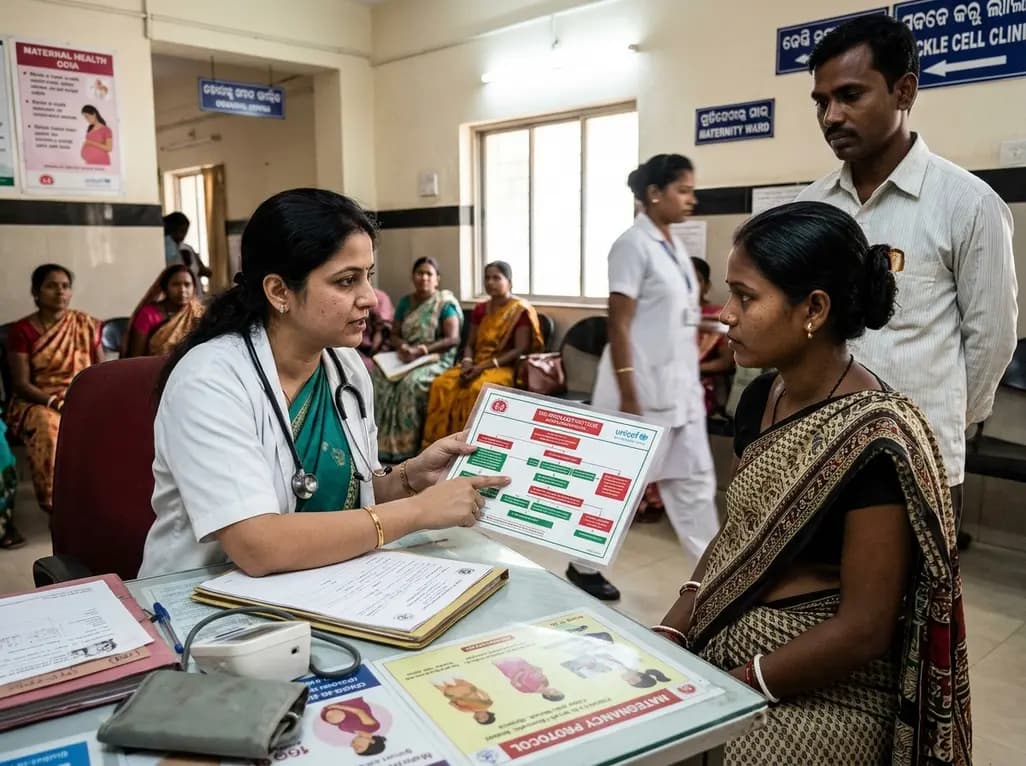
Odisha has established India's first state-level clinical protocol specifically tailored for pregnant women with sickle cell disease. Developed with NHM and UNICEF, the framework provides structured antenatal screening, crisis mitigation, standardized referral pathways, and specialized interdisciplinary care.
Today

India is advancing preventive healthcare by integrating genomics, artificial intelligence, and quantum technologies. With the SANGAM programme sequencing one million Indian genomes, clinicians can unlock personalized therapies, detect cardiometabolic risks early, and curb the burden of diabetes and heart disease.
Today
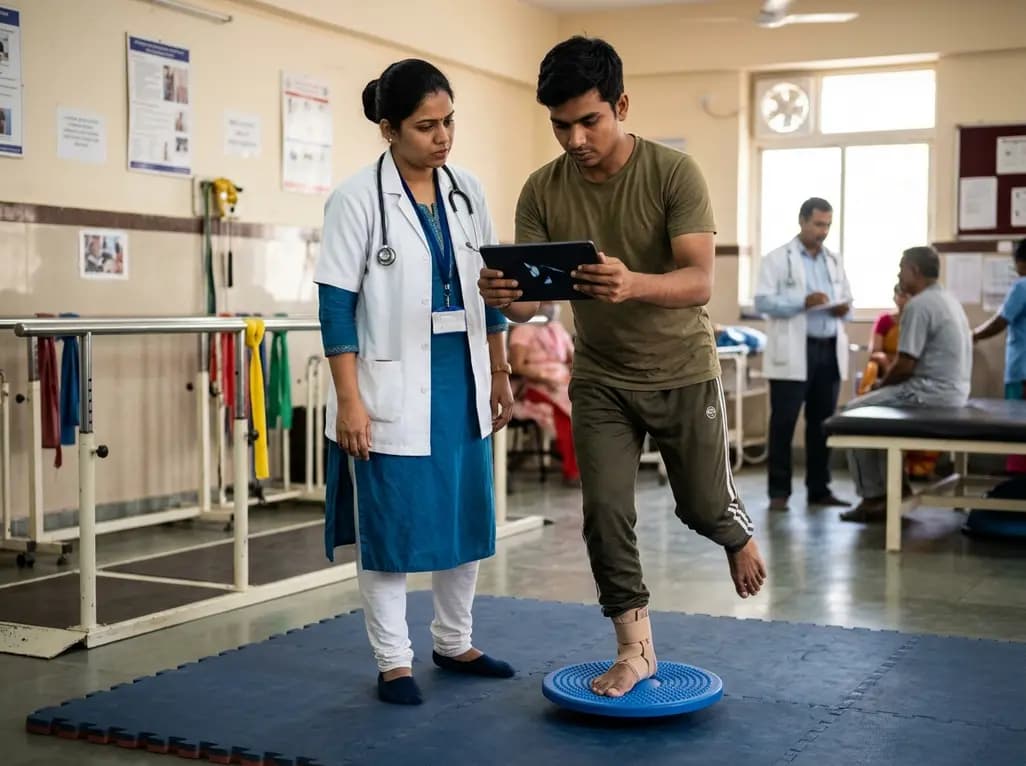
A randomized controlled trial demonstrates that an eight-week dual-task training intervention significantly improves static and dynamic postural control over standard balance exercises in individuals with chronic ankle instability, addressing critical neurocognitive deficits during athletic and daily activities.
Today

A retrospective cohort study of 7,716 ICU patients from the MIMIC-IV database demonstrates that Gradient Boosting Decision Trees significantly outperform traditional SOFA scores in predicting in-hospital mortality among patients with sepsis and diabetes, with SHAP analysis providing clinical interpretability.
Today
